Across trails, farms and living rooms, large two-toned dogs stand out for both their looks and their working histories. If you’re weighing breeds for size, temperament or coat care, a clear snapshot of each breed makes comparison easier.
There are 20 big bicolor dog breeds, ranging from Akita to Siberian Husky; details are organized as Scientific name, Bicolor pattern, Size (height cm / weight kg), which you’ll find below.
How often do big bicolor breeds need grooming?
Grooming depends on the coat: double-coated breeds shed seasonally and benefit from weekly brushing and daily attention during blowouts, while short-coated types need only occasional brushing and baths. Regular checks for skin irritation where colors meet help catch issues early.
Are large bicolor breeds good with families and children?
Many are loyal and family-oriented, but temperament varies by breed and upbringing. Look for breeds with reliable temperaments, invest in consistent training and socialization, and plan for daily exercise to match the breed’s energy level.
Big Bicolor Dog Breeds
| Breed | Scientific name | Bicolor pattern | Size (height cm / weight kg) |
|---|---|---|---|
| Rottweiler | Canis lupus familiaris | Black with distinct tan markings (black & tan) | 56–69 cm / 35–60 kg |
| Doberman | Canis lupus familiaris | Black (or brown) with rust markings (black & rust) | 63–72 cm / 30–45 kg |
| German Shepherd | Canis lupus familiaris | Black saddle with tan or red (black & tan) | 55–65 cm / 22–40 kg |
| Great Dane | Canis lupus familiaris | Black and white mantle/pied or other two-color combos | 71–86 cm / 45–90 kg |
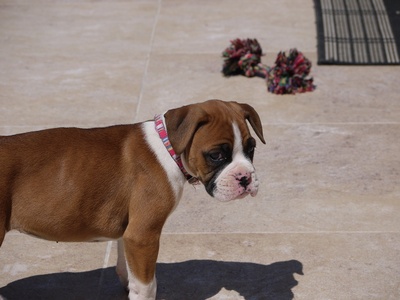
| Boxer | Canis lupus familiaris | White with fawn/brindle patches (pied) or fawn with white | 53–63 cm / 25–32 kg |
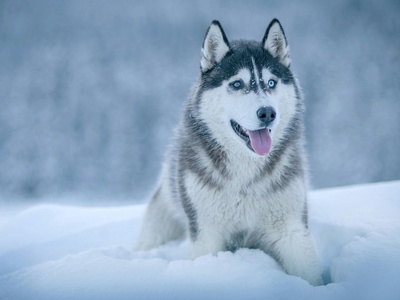
| Siberian Husky | Canis lupus familiaris | Black (or red) with white markings (black & white common) | 50–60 cm / 16–27 kg |
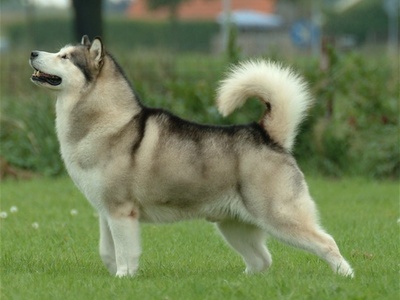
| Alaskan Malamute | Canis lupus familiaris | Gray/black over white or black and white saddle patterns | 56–64 cm / 34–44 kg |
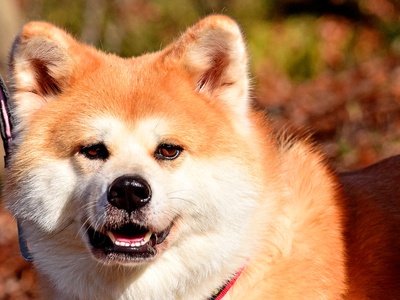
| Akita | Canis lupus familiaris | Red or brindle with white markings; white-and-colored bicolor (pinto accepted) | 58–70 cm / 32–59 kg |
| Gordon Setter | Canis lupus familiaris | Black with rich chestnut/tan markings (black & tan) | 58–69 cm / 25–36 kg |
| Pointer (English Pointer) | Canis lupus familiaris | White with liver/black patches or lemon (white & colored) | 60–69 cm / 20–36 kg |
| German Shorthaired Pointer | Canis lupus familiaris | Liver and white, often ticked or patched (two-color appearance) | 53–64 cm / 20–32 kg |
| Dalmatian | Canis lupus familiaris | White coat with black or liver spots (white & black/liver) | 48–61 cm / 24–32 kg |
| Newfoundland | Canis lupus familiaris | Black and white Landseer variant or solid with white markings | 63–74 cm / 45–68 kg |
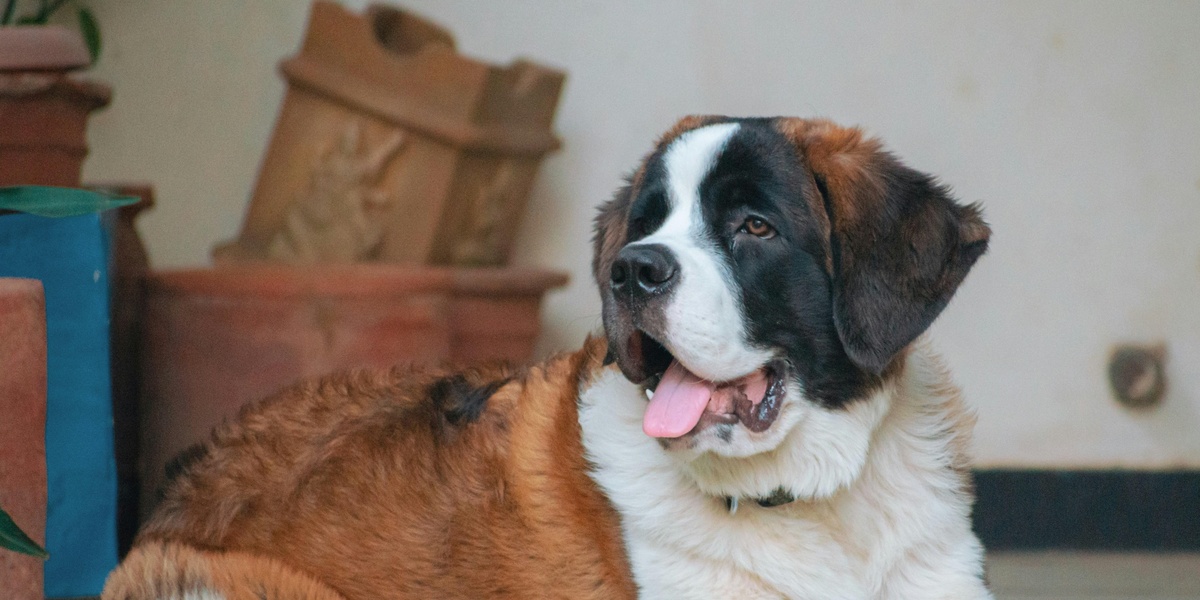
| Saint Bernard | Canis lupus familiaris | White with red/brown patches or white with black markings (bicolor) | 65–90 cm / 54–120 kg |
| Bloodhound | Canis lupus familiaris | Black-and-tan or liver-and-tan (two-tone saddle and face) | 58–69 cm / 36–50 kg |
| Black and Tan Coonhound | Canis lupus familiaris | Black with distinct tan markings (black & tan) | 58–69 cm / 27–45 kg |
| Irish Red and White Setter | Canis lupus familiaris | Red patches on white background (red & white) | 61–67 cm / 25–30 kg |
| Borzoi | Canis lupus familiaris | White base with colored head/body markings or sable & white | 71–86 cm / 25–48 kg |
| Rough Collie | Canis lupus familiaris | Sable and white or white with colored markings (two-color variants) | 56–66 cm / 20–34 kg |
| Beauceron | Canis lupus familiaris | Black with tan markings or harlequin patterns (black & tan common) | 61–70 cm / 30–45 kg |
Images and Descriptions
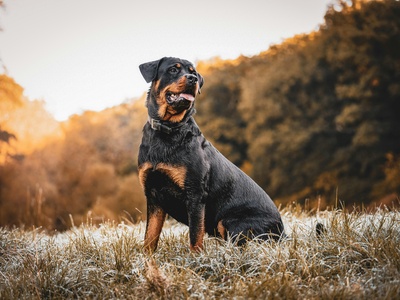
Rottweiler
Originating in Germany as a cattle and draft dog, the Rottweiler is confident, protective, and trainable. Used for guarding and police work, it needs regular exercise, basic grooming, and socialization. Common worldwide; sources: AKC, FCI.
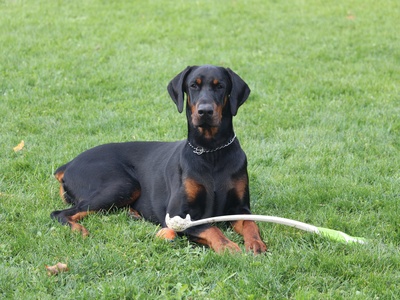
Doberman
Developed in Germany as a personal protection and police breed, the Doberman is alert, loyal, and energetic. Requires firm training, mental stimulation, moderate grooming, and daily exercise. Widely kept as family guardian and working dog; sources: AKC, FCI.
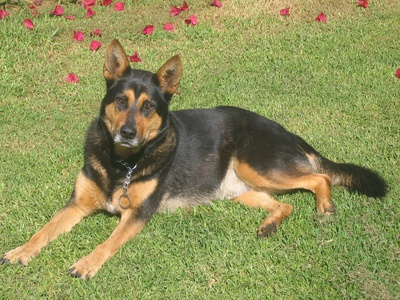
German Shepherd
From Germany, bred for herding and police work, the GSD is intelligent, versatile, and loyal. Needs consistent training, lots of activity, and regular brushing for seasonal shedding. Very common worldwide in homes and working roles; AKC, FCI.
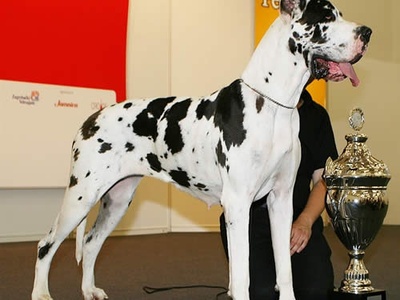
Great Dane
A giant breed from Germany, originally a boar hunter and companion. Gentle, friendly and good with families but needs space and short, regular exercise. Low grooming needs but prone to health issues. Common as companion and show dog.
Boxer
Originating in Germany as a working and guard dog, Boxers are playful, loyal and energetic. Pied (white with patches) is a recognized bicolor. Needs training, daily exercise, and moderate grooming. Popular family pet and sport dog.
Siberian Husky
From Siberia as a sled dog, Huskies are energetic, friendly and independent. They commonly show striking two-color face and body patterns. Require heavy exercise, grooming for seasonal shedding, and secure containment. Popular in cold-climate and active homes.
Alaskan Malamute
A northern sled and freight breed from Alaska, Malamutes are strong, affectionate and sociable. Commonly gray/black with white bicolor facial markings. Needs intense exercise, firm training, and frequent brushing. Valued as working and companion dogs.
Akita
Japanese origin as a noble guardian and hunting dog, the Akita is dignified, loyal and reserved with strangers. Bicolor and pinto patterns are recognized. Requires consistent training, moderate grooming, and early socialization. Kept worldwide as companion and guardian.
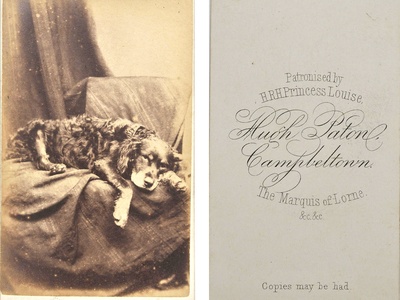
Gordon Setter
A Scottish gundog bred for upland game, the Gordon Setter is bold, affectionate and hardworking. The classic black-and-tan coloration is stable. Needs regular exercise, training, and medium grooming for feathered coat. Popular with field and show enthusiasts.
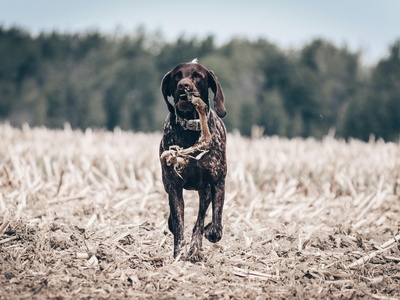
Pointer (English Pointer)
An English bird dog bred for pointing game, Pointers are athletic, alert and friendly. Many are white with large colored patches, a common bicolor. Require vigorous exercise, training, and regular brushing. Favored in shooting sports and active homes.
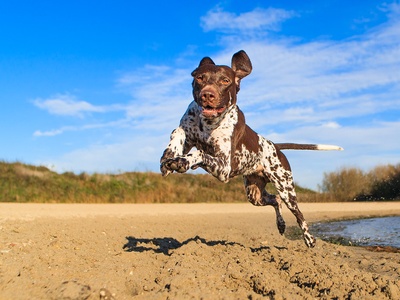
German Shorthaired Pointer
From Germany as an all-purpose hunting dog, the GSP is energetic, versatile and affectionate. Liver-and-white patterns are common and appear bicolor from a distance. Needs intense exercise, training, and minimal grooming. Popular with hunters and active families.
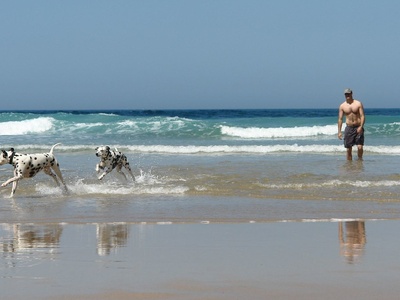
Dalmatian
Bred in Croatia for carriage and hunting, Dalmatians are distinctive, active and people-oriented. The spotted white-and-black (or liver) coat is a classic bicolor pattern. Requires lots of exercise, routine grooming, and social training. Common as companion and performance dog.

Newfoundland
Originating in Newfoundland as a water rescue and working dog, Newfoundlands are gentle, patient and strong. The Landseer black-and-white bicolor is a well-known variant. Needs grooming for thick coat, moderate exercise, and swimming opportunities; beloved family and working dogs.
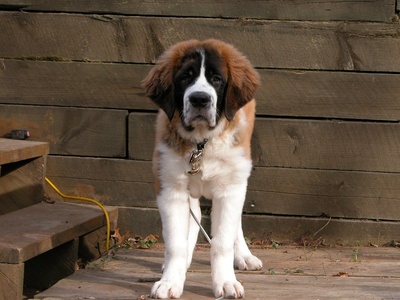
Saint Bernard
Swiss mountain rescue breed, Saint Bernards are calm, patient and good-natured. Large white-and-red (or white-and-brown) bicolor patterns are common. Require moderate exercise, daily grooming for drool and coat care, and roomy living space. Often seen in temperate regions.
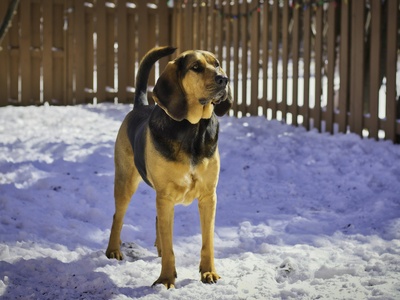
Bloodhound
English/French scent hound bred for tracking, Bloodhounds are determined, sociable and gentle. Black-and-tan or liver-and-tan bicolor patterns are typical. They need scent work, firm training, heavy grooming of loose skin, and regular exercise. Used in search and rescue worldwide.
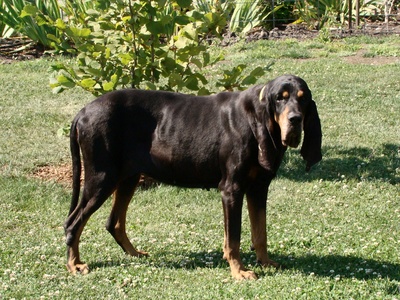
Black and Tan Coonhound
American scent hound developed for raccoon hunting, this breed is vocal, friendly and driven by scent. The black-and-tan bicolor is defining. Needs long exercise sessions, scent work, basic grooming, and secure outdoor space. Popular in hunting communities.
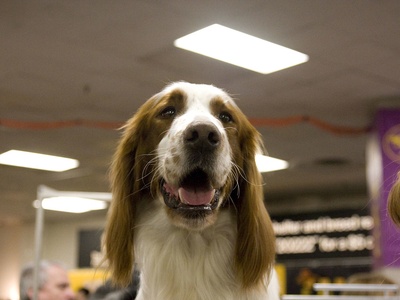
Irish Red and White Setter
Irish gundog breed specifically bred as red-and-white setters. They are lively, affectionate and focused on pointing game. The bicolor red-and-white is defining. Require lots of exercise, training, and medium grooming for silky coat; popular with hunters and families.
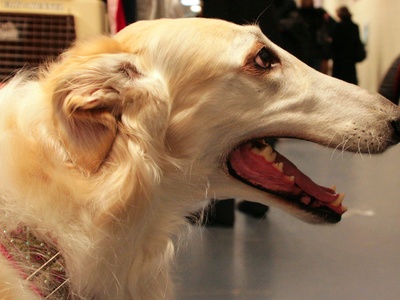
Borzoi
Russian sighthound bred for coursing, Borzois are elegant, independent and calm indoors. Many show white-and-marked bicolor patterns. They need sprinting exercise, gentle training, and regular coat care for long hair. Favored by sighthound enthusiasts.
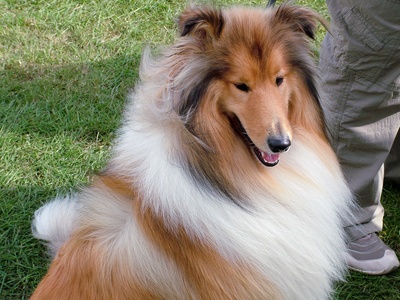
Rough Collie
From Scotland as a herding and farm dog, Rough Collies are loyal, sensitive and family-oriented. Sable-and-white bicolor is a common, stable pattern. They need regular grooming for long coat, consistent training, and moderate exercise. Popular as family companions and show dogs.
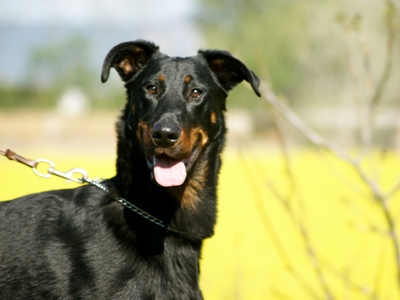
Beauceron
A French herding and guardian breed, the Beauceron is brave, intelligent and versatile. The classic black-and-tan bicolor is breed-typical. Requires firm training, ample exercise, and moderate grooming. Used in herding, protection work, and active households.