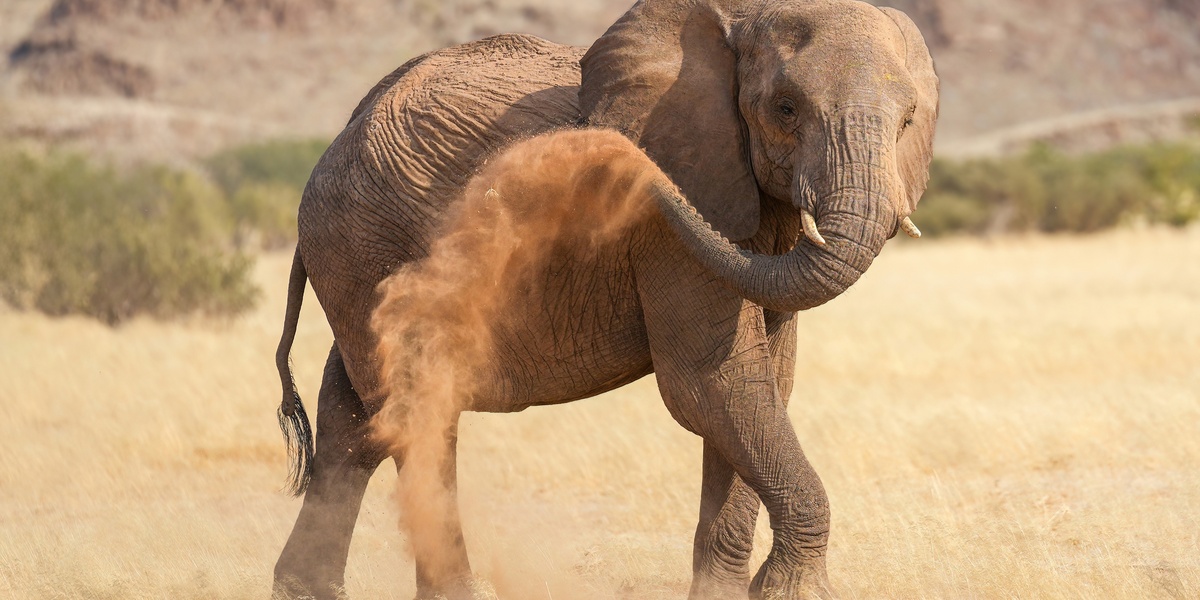
Burundi’s rolling hills, lakes and protected patches support a surprising variety of wildlife despite the country’s small size. From wetlands to woodland edges, the animals that live here play important roles in local ecosystems and are part of everyday life for many communities.
There are 31 Burundi’s native animals, ranging from African buffalo to Vervet monkey. For each species, data are organized as Scientific name,IUCN status,Where found (Burundi); you’ll find below.
Which species am I most likely to spot on a short visit to Burundi?
On a brief trip you’re most likely to see adaptable, daytime animals such as primates, small antelopes and common birds near parks and forest edges; larger mammals like African buffalo occur but are mainly in protected or remote areas. Use the “Where found (Burundi)” column to target likely locations and ask local guides for recent sightings.
How up-to-date are the conservation statuses listed here?
The IUCN status column reflects published assessments but can change as new surveys are completed; treat it as a snapshot and check the IUCN Red List or local conservation organizations for the most current listings before making decisions based on threat levels.
Burundi’s Native Animals
| Common name | Scientific name | IUCN status | Where found (Burundi) |
|---|---|---|---|
| Hippopotamus | Hippopotamus amphibius | Vulnerable | Lake Tanganyika shore, Rusizi River and wetlands |
| Nile crocodile | Crocodylus niloticus | Least Concern | Lake Tanganyika, Rusizi River, larger lakes and pools |
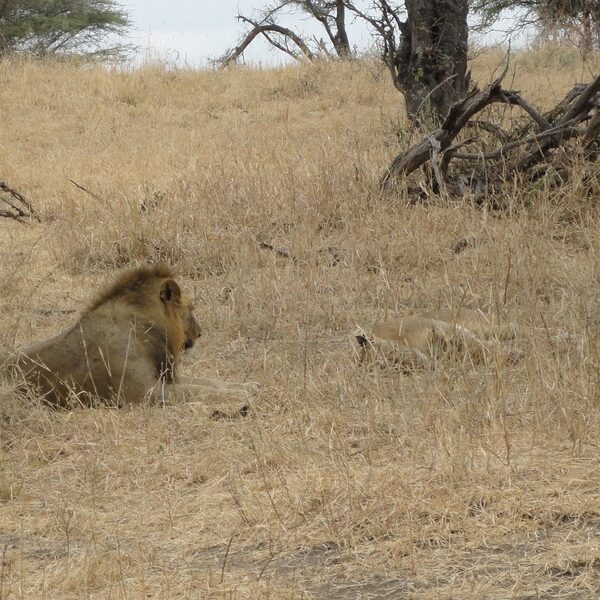
| African buffalo | Syncerus caffer | Near Threatened | Ruvubu NP, savanna woodlands and riverine areas |
| Leopard | Panthera pardus | Vulnerable | Kibira forest edges, Ruvubu NP, remote hills |
| Vervet monkey | Chlorocebus pygerythrus | Least Concern | Kibira, forest edges, agricultural areas and towns |
| L’Hoest’s monkey | Allochrocebus lhoesti | Vulnerable | Kibira montane forest and other Albertine Rift woodlands |
| Olive baboon | Papio anubis | Least Concern | Woodlands, agricultural margins and open country |
| Bushbuck | Tragelaphus scriptus | Least Concern | Forest edges, woodland and riverine thickets |
| Common duiker | Sylvicapra grimmia | Least Concern | Savanna, woodland edges, Ruvubu region |
| Impala | Aepyceros melampus | Least Concern | Savanna and woodland patches near Ruvubu and plains |
| Hartebeest (Topi-like populations) | Damaliscus lunatus | Least Concern | Seasonal grasslands and floodplains (scattered records) |
| Hildebrandt’s francolin | Pternistis hildebrandtii | Least Concern | Woodland and savanna near Ruvubu and open country |
| Helmeted guineafowl | Numida meleagris | Least Concern | Open woodlands, farmland and near villages |
| African fish eagle | Haliaeetus vocifer | Least Concern | Lake Tanganyika, Rusizi River and larger lakes |
| Grey crowned crane | Balearica regulorum | Endangered | Wet grasslands, papyrus swamps and lake shores |
| Marabou stork | Leptoptilos crumeniferus | Least Concern | Rivers, wetlands, lakeshores, and near towns |
| Hadada ibis | Bostrychia hagedash | Least Concern | Wetlands, agricultural areas and riverine woodlands |
| Black kite | Milvus migrans | Least Concern | Open country, towns and lake shores |
| African jacana | Actophilornis africanus | Least Concern | Shallow lakes, marshes and papyrus beds |
| Neolamprologus brichardi (Brichard’s cichlid) | Neolamprologus brichardi | Least Concern | Rocky shores of Lake Tanganyika (Burundi coastline) |
| Neolamprologus leleupi (Golden cichlid) | Neolamprologus leleupi | Least Concern | Rocky littoral zones of Lake Tanganyika |
| Tropheus moorii | Tropheus moorii | Least Concern | Shallow rocky shores of Lake Tanganyika |
| Julidochromis marlieri | Julidochromis marlieri | Least Concern | Rocky habitats along Lake Tanganyika coast |
| Lates stappersii (Tanganyika lates) | Lates stappersii | Least Concern | Open-water fish of Lake Tanganyika |
| Cyprichromis leptosoma | Cyprichromis leptosoma | Least Concern | Open-water rocky and sandy slopes of Lake Tanganyika |
| Nile monitor | Varanus niloticus | Least Concern | Rivers, lakeshores and wetlands including Lake Tanganyika shore |
| African rock python | Python sebae | Least Concern | Wooded river valleys and near lakes and wetlands |
| African bullfrog | Pyxicephalus adspersus | Least Concern | Temporary pools, grasslands and wetlands in dry season |
| Hyperolius viridiflavus (Variable reed frog) | Hyperolius viridiflavus | Least Concern | Marshes, ponds and forest edges including Kibira |
| Danaus chrysippus (African monarch) | Danaus chrysippus | Least Concern | Open habitats, gardens and wetlands across Burundi |
| Papilio demodocus (Citrus swallowtail) | Papilio demodocus | Least Concern | Farmland, woodlands and gardens throughout Burundi |
Images and Descriptions
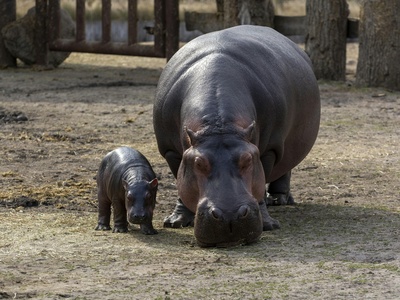
Hippopotamus
Massive semi-aquatic mammal, 1,500–3,200 kg, about 3–5 m long; barrel-shaped body, large mouth with tusks. Often seen at dusk in rivers and lakes; key ecosystem engineer and vulnerable to hunting and habitat loss.
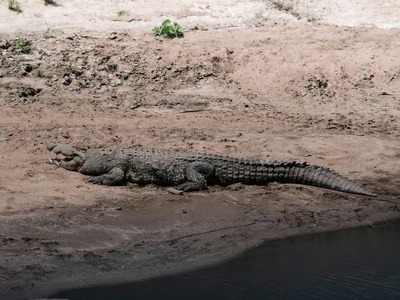
Nile crocodile
Large freshwater predator, up to 4–5 m (often smaller locally). Heavy-bodied, rough scales and powerful tail. Ambush hunter in rivers and lakes; commonly sighted sunning on banks and important for aquatic food webs.
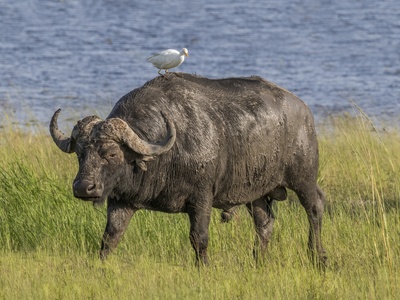
African buffalo
Robust herd-forming bovine, 600–900 kg and 150–275 cm at shoulder. Dark, heavyset with curved horns across adults. Seen in grasslands and floodplains; wary and potentially dangerous, conservation concern from hunting.
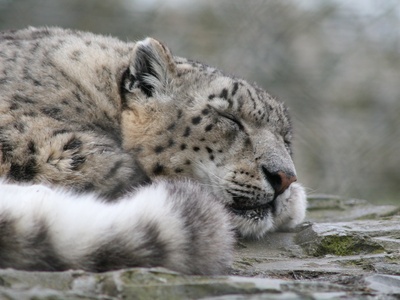
Leopard
Medium-large spotted cat, 30–90 kg and 60–100 cm shoulder height. Rosette-pattern coat and powerful build. Solitary, nocturnal ambush predator that uses trees and rocky outcrops; cryptic but present in forested areas.
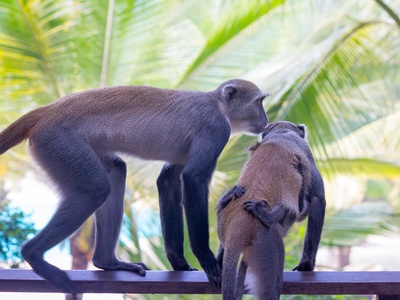
Vervet monkey
Gray-green monkey, 3–7 kg and 40–60 cm body length. Black face with white fringe, agile in trees. Common and habituated near villages; known for vocal alarm calls and opportunistic feeding.
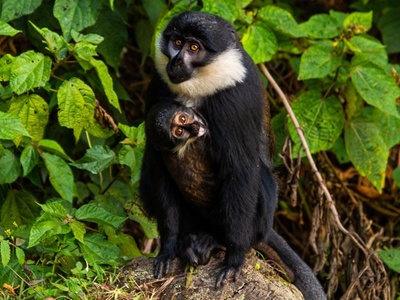
L’Hoest’s monkey
Stocky forest guenon, 6–8 kg and about 50–60 cm long. Dark face with white beard and chest patch. Lives in small groups in montane forest; prized for forest biodiversity interest and conservation concern.
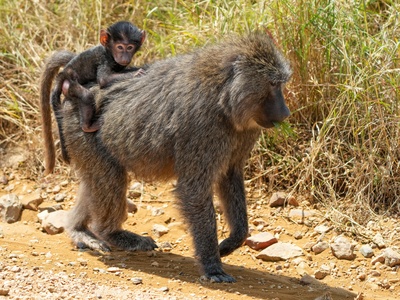
Olive baboon
Large terrestrial primate, 14–30 kg and 50–90 cm body length. Dog-like face and strong social troops. Often seen near farms and savanna; adaptable omnivore and conspicuous during daylight.
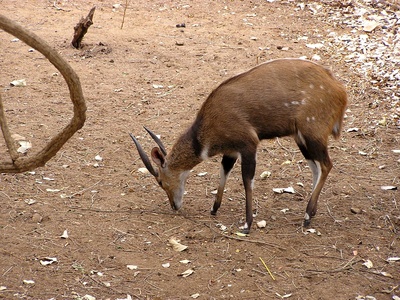
Bushbuck
Medium antelope, 40–80 kg and 90–110 cm at shoulder. Reddish-brown with faint white spots and a slight crest. Solitary or paired, they prefer dense cover and are common but secretive.
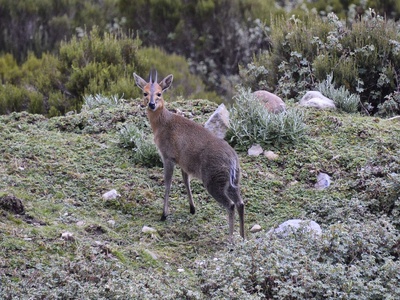
Common duiker
Small compact antelope, 12–18 kg and 50–65 cm shoulder height. Slender snout and short legs. Shy, crepuscular browser often seen alone; quick and able to take shelter in dense vegetation.
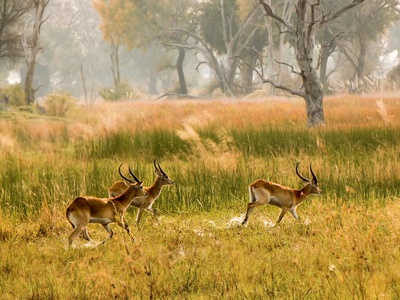
Impala
Graceful medium antelope, 40–60 kg and 75–95 cm shoulder height. Reddish coat with lyre-shaped horns on males. Highly alert and gregarious, common in open woodlands.
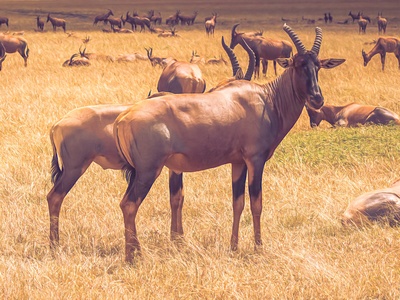
Hartebeest (Topi-like populations)
Large grazing antelope, 100–150 kg and 110–130 cm shoulder height. Long face, slender legs and curved horns. Occurs in open grasslands; herding species that migrates locally with seasons.
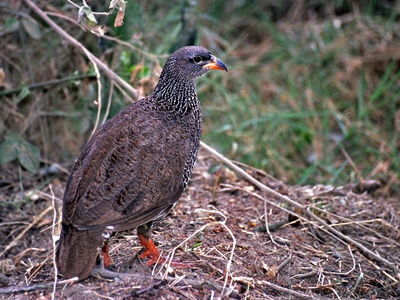
Hildebrandt’s francolin
Stocky gamebird, 25–35 cm long with barred brown plumage and short tail. Ground-dwelling and often heard before seen; common in scrubby grasslands and farmland edges.
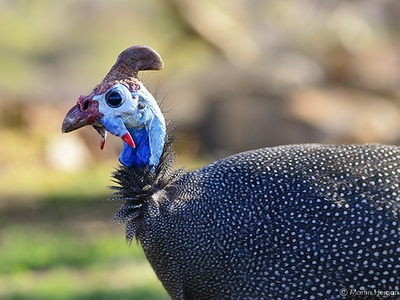
Helmeted guineafowl
Plump ground bird, 45–60 cm long with dark spotted plumage and helmeted head. Social flocks forage on insects and seeds; common and conspicuous across open habitats.
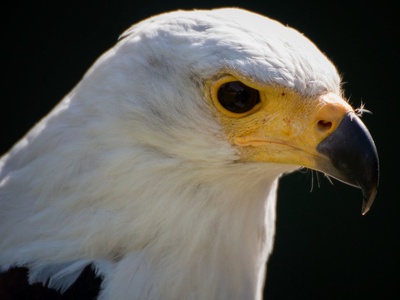
African fish eagle
Large raptor, 63–75 cm length with white head and chest and dark body. Piercing call and often perched near water catching fish with strong talons; iconic lakeside bird.
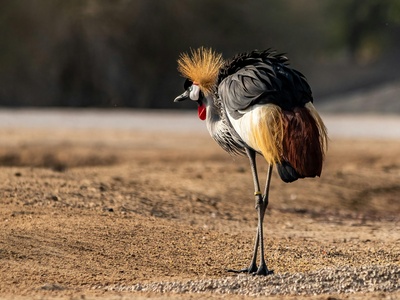
Grey crowned crane
Elegant crane, 105–115 cm tall with golden head plume and grey body. Walks slowly in marshes feeding on insects and plants; culturally significant and endangered by wetland loss.
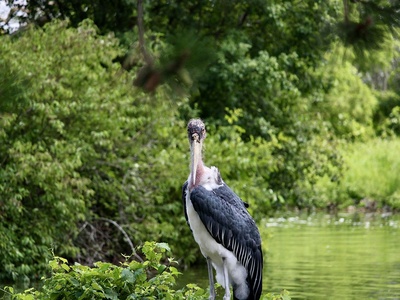
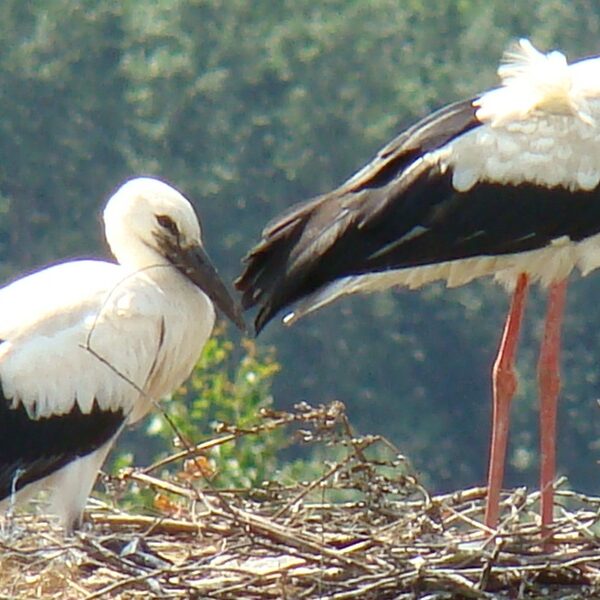
Marabou stork
Large scavenging stork, 120–150 cm tall with a bare head and neck pouch. Feeds on carrion and fish; often seen near water or urban rubbish sites, very distinctive silhouette.
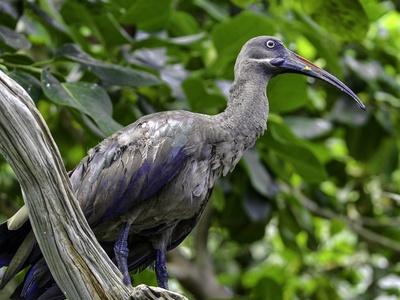
Hadada ibis
Large dove-sized ibis, 55–65 cm long with brown plumage and loud “haa-haa-haa” call. Probes mud for worms and insects; commonly heard and seen in moist habitats and parks.
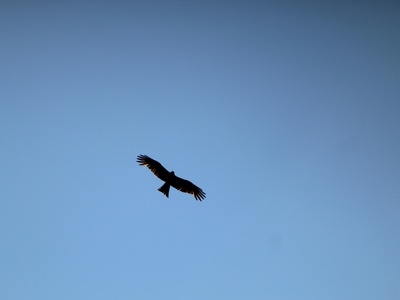
Black kite
Medium raptor, 50–60 cm length with forked tail and brown plumage. A scavenger and opportunist often seen soaring over towns and water bodies, very widespread and adaptable.
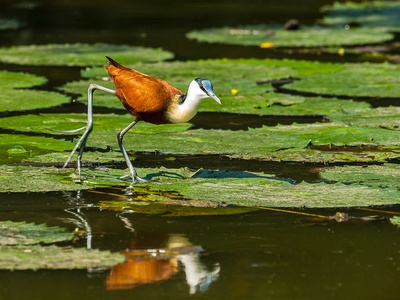
African jacana
Slender-legged wader, 20–28 cm long with very long toes for walking on floating vegetation. Often seen on pads of water plants; bright flight and characteristic foraging on lakes.

Neolamprologus brichardi (Brichard’s cichlid)
Small social cichlid, 8–11 cm. Slender, light body with translucent fins and black markings. Forms colonies on rocky reefs and is famous for complex social and breeding behaviors.
Neolamprologus leleupi (Golden cichlid)
Bright yellow cichlid, 7–10 cm. Elongated body and territorial behavior among rocks. Popular with divers and aquarists, it maintains colorful local populations along Burundi’s lake coast.
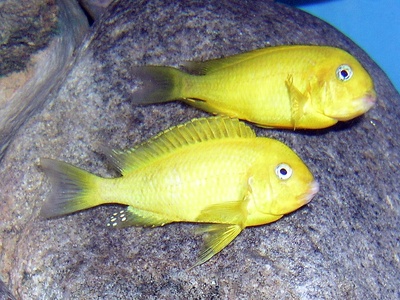
Tropheus moorii
Stocky, often 12–18 cm cichlid with varied local color forms. Algae grazer that forms tight groups on rocks; endemic to Lake Tanganyika and a favorite for snorkelers and fish enthusiasts.
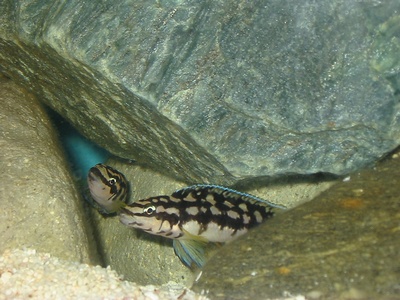
Julidochromis marlieri
Elongated rock-dwelling cichlid, 8–12 cm, with striped pattern. Territorial pairs maintain rock crevices; common in Tanganyika’s shallow rocky zones near Burundi.
Lates stappersii (Tanganyika lates)
Pelagic predatory fish, 40–70 cm. Slender, silvery body and powerful swimmer feeding on zooplankton and small fish. Important in local fisheries and visible to anglers.
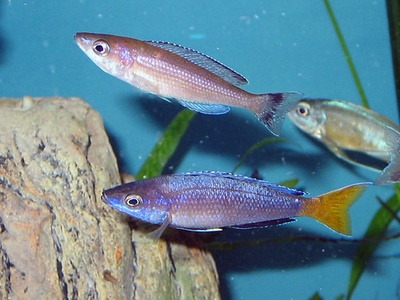
Cyprichromis leptosoma
Streamlined schooling cichlid, 8–12 cm, silver with blue hues. Swims in midwater columns over slopes; common in clear Tanganyika waters and attractive to divers.
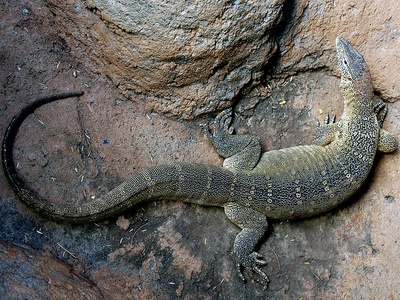
Nile monitor
Large semi-aquatic lizard, 1–1.5 m total length. Dark patterned skin and powerful limbs; an opportunistic predator feeding on fish, crustaceans and eggs near water.

African rock python
Large constrictor, commonly 2–4 m (can be longer). Heavy-bodied with patterned brown and gold scales. Ambush predator feeding on mammals and birds; secretive but present in suitable habitats.
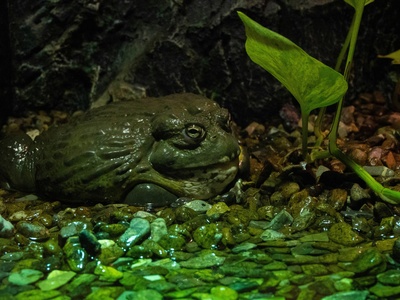
African bullfrog
Large burrowing frog, males up to 20 cm and heavy-bodied. Inflates throat while calling; aestivates in dry season and emerges to breed explosively after rains.
Hyperolius viridiflavus (Variable reed frog)
Small tree frog, 2–4 cm. Bright green/yellow patterns with adhesive toe pads. Common and vocal at night; a widespread reed frog in wetlands and forest margins.
Danaus chrysippus (African monarch)
Medium butterfly, wingspan 7–8 cm with orange, white and black pattern. Known for migrating and feeding on milkweed toxins, common and easy to spot in many habitats.
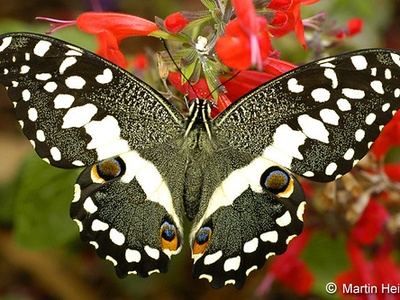
Papilio demodocus (Citrus swallowtail)
Large swallowtail butterfly, wingspan 10–12 cm with black, white and yellow markings. Caterpillars feed on citrus and rutaceae plants; frequent and showy in cultivated areas.