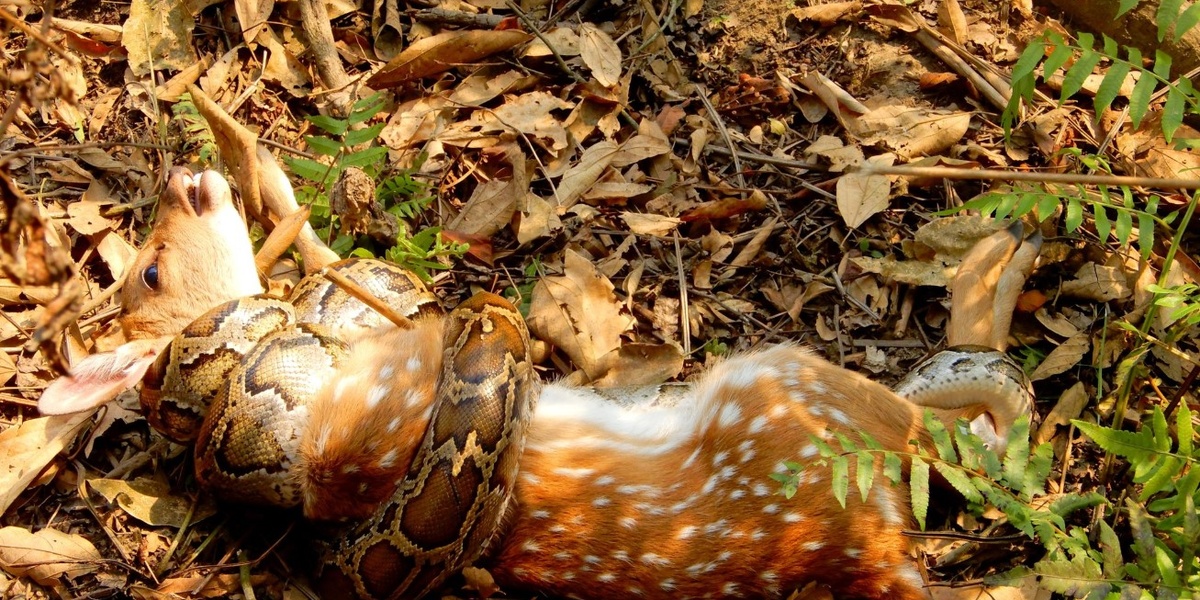
Some pythons, like the reticulated python, can exceed 6 meters (about 20 feet) and routinely swallow prey much larger than a human head, a surprising capability that speaks to their unique anatomy and lifestyle. That single fact matters: these snakes help control rodent populations, sometimes become controversial in the pet trade, and can cause serious ecological disruption when introduced outside their native ranges. This piece lays out the 10 core characteristics of a python so you can see how anatomy, senses, behavior, and life history combine to make them efficient ambush predators and impactful members of many ecosystems.
Physical anatomy and form
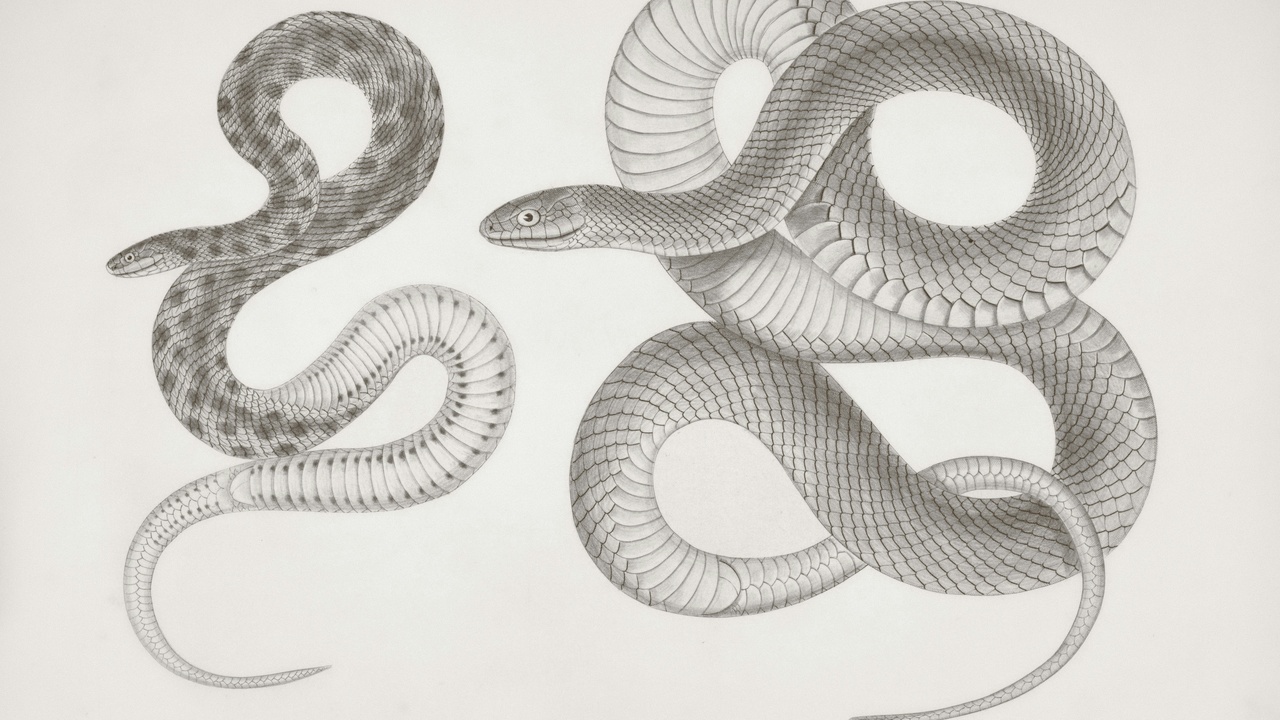
Body shape and scalation are tightly linked to function in pythons: a long, muscular trunk powers locomotion and constriction, while patterns and scale texture aid concealment and movement through varied habitats. From the reticulated python’s maze-like pattern to the Burmese python’s blotches, external form reveals ecological roles and species identity. Below are three key anatomical features that let pythons move, seize, and digest prey others can’t.
1. Large size and muscular build
Many python species rank among the world’s largest snakes and depend on brute muscle for both movement and killing. Adults of Malayopython reticulatus commonly range from about 3 to 6 m (10–20 ft), with exceptional verified specimens exceeding 6 m. Burmese pythons (Python bivittatus) are shorter on average but much bulkier, with large adults weighing 45–90 kg (100–200 lb) in field and captive records.
That musculature powers concertina and lateral-undulation locomotion and generates the constriction pressure that incapacitates prey. Large-bodied individuals can take medium ungulates, pigs, or monitor lizards, and museum records and field reports document whole-prey ingestion of deer and domestic livestock. In places where they’re top predators, their size lets them fill an apex or near-apex niche.
2. Scales, patterning, and camouflage
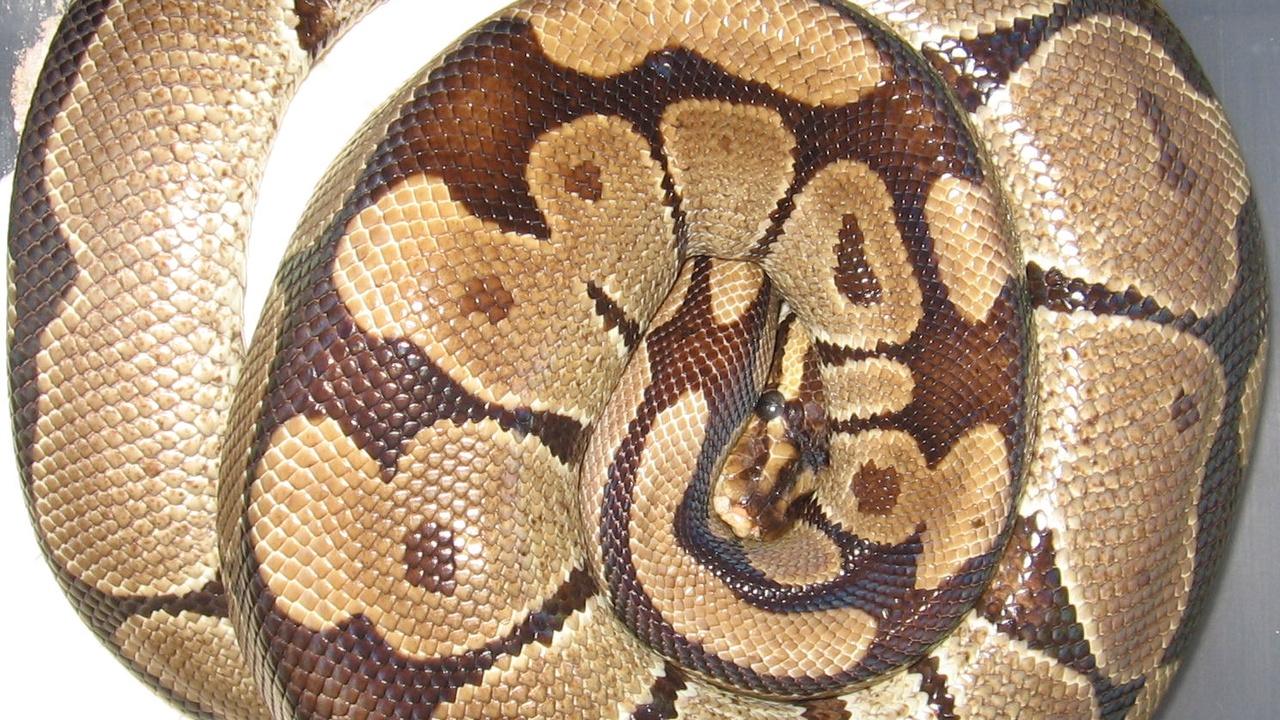
Scale texture, color, and patterning vary by species and habitat to break up the snake’s outline. Patterns range from the reticulated network of Malayopython reticulatus to large blotches on Python bivittatus and banding on some African species.
These patterns provide cryptic camouflage on the forest floor, among leaf litter, or in marsh vegetation, making ambush attacks more effective and reducing detection by predators and humans. Scalation also aids water movement in semi-aquatic species and provides abrasion resistance when snakes move over rough terrain.
3. Flexible skull and jaw structure
Pythons have highly kinetic skulls with a mobile quadrate bone and loosely connected lower jaws, so they can stretch their mouth around prey much wider than their own head. Elastic ligaments and widely spaced mandibular bones let them “walk” their jaws over a carcass in a slow, coordinated progression.
That ability to consume whole prey reduces feeding frequency—digestion of a large mammal can take several weeks—and allows pythons to capitalize on large, energy-rich meals when they’re available. Field reports include pythons swallowing pigs, deer fawns, and adult mesopredators; labile skull anatomy makes those feats possible.
Hunting strategy, diet, and energetic ecology
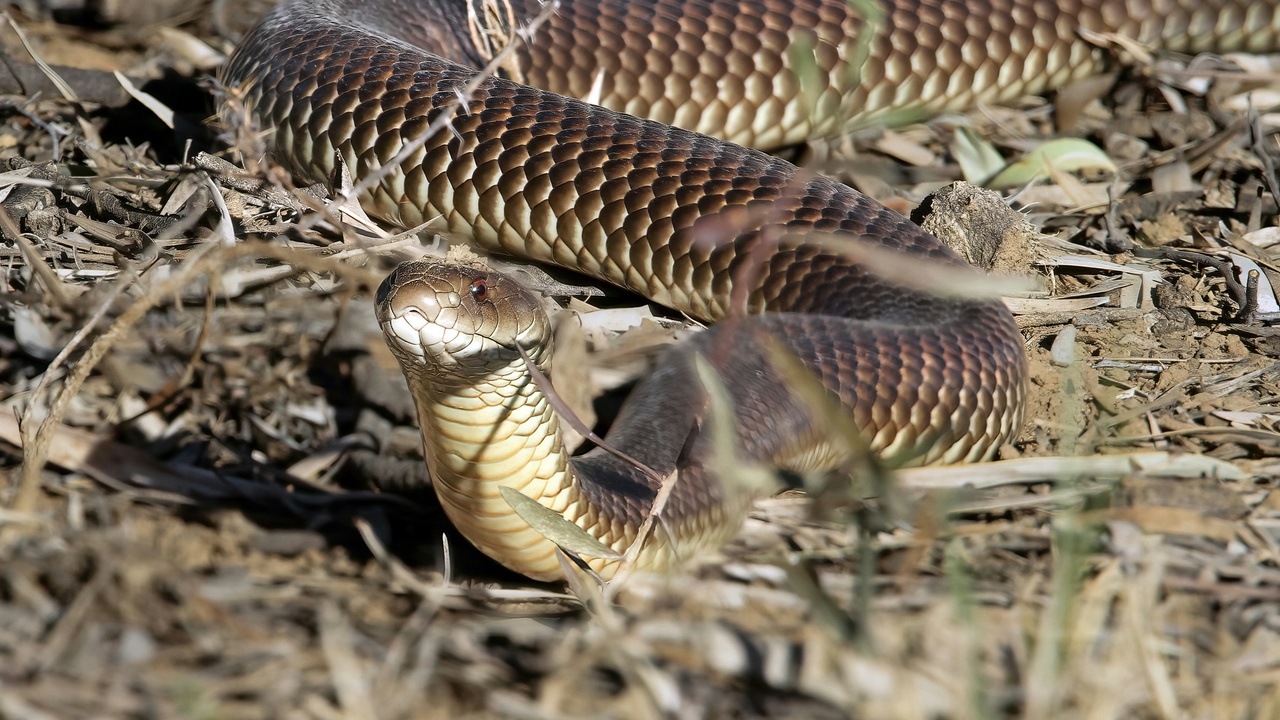
Pythons are classic ambush predators that combine concealment, a strong strike, and constriction with an economy of energy: they feed infrequently but take relatively large prey. Diet breadth, from rodents to small ungulates, ties directly to body size and habitat, and their low metabolic rate lets them go weeks to months between meals.
4. Ambush predation and constriction
Ambush predation means waiting concealed, then striking with speed and precision. A typical sequence is a rapid strike to seize with recurved teeth, immediate coiling, and sustained constriction that impairs breathing and blood flow rather than crushing bones.
Experimental studies show constriction can render small mammals unconscious in seconds to minutes depending on size, and pythons often hunt at night when thermal and chemical senses give them an edge. Because they don’t chase prey long distances, their success pivots on stealth and a powerful coil.
5. Diet breadth and ecological role
Pythons eat a wide range of animals depending on species and size. Small species feed mainly on rodents and birds, while large species take mammals, ground-dwelling birds, and sometimes other reptiles. Everglades studies of Burmese pythons document stomach contents including raccoons, rabbits, and marsh birds.
In native ranges they help control rodent populations and shape prey behavior. When introduced—most famously Python bivittatus in southern Florida—these snakes can cause sharp declines in native mammals and disrupt food webs, illustrating strong top-down effects when an adaptable ambush predator enters a new system.
6. Energy economy and fasting ability
Pythons eat large, infrequent meals and switch to a low metabolic state between feeds. Digestion time varies with meal size and temperature: a large mammal may take several weeks to digest, while small meals process in days.
They can survive months without food, which helps during seasonal scarcity or after a big meal. This trait matters for captive care—adult pythons are often fed every few weeks to months—and for field resilience when populations face temporary food shortages.
Sensory systems and physiology
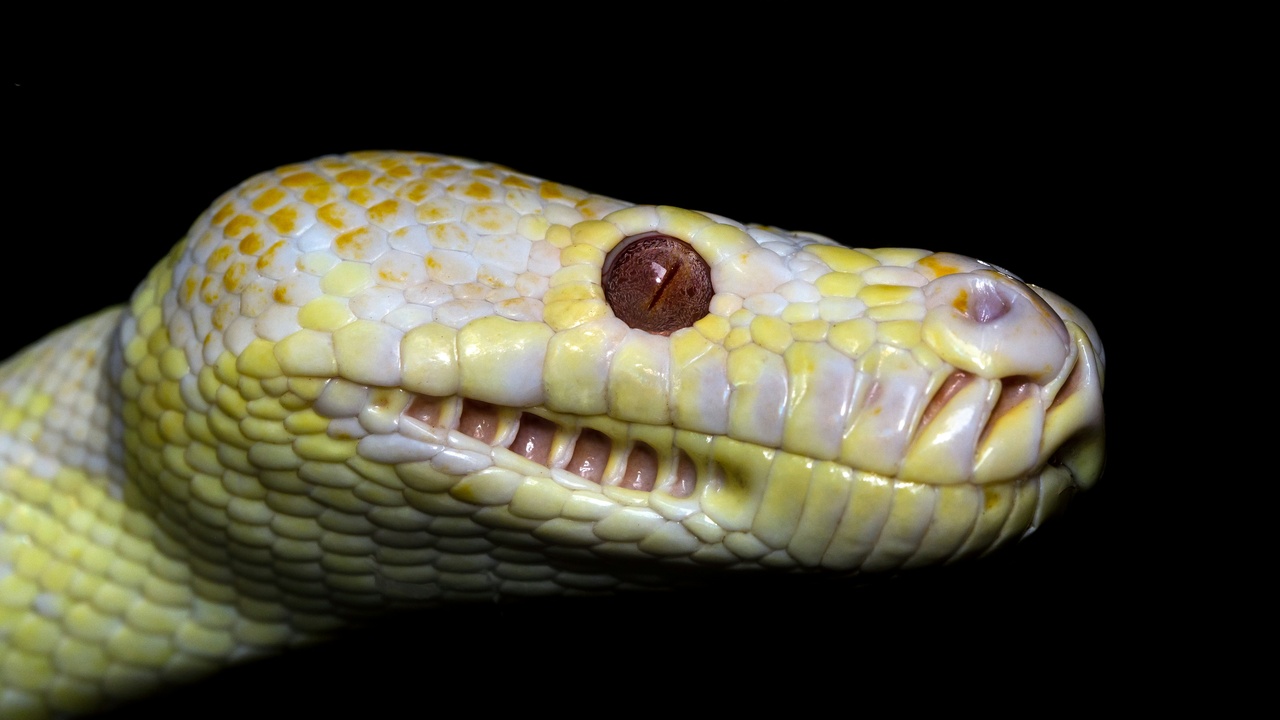
Pythons sense the world with a suite of tools tuned for nocturnal ambush hunting: labial heat-sensing pits pick up infrared cues, the tongue and Jacobson’s organ sample chemical signals, and vision is often adapted for low-light detection. These systems work together to locate and identify warm-blooded prey.
7. Heat-sensing pits (infrared detection)
Many pythons have labial pits—small, specialized organs along the upper and lower jaws—that detect infrared radiation from warm objects. Depending on the species, individuals may carry dozens of pits arrayed along the lips, and anatomical studies describe highly vascularized membranes that transduce thermal gradients into neural signals.
Behavioral experiments show pythons can localize and strike at heat-emitting targets in low light, letting them target endothermic prey at night or in dense cover. Species like the Burmese python have well-developed pits that contribute substantially to hunting accuracy.
8. Chemosensory and visual perception
Pythons use tongue-flicking to collect airborne and substrate-borne chemical cues, delivering molecules to the vomeronasal (Jacobson’s) organ for analysis. Tongue-flick rates rise during tracking, courtship, and when assessing potential prey, helping snakes discriminate individuals and food types.
Vision in many python species is adapted for dim-light hunting; camera-trap records and nocturnal observations document activity peaks at dusk and night. Together, chemical, thermal, and visual senses allow precise strikes even when visual detail is limited.
Reproduction, life history, and human interactions
Pythons reproduce by laying eggs, and many species show active maternal care; humans interact with pythons as pet owners, harvesters, and managers of invasive populations. Those interactions shape conservation needs, trade regulations, and on-the-ground removal programs.
9. Oviparity and maternal brooding
Most pythons are oviparous: females lay clutches that often number in the tens. Typical clutch sizes range from about 12 to 100 eggs depending on species and female size, with many large species averaging a few dozen eggs per reproductive event.
Females commonly coil around their eggs to protect them and regulate temperature. Some species exhibit shivering thermogenesis—small muscular contractions—to raise incubation temperature by a few degrees. Incubation lasts several weeks, and hatchlings emerge fully formed and independent.
10. Human interactions, the pet trade, and conservation
Pythons have complex relationships with people. Ball pythons (Python regius) are among the most popular pet snakes and have robust captive-breeding programs, while larger species are kept less commonly and require specialized care. Some populations are harvested for skins and meat, and trade is regulated for several species under CITES.
Conversely, Python bivittatus in the Florida Everglades illustrates the damage invasive pythons can cause; field studies estimated tens of thousands of breeding individuals at peak invasion assessments and documented steep declines in native medium-sized mammals. Management now includes organized removal programs, public reporting, and research into control methods.
Responsible ownership means meeting space, thermal, and feeding needs, sourcing animals from reputable breeders, and never releasing pets into the wild. Conservation actions focus on habitat protection, trade enforcement, and rapid response to new invasions.
Summary
- Large, muscular bodies and kinetic skulls let pythons subdue and swallow large prey whole, reducing feeding frequency.
- Scales and patterns provide effective camouflage for ambush hunting; labial pits and keen chemosensory systems help them find warm-blooded prey at night.
- Female brooding behavior, clutch sizes from ~12–100 eggs, and long digestion intervals are key life-history traits that affect survival and captive care.
- Human connections are double-edged: ball pythons support captive-breeding and education, while invasive Burmese pythons in the Everglades have caused substantial declines in native mammals.
- Learn the characteristics of a python before interacting with or owning one: support habitat protection, follow responsible pet‑care practices, and report nonnative sightings to local wildlife authorities.