Desert landscapes look empty at a glance, but they hold a surprising variety of life adapted to heat, scarce water and wide temperature swings. Plants, insects, reptiles and mammals each use different tricks — hiding in shade, shifting activity to night, or getting moisture from food — to survive where conditions are harsh.
There are 33 Common Desert Animals, ranging from the Bark scorpion to the Western diamondback rattlesnake. For each species, you’ll find below Scientific name,Range,Size (cm) / weight (kg) so you can quickly compare where they live and how big they get.
How do desert animals stay cool and hydrated?
Many rely on behavior and physiology: being nocturnal or crepuscular avoids daytime heat, burrowing or using shade reduces exposure, and efficient kidneys or metabolic water from food limit water loss. Look for notes in the list about typical activity times and habitats to see which strategies each species uses.
Which species should people watch out for in deserts?
Venomous animals like some scorpions and rattlesnakes (including Bark scorpion and Western diamondback rattlesnake) are the main risk; bites or stings are uncommon if you give wildlife space. Wear sturdy boots, avoid placing hands where you can’t see, and seek prompt medical care for any suspected envenomation.
Common Desert Animals
| Common name | Scientific name | Range | Size (cm) / weight (kg) |
|---|---|---|---|
| Fennec fox | Vulpes zerda | Sahara and Arabian Peninsula | 35 cm / 1.5 kg |
| Merriam’s kangaroo rat | Dipodomys merriami | Sonoran and Mojave Deserts | 20 cm / 0.07 kg |
| Black-tailed jackrabbit | Lepus californicus | Mojave, Sonoran and Chihuahuan Deserts | 65 cm / 3 kg |
| Desert bighorn sheep | Ovis canadensis | Mojave and Sonoran Deserts and Great Basin | 150 cm / 70 kg |
| Coyote | Canis latrans | Widespread North American deserts (Mojave, Sonoran) | 80 cm / 13 kg |
| Meerkat | Suricata suricatta | Kalahari and Namib Deserts | 25 cm / 0.9 kg |
| Lesser Egyptian jerboa | Jaculus jaculus | Sahara and Arabian Peninsula | 12 cm / 0.05 kg |
| Greater roadrunner | Geococcyx californianus | Sonoran, Mojave and Chihuahuan Deserts | 52 cm / 0.5 kg |
| Burrowing owl | Athene cunicularia | Sonoran and Chihuahuan Deserts | 23 cm / 0.18 kg |
| Gila monster | Heloderma suspectum | Sonoran and Chihuahuan Deserts | 50 cm / 1 kg |
| Desert tortoise | Gopherus agassizii | Mojave and Sonoran Deserts | 30 cm / 4.5 kg |
| Thorny devil | Moloch horridus | Central Australian deserts | 20 cm / 0.10 kg |
| Sidewinder rattlesnake | Crotalus cerastes | Mojave and Sonoran Deserts | 70 cm / 1.2 kg |
| Saharan horned viper | Cerastes cerastes | Sahara and Arabian deserts | 60 cm / 0.6 kg |
| Bearded dragon | Pogona vitticeps | Australian arid interior | 50 cm / 0.4 kg |
| Bark scorpion | Centruroides sculpturatus | Sonoran and Chihuahuan Deserts | 7 cm / 0.01 kg |
| Fog-basking beetle | Stenocara gracilipes | Namib Desert | 2 cm / 0.00 kg |
| Desert monitor | Varanus griseus | Sahara, Arabian and Central Asian deserts | 120 cm / 8 kg |
| Gemsbok (oryx) | Oryx gazella | Kalahari and Namib Deserts | 220 cm / 180 kg |
| Springbok | Antidorcas marsupialis | Kalahari Desert and Namib | 90 cm / 35 kg |
| Red kangaroo | Osphranter rufus | Australian arid interior and Outback | 160 cm / 85 kg |
| Emu | Dromaius novaehollandiae | Australian semi-arid interior and deserts | 170 cm / 45 kg |
| Namaqua chameleon | Chamaeleo namaquensis | Namib Desert and arid Namibia | 25 cm / 0.10 kg |
| Cactus wren | Campylorhynchus brunneicapillus | Sonoran Desert | 20 cm / 0.06 kg |
| Ringtail | Bassariscus astutus | Sonoran and Mojave Deserts | 60 cm / 1.4 kg |
| Warthog | Phacochoerus africanus | Kalahari Desert | 130 cm / 100 kg |
| Common ostrich | Struthio camelus | Namib and Kalahari Deserts | 250 cm / 90 kg |
| Chestnut-bellied sandgrouse | Pterocles exustus | Sahara, Sahel and Arabian deserts | 28 cm / 0.18 kg |
| Kit fox | Vulpes macrotis | Mojave and Sonoran Deserts | 50 cm / 1.5 kg |
| Western diamondback rattlesnake | Crotalus atrox | Chihuahuan and Sonoran Deserts | 120 cm / 2.5 kg |
| Saharan silver ant | Cataglyphis bombycina | Sahara Desert | 1 cm / 0.00 kg |
| Long-eared hedgehog | Hemiechinus auritus | Central Asian deserts (Gobi, Karakum) | 20 cm / 0.5 kg |
| Lappet-faced vulture | Torgos tracheliotos | Kalahari and Namib Deserts | 110 cm / 7 kg |
Images and Descriptions
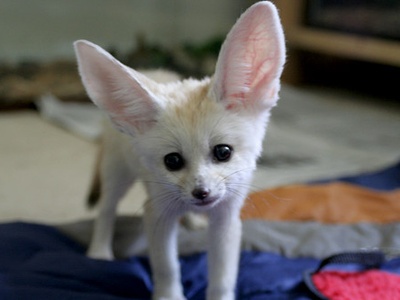
Fennec fox
Tiny nocturnal fox with enormous ears that disperse heat and detect prey. Lives in sandy dunes and scrub across North African and Arabian deserts. About 35 cm long, 1.5 kg, omnivorous and commonly seen near oases or at night.
Merriam’s kangaroo rat
Small nocturnal rodent that hops on long hind legs and stores seeds in cheek pouches. Lives in arid scrub and sandy flats of North American deserts, survives with minimal water, and is a classic desert seed disperser.
Black-tailed jackrabbit
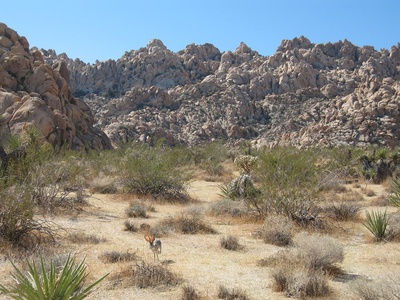
Large hare with long ears and powerful legs for fast bursts and heat dissipation. Found in open desert scrub of southwestern North America, commonly seen at dawn and dusk feeding on grasses and cacti, able to outrun many predators.
Desert bighorn sheep
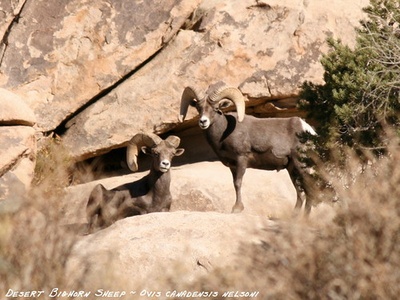
Stocky mountain-adapted sheep that navigates cliffs and rocky desert ranges to find sparse vegetation. Desert bighorns conserve water, survive on seasonal plants, and are prized sights in canyons and rugged landscapes across western North American deserts.
Coyote
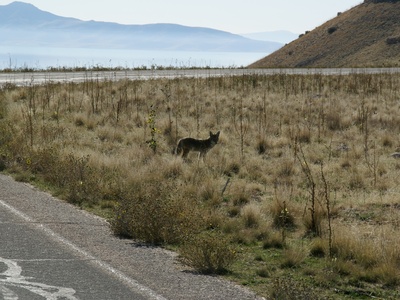
Adaptable small canid commonly seen in deserts across North America. Omnivorous and clever, coyotes hunt rodents, rabbits and scavenge; they tolerate human-altered landscapes and are active dawn to night, sometimes bold near camps or roads.
Meerkat
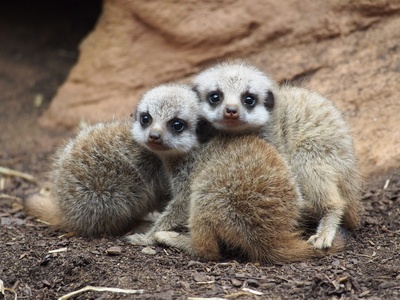
Social mongoose famous for upright sentry behavior, living in family groups that dig burrows in sandy soils. Meerkats forage for insects and small vertebrates, use cooperative care, and are a charismatic, visitor-visible icon of southern African deserts.
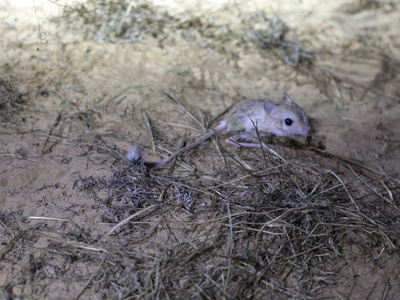
Lesser Egyptian jerboa
Small nocturnal hopping rodent with long hind legs and a tufted tail, adapted for saltatory locomotion. Found on sandy dunes and stony deserts, it avoids daytime heat by burrowing and feeds on seeds and insects.
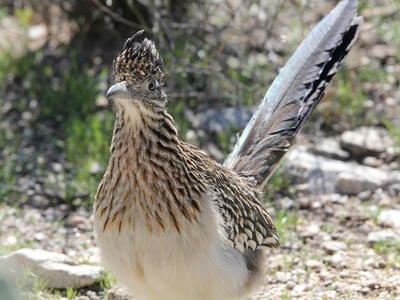
Greater roadrunner
Ground-dwelling bird that runs quickly to catch insects, lizards and snakes. Roadrunners inhabit open desert scrub and washes, are both striking and shy, and are often spotted along roads and rocky areas in the American Southwest.
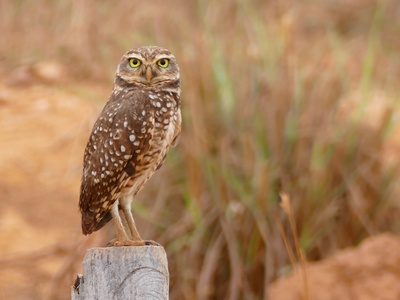
Burrowing owl
Small daytime-active owl that nests in ground burrows often dug by mammals. Found in open desert grasslands and flats, burrowing owls eat insects and small rodents and are commonly seen standing on fence posts or low mounds.
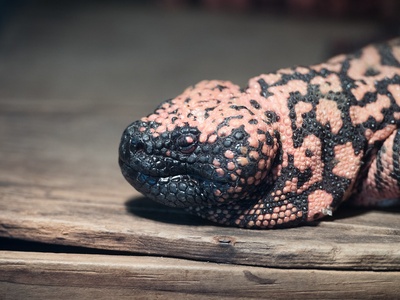
Gila monster
One of few venomous lizards, slow-moving and stout with bead-like skin. Gila monsters live in rocky and scrubby deserts, eat eggs and small animals, spend much time underground, and are unmistakable but relatively rare to spot.
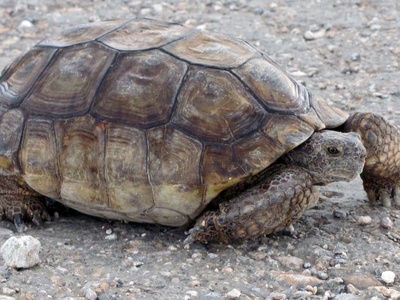
Desert tortoise
A slow-moving herbivore that digs extensive burrows to escape heat and drought. Desert tortoises graze on seasonal plants, can live decades, and are a conservation-sensitive symbol of North American deserts often protected in parks.
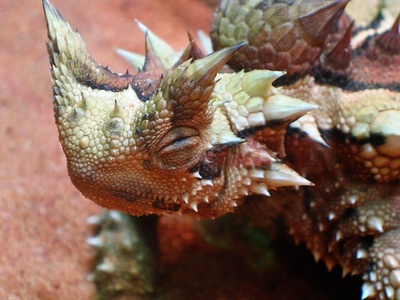
Thorny devil
Spiny, slow-moving lizard that collects moisture through skin channels and feeds mainly on ants. Thorny devils inhabit sandy, arid landscapes across Australia, display brilliant camouflage, and are a popular natural curiosity for desert visitors.
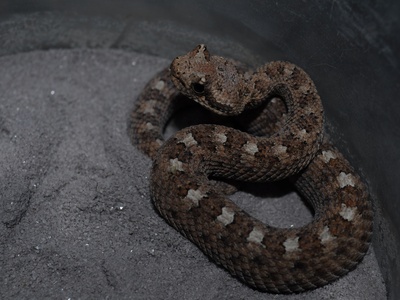
Sidewinder rattlesnake
Heat-adapted viper that moves sideways to minimize hot sand contact, using sidewinding locomotion. Common on sandy slopes and flats, sidewinders ambush rodents, have potent venom, and are small but dangerous visually distinctive snakes.
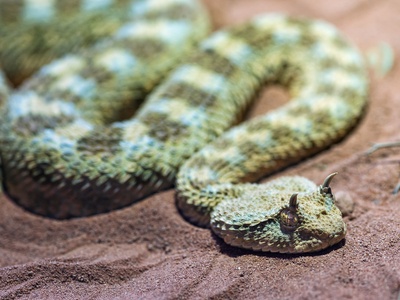
Saharan horned viper
Sand-dwelling viper with horn-like scales above the eyes, often burying itself to ambush prey. Found in sandy parts of North Africa and the Arabian Peninsula, it is well camouflaged and typically inactive during the hottest daytime hours.
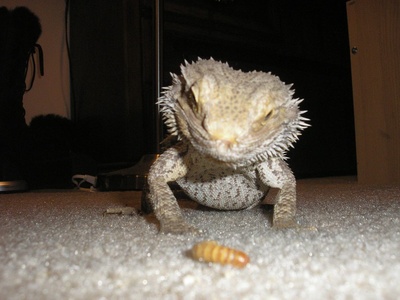
Bearded dragon
Stocky, sun-loving lizard common near shrubs and rocky outcrops in Australian deserts. Bearded dragons bask to regulate temperature, eat insects and plants, and display flattened bodies and throat “beards” when threatened or during social interactions.
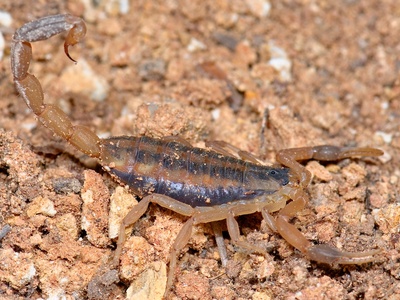
Bark scorpion
Small, nocturnal scorpion that hides in crevices and is the most medically significant scorpion in North American deserts. Agile climber, stings are painful and sometimes serious, but fatalities are rare with treatment.
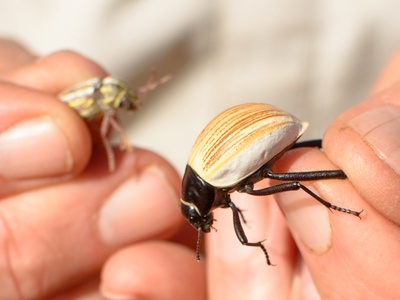
Fog-basking beetle
Unique beetle that harvests fog on specially textured elytra, tilting to funnel water to its mouth. Found on Namib dunes, these beetles are key examples of fog-dependent desert life and a classic adaptation of arid coastal deserts.
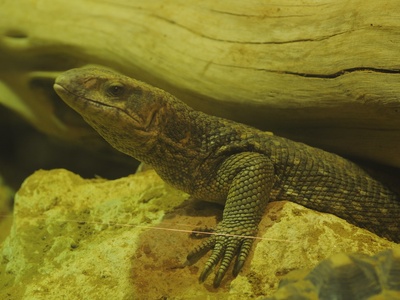
Desert monitor
Large agile lizard that actively hunts rodents, eggs and reptiles across arid landscapes. Desert monitors use burrows and rocky crevices, tolerate extreme heat, and are widespread across Old World deserts from North Africa to Central Asia.
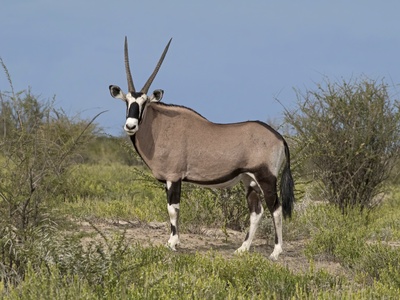
Gemsbok (oryx)
Large, long-horned antelope that tolerates arid plains and gravel pans, obtaining water from plants and specialized metabolism. Gemsbok are iconic in southern African deserts, often seen grazing at dawn and dusk in herds.
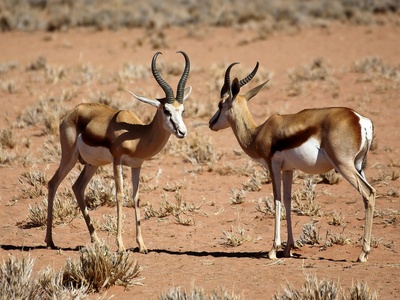
Springbok
Graceful antelope noted for high “pronking” leaps, living on sparse grasses and shrubs. Springbok are common and gregarious in southern African deserts, conserve water efficiently, and are a familiar sight on open sandy plains.
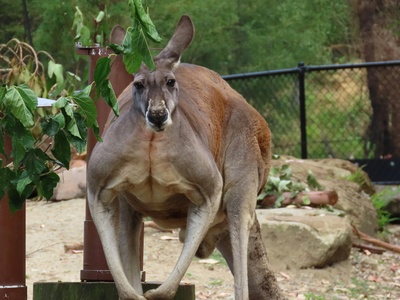
Red kangaroo
The largest marsupial, built for hopping long distances across hot, open plains. Red kangaroos browse grasses and shrubs, conserve water with efficient kidneys, and are highly visible icon species across Australia’s desert interior.
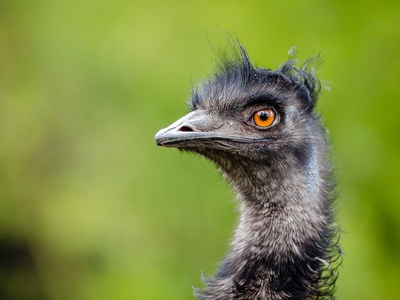
Emu
Large flightless bird roaming open deserts and savannas, eminent for long-distance running and distinctive booming calls. Emus feed on plants and insects, can travel far for water, and are commonly encountered in arid Australia.
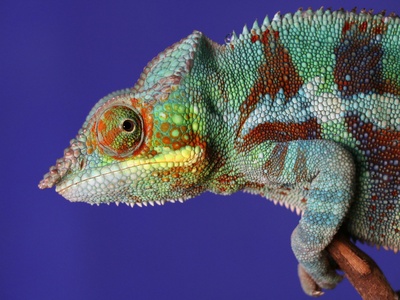
Namaqua chameleon
A chameleon adapted to rocky desert flats and coastal fog zones, it changes color subtly for temperature and camouflage. Namaqua chameleons eat insects, are mostly ground-dwelling, and use daytime basking to regulate body heat.
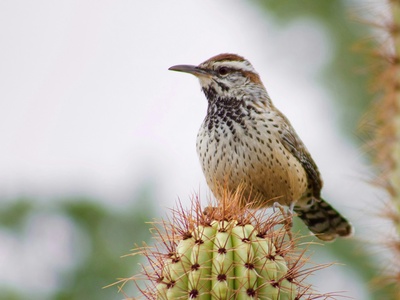
Cactus wren
Loud, streaked bird that nests in spiny cacti and thorny shrubs, well adapted to hot desert yards and washes. Cactus wrens feed on insects and seeds, are territorial, and are one of the most common birds in the Sonoran Desert.
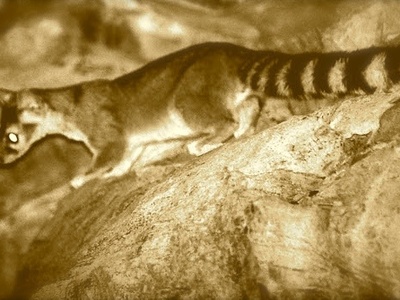
Ringtail
Nocturnal, agile omnivore with a long bushy ringed tail, often seen near rocky canyons. Ringtails hunt rodents, birds and insects, climb well, and are frequently spotted around desert ruins and riparian corridors by observant visitors.
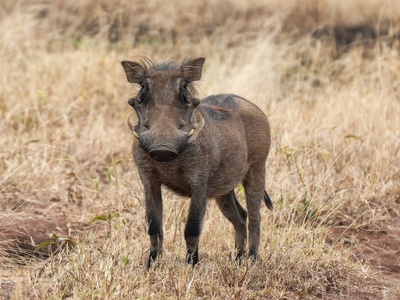
Warthog
Robust wild pig with facial tusks and coarse hair, warthogs graze and root in semi-arid savanna and Kalahari margins. They dig burrows for shade, wallow in dust to cool off, and are commonly seen in herds at waterholes.
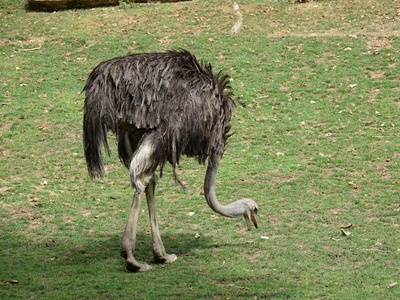
Common ostrich
World’s largest bird, adapted to open arid plains with powerful legs for running and kicking. Ostriches feed on plants and small animals, can endure long periods without water, and are especially visible across southern African deserts.
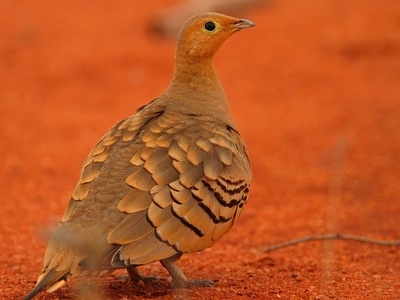
Chestnut-bellied sandgrouse
Ground-dwelling bird that flies long distances to water, males soak belly feathers to carry water to chicks. Sandgrouse inhabit arid plains and rocky deserts and are often seen in flocks near scarce water sources at dawn or dusk.
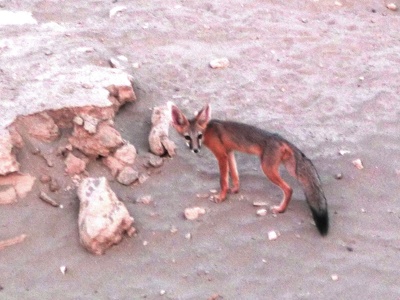
Kit fox
Small, nocturnal fox with large ears and slender build, the kit fox favors desert scrub and sandy soils. It feeds on rodents and insects, uses burrows to escape heat, and is common in southwestern U.S. deserts.
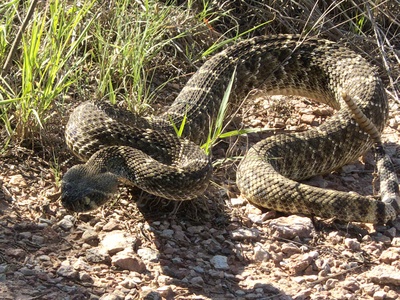
Western diamondback rattlesnake
Large, heavy-bodied pit viper common in many North American deserts, ambushing rodents along brushy slopes. Its rattle warns hikers; bites can be serious, so most people respect and avoid these efficient predators.
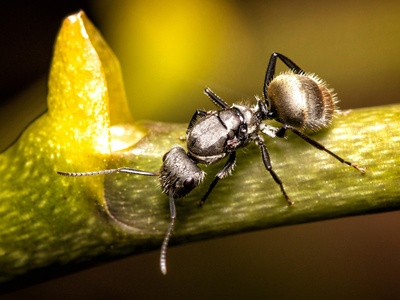
Saharan silver ant
Tiny heat-tolerant ant that forages at scorching midday temperatures to avoid predators, using reflective hairs and rapid sprinting. Saharan silver ants navigate by the sun and are exceptional examples of extreme-temperature foraging strategies in deserts.
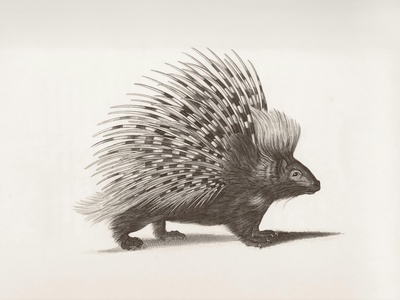
Long-eared hedgehog
Small, nocturnal insectivore with long ears that radiate heat, common in stony deserts of Central Asia. Long-eared hedgehogs dig burrows, feed on insects and small vertebrates, and are often seen near oases and cultivated plots.
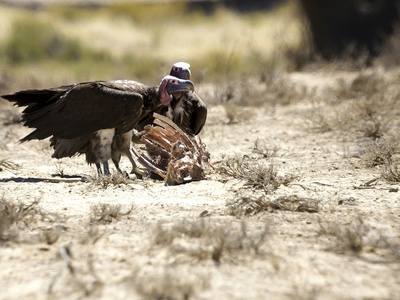
Lappet-faced vulture
Large scavenging raptor with bare facial skin and a powerful beak adapted to tear tough carcasses. Lappet-faced vultures patrol arid plains and dunes, relying on updrafts and carrion availability; they are occasional but notable desert birds.