Belize’s mix of rainforest, cayes and mangroves supports a wide range of wildlife — from tiny insects to large predators — which is part of what makes exploring the country so interesting and worth preparing for. Knowing which species can pose a threat helps you enjoy nature safely and confidently.
There are 29 Dangerous Animals in Belize, ranging from Africanized honey bee to Vampire bat. For each entry the list includes columns Scientific name,Danger level,Typical habitat to help you assess where and how risks occur; you’ll find below.
Which animals in Belize are most likely to cause harm to people?
The greatest day-to-day risks come from stinging insects (notably Africanized honey bees), venomous snakes, crocodiles in rivers and coastal areas, and occasional aggressive mammals like feral dogs; bats can pose a rabies risk. Jaguars and large cats rarely attack people but should be given space. Awareness of habitat (listed below) and typical behavior reduces most encounters.
If I encounter one of these animals, what should I do?
Stay calm, give the animal a clear escape route, back away slowly, and never turn your back or run; for stings or bites seek medical help immediately, especially for snakebites or potential rabies exposures from bats. Report dangerous sightings to local authorities and follow local guidance when hiking, swimming, or camping.
Dangerous Animals in Belize
| Common name | Scientific name | Danger level | Typical habitat |
|---|---|---|---|
| American crocodile | Crocodylus acutus | High — large ambush predator | Coastal mangroves, brackish rivers |
| Morelet’s crocodile | Crocodylus moreletii | High — strong bite, territorial | Freshwater lagoons, rivers, swamps |
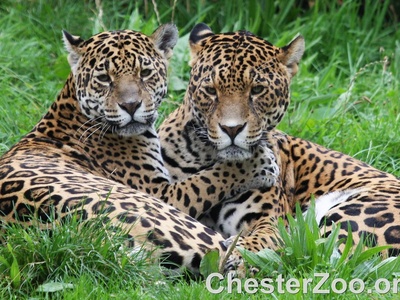
| Jaguar | Panthera onca | Moderate — capable of fatal attack, rare | Dense rainforest, riparian corridors |
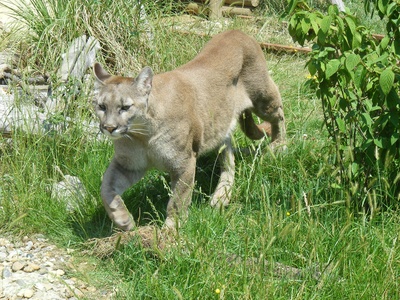
| Puma (cougar) | Puma concolor | Low — seldom attacks humans | Forest edges, foothills, scrubland |
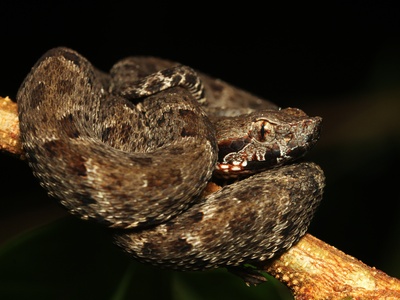
| Fer-de-lance | Bothrops asper | High — common, hemotoxic venom | Lowland forest floor, farms, trails |
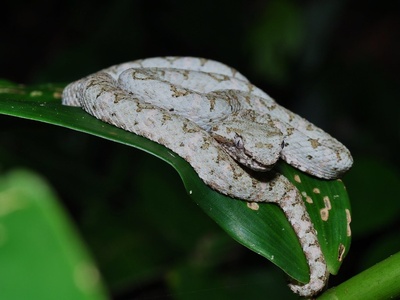
| Eyelash viper | Bothriechis schlegelii | Moderate — venomous, arboreal | Lowland forest understory, near palms |
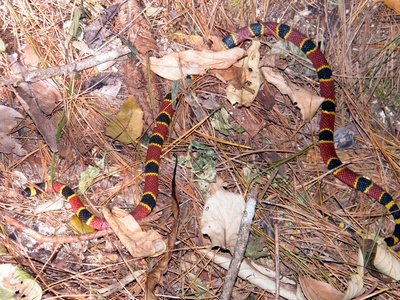
| Central American coral snake | Micrurus nigrocinctus | High — neurotoxic venom, small fangs | Forest leaf litter, edges, rocky areas |
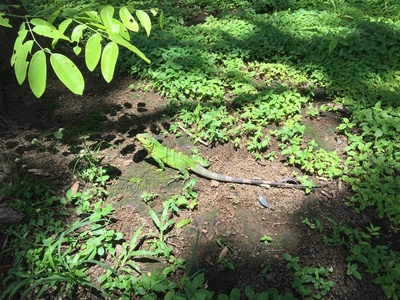
| Central American rattlesnake | Crotalus simus | High — venomous, defensive bite | Dry forests, rocky outcrops, edges |
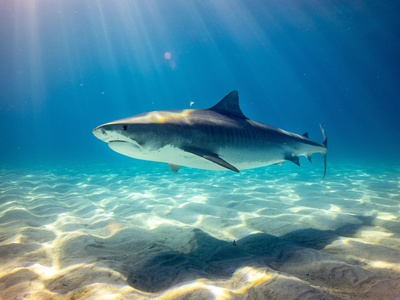
| Bull shark | Carcharhinus leucas | Moderate — aggressive, enters rivers | Nearshore waters, river mouths, estuaries |
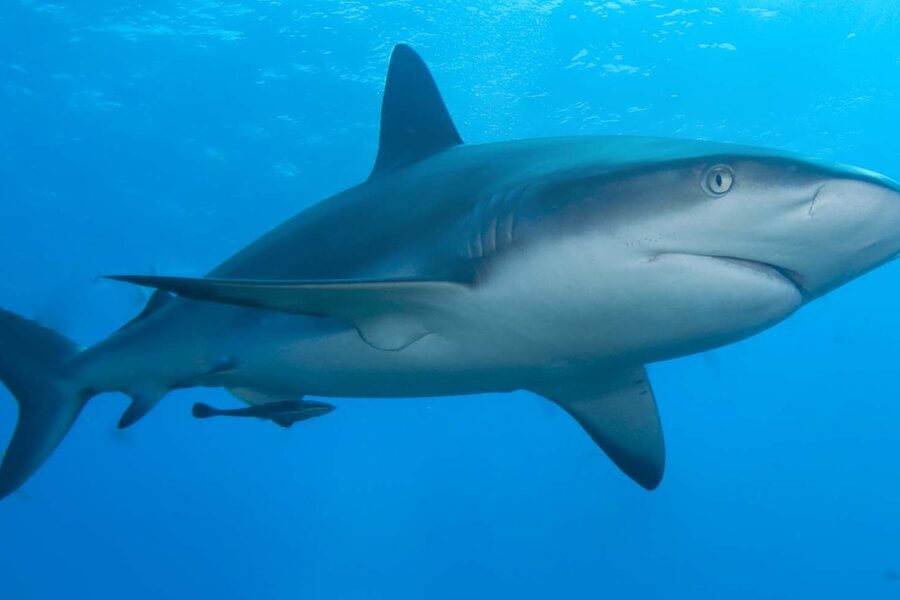
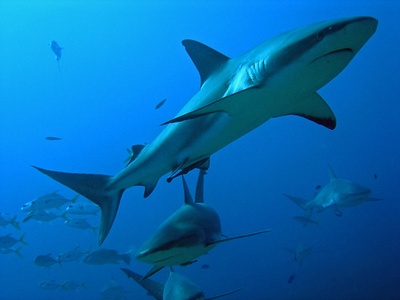
| Caribbean reef shark | Carcharhinus perezi | Low — usually cautious around divers | Coral reefs, drop-offs, offshore atolls |
| Nurse shark | Ginglymostoma cirratum | Low — usually docile, bites if provoked | Shallow reefs, sandy bottoms, ledges |
| Southern stingray | Hypanus americanus | Moderate — painful venomous spine | Sandy flats, shallow bays, nearshore reefs |
| Lionfish | Pterois volitans | Moderate — venomous dorsal spines | Coral reefs, wrecks, shallow reefs |
| Scorpionfish | Scorpaena plumieri | Moderate — venomous spines, camouflaged | Coral rubble, reefs, sandy bottoms |
| Cone snail | Conus regius | High — neurotoxic venom can be fatal | Shallow reefs, sandy-bottoms near coral |
| Portuguese man o’ war | Physalia physalis | Moderate — painful, possible systemic effects | Open ocean, washed on beaches |
| Sea urchin (long-spined) | Diadema antillarum | Low — puncture wounds, infection risk | Rocky shores, reefs, tide pools |
| Cone snail (another species) | Conus regius | High — neurotoxic venom | Shallow reefs, sandy patches near coral |
| Mosquito (dengue vector) | Aedes aegypti | High — transmits dengue, Zika, chikungunya | Urban, peri-urban, standing water containers |
| Malaria mosquito | Anopheles albimanus | Moderate — malaria vector in rural areas | Rural wetlands, rice fields, night-active |
| Vampire bat | Desmodus rotundus | Moderate — bites can transmit rabies | Nighttime roosts, caves, livestock shelters |
| Africanized honey bee | Apis mellifera scutellata | High — attacks in swarms can be fatal | Rural, semi-open areas, near hives |
| Tropical fire ant | Solenopsis geminata | Moderate — painful stings, allergic risk | Disturbed soils, gardens, trails |
| Bullet ant | Paraponera clavata | Moderate — excruciating sting, rare systemic effects | Lowland rainforest, near logs and trails |
| Bark scorpion | Centruroides gracilis | Moderate — venomous, painful | Trees, homes, under bark, debris |
| Black widow | Latrodectus mactans | Moderate — neurotoxic venom | Dark crevices, building corners, woodpiles |
| Feral hog | Sus scrofa | Moderate — can charge, gore people | Agricultural fringes, forest edges, savannas |
| Stray/feral dog | Canis lupus familiaris | Moderate — bites, rabies risk | Urban and rural communities, garbage areas |
| Hard tick (Amblyomma cajennense) | Amblyomma cajennense | Moderate — transmits rickettsial disease | Tall grass, forest edges, cattle pastures |
Images and Descriptions
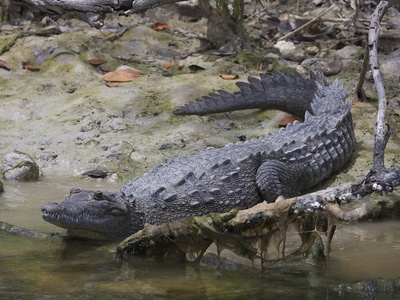
American crocodile
Large, powerful predator found along Belize coasts and estuaries. Can bite or drag victims underwater; wounds are crushing and bleeding. If attacked, try to get to shore, control bleeding, seek emergency care. Avoid swimming at night near river mouths.
Morelet’s crocodile
Smaller than American crocodile but territorial and capable of serious injury. Bites cause severe trauma and infection risk. Retreat to safety, control bleeding, get urgent medical attention. Do not feed or approach crocodiles; keep distance from nesting areas.
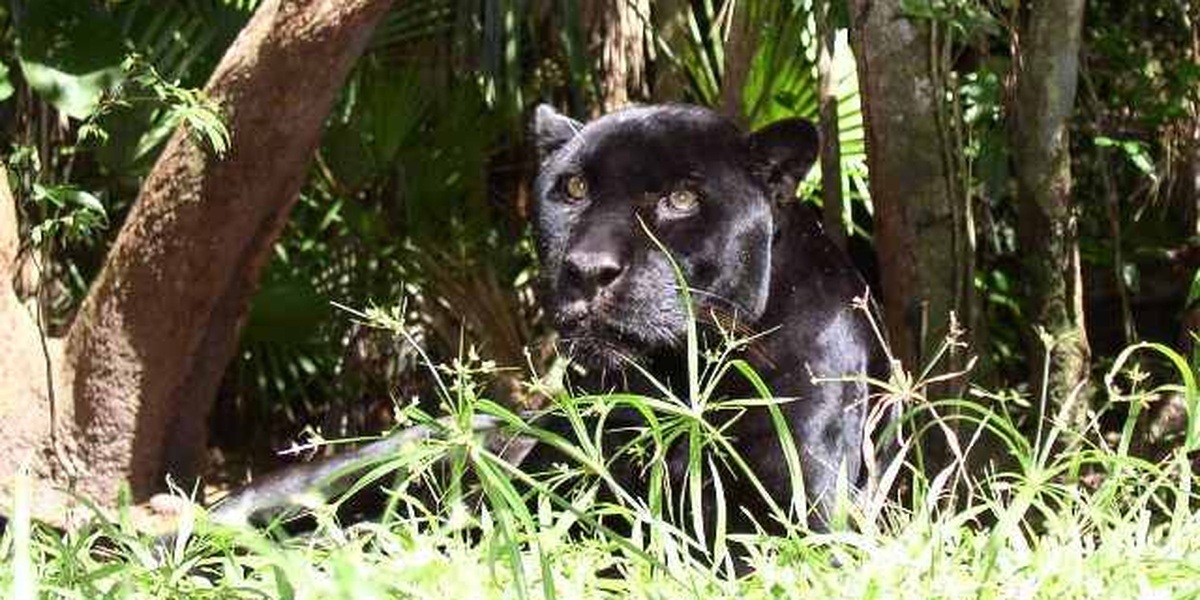
Jaguar
Powerful big cat, very rare to attack humans but can if cornered or protecting cubs. Attacks cause crushing trauma. Give space, avoid hiking alone at dusk/dawn, store food securely. Seek immediate trauma care if attacked.
Puma (cougar)
Solitary predator rarely aggressive toward people. Attacks cause lacerations and punctures. Make noise while hiking, avoid dusk/dawn alone hikes. If charged, appear large, back away slowly; seek medical care for wounds and infection risk.
Fer-de-lance
Very venomous pit viper responsible for most envenomations. Causes severe pain, swelling, bleeding, tissue damage. Immobilize limb, keep victim calm, seek antivenom urgently. Wear boots, watch paths, avoid stepping where you can’t see.
Eyelash viper
Small, often brightly colored tree viper; bites cause pain, swelling, possible systemic effects. Usually occurs when stepped on or handled. Immobilize and seek antivenom care. Look before placing hands in vegetation; wear gloves.
Central American coral snake
Elusive, brightly banded elapid with potent neurotoxic venom causing paralysis. Bites are rare but medical emergency. Keep victim calm, get to hospital quickly; do not cut or suck wound. Do not handle snakes.
Central American rattlesnake
Rattlesnake delivering hemotoxic venom causing pain, swelling, bleeding and tissue damage. Immobilize limb, keep victim still, seek antivenom therapy fast. Stay on trails, wear boots, listen for rattle.
Bull shark
Large shark that tolerates fresh water and visits estuaries; implicated in nearshore attacks. Bites cause severe trauma and bleeding. Exit water calmly, apply pressure to wounds, seek emergency care. Avoid swimming at dawn/dusk, in murky rivers.
Caribbean reef shark
Common reef shark rarely aggressive toward humans but can bite if provoked. Bites cause lacerations and bleeding. Stay calm, avoid feeding or cornering sharks, follow dive safety; treat wounds and prevent infection.
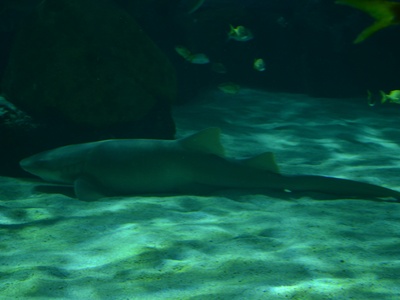
Nurse shark
Sedentary shark often resting in shallows; may bite if stepped on or handled. Bites are crushing and can be severe. Avoid touching, shuffle feet when wading; clean and seek treatment for bite wounds.
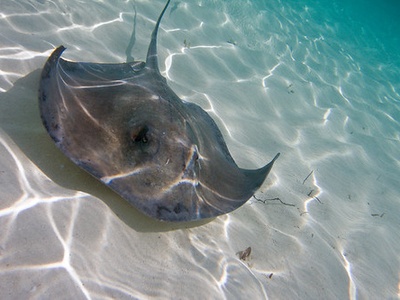
Southern stingray
Stingrays cause puncture wounds and venom-induced pain when stepped on. Symptoms include intense pain and swelling; rare systemic effects. Immerse wound in hot water, remove debris carefully, seek medical care. Shuffle feet when entering shallow water.
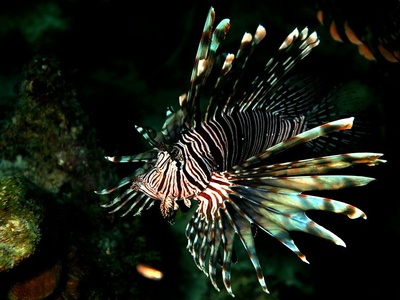
Lionfish
Invasive species with venomous spines that cause severe localized pain, swelling, occasionally systemic symptoms. Immerse wound in hot water and seek medical attention. Do not touch; handle only with protective gear by trained personnel.
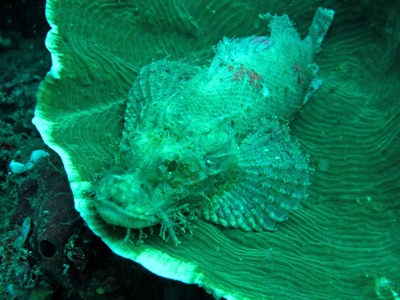
Scorpionfish
Well-camouflaged bottom fish with venomous dorsal spines causing intense pain and swelling. Hot-water immersion reduces pain; seek medical care for infection or severe symptoms. Wear protective footwear and avoid touching reef life.
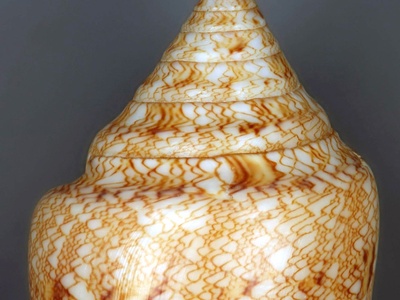
Cone snail
Beautiful but dangerous snail whose harpoon-like tooth injects neurotoxins producing paralysis and respiratory failure in severe cases. Seek immediate emergency care; no reliable antivenom. Do not handle live cone snails.
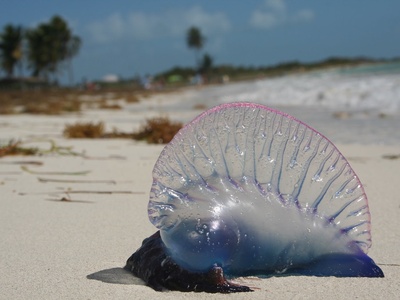
Portuguese man o’ war
Colonial cnidarian with long tentacles causing intense stings, welts, and rare systemic reactions. Rinse with seawater, remove tentacles with gloves, immerse in hot water, seek medical care for severe symptoms or breathing difficulty. Avoid contact on beaches.
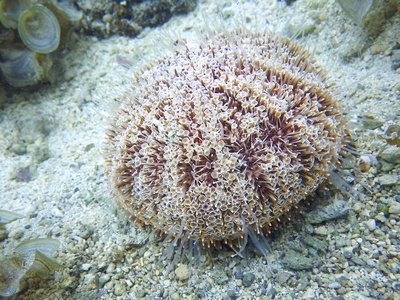
Sea urchin (long-spined)
Sharp spines puncture feet or hands, causing pain, possible spine breakage and infection. Remove visible spines gently, soak in hot water, seek care for retained spines or severe infection. Wear reef shoes and step carefully.
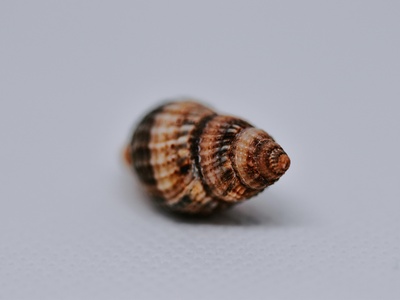
Cone snail (another species)
(See above) Venomous snail potentially causing paralysis and respiratory failure. Do not pick up live snails; seek urgent medical or hospital care if envenomated.
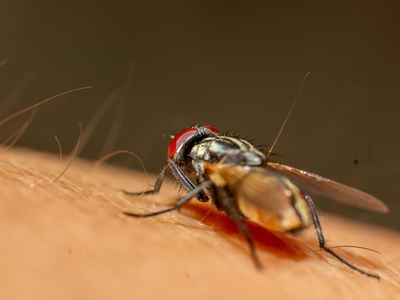
Mosquito (dengue vector)
Day-biting mosquito that spreads dengue and Zika; infections cause fever, joint pain, rare severe disease. Use repellents, nets, remove standing water. Seek medical care for high fever or severe symptoms.
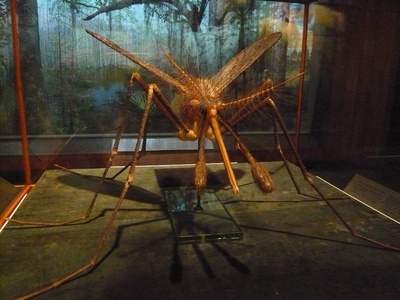
Malaria mosquito
Night-biting mosquito that can transmit malaria in certain rural Belize zones. Use insect repellent, bed nets, prophylaxis if recommended. Seek testing for fever after travel to rural areas.
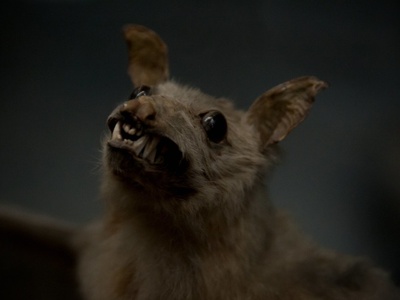
Vampire bat
Feeds on mammal blood; occasionally bites sleeping humans and can transmit rabies. Clean bite, seek rabies post-exposure prophylaxis urgently if suspected. Avoid handling bats, vaccinate domestic animals.
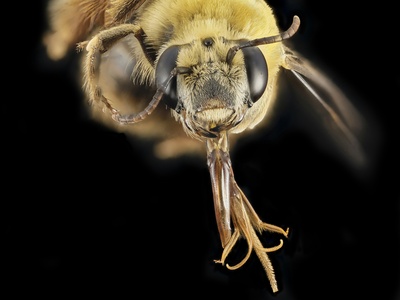
Africanized honey bee
Highly defensive hybrid that can attack en masse if nests disturbed; mass stings can cause respiratory collapse. Run to shelter, cover face, seek emergency care for many stings. Avoid nest areas and loud disturbances.
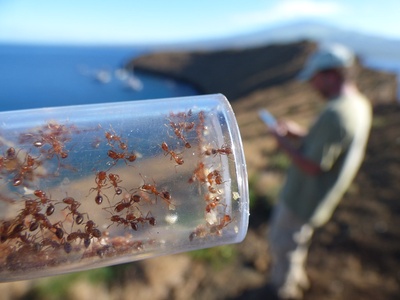
Tropical fire ant
Aggressive ant that swarms and delivers painful stings; allergic reactions possible. Treat stings with cold, antihistamines, seek emergency care for severe reactions. Shake out shoes and bedding outdoors.
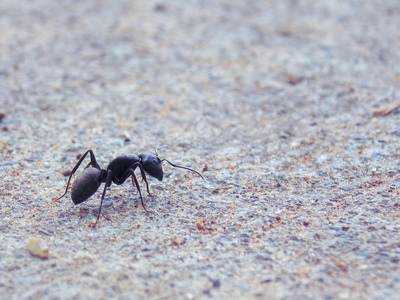
Bullet ant
Large ant with famously intense, long-lasting sting causing extreme localized pain, redness, swelling. Pain management and analgesia recommended; remove person from area. Wear boots and avoid placing hands in leaf litter.
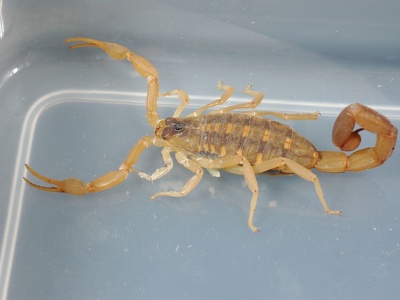
Bark scorpion
Common scorpion in Belize with painful sting; in children or allergic people it can cause systemic symptoms. Clean sting, apply cold, seek medical care for severe symptoms. Shake out clothing and bedding, seal home gaps.
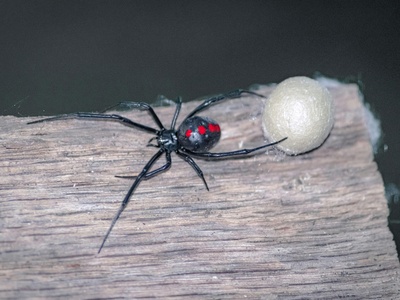
Black widow
Bite may produce muscle pain, cramps, sweating, nausea. Most adults recover with supportive care. Clean bite, seek medical evaluation for severe pain or systemic signs. Wear gloves when reaching into dark spaces.
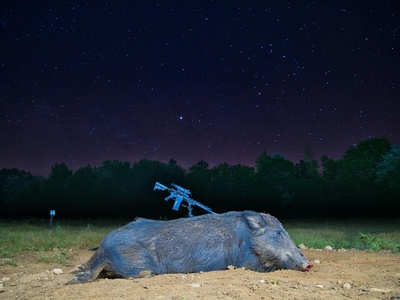
Feral hog
Wild or feral pigs can be aggressive, especially when cornered or with piglets, causing trampling and goring injuries. Back away slowly if encountered; seek trauma care for severe wounds. Avoid approaching or feeding.
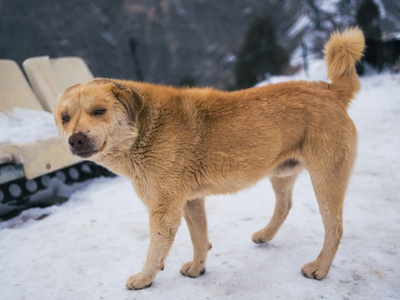
Stray/feral dog
Unvaccinated stray dogs may bite and transmit rabies or cause wounds. Clean bites thoroughly, seek rabies evaluation and wound care. Avoid feeding or approaching strays; report aggressive animals.

Hard tick (Amblyomma cajennense)
Ticks attach and can transmit spotted fever group rickettsia causing fever and rash. Remove tick promptly with tweezers, clean site, seek medical attention for fever. Wear long clothing, use repellents, check body.