Cyprus combines sunny beaches, rocky hills and olive groves, so it’s no surprise the island hosts a surprising mix of wildlife — some harmless, some worth respecting. Local hikes, coastal swims and even gardens can bring you close to animals you might not expect to meet.
There are 20 Dangerous Animals in Cyprus, ranging from Bees & wasps to Weever fish. For each entry we list Scientific name, Danger level, Typical habitat and a brief note on precautions, and you’ll find below.
How likely am I to encounter or be harmed by these animals while visiting Cyprus?
Most encounters are avoidable with basic caution: avoid disturbing nests or dens, wear shoes on rocky or sandy shores, and give wildlife plenty of space. Stings or bites are usually local and treatable, but allergic reactions or venomous species can require medical care, so awareness and common-sense precautions cut risk dramatically.
What should I do if I’m stung or bitten?
Move to a safe area, clean the wound with water, and apply a cold pack to reduce swelling; remove visible stingers if present. Watch for severe symptoms (difficulty breathing, dizziness, spreading redness) and seek urgent medical help or call emergency services if they occur — carry any personal allergy meds, like an epinephrine auto-injector, if prescribed.
Dangerous Animals in Cyprus
| Name | Scientific name | Danger level | Typical habitat |
|---|---|---|---|
| Blunt-nosed viper | Macrovipera lebetina | High | rocky hills, scrub, terraces, agricultural edges |
| Montpellier snake | Malpolon monspessulanus | Moderate | dry scrub, fields, stone walls, gardens |
| Cat snake | Telescopus fallax | Low | rocky walls, olive groves, scrub, nocturnal hiding spots |
| Cyprus scorpion | Mesobuthus cyprius | Moderate | under rocks, wall crevices, dry lowland habitats |
| Mediterranean black widow | Latrodectus tredecimguttatus | Moderate | dry fields, stone walls, under debris and rubble |
| Mediterranean recluse | Loxosceles rufescens | Moderate | houses, sheds, closets, dark crevices |
| Mauve stinger (jellyfish) | Pelagia noctiluca | Moderate | open sea, nearshore waters, warm-season blooms |
| Portuguese man o’ war | Physalia physalis | High | coastal waters, beaches after storms or currents |
| Lionfish (invasive) | Pterois miles | Moderate | rocky reefs, seagrass beds, shallow coastal waters |
| Scorpionfish | Scorpaena scrofa | Moderate | rocky seabeds, reefs, shallow waters, tide pools |
| Weever fish | Trachinus draco | Moderate | sandy seabeds, shallow nearshore waters, bathing areas |
| Stingray (common stingray) | Dasyatis pastinaca | Moderate | sandy bays, seagrass beds, shallow coastal waters |
| Sea urchin | Paracentrotus lividus | Low | rocky shores, shallow subtidal zones, tide pools |
| Common octopus | Octopus vulgaris | Low | rocky reefs, crevices, tide pools, shallow coastal waters |
| Hard tick (Hyalomma) | Hyalomma marginatum | Moderate | grasslands, scrub, livestock areas, rural paths |
| Tiger mosquito | Aedes albopictus | Moderate | urban gardens, standing water, daytime-biting areas |
| Sandfly | Phlebotomus papatasi | Moderate | rural edges, animal shelters, dusk/night activity |
| Black rat | Rattus rattus | Low | ports, urban areas, farms, attics and sewers |
| Stray dog | Canis familiaris (stray) | Moderate | urban streets, rural villages, parks and dumps |
| Bees & wasps | Apis mellifera,Vespula spp.,Vespa crabro | Moderate | gardens, orchards, urban areas, rural fields |
Images and Descriptions
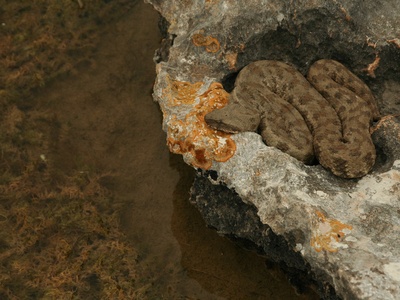
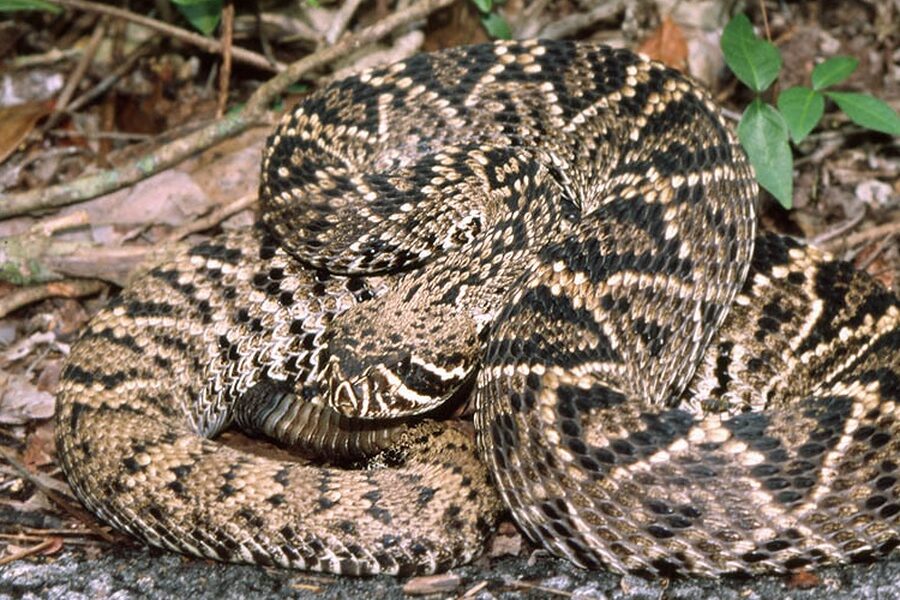
Blunt-nosed viper
Powerful venomous viper with stout body and triangular head; bite causes severe pain, swelling and possible systemic effects. Seen on warm days in dry hills. Keep distance, don’t handle, immobilize limb and get emergency medical care immediately.
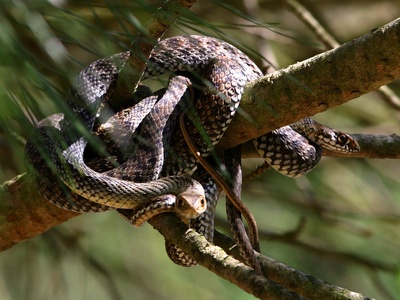
Montpellier snake
Large, fast rear‑fanged snake often mistaken for harmless species; bites can cause local pain and rare envenomation. Active by day and dusk. Avoid provoking, wear boots in rocky areas, wash any bite, seek medical advice if symptoms progress.
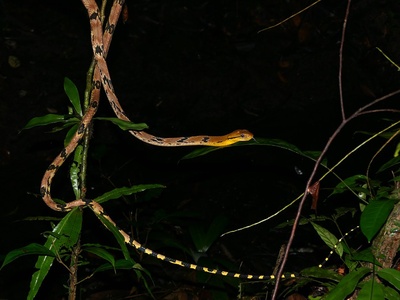
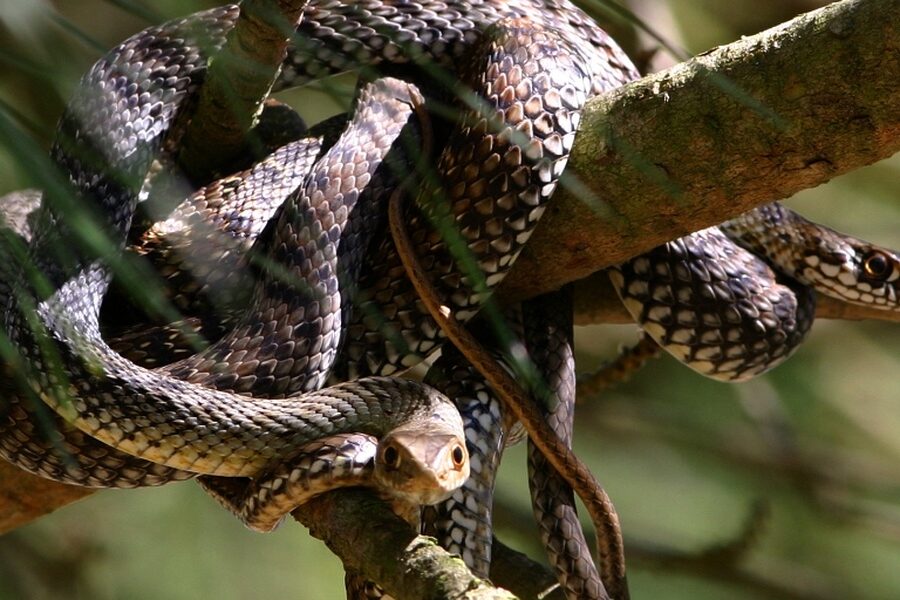
Cat snake
Slim, nocturnal rear‑fanged snake with vertical pupils; mild venom rarely dangerous to adults but painful bites possible. Usually found at night or under stones. Avoid handling, monitor wound, clean and seek medical advice if swelling or systemic symptoms.

Cyprus scorpion
Local scorpion species delivers a painful sting causing intense local pain, numbness or nausea; children more at risk of systemic effects. Shake out shoes, wear gloves when lifting stones, apply cold packs and seek medical care for severe reactions.
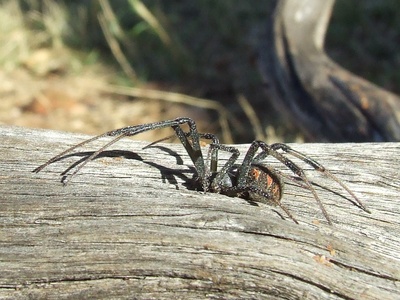
Mediterranean black widow
Shiny dark spider with red hourglass/markings; bite injects neurotoxic venom causing muscle pain, cramps and sweating. Found in rural debris and dry habitats. Keep calm, immobilize limb, apply cold and seek urgent medical attention for severe pain or breathing problems.
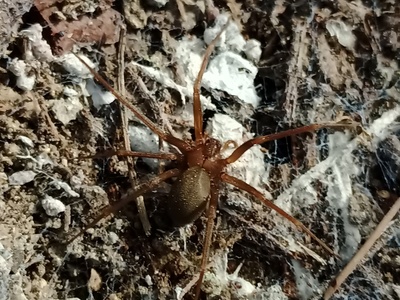
Mediterranean recluse
Small brown spider with violin-shaped marking; bite can produce local necrosis and slow‑healing ulcers in some people. Found indoors in shoes and clothes. Clean bite, apply cold, monitor for worsening and seek medical care for spreading necrosis or infection.
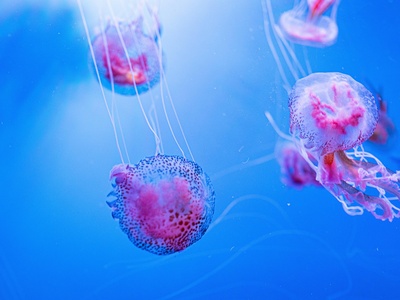
Mauve stinger (jellyfish)
Purple-pink pelagic jellyfish causing painful stings with burning, rash and occasionally systemic symptoms. Seen while swimming or washed up on beaches. Rinse with seawater, remove tentacles carefully, immerse sting in hot water and seek medical help for severe reactions.
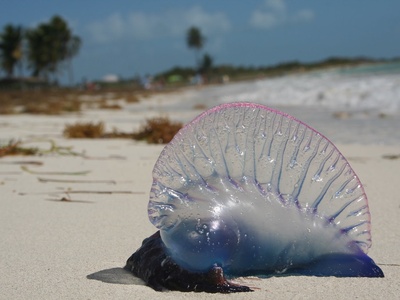
Portuguese man o’ war
Gas-filled float with long blue tentacles that deliver intense, sometimes systemic, stings; can hospitalize sensitive people. Often washed ashore after storms. Do not touch, rinse with seawater, remove tentacles with gloves and seek urgent medical care for severe pain or breathing issues.
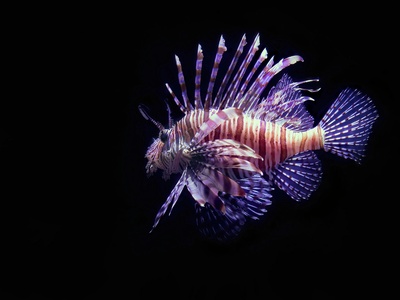
Lionfish (invasive)
Invasive striped fish with erect venomous dorsal spines that cause intense pain and swelling if handled or stepped on. Found around reefs and harbors. Do not touch; if stung, immerse in hot water and seek medical evaluation for pain and infection risk.
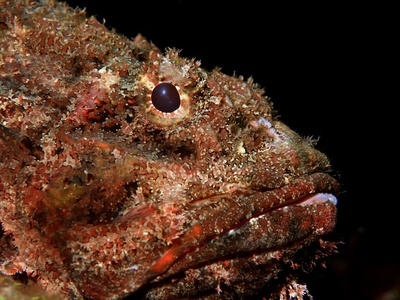
Scorpionfish
Well-camouflaged fish with venomous dorsal spines; stings from handling or stepping on cause severe pain, swelling and sometimes systemic symptoms. Wear footwear when wading, avoid handling, hot water immersion and seek medical care for severe pain or retained spines.
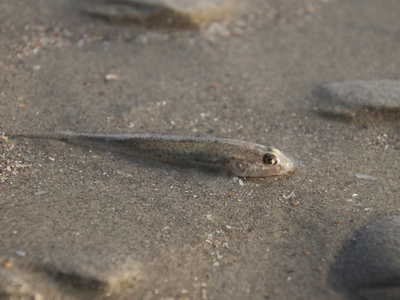
Weever fish
Small, buried fish with venomous dorsal spines that commonly sting swimmers who step on them; causes intense immediate pain and swelling. Shuffle feet in sandy shallows, remove visible spines, soak wound in hot water and seek medical attention if symptoms severe or signs of infection.
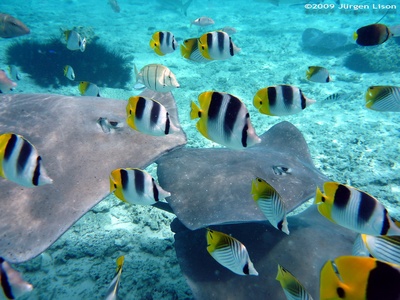
Stingray (common stingray)
Flat fish with a venomous tail spine causing deep puncture wounds, severe pain and bleeding if stepped on. Avoid stepping in shallow sandy water by shuffling, clean and control bleeding, seek urgent medical care and tetanus advice for puncture wounds.
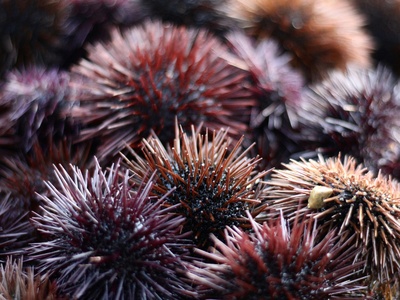
Sea urchin
Purple urchin with sharp spines causing painful puncture wounds and possible infection or retained spines. Common on rocky shorelines. Wear footwear, avoid hand contact, remove visible spines carefully, soak in hot water and see a clinician for embedded spines or infection.
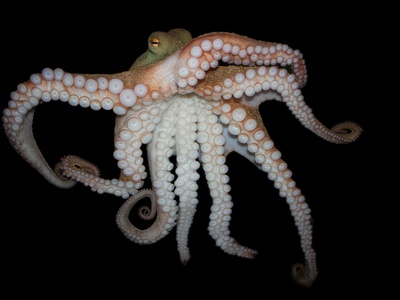
Common octopus
Curious but defensive; can bite and deliver mild venom and cause painful wounds or bleeding. Found in rocky shallows and pots. Don’t prod or handle, clean any bite, watch for infection and seek medical advice for worsening symptoms.
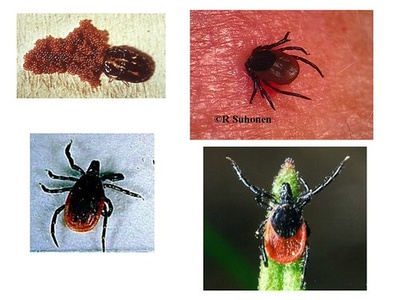
Hard tick (Hyalomma)
Large hard tick that can bite humans and potentially transmit diseases (e.g., CCHF in region reports); bites may go unnoticed initially. Use repellents, long clothing, check skin after outdoor activities, remove ticks promptly with tweezers and seek medical advice for fever afterwards.
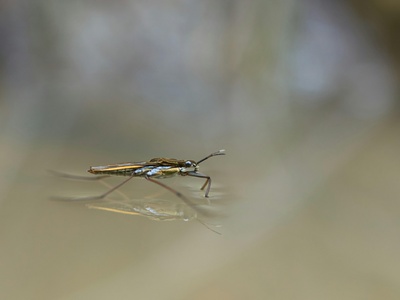
Tiger mosquito
Aggressive day‑biting mosquito present in Cyprus able to transmit dengue, chikungunya or other arboviruses. Causes itchy bites and potential disease. Use repellents, screens, remove standing water, cover skin and seek medical care for high fever or severe symptoms.
Sandfly
Small nocturnal fly that bites at night and can transmit cutaneous leishmaniasis, causing chronic skin ulcers. Use insect nets, repellents, wear long sleeves at dusk, and see a doctor for persistent sores or suspected infection.
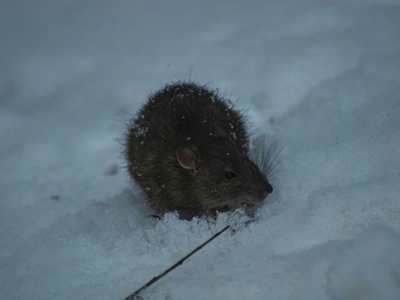
Black rat
Common rodent that can bite if cornered and carry fleas and pathogens contaminating food; risk of wound infection. Avoid handling, secure food and waste, clean bite wounds thoroughly and seek medical attention for bites or febrile illness.
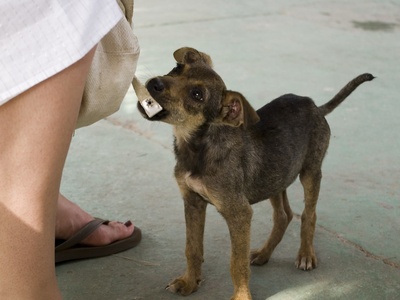
Stray dog
Unvaccinated or frightened stray dogs may bite causing trauma and infection; rabies rare in Cyprus but bites require care. Avoid approaching, don’t run, keep distance, clean any bite thoroughly and seek medical attention for wound care and vaccination guidance.
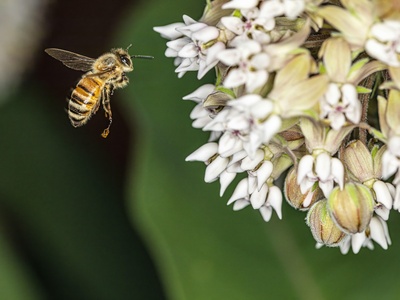
Bees & wasps
Common stinging insects whose bites can be painful and, in allergic people, life‑threatening anaphylaxis. Avoid disturbing nests, move away calmly from swarms, treat stings with cold packs, remove stingers, and seek emergency help for breathing problems or severe reactions.