Gabon’s rainforests, swamps and coastline support a wide variety of wildlife — from tiny insects to large mammals — and knowing which species pose real risks helps visitors and locals stay safe. Local guides, seasonal patterns and habitat types all affect how likely you are to meet a dangerous animal.
There are 24 Dangerous Animals in Gabon, ranging from Aedes mosquito to Western lowland gorilla. For each entry you’ll find below the data organized by Scientific name,Danger level & hazard (words),Typical habitat (Gabon) so you can quickly see how hazardous each species is and where it’s usually found — you’ll find below.
How likely am I to encounter these dangerous animals while traveling in Gabon?
Likelihood varies: mosquitoes and some snakes are common near settlements or water, while large mammals like gorillas and forest elephants are usually in remote parks and rarely aggressive unless disturbed. Use local guides and follow park rules to reduce encounters.
What practical precautions should visitors take to reduce risk?
Bring insect repellent and malaria prophylaxis, use bed nets, wear long sleeves and boots in forested areas, keep a safe distance from wildlife, follow guide instructions, and have basic first-aid and emergency contacts ready.
Dangerous Animals in Gabon
| Name | Scientific name | Danger level & hazard (words) | Typical habitat (Gabon) |
|---|---|---|---|
| Forest elephant | Loxodonta cyclotis | Extreme – trampling, charging | Rainforest, riverine areas |
| African buffalo | Syncerus caffer | Extreme – unpredictable goring, trampling | Savanna, gallery forests, forest edges |
| Hippopotamus | Hippopotamus amphibius | Extreme – charging, crushing, water attacks | Rivers, lagoons, estuaries |
| Nile crocodile | Crocodylus niloticus | Extreme – ambush biting, drowning | Rivers, lakes, estuaries, mangroves |
| African rock python | Python sebae | High – constriction, crushing, ambush | Riverside forest, savanna, near villages |
| Gaboon viper | Bitis gabonica | Extreme – potent cytotoxic venom, large fangs | Lowland rainforests, forest floor |
| Boomslang | Dispholidus typus | High – hemotoxic venom, bleeding risk | Forest edges, trees, savanna |
| Forest cobra | Naja melanoleuca | Extreme – neurotoxic venom, rapid envenomation | Forests, near waterways, human settlements |
| Chimpanzee | Pan troglodytes | High – powerful bites, group aggression, disease risk | Rainforest, gallery forest, logging roads |
| Western lowland gorilla | Gorilla gorilla gorilla | High – powerful charges, crushing, disease transmission | Dense rainforest, swamp forests |
| Leopard | Panthera pardus | High – ambush predation, rare attacks | Rainforest, forest-savanna mosaics |
| Nile monitor | Varanus niloticus | Moderate – powerful bite, scratches, bacteria risk | Rivers, wetlands, near settlements |
| African honeybee | Apis mellifera | High – mass stinging, allergic reactions | Forest and village apiaries, wild colonies |
| Anopheles mosquito | Anopheles gambiae | High – malaria vector, febrile illness, death | Villages, forests, near standing water |
| Aedes mosquito | Aedes aegypti | High – dengue/yellow fever vector, urban outbreaks | Urban areas, standing water, peri-urban sites |
| Tsetse fly | Glossina palpalis | High – sleeping sickness vector, painful bite | Riverine forests, gallery forests, bush |
| Hammer-headed bat | Hypsignathus monstrosus | Moderate – potential viral reservoir (Ebola/rabies), bites | Swamp and riverine forests |
| Franquet’s epauletted bat | Epomops franqueti | Moderate – viral reservoir, spillover risk | Rainforests, caves, roosts near villages |
| Bull shark | Carcharhinus leucas | High – powerful bites, may enter rivers | Coastal waters, estuaries, river mouths |
| Portuguese man-of-war | Physalia physalis | Moderate – severe stinging, painful systemic reactions | Offshore coastal waters, surface currents |
| Common stingray | Dasyatis pastinaca | Moderate – venomous tail spine, severe pain, infection | Shallow coastal waters, sandy bottoms |
| Stray dog | Canis lupus familiaris | High – rabies transmission, bites | Urban and rural villages |
| Blackfly | Simulium damnosum | Moderate – transmit river blindness, biting nuisance | Fast-flowing rivers and streams |
| Freshwater snail | Bulinus forskalii | Moderate – schistosomiasis transmission, chronic disease | Slow-moving freshwater, ponds, irrigation canals |
Images and Descriptions
Forest elephant
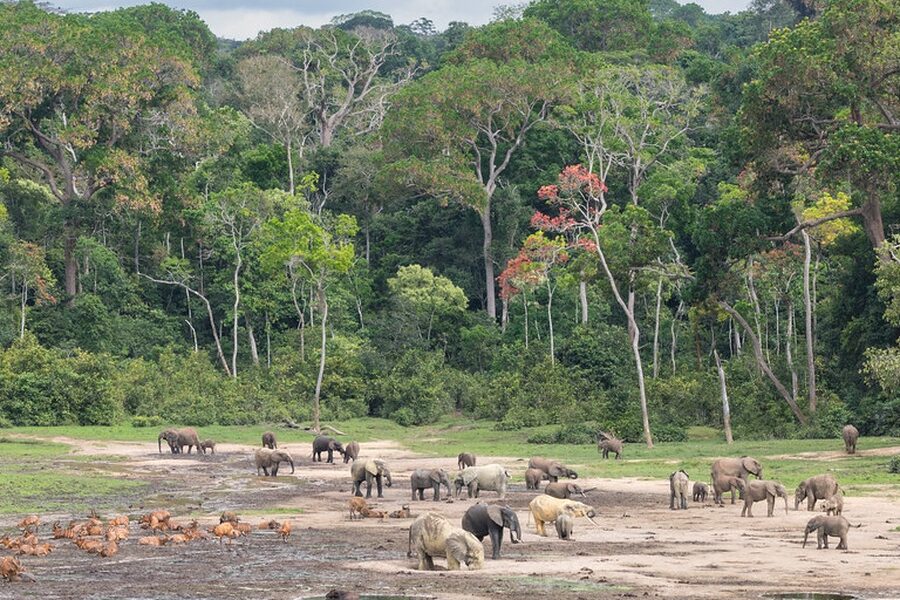
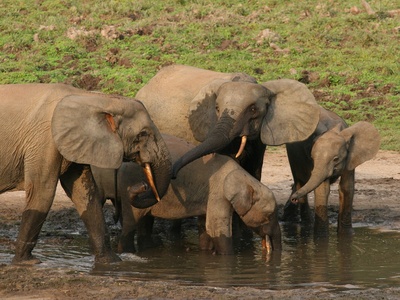
Forest elephants are large and unpredictable, charging when surprised or protecting calves. Encounters occur near river crossings and agricultural edges in Lopé and Ivindo. They can trample people and vehicles; keep distance, avoid dense elephant paths, and give animals a wide berth.
African buffalo
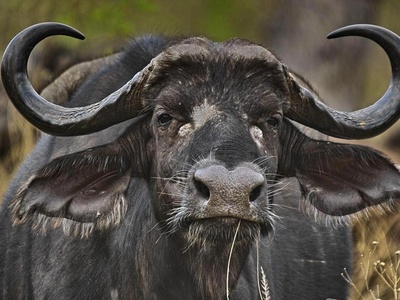
Buffaloes are highly unpredictable and can charge with little warning, goring or trampling people. Found at forest edges and savanna patches like Lopé. Never approach wounded or isolated individuals, keep vehicles between you and herds and avoid walking alone near them.
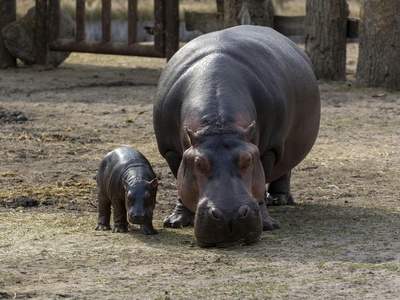
Hippopotamus
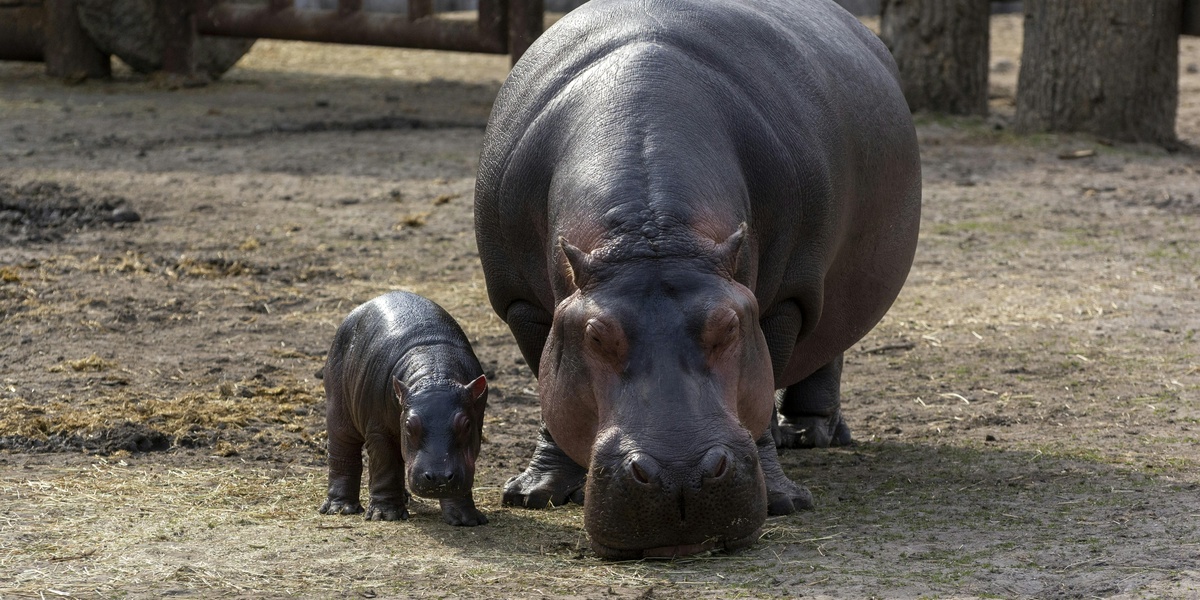
Hippos are territorial and aggressive in water; they bite, trample and capsize boats. Common along Gabonese rivers and estuaries. Avoid riverbanks at dusk and night, give hippo paths a wide berth and never canoe between hippos and deep water.
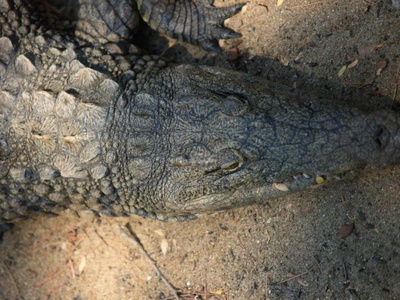
Nile crocodile
Nile crocodiles ambush prey at water edges, delivering fatal bites and drowning victims. Found in rivers, mangroves and estuaries across Gabon. Avoid swimming at dawn, dusk or near riverbanks; beware baiting or fishing from the shore and keep distance from water’s edge.
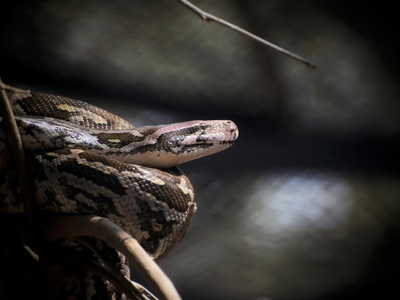
African rock python
Large pythons can constrict and sometimes kill small adults, rare but recorded near villages and riverine forests. Usually avoid humans but may hide in tall grass or houses. Keep livestock secured, check sleeping areas, and avoid handling large pythons.
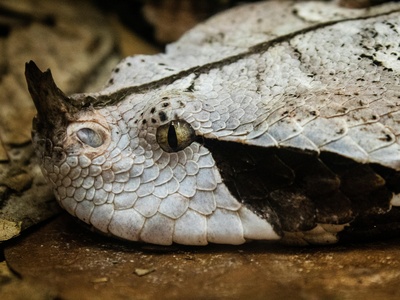
Gaboon viper
Gaboon vipers have huge fangs and powerful venom causing severe tissue damage and systemic effects; bites can be fatal without treatment. Found on the forest floor in Gabonese rainforests. Wear boots, watch footing, and avoid letting children play in leaf litter.
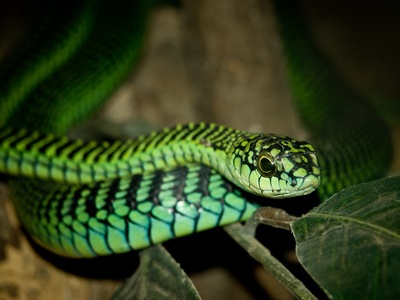
Boomslang
Boomslangs are rear-fanged snakes whose hemotoxic venom causes severe bleeding and can be fatal if untreated. They are arboreal and often found in trees near villages and forest edges. Avoid climbing or reaching into foliage; seek immediate medical care after any bite.
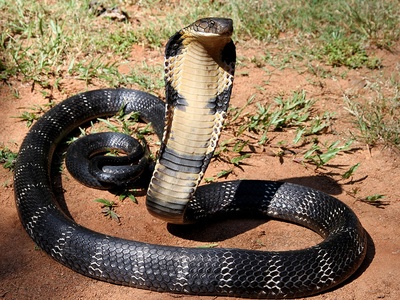
Forest cobra
Forest cobras deliver fast, potentially neurotoxic bites that can cause respiratory failure. They occur in forests and near waterways across Gabon and sometimes enter buildings. Do not attempt to handle cobras; back away slowly and get urgent hospital care if bitten.
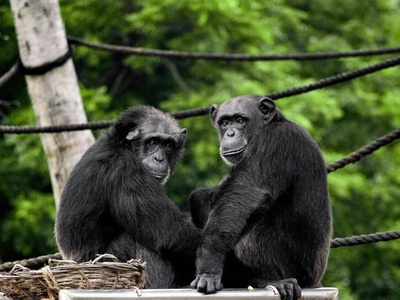
Chimpanzee
Chimpanzees can bite, maul or attack if provoked or habituated to humans; they transmit diseases too. Encounters happen near camps, logging roads and hunting sites in Gabon’s forests. Never feed or approach chimpanzees; retreat calmly and avoid direct eye contact.
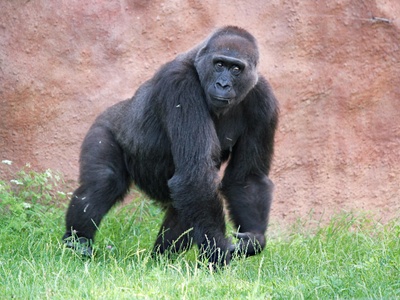
Western lowland gorilla
Gorillas are powerful and may charge or injure if they feel threatened; close encounters occur at habituated tourism sites and near farmed edges. They also can transmit and catch human diseases. Keep distance, follow guides’ rules, and never approach infants.
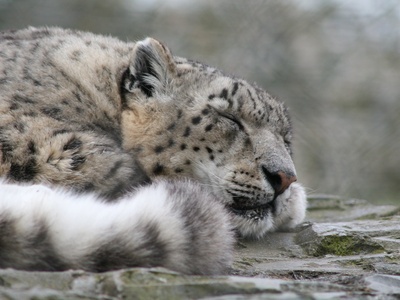
Leopard
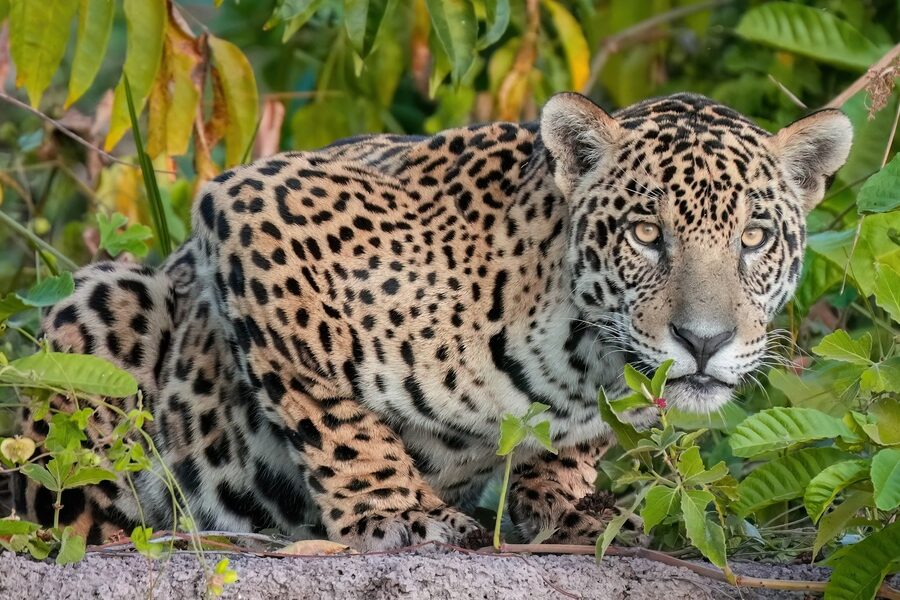
Leopards are solitary ambush predators that occasionally attack livestock or people at night. Found across Gabon’s forests and mosaics. Avoid walking alone after dark, secure livestock, use lights at night and avoid leaving food or carcasses that attract predators.
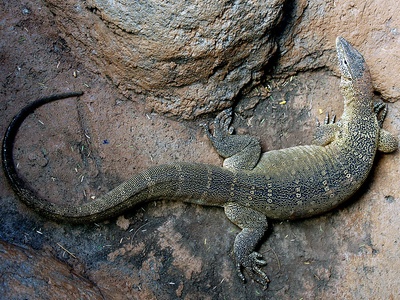
Nile monitor
Nile monitors have strong jaws and sharp claws; bites and scratches can be deep and infected. They frequent riverbanks, wetlands and can enter villages. Do not handle wild monitors, store food securely, and see a doctor for puncture wounds to prevent infection.
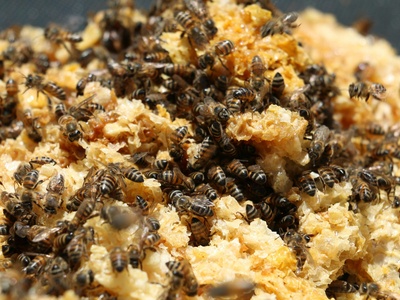
African honeybee
African honeybees can swarm and inflict many stings; allergic or multiple stings may be fatal. Colonies nest in trees, walls and rural sites. Avoid disturbing hives, keep calm if bees appear, leave the area quickly and seek medical help for breathing difficulties.
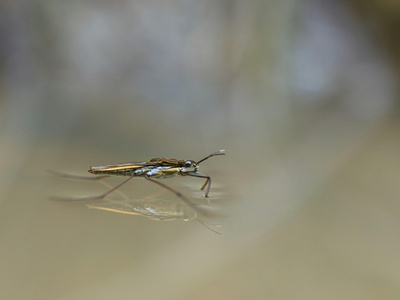
Anopheles mosquito
Anopheles mosquitoes transmit malaria across Gabon, causing severe illness and deaths without prompt treatment. They bite mainly at night near standing water and houses. Use bed nets, insect repellent, and seek rapid diagnosis and treatment for fevers after mosquito exposure.
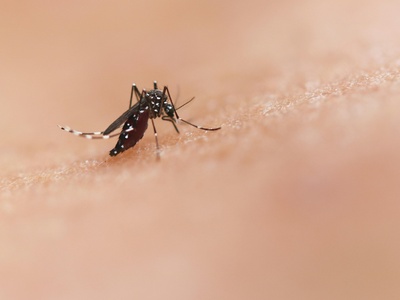
Aedes mosquito
Aedes aegypti spreads dengue and yellow fever in Gabon, causing outbreaks in towns and villages. They bite during the day around human habitations. Empty standing water, use repellents and screens, and stay current on yellow fever vaccination when traveling in Gabon.
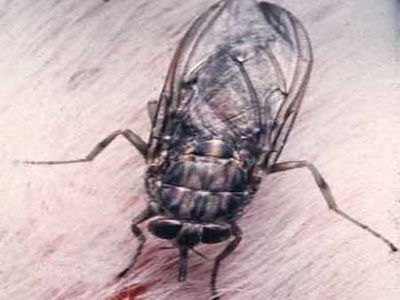
Tsetse fly
Tsetse flies transmit African trypanosomiasis (sleeping sickness) and deliver painful bites; neglected infections can be serious. They inhabit riverine and gallery forests in Gabon. Wear long sleeves and treated clothing, use repellents and avoid dense tsetse habitats when possible.
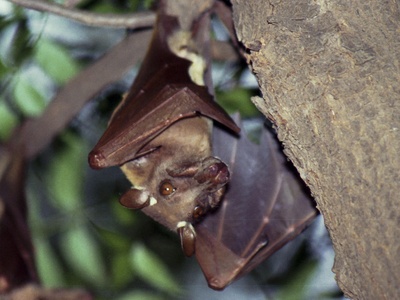
Hammer-headed bat
Hammer-headed fruit bats are implicated as reservoirs for viruses including Ebola and can carry rabies; bites and contamination risk spillover. Found in Gabon’s swamp and riverine forests. Avoid contact with bats, do not handle dead bats, and report sick or dead wildlife to authorities.
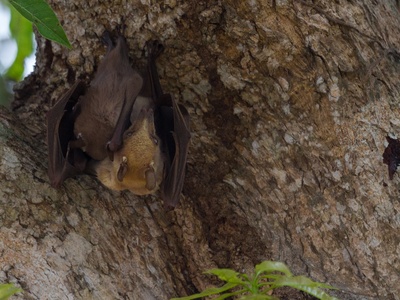
Franquet’s epauletted bat
Franquet’s epauletted fruit bat is a suspected Ebola reservoir and can carry rabies virus; contact with bushmeat or roosts risks zoonotic transmission. Found in Gabonese forests and near villages. Avoid hunting or handling bats and use protective gear if working with wildlife.
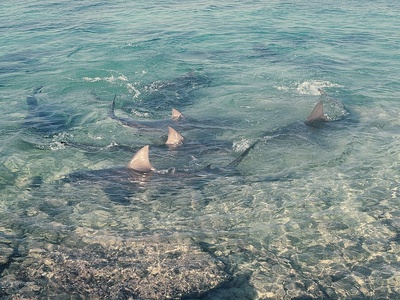
Bull shark
Bull sharks are aggressive, travel into shallow coastal waters and sometimes upriver, delivering powerful bites. In Gabon they occur along the Atlantic coast and estuaries. Swim in monitored areas, avoid murky water, and stay away from fishing activity at dawn or dusk.
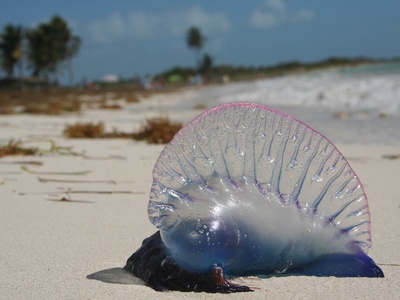
Portuguese man-of-war
Portuguese man-of-war causes extremely painful stings and can cause systemic reactions; tentacles drift in Atlantic currents off Gabon’s coast. Avoid swimming near floating jellyfish, rinse stings with seawater (not fresh water), and seek medical help for severe pain or breathing trouble.
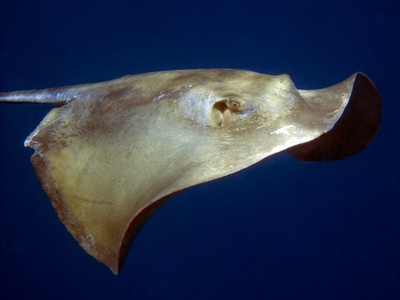
Common stingray
Common stingrays have venomous barbs that can cause intense pain, bleeding and infection when stepped on. They inhabit shallow sandy coastal waters and estuaries of Gabon. Shuffle feet when wading, avoid handling, and seek medical care for puncture wounds and venom.
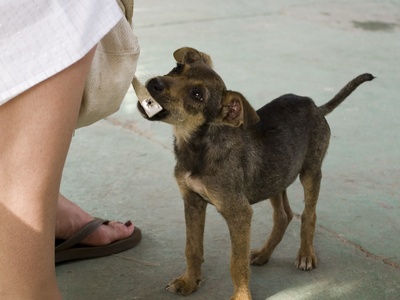
Stray dog
Stray dogs are the main source of rabies in many African countries; bites can transmit fatal rabies without treatment. Common in Gabon’s towns and villages. Avoid contact, vaccinate pets, and seek immediate post-exposure prophylaxis after any dog bite.

Blackfly
Blackflies bite in large numbers and transmit onchocerciasis (river blindness) near fast-flowing rivers in Gabon. Bites cause severe itching and long-term eye disease if untreated. Use repellents, wear protective clothing and avoid breeding sites near rapids and streams.
Freshwater snail
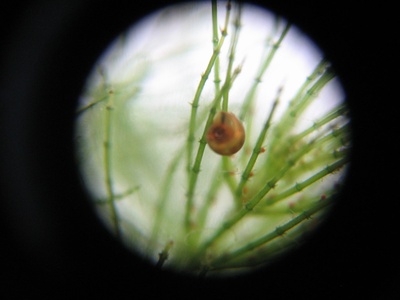
Freshwater snails of the Bulinus group release schistosome larvae that infect swimmers, causing chronic schistosomiasis with blood in urine and long-term kidney or liver damage. They live in ponds and slow streams. Avoid swimming in suspect waters and seek testing after exposure.