Grenada’s mix of beaches, rainforest and agricultural land supports a wide range of wildlife. Most encounters are harmless, but the island’s climate also favors species that can affect human health and livestock, so it’s helpful to know what to watch for.
There are 28 Dangerous Animals in Grenada, ranging from Aedes aegypti to Tropical bont tick. For each species, entries are organized with Scientific name,Danger (1-5),Where found so you can quickly assess risk and habitat — see the list you’ll find below.
Which animals are most likely to affect visitors to Grenada?
Mosquitoes such as Aedes aegypti are the primary concern for visitors because they can transmit dengue and other viruses; ticks like the Tropical bont tick are more likely to affect people in rural or farming areas and can harm animals. Risk varies by season and location, so coastal towns and standing water increase mosquito exposure while wooded or grassy areas raise tick risk.
How can I reduce my chance of bites or other problems?
Use EPA-recommended repellents, wear long sleeves and pants during dawn and dusk, sleep under a net if needed, remove standing water around where you stay, check yourself and pets for ticks after outdoor activities, and follow local health advisories informed by the species list you’ll find below.
Dangerous Animals in Grenada
| Name | Scientific name | Danger (1-5) | Where found |
|---|---|---|---|
| Aedes aegypti | Aedes aegypti | 5 | Urban areas, standing water, peri-domestic sites |
| Culex quinquefasciatus | Culex quinquefasciatus | 3 | Stagnant water, drains, urban outskirts |
| Portuguese man o’ war | Physalia physalis | 4 | Open sea, beaches after storms, surface waters |
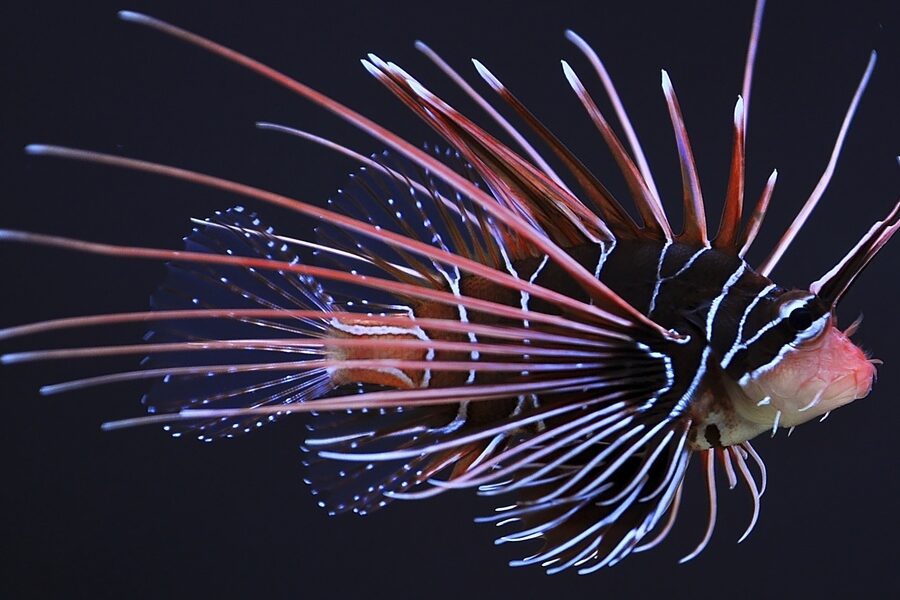
| Lionfish | Pterois volitans | 3 | Coral reefs, rocky outcrops, shallow bays |
| Spotted scorpionfish | Scorpaena plumieri | 3 | Reefs, rubble, shallow coastal waters |
| Southern stingray | Hypanus americanus | 4 | Sandy flats, bays, shallow beaches |
| Cone snail (regius) | Conus regius | 4 | Coral rubble, sandy bottoms, shallow reefs |
| Long-spined sea urchin | Diadema antillarum | 2 | Rocky reefs, tidal pools, intertidal zones |
| Scorpion (bark scorpion) | Centruroides gracilis | 3 | Vegetation, walls, wood piles, night active |
| Centipede (large Scolopendra) | Scolopendra gigantea | 3 | Leaf litter, under logs, gardens, night active |
| Great barracuda | Sphyraena barracuda | 3 | Open water near reefs, drop-offs, night fishing zones |
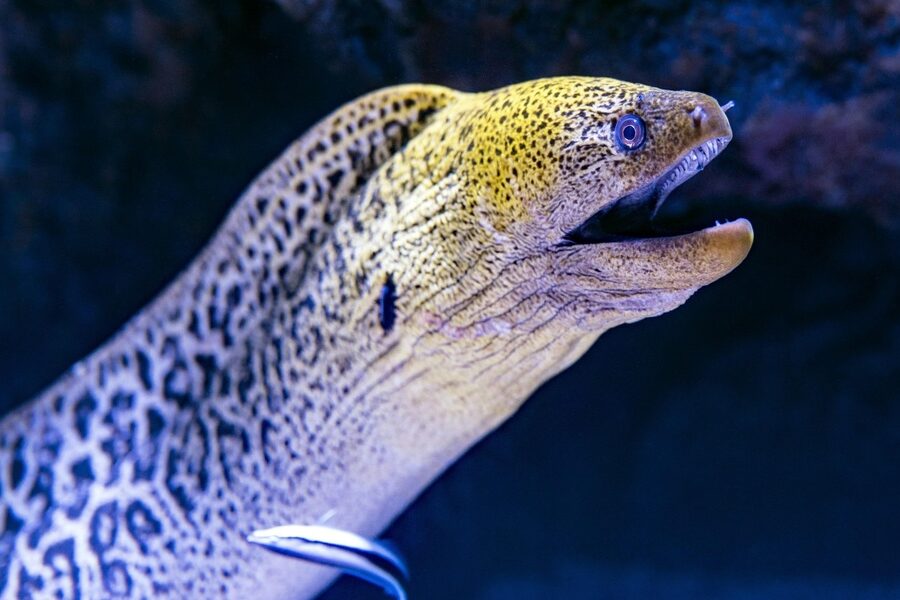
| Moray eel (green moray) | Gymnothorax funebris | 3 | Crevices in reefs, rocky ledges, shallow reefs |
| Nurse shark | Ginglymostoma cirratum | 2 | Reefs, sand flats, shallow coastal waters |
| Caribbean reef shark | Carcharhinus perezii | 3 | Offshore reefs, drop-offs, deeper reef slopes |
| Bull shark | Carcharhinus leucas | 4 | Shallow coastal waters, river mouths (occasional) |
| Fire coral | Millepora alcicornis | 2 | Shallow reefs, coral heads, rocky substrate |
| Caribbean widow spider | Latrodectus mactans | 3 | Buildings, woodpiles, dark corners, sheds |
| Honey bee | Apis mellifera | 2 | Gardens, orchards, urban green areas |
| Paper wasps/Yellowjackets | Vespula spp. | 3 | Forests, buildings, picnic areas, trees |
| Red imported fire ant | Solenopsis invicta | 3 | Lawns, disturbed soil, roadside verges |
| Black rat | Rattus rattus | 2 | Urban areas, docks, markets, food storage |
| Tropical bont tick | Amblyomma variegatum | 2 | Pastures, tall grass, livestock areas, vegetation |
| Octopus (common) | Octopus vulgaris | 2 | Rocky reefs, crevices, tide pools, shallow reef |
| Green iguana | Iguana iguana | 1 | Forests, gardens, urban trees, ruins |
| Lion’s mane jellyfish (aggregates) | Various Scyphozoa spp. | 3 | Coastal waters, beaches after blooms |
| Scorpionfish (general) | Scorpaenidae spp. | 3 | Reefs, rubble, shallow coastal waters |
| Cone snail (other species) | Conus ermineus | 4 | Sandy reefs, coral rubble, shallow bottoms |
| Sea anemone (stinging species) | Actiniaria spp. | 2 | Coral reefs, rocky shorelines, tide pools |
Images and Descriptions
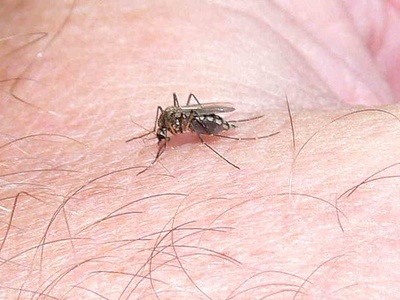
Aedes aegypti
Day‑biting mosquito that spreads dengue, Zika and chikungunya. Bites cause itching; infections can be serious. Prevent with repellent, screens, and removing standing water; seek medical care for fever and severe symptoms.
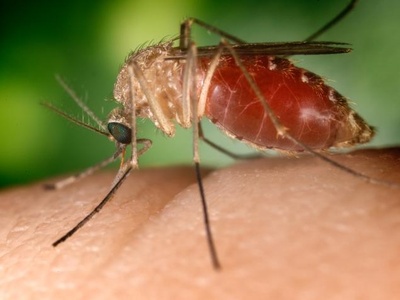
Culex quinquefasciatus
Nocturnal mosquito that transmits filarial parasites and can spread encephalitis viruses. Bites are itchy; disease risk depends on exposure. Use bed nets, repellents, and eliminate standing water; see a doctor for fever or persistent symptoms.
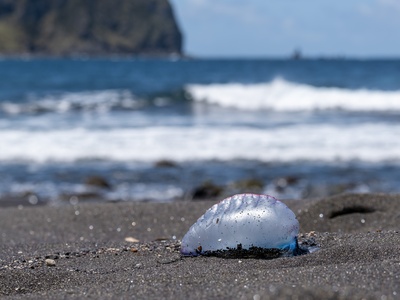
Portuguese man o’ war
Siphonophore with long tentacles causing intense burning stings, welts, systemic reactions in sensitive people. Rinse with seawater, remove tentacles with a stick, immerse in hot water and seek medical help for severe pain or breathing difficulty.
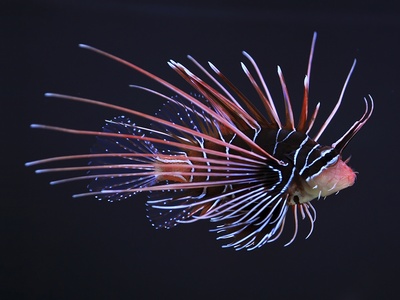
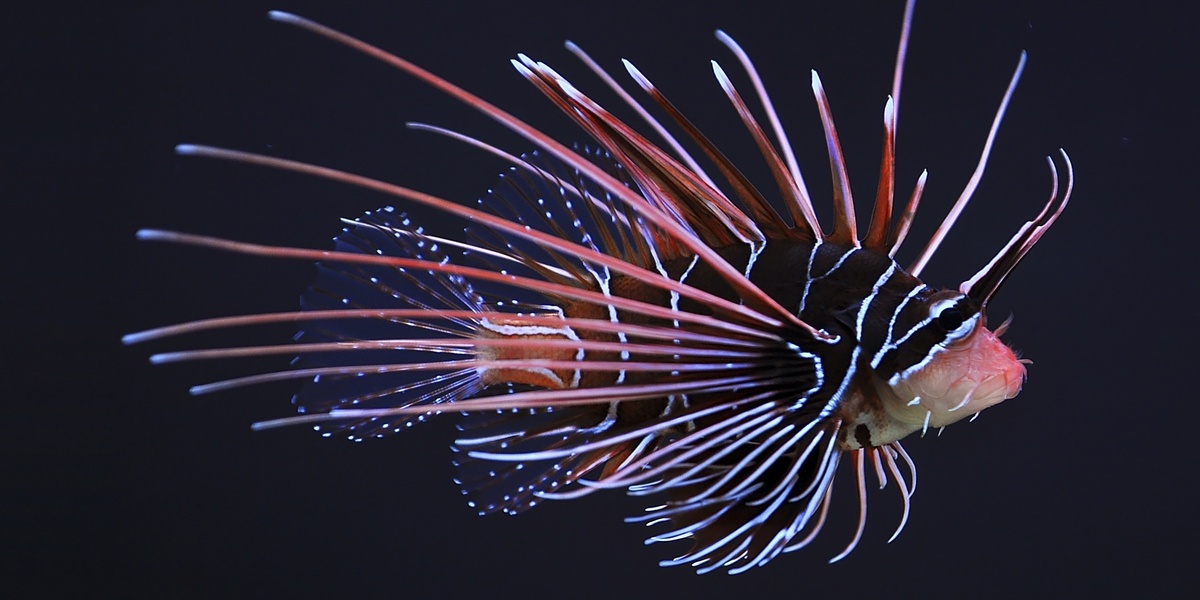
Lionfish
Invasive reef fish with venomous dorsal spines causing sharp pain, swelling and nausea after punctures. Avoid handling; use puncture‑wound first aid (immersion in hot water) and seek medical care for severe pain or infection.
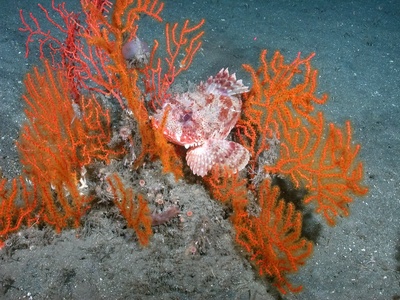
Spotted scorpionfish
Well‑camouflaged bottom fish with venomous dorsal spines causing intense local pain, swelling and possible infection. Avoid stepping on or touching reef bottom; hot‑water immersion and medical attention recommended for severe symptoms.
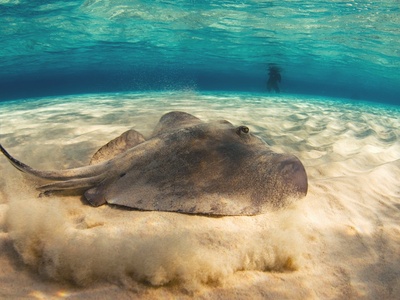
Southern stingray
Benthic ray with a barbed venomous tail; puncture wounds can cause severe pain, bleeding, envenomation and rare fatality. Shuffle feet when entering shallow water, avoid harassing rays; control bleeding, immerse wound in hot water and seek urgent care.
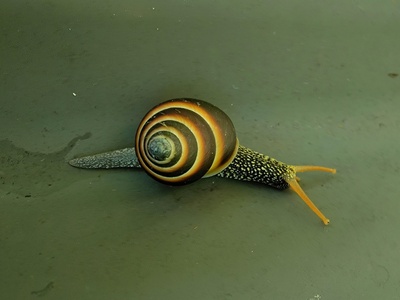
Cone snail (regius)
Predatory snail with a harpoon-like toxin that can cause intense pain, paralysis and respiratory failure in rare cases. Do not handle live snails; if stung, seek immediate medical attention and supportive care.
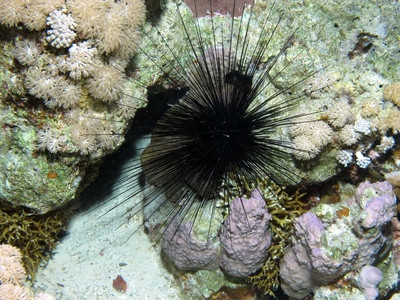
Long-spined sea urchin
Sharp brittle spines puncture skin causing pain, bleeding and possible infection or spine fragments under skin. Wear water shoes, avoid stepping on sea urchins; remove visible spines, soak in hot water and get medical care for retained fragments.
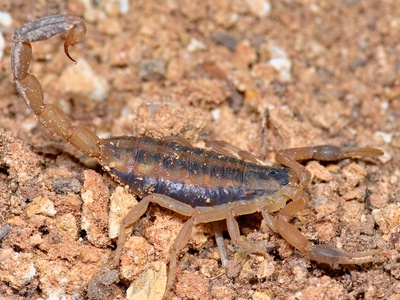
Scorpion (bark scorpion)
Small to medium scorpion causing painful stings, paresthesia and rarely systemic effects in children or allergic people. Shake out shoes, avoid hands in dark crevices; clean sting, apply cold pack and seek medical care for severe symptoms.
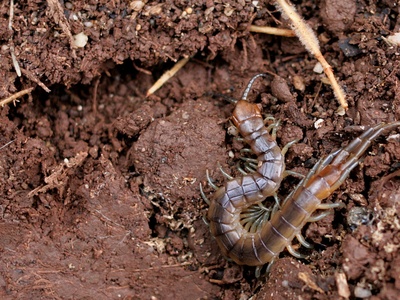
Centipede (large Scolopendra)
Large tropical centipede delivers painful bites with local swelling, fever and rarely systemic symptoms. Avoid handling, wear shoes outdoors; clean bite, apply analgesia and seek medical care if severe allergic or systemic signs develop.
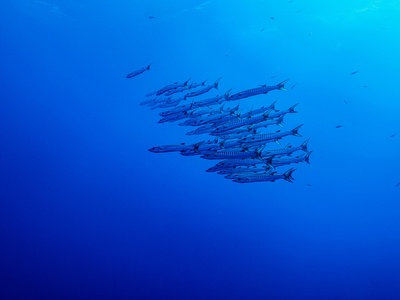
Great barracuda
Large predatory fish known for occasional aggressive bites causing deep lacerations; also implicated in ciguatera poisoning risk. Avoid shiny jewelry while snorkeling, keep distance from spearfishing activity; seek urgent wound care for bites.
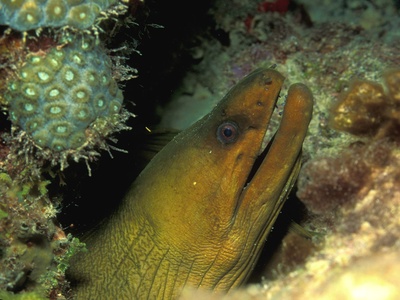
Moray eel (green moray)
Powerful jaws inflict deep bites that can lead to severe lacerations and infection. Do not probe holes or feed eels; control bleeding, clean wounds, and get prompt medical and antibiotic treatment for bites.
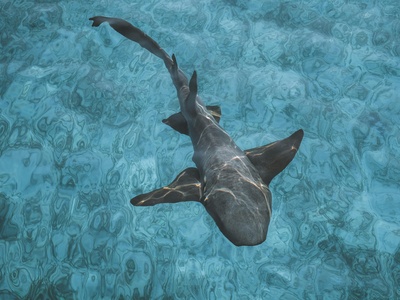
Nurse shark
Generally docile but can bite when provoked or cornered, causing lacerations and infection. Avoid touching or disturbing sharks, especially when resting; clean bites, control bleeding, and seek medical care for sutures or infection.
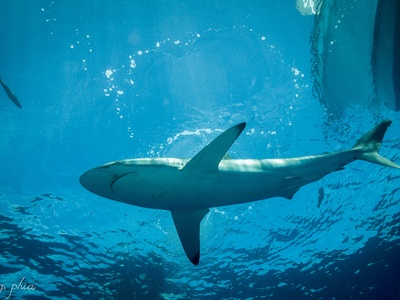
Caribbean reef shark
Medium-sized shark occasionally involved in unprovoked bites near reefs. Maintain safe distance, avoid swimming at dawn/dusk or in murky water; seek immediate medical care for any shark bite.
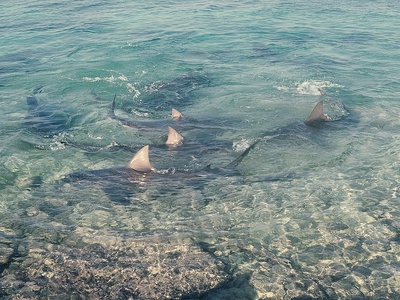
Bull shark
Powerful nearshore shark capable of severe attacks; rare but serious. Avoid swimming alone near river mouths, murky water or after heavy rain; in attack control bleeding and seek emergency care immediately.
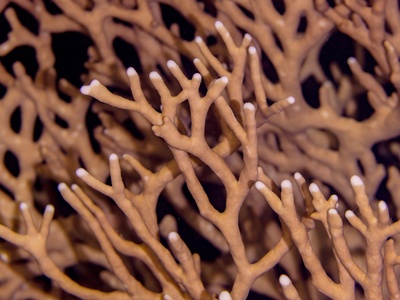
Fire coral
Colonial hydrozoan that produces painful contact dermatitis and welts resembling jellyfish stings. Avoid touching reef structures, wear protective swimwear; rinse with seawater, remove debris, and seek medical care for severe or spreading reactions.
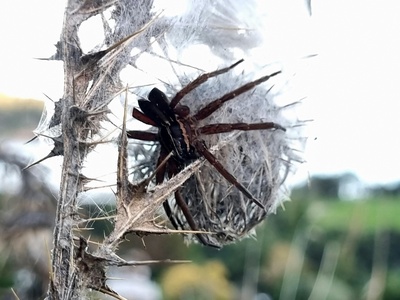
Caribbean widow spider
Venomous bite causes localized pain, sweating, muscle cramps and autonomic symptoms in some cases. Avoid reaching into undisturbed spaces, shake boots and gloves; clean bite, seek medical attention for systemic signs or severe pain.
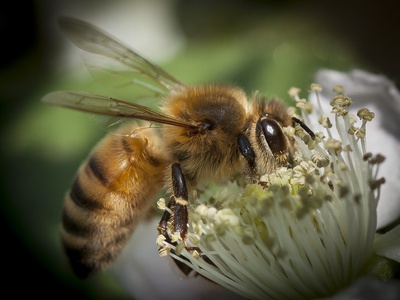
Honey bee
Stinging insect causing painful stings; multiple stings or allergy can be life‑threatening. Avoid provoking hives, cover food outdoors; remove stinger promptly, apply cold compress and seek emergency care for breathing difficulty or anaphylaxis.
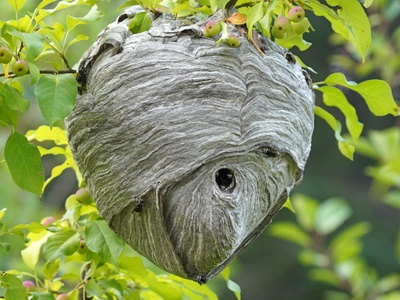
Paper wasps/Yellowjackets
Aggressive stinging insects capable of multiple stings and triggering allergic reactions. Avoid nests, keep food covered outdoors; treat stings with cold, antihistamines and seek urgent care for severe allergic response.
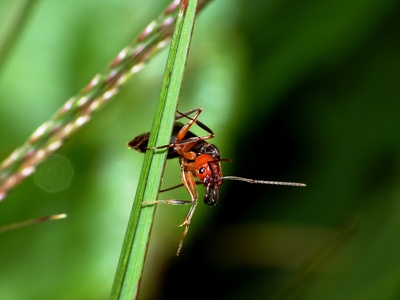
Red imported fire ant
Small aggressive ants delivering multiple painful stings that can blister and cause allergic reactions. Avoid ant mounds, wear shoes outdoors; wash stings, apply cold packs, and seek medical care for anaphylaxis or severe spreading reactions.

Black rat
Rodent that can bite and contaminate food or environments, potentially transmitting leptospirosis and other zoonoses. Avoid contact, store food securely, seek medical attention after bites and when fever or unusual illness develops.
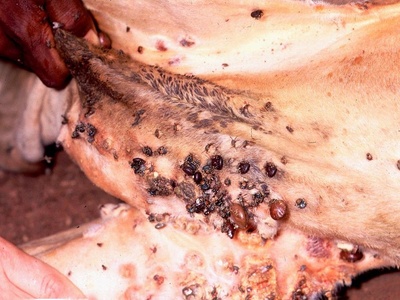
Tropical bont tick
Tick that can bite humans causing local irritation and transmit rickettsial pathogens. Wear long clothing, use repellents, check for ticks; remove ticks promptly with tweezers and seek care for fever or rash after a tick bite.
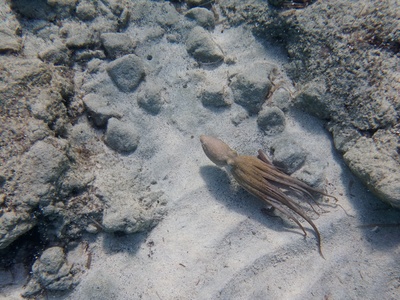
Octopus (common)
Can deliver a painful bite and cause bruising; local irritation possible but serious envenomation rare in Caribbean. Do not reach into crevices or handle; clean bites, watch for infection and seek medical care if symptoms worsen.
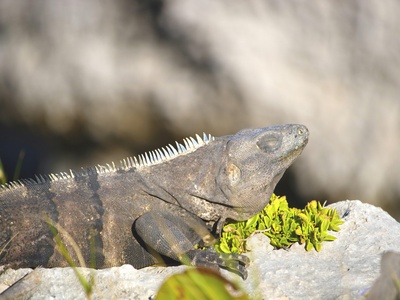
Green iguana
Large lizard that may bite or lash with tail causing lacerations; low venom risk but wounds can become infected. Do not corner or handle; clean and dress wounds, seek medical care for deep bites or infection.
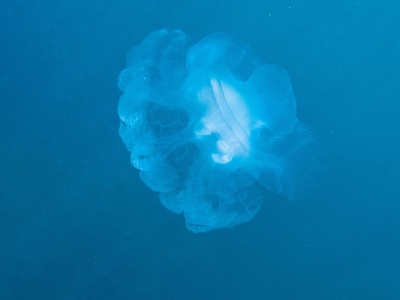
Lion’s mane jellyfish (aggregates)
Stinging jellyfish that cause burning skin pain, welts and systemic symptoms in some people. Avoid swimming during blooms, heed beach warnings; rinse with seawater, remove tentacles, apply hot water and get medical attention for severe reactions.
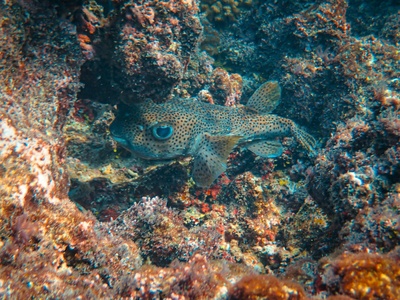
Scorpionfish (general)
Family of camouflaged fish with venomous spines causing severe local pain, swelling and possible systemic effects. Avoid touching substrate or stepping on hidden fish; hot‑water immersion and medical evaluation recommended after envenomation.
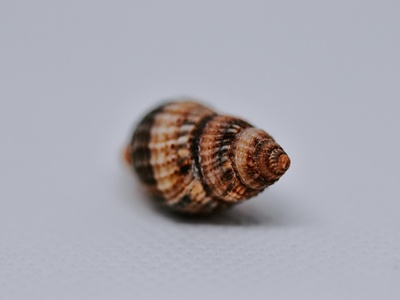
Cone snail (other species)
Venomous predatory snail capable of delivering neurotoxic stings causing paralysis. Do not handle live cone snails; seek immediate medical care if stung because respiratory support may be necessary.
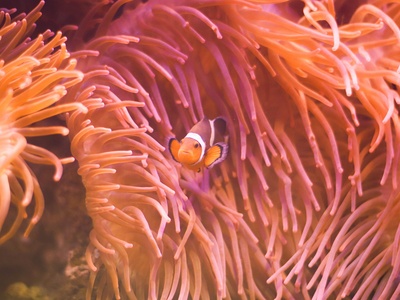
Sea anemone (stinging species)
While many produce mild stings, some can cause painful dermatitis and allergic reactions on contact. Avoid touching reef life, wear protective clothing; rinse with seawater, avoid fresh water, and seek care for severe or spreading reactions.