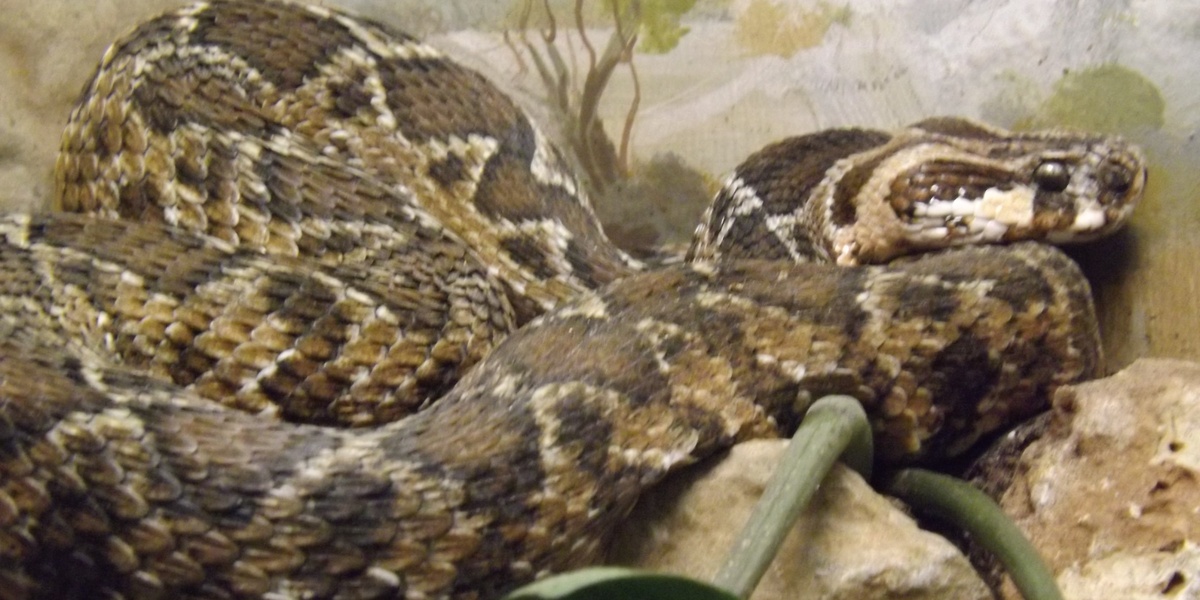
Israel’s varied landscapes—from Mediterranean coast and Galilee hills to the Negev desert and coastal plains—host a surprising range of wildlife, and some of those species can pose real risks to people, livestock and pets depending on where you travel and what you do outdoors.
There are 27 Dangerous Animals in Israel, ranging from Bats (rabies risk) to Wild boar; entries are organized with columns Scientific name,Danger (type & severity),Where found (region/habitat) to help you quickly identify the hazard and location you’ll find below.
How likely am I to encounter dangerous animals while hiking in Israel?
Encounters depend on region, season and behavior—snakes and scorpions are more common in rocky, arid areas and at night, wild boar appear near agricultural or wooded zones, and bats may be near caves or old buildings; reduce risk by staying on marked trails, wearing sturdy shoes, avoiding turning over rocks, keeping a safe distance from wildlife, securing food and supervising pets.
What should I do if bitten or scratched by a bat or other animal?
Clean the wound with soap and water, seek medical attention promptly for wound care and rabies assessment (bats are a known risk), try to safely capture or report the animal for testing only if possible without further exposure, and follow local health authority guidance on post-exposure prophylaxis.
Dangerous Animals in Israel
| Name | Scientific name | Danger (type & severity) | Where found (region/habitat) |
|---|---|---|---|
| Palestine viper | Daboia palaestinae | venomous, high | Throughout Israel; fields, orchards, rocky hills |
| Saw-scaled viper | Echis coloratus | venomous, high | Negev, Arava, Eilat deserts; rocky sandy habitats |
| Montpellier snake | Malpolon monspessulanus | venomous (rear-fanged), medium | Woodland, scrub, agricultural areas, Mediterranean hills |
| Cat snake (Telescopus) | Telescopus fallax | venomous (rear-fanged), low–medium | Rocky, arid regions and scrub across Israel |
| Deathstalker scorpion | Leiurus quinquestriatus | venomous, high | Negev, Sinai, southern deserts; rocky and sandy terrain |
| Black fat-tailed scorpion | Androctonus crassicauda | venomous, high | Southern Israel and Sinai regions; arid rocky habitat |
| Buthus scorpion | Buthus occitanus complex | venomous, medium | Northern and central Israel; scrub, fields, rocky ground |
| Hottentotta scorpion | Hottentotta judaicus | venomous, medium | Coastal plains and some inland areas |
| Black widow / Mediterranean widow | Latrodectus spp. | venomous, medium | Coastal, agricultural areas, gardens, rocky sites |
| Recluse spider | Loxosceles rufescens | venomous, medium | Urban, buildings, stone walls, attics across Israel |
| Stonefish | Synanceia verrucosa | venomous, high | Red Sea (Eilat) reefs; rocky seabed shallow waters |
| Lionfish | Pterois miles | venomous, medium | Red Sea and eastern Mediterranean (invasive); coral reefs, rocky areas |
| Cone snail | Conus spp. | venomous, high | Red Sea reefs and sandy areas |
| Sea urchin | Diadema setosum | venomous/traumatic, medium | Red Sea reefs and shallow rocky shores |
| Common stingray | Dasyatis pastinaca | venomous (barb), medium | Mediterranean and Red Sea shallow sandy bottoms |
| Mauve stinger jellyfish | Pelagia noctiluca | venomous, medium | Mediterranean coast; open water and bathing beaches seasonally |
| Nomad jellyfish (invasive) | Rhopilema nomadica | venomous, medium | Eastern Mediterranean beaches (Lessepsian migrant); coastal waters |
| Sandfly | Phlebotomus spp. | disease vector, high | Rural, arid and peri-urban areas; caves and rodent burrows |
| Mosquito (vector) | Culex, Aedes spp. | disease vector, medium–high | Coastal, urban, wetlands and standing water sites across Israel |
| Tick (Hyalomma, Ixodes, Rhipicephalus) | Hyalomma spp.; Ixodes ricinus; Rhipicephalus sanguineus | disease vector, high | Grasslands, forests, coastal hills, grazing areas |
| Stray dog | Canis familiaris (stray) | aggressive/disease vector, medium–high | Urban and rural areas nationwide |
| Wild boar | Sus scrofa | aggressive, medium | Galilee, Carmel, Golan, woodland edges |
| Red fox | Vulpes vulpes | disease vector/aggressive potential, medium | Widespread; urban edges, agricultural land, forests |
| Golden jackal | Canis aureus | disease vector/aggressive potential, medium | Coastal plains, Negev margins, northern hills |
| Bats (rabies risk) | Various bat species (Chiroptera) | disease vector, high | Caves, buildings, orchards, urban areas |
| Rats | Rattus norvegicus, R. rattus | disease vector, medium | Urban sewers, agricultural areas, storage and farms |
| Bees and wasps | Apis mellifera; Vespula spp.; Vespa orientalis | stinging insects, low–high | Gardens, agricultural areas, urban parks nationwide |
Images and Descriptions
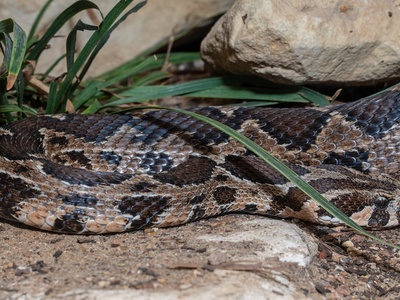
Palestine viper
Powerful hemotoxic venom causes local pain, swelling and systemic effects; responsible for many bites. Common near farms and paths at night. Avoid tall grass, wear boots, seek immediate medical care and antivenom for severe symptoms.
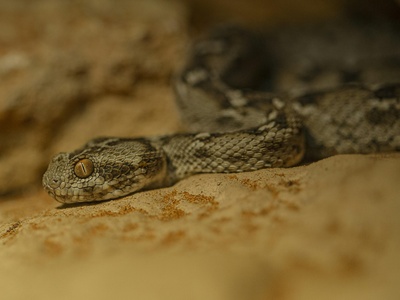
Saw-scaled viper
Small, defensive desert viper with potent venom causing bleeding, pain and systemic signs. Active in hot months and hides under rocks. Watch rocky desert terrain, use a flashlight at night, and get urgent hospital care after a bite.
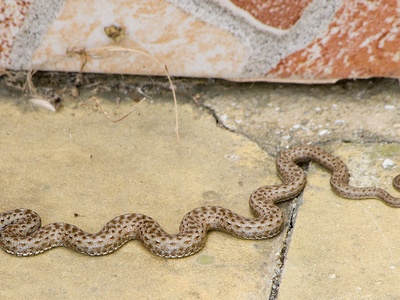
Montpellier snake
Large, fast colubrid with rear fangs that can inject venom causing significant local injury and rare systemic reactions. Bites occur when handled or cornered. Avoid handling, supervise pets, clean wounds and seek medical attention if symptoms develop.
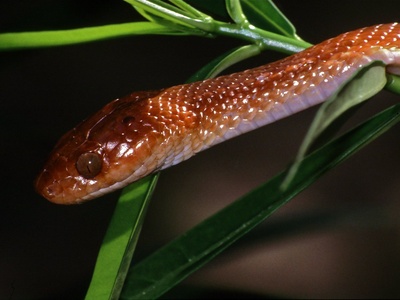
Cat snake (Telescopus)
Nocturnal rear-fanged snake with mild venom; bites may cause local pain and swelling and occasional systemic signs. Not usually fatal but can be painful. Avoid picking up snakes and consult medical care for bite management.
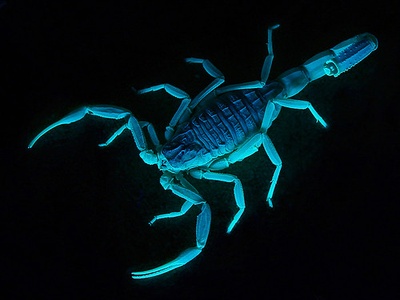
Deathstalker scorpion
Highly venomous scorpion whose sting can cause severe pain, neurotoxic symptoms and life-threatening reactions in children. Found under stones and in homes in desert margins. Shake shoes, check bedding, seek emergency care for severe stings.
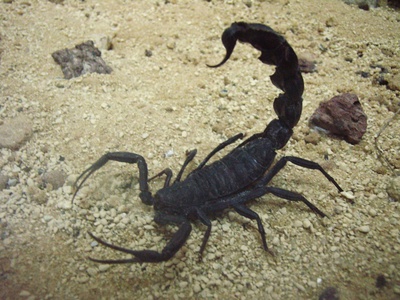
Black fat-tailed scorpion
Powerful scorpion with neurotoxic venom that can produce severe systemic symptoms. Nocturnal and hides in crevices. Use caution in desert areas, inspect footwear, and get urgent medical attention for stings, especially in children.
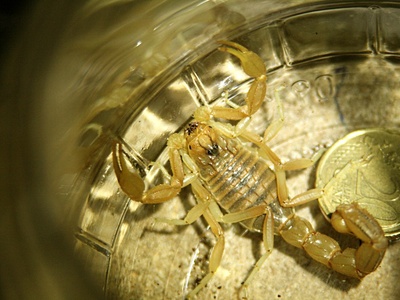
Buthus scorpion
Common medium-sized scorpion with painful sting causing local pain and occasional systemic effects. Often encountered at night. Prevent by checking shoes and bedding; treat stings symptomatically and seek care if worrying symptoms occur.
Hottentotta scorpion
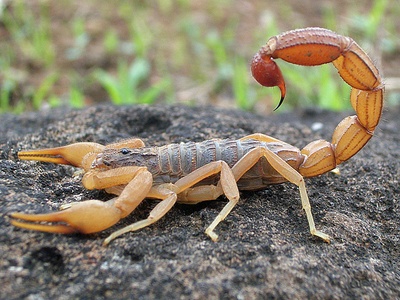
Moderately venomous scorpion with painful stings that can cause local swelling and systemic symptoms in sensitive people. Found under debris and stones. Take usual scorpion precautions and seek medical help if signs of systemic envenomation occur.

Black widow / Mediterranean widow
Widow spiders deliver neurotoxic bites causing local pain, muscle cramps and autonomic symptoms. Bites are rarely fatal with proper care. Avoid disturbing piles, wear gloves when gardening, and seek medical help for severe pain or muscle spasms.
Recluse spider
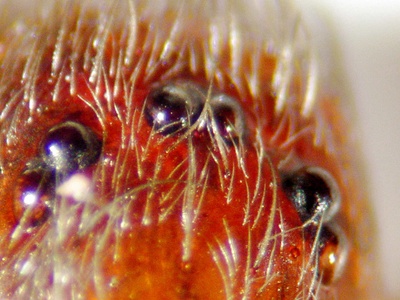
Bite can cause painless initial wound that may develop necrosis and systemic illness in some cases. Often found in homes and storage areas. Avoid handling, clean bites promptly and seek medical evaluation for worsening ulcers or systemic symptoms.
Stonefish
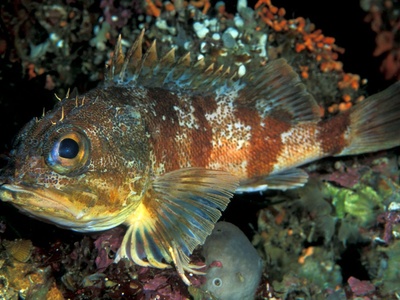
Extremely venomous reef fish that delivers painful, potentially life-threatening stings when stepped on. Found buried on seabed. Wear protective footwear in shallow reef areas, avoid touching, and seek urgent medical treatment for intense pain and possible antivenom.
Lionfish
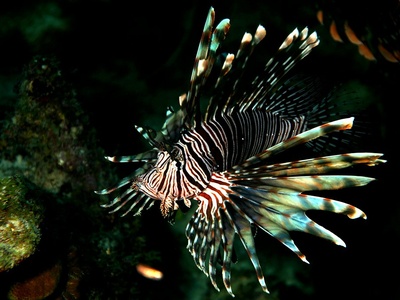
Introduced venomous predator with spiny fins causing painful envenomations, swelling and systemic symptoms. Handles should not be touched. Wear protective gloves, avoid handling, and get medical care for severe pain or allergic reactions.
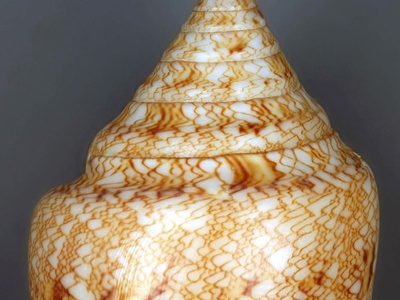
Cone snail
Tropical predatory snail with a harpoon-like venomous sting capable of causing severe systemic neurotoxic symptoms and occasional fatalities. Do not pick up shells on reefs. If stung, seek immediate emergency care—pressure immobilization and rapid transport advised.
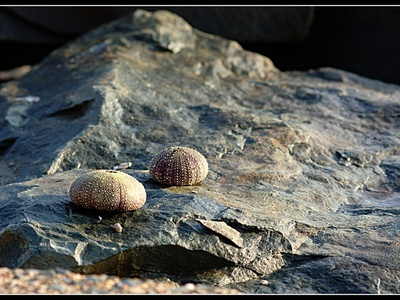
Sea urchin
Long spines can puncture skin, sometimes delivering mild venom and causing intense pain, infection risk and retained spines. Wear reef shoes, avoid stepping on urchins, remove spines carefully and seek medical attention for embedded spines or infection.
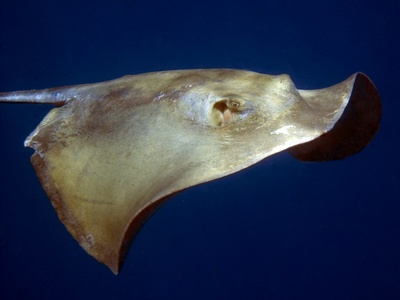
Common stingray
Stingrays can injure swimmers stepping on them; venomous barbs cause severe pain and wound complications. Shuffle feet in shallow water to avoid stepping on rays. Immerse wound in hot water and seek medical care for deep injuries.
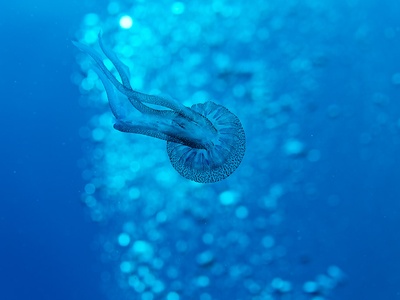
Mauve stinger jellyfish
Pelagic jellyfish causing painful skin stings, rashes and systemic symptoms in sensitive people. Seasonal blooms can close beaches. Rinse with seawater (not freshwater), remove tentacles carefully, apply heat and seek care for severe reactions.
Nomad jellyfish (invasive)
Invasive Red Sea jellyfish produces large swarms that sting swimmers causing painful lesions and sometimes systemic effects. Seasonal beach outbreaks occur. Beach warnings common—avoid swimming during blooms, treat stings with seawater and seek medical help if needed.
Sandfly
Tiny nocturnal flies that transmit cutaneous leishmaniasis causing skin ulcers and long-term scarring. Prevent with repellents, nets and protective clothing. Seek medical diagnosis and treatment for chronic ulcerating skin lesions after travel in endemic areas.
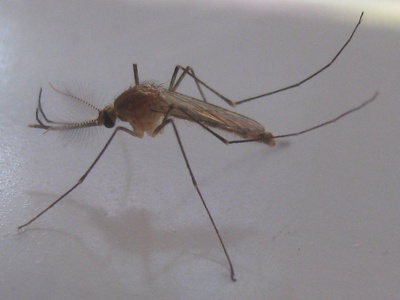
Mosquito (vector)
Mosquitoes transmit West Nile virus and can carry dengue/Zika potential. Bites cause nuisance and, rarely, serious disease. Remove standing water, use repellents and nets, and seek care for fever, severe headache or neurological symptoms.
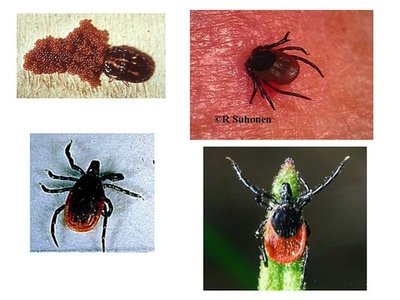
Tick (Hyalomma, Ixodes, Rhipicephalus)
Ticks in Israel can transmit Crimean–Congo hemorrhagic fever, Lyme and rickettsial diseases. Check for ticks after outdoor activity, remove promptly with fine-tipped tweezers, and seek advice for fever or rash after a tick bite.
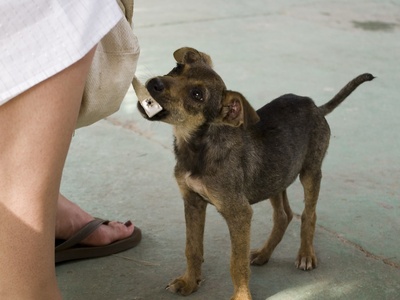
Stray dog
Stray dogs may bite, causing trauma and risk of rabies or bacterial infection. Avoid approaching or feeding strays, vaccinate pets, wash bites thoroughly and seek urgent medical care and rabies post-exposure prophylaxis when indicated.
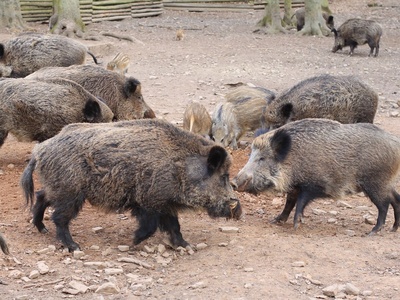
Wild boar
Wild boar can be aggressive if cornered or if piglets are present; powerful tusk injuries occur and can be severe. Avoid hiking off-trail at dawn/dusk, keep dogs leashed, and seek emergency care for deep wounds and infections.
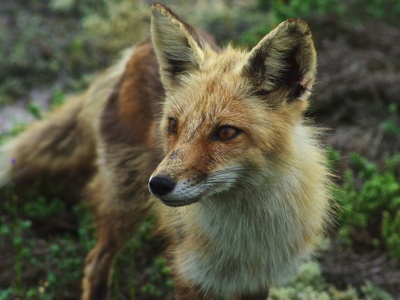
Red fox
Foxes occasionally bite and can carry rabies and parasitic infections. Avoid approaching or feeding wildlife, secure food sources, vaccinate pets, and seek medical advice after bites or contact with suspect animals.
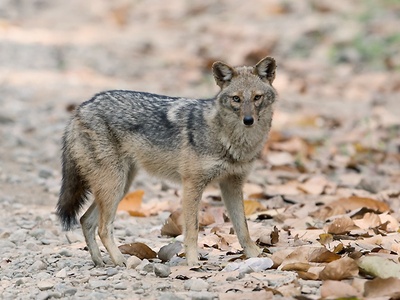
Golden jackal
Jackals are generally shy but may approach settlements and can carry rabies. Avoid contact, do not feed wild animals, report abnormal behavior to authorities, and seek post-exposure care if bitten or scratched.
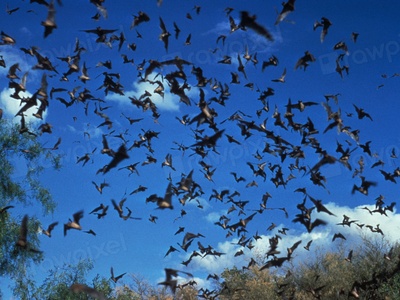
Bats (rabies risk)
Bats can carry rabies virus; bites or mucous membrane exposure is rare but risky. Do not handle bats, supervise children, and seek immediate medical advice and rabies prophylaxis after any potential exposure.
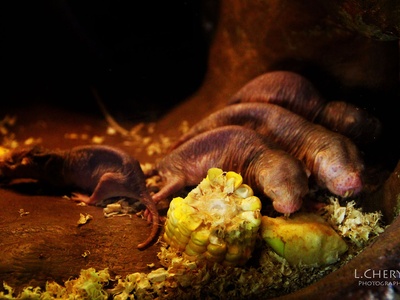
Rats
Rodents spread leptospirosis, hantavirus, salmonella and fleas carrying rickettsial infections. Control vermin, store food securely, avoid contact with droppings, and seek medical care for febrile illness after rodent exposure.
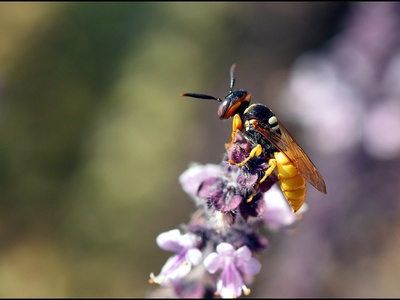
Bees and wasps
Stings cause localized pain and swelling; multiple stings or allergy can cause anaphylaxis, life-threatening without prompt treatment. Avoid disturbing nests, wear protective clothing, carry epinephrine if allergic, and seek immediate emergency care for severe reactions.