Mexico’s landscapes—from coastal mangroves and tropical lowlands to deserts and highlands—host a wide variety of wildlife, and some species can pose real risks to people. Knowing which animals are dangerous and where they live helps residents and visitors stay safer without exaggerating the threat.
There are 34 Dangerous Animals in Mexico, ranging from the tiny Aedes aegypti mosquito to the large Western diamondback rattlesnake. For each species — Scientific name, Danger level, Typical habitat (region) — you’ll find below.
Which animals pose the greatest risk to people in Mexico?
Mosquitoes like Aedes aegypti are responsible for widespread disease transmission (dengue, Zika, chikungunya) and cause more human harm overall than most large predators; venomous snakes (including the Western diamondback rattlesnake), scorpions, and certain marine animals (e.g., box jellyfish) are the next highest risks, especially in areas where people live or work without protective measures.
How can I reduce my risk of dangerous animal encounters while in Mexico?
Avoid high-risk habitats at dawn/dusk, use insect repellent and bed nets in mosquito-prone areas, wear sturdy footwear and be cautious around rocks and tall grass for snakes and scorpions, follow local warnings about marine hazards, and seek prompt medical care if bitten or stung.
Dangerous Animals in Mexico
| Name | Scientific name | Danger level | Typical habitat (region) |
|---|---|---|---|
| Mexican beaded lizard | Heloderma horridum | Moderate — venomous bite, painful swelling | Pacific coastal dry forest and deciduous forests (southern/central Mexico) |
| Gila monster | Heloderma suspectum | Moderate — venomous bite, intense local pain | Sonoran Desert, NW Mexico (Baja California, Sonora) |
| Central American coral snake | Micrurus nigrocinctus | High — potent neurotoxic venom, respiratory failure risk | Pacific and Atlantic lowland forests, southern and central Mexico (Chiapas, Oaxaca, Veracruz) |
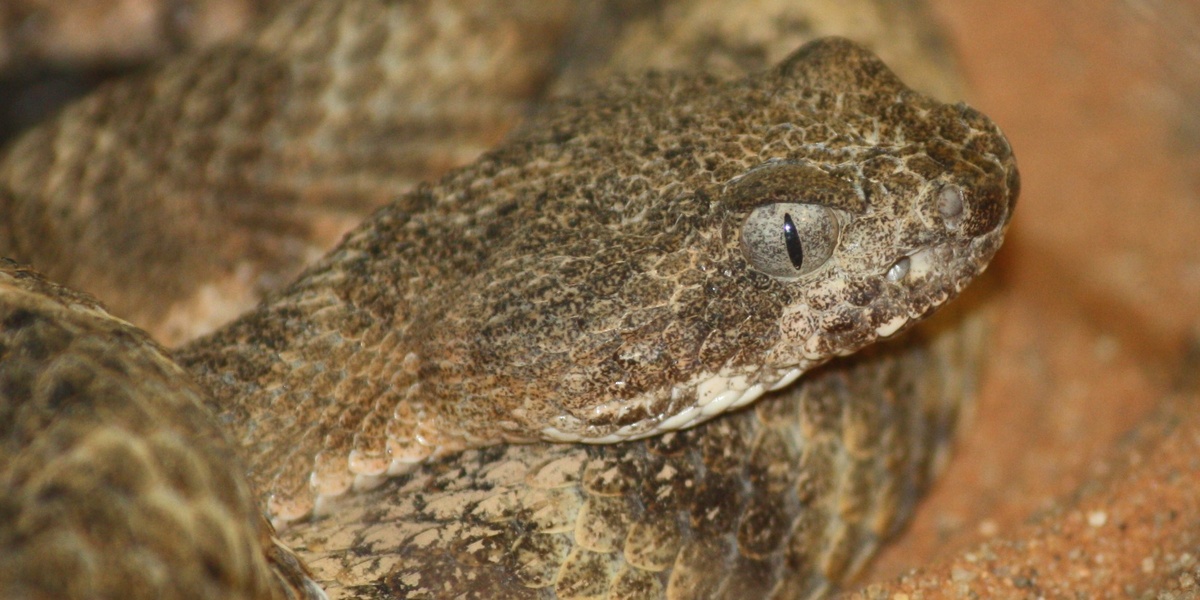
| Western diamondback rattlesnake | Crotalus atrox | High — hemotoxic venom, tissue damage and bleeding | Deserts, scrub and grasslands (northern Mexico: Sonora, Chihuahua, Coahuila) |
| Mojave rattlesnake | Crotalus scutulatus | High — potent neurotoxic and hemotoxic venom | Deserts and arid scrub (northern Mexico, Sonora, Chihuahua) |
| South American rattlesnake (tropical rattlesnake) | Crotalus durissus | High — neurotoxic/hemotoxic venom, systemic collapse risk | Tropical lowlands and valleys (southern Mexico regions, Guerrero, Oaxaca) |
| Mexican west-coast rattlesnake | Crotalus basiliscus | High — potent hemotoxic venom, severe local effects | Pacific slope and coastal lowlands (Nayarit, Jalisco, Colima) |
| Bark scorpion | Centruroides sculpturatus | High — neurotoxic venom, severe pain and respiratory risk in children | Arid and semi-arid regions, Sonora and Chihuahua, northern Mexico |
| Mexican scorpion (high‑risk) | Centruroides noxius | High — potent neurotoxic venom, systemic symptoms possible | Western Mexico (Nayarit to Jalisco), dry forests and human habitations |
| Black widow spider | Latrodectus mactans | Moderate — neurotoxic venom, muscle pain and cramps | Widely distributed in structures and vegetation (coasts and inland, most states) |
| Brown recluse spider | Loxosceles laeta | Moderate — necrotic venom potential, localized tissue damage | Domestic and rural buildings, urban peripheries (central and southern Mexico) |
| Box jellyfish (Caribbean) | Carybdea alata | High — powerful cardiotoxic/dermatonecrotic venom | Caribbean coast and reefs (Quintana Roo, Yucatán) |
| Portuguese man o’ war | Physalia physalis | High — venomous tentacles, severe pain and systemic reactions | Caribbean and Gulf currents, Gulf of Mexico and Caribbean shores |
| Lionfish | Pterois volitans | Moderate — venomous dorsal spines, intense pain and swelling | Caribbean reefs and rocky areas (Yucatán, Quintana Roo, Caribbean coasts) |
| Scorpionfish | Scorpaena plumieri | Moderate — venomous spines, severe pain and envenomation | Shallow reefs and rocky bottoms (Caribbean and Gulf coasts) |
| Cone snail (venomous) | Conus ermineus | High — conotoxins cause paralysis, potentially fatal | Reef and rocky intertidal zones (Caribbean coast, Yucatán) |
| Stingray | Hypanus americanus | Moderate — puncture and venom from tail spine, intense pain | Sandy shallow waters, bays and lagoons (Caribbean and Gulf coasts) |
| Bull shark | Carcharhinus leucas | High — aggressive, powerful bite risk inshore and rivers | Warm coastal waters, estuaries and rivers (Gulf coast, Caribbean, river mouths) |
| Tiger shark | Galeocerdo cuvier | High — large, powerful predator, bite risk in coastal waters | Tropical and subtropical coasts (Caribbean, southern Pacific) |
| Great white shark | Carcharodon carcharias | High — large predatory bite, severe trauma possible | Off Pacific coast, especially Baja California offshore waters |
| American crocodile | Crocodylus acutus | High — ambush predator, strong bite and drowning risk | Coastal mangroves, estuaries and brackish lagoons (Pacific and Caribbean coasts) |
| Morelet’s crocodile | Crocodylus moreletii | High — aggressive if provoked, strong bite | Freshwater lagoons, rivers and wetlands (Yucatán Peninsula, Campeche, Quintana Roo) |
| Jaguar | Panthera onca | Low to moderate — rare attacks, powerful predator | Tropical forests and wetlands (Chiapas, Oaxaca, southern states) |
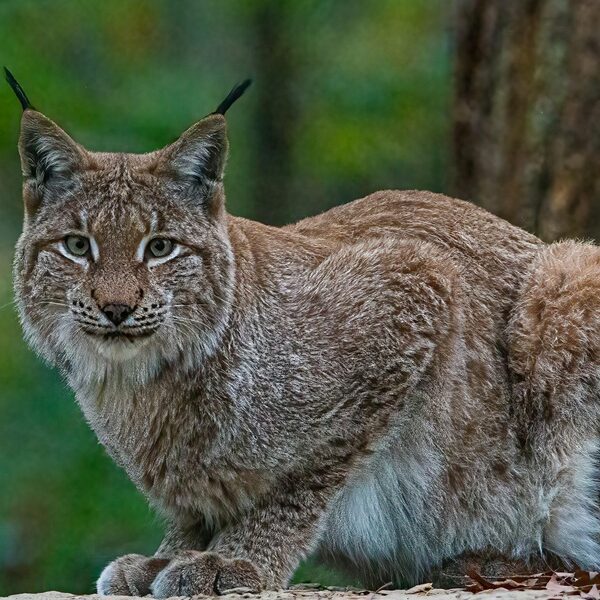
| Cougar (puma) | Puma concolor | Low — rare predatory attacks, strong bite/scratch risk | Forests, mountains and deserts broadly distributed (northern to central Mexico) |
| Feral hog / wild boar | Sus scrofa | Moderate — aggressive, tusk wounds and trampling | Woodlands, agricultural edges and foothills (throughout Mexico) |
| Coyote | Canis latrans | Low to moderate — bites and rabies vector potential | Open country, suburbs and cities across Mexico |
| Vampire bat | Desmodus rotundus | High — rabies vector and blood loss in livestock/humans | Tropical and subtropical regions (southern Mexico, Yucatán, Chiapas) |
| Aedes aegypti mosquito | Aedes aegypti | High — disease vector: dengue, Zika, chikungunya | Urban and peri-urban areas, warm lowlands (widespread coastal and inland states) |
| Brown dog tick | Rhipicephalus sanguineus | Moderate — vector of Rickettsia and other pathogens | Peridomestic, yards and kennels (widespread nationally) |
| Kissing bug (triatomine) | Triatoma dimidiata | High — vector of Chagas disease (Trypanosoma cruzi) | Rural houses, thatch and cracks (southern and central Mexico) |
| Red imported fire ant | Solenopsis invicta | Moderate — painful multiple stings, allergic reactions | Urban green spaces and pastures (reported in parts of Mexico) |
| Africanized honey bee | Apis mellifera scutellata (hybrid) | High — aggressive swarms, mass-sting risk | Widespread in rural and suburban areas (throughout Mexico) |
| Tarantula | Brachypelma vagans | Low — bite causes localized pain and irritation | Dry forests and scrub (southern and central Mexico, near human habitations) |
| Sea urchin | Diadema mexicanum | Low to moderate — puncture wounds, retained spines and infection | Rocky intertidal and shallow reefs (Pacific coast) |
Images and Descriptions
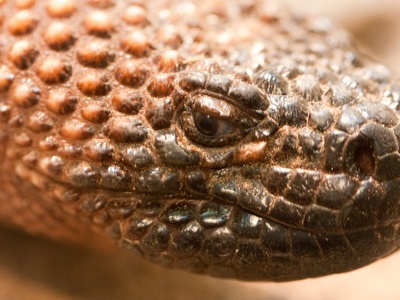
Mexican beaded lizard
A heavy, slow-moving venomous lizard found in rocky, dry areas. Bite injects toxic proteins causing severe pain, nausea and swelling. Avoid handling, keep distance; if bitten clean wound, immobilize, seek urgent medical care for antivenom and monitoring.
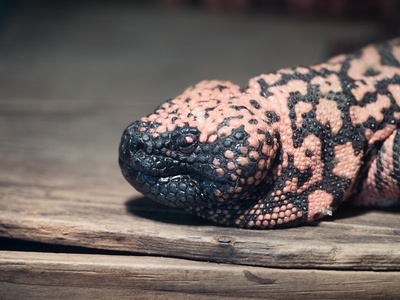
Gila monster
A chunky, slow lizard with bead-like scales and warning coloration. Venom causes intense pain, swelling, nausea; bites occur from handling or stepping near hidden animals. Do not handle, leave space, wash wound, immobilize and get emergency care.
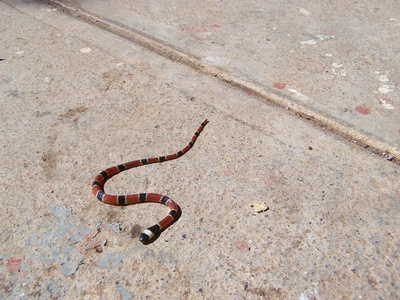
Central American coral snake
Small, brightly banded elapid with fixed small mouth; neurotoxic venom can cause paralysis and breathing difficulty. Avoid handling, do not attempt to suck venom; keep victim calm, immobilize, seek immediate transport for antivenom and respiratory support.
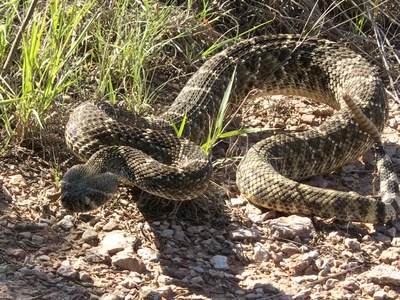
Western diamondback rattlesnake
Large rattlesnake common in arid north; bite causes intense pain, swelling, bleeding and possible systemic effects. Watch for rattle, give space, do not cut or suck wound; immobilize limb, keep victim still and get antivenom-equipped medical care fast.
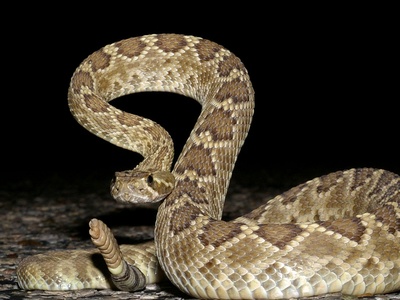
Mojave rattlesnake
One of the most medically serious rattlers; venom can cause neurotoxic symptoms plus coagulopathy. Avoid areas where rattlesnakes hide, wear boots, don’t handle; for bites, keep still, remove jewelry, seek immediate antivenom treatment.
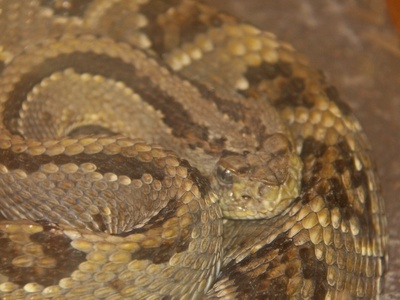
South American rattlesnake (tropical rattlesnake)
A large rattlesnake whose venom can cause paralysis, renal failure and systemic bleeding. Found in warmer lowlands. Avoid hiking alone in dense brush; if bitten, keep calm, immobilize and seek rapid transport to hospital for antivenom and monitoring.
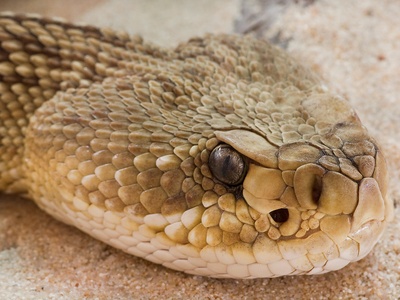
Mexican west-coast rattlesnake
A very large rattlesnake with powerful venom causing severe swelling and systemic symptoms. Common near rocky areas and fields. Give wide berth, wear protective footwear, and seek urgent medical care after a bite.
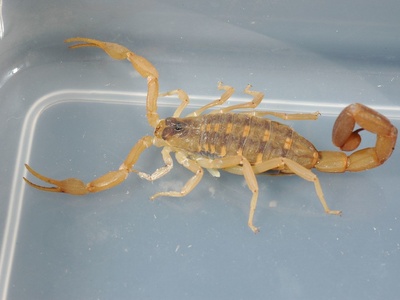
Bark scorpion
Small nocturnal scorpion that hides in homes and under debris; sting causes intense pain, muscle twitching, drooling, respiratory distress in vulnerable people. Shake out shoes/bedding, seal cracks; for severe symptoms get antivenom and support promptly.

Mexican scorpion (high‑risk)
A medically important scorpion whose sting can produce severe pain, vomiting, breathing problems and autonomic symptoms. Avoid handling debris, check bedding, seek emergency care for children or respiratory signs.
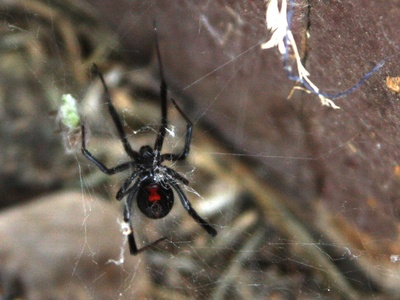
Black widow spider
Shiny black spider with red hourglass. Bite causes severe muscle cramps, abdominal pain, sweating and hypertension. Wear gloves, inspect dark corners; clean bite, apply ice, seek medical care—antivenom may be required for severe cases.
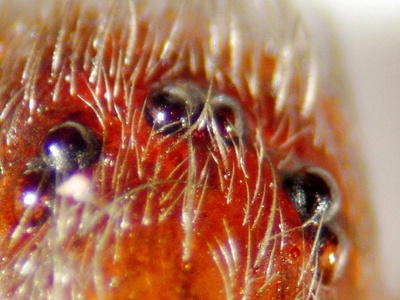
Brown recluse spider
Small brown spider whose bite can cause local necrosis, ulceration and systemic signs in rare severe cases. Avoid storing clothes on floor, shake garments; clean bite, seek medical assessment for wound care and infection prevention.
Box jellyfish (Caribbean)
Small translucent cubomedusa with painful sting causing intense burning, skin necrosis and possible cardiovascular collapse. Avoid swimming in jellyfish season, heed beach warnings; rinse with seawater, remove tentacles with care, immerse in hot water and seek urgent medical care.
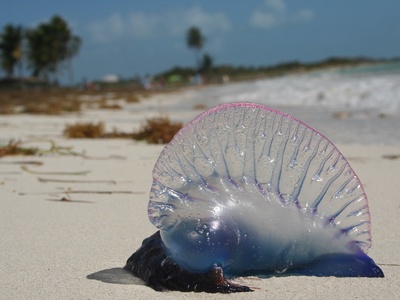
Portuguese man o’ war
Siphonophore with long tentacles that deliver painful stings, welts and systemic symptoms. Do not touch — windblown colonies wash ashore. Rinse with saltwater, remove tentacles with a stick, hot-water immersion for pain, seek care for severe reactions.
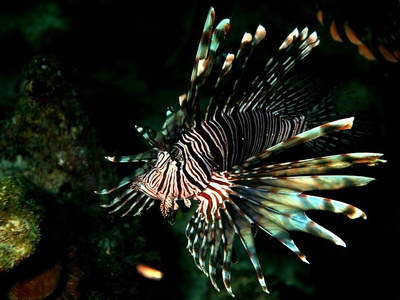
Lionfish
Invasive reef fish with venomous spines causing severe localized pain, swelling and occasional systemic symptoms. Handle only with protective tools if trained; if punctured, soak wound in hot water, seek medical care and watch for infection.
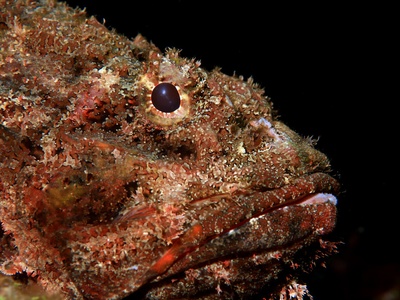
Scorpionfish
Camouflaged bottom fish whose spines inject painful venom producing swelling, weakness and possible infection. Wear water shoes, shuffle feet in shallow water; hot-water immersion relieves pain, get medical care and wound cleaning.
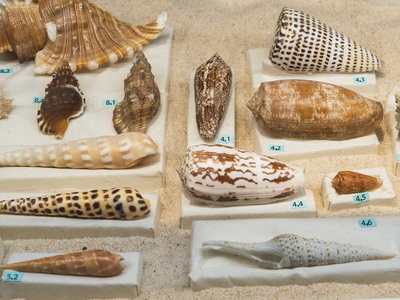
Cone snail (venomous)
Beautiful cone-shaped snail that can fire a harpoon-like tooth delivering neurotoxic venom; bites may cause paralysis and respiratory failure. Never handle live cone snails; if stung, immobilize, seek immediate advanced medical care—no widely available specific antivenom.

Stingray
Stingrays bury in sand and can puncture feet with barbed tail spines causing bleeding, pain and envenomation. Shuffle feet when entering water, avoid stepping on rays; for sting immerse in hot water, control bleeding and seek medical evaluation for possible infection.
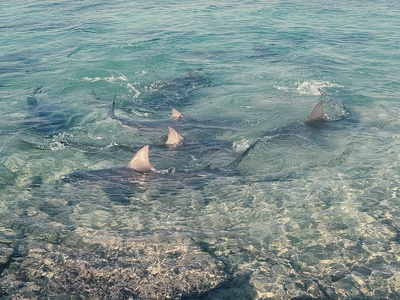
Bull shark
Bull sharks tolerate freshwater and can be aggressive in murky coastal waters and rivers. Avoid swimming at dawn/dusk, near river mouths or with bleeding; if bitten get immediate emergency care—massive bleeding control and surgery often required.
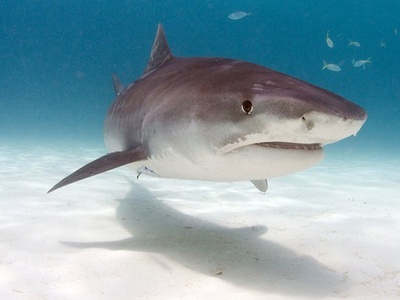
Tiger shark
Large opportunistic shark associated with reefs and open water. Reduce risk by avoiding solitary swimming at low light, don’t splash or wear shiny jewelry; in attack, focus on defending head and torso and get urgent trauma care.
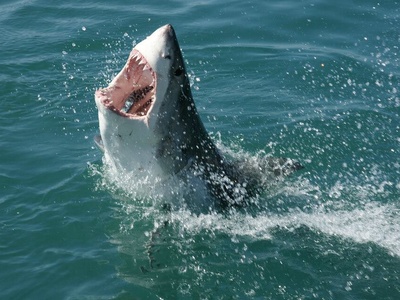
Great white shark
Occasional in northern Pacific off Baja; large and powerful, attacks can cause catastrophic injuries. Avoid seal colonies and rough surf, heed local warnings; immediate trauma care, bleeding control and evacuation are essential after attack.
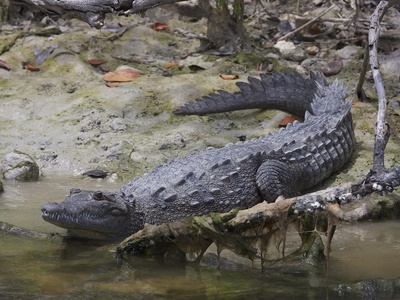
American crocodile
A large crocodile found in warm coastal lagoons; ambush predator capable of dragging prey underwater. Avoid swimming at night in mangroves, keep distance from water edges, do not feed; in attack call for emergency rescue, heavy trauma management required.
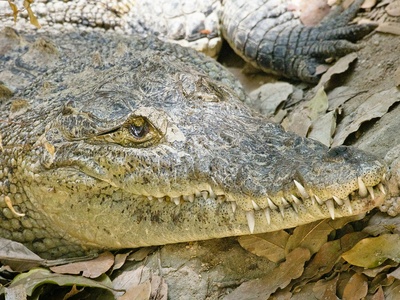
Morelet’s crocodile
Medium-sized crocodile common in Yucatán wetlands. Avoid entering waters near shorelines, do not camp near banks; keep children and pets away; attacks require immediate emergency trauma care and rapid evacuation.

Jaguar
Large solitary cat; attacks on humans are rare but can be fatal when they occur. Avoid hiking alone, keep campsites secure, don’t leave food accessible; if threatened make noise, back away slowly and report sightings to authorities.

Cougar (puma)
Elusive big cat rarely attacking humans. Hike in groups, keep children close, make noise. If confronted stand tall, make yourself large, slowly back away; seek medical care if bitten or scratched due to infection risk.
Feral hog / wild boar
Introduced wild pigs can be territorial and attack when cornered, inflicting deep tusk wounds. Avoid approaching, keep dogs leashed, give pigs wide space; wounds require bleeding control, tetanus check and prompt medical/surgical care.
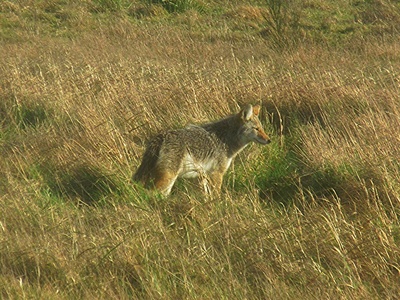
Coyote
Adaptive wild canid that may bite, especially if habituated or rabid. Avoid feeding, secure trash and pets; if bitten wash thoroughly and seek medical care for wound cleaning and rabies prophylaxis assessment.

Vampire bat
Small bat that feeds on blood and can transmit rabies through tiny bites. Avoid contact with bats, vaccinate pets and livestock, seek immediate post‑exposure rabies prophylaxis after any bite or suspected exposure.
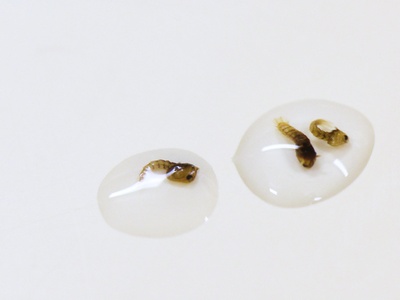
Aedes aegypti mosquito
Small daytime-biting mosquito that transmits multiple viral diseases causing fever, joint pain and birth defects (Zika). Use repellents, long sleeves, screens and eliminate standing water; seek medical care if febrile or with warning signs.
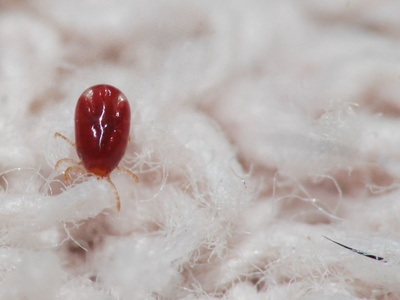
Brown dog tick
Common tick that attacks dogs and sometimes people, transmitting spotted fever and other infections. Check pets and yourself after outdoor exposure, remove ticks with fine tweezers, clean site and seek medical care for fever or rash.
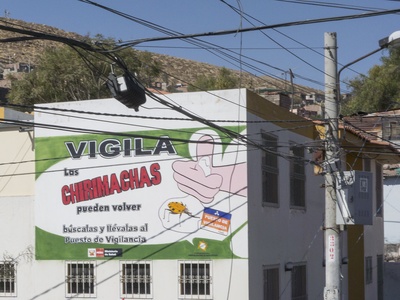
Kissing bug (triatomine)
Blood‑feeding nocturnal bug that can contaminate bite sites with parasite-causing Chagas disease, a chronic cardiac and digestive illness. Improve housing sealing and bed nets, avoid sleeping in infested structures; seek testing after exposure and medical follow-up.
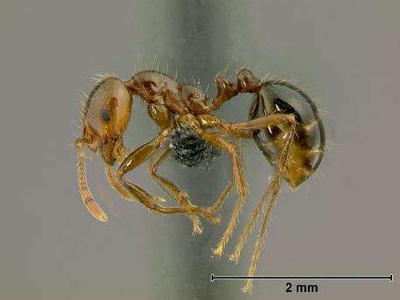
Red imported fire ant
Aggressive invasive ants that swarm and sting causing burning pustules; severe allergic reactions possible. Avoid nests, wear shoes, brush ants off quickly; for stings wash, cold compress and seek emergency care for anaphylaxis.
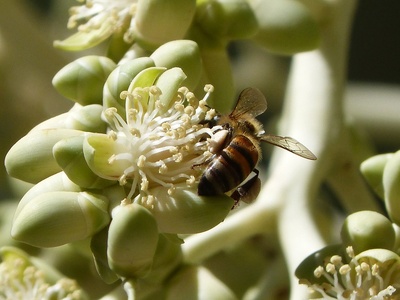
Africanized honey bee
Highly defensive honey bee lineage that can chase and attack in large numbers causing hundreds of stings and fatal anaphylaxis. Remain calm and run to enclosed shelter, cover head, seek immediate medical attention for multiple stings or breathing difficulty.
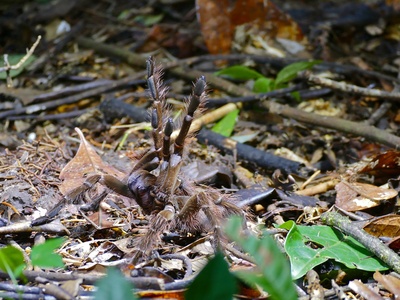
Tarantula
Large hairy spiders with intimidating appearance; bites are uncommon and generally cause localized pain, swelling and urticating hair irritation. Do not handle, keep fingers out of burrows; if bitten clean wound, cold compress and seek care for severe allergic reactions.
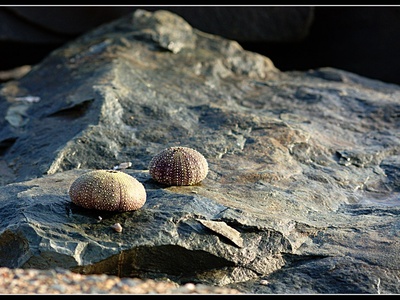
Sea urchin
Long-spined urchins can puncture feet causing painful injuries and retained spine fragments that may lead to infection. Wear reef shoes, shuffle feet when entering water; remove visible spines, soak in hot water for pain relief and seek medical removal of deep fragments and tetanus check.