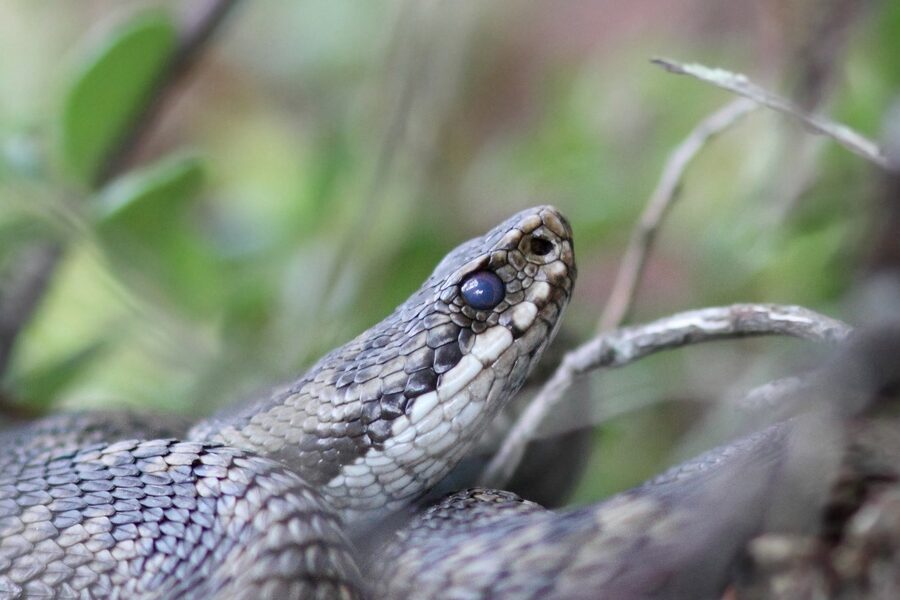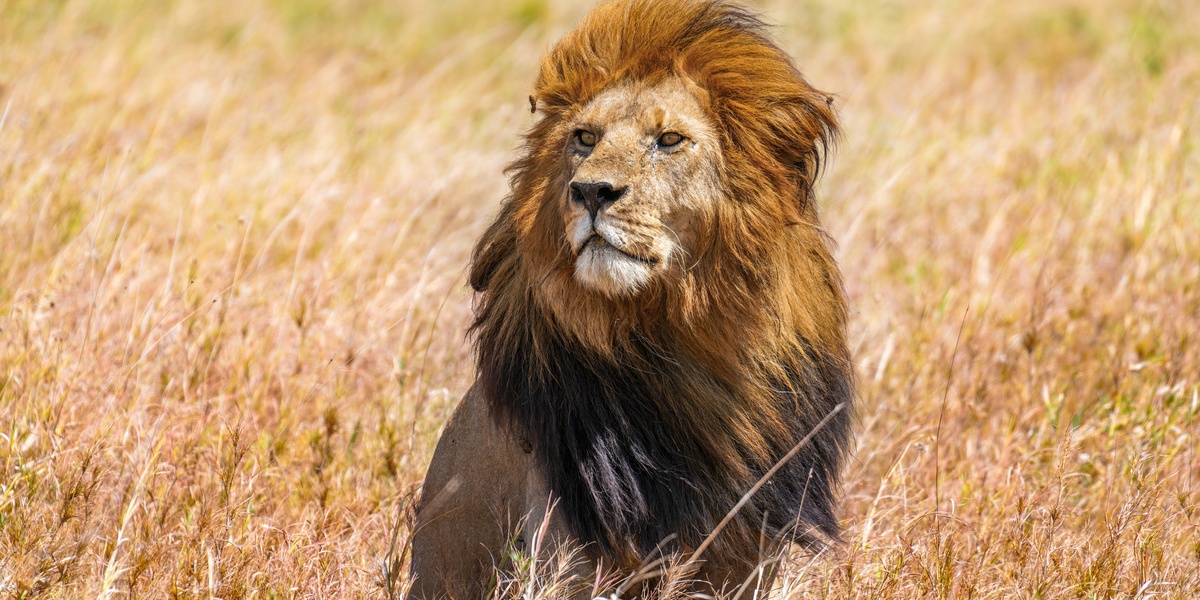
Namibia’s landscapes—sand dunes, dry riverbeds and patchy bush—are home to a wide range of wildlife. Whether you’re on a self-drive, a guided safari or working in rural areas, knowing which species can be hazardous makes trips safer and more enjoyable.
There are 32 Dangerous Animals in Namibia, ranging from the African buffalo to the White rhinoceros. Each entry is organized with Scientific name,Danger level,Where found so you can quickly compare species, risks and habitats — you’ll find below.
Which of these animals pose the greatest risk to people?
Large mammals like hippos, elephants, African buffalo and rhinos are responsible for most serious incidents because of their size and territorial behavior, while crocodiles are a major threat near water. Venomous snakes and scorpions pose medical risks, especially in remote areas without quick access to care. Context matters: proximity, activity (e.g., fishing or nighttime travel) and human behavior are the main factors.
What practical steps should visitors take to reduce risk?
Use experienced guides, keep safe distances, obey park rules and signage, avoid walking alone at night, and store food securely at camps. When in doubt, ask locals about current animal activity and preferred routes—local knowledge often prevents close encounters.
Dangerous Animals in Namibia
| Name | Scientific name | Danger level | Where found |
|---|---|---|---|
| African elephant | Loxodonta africana | Very high | Northern parks, Etosha, Caprivi; savanna, riverine |
| African buffalo | Syncerus caffer | Very high | Northern floodplains, woodlands, riverine areas |
| Black rhinoceros | Diceros bicornis | Very high | Scattered reserves, northern bushveld and thornveld |
| White rhinoceros | Ceratotherium simum | High | Protected reserves, open grasslands and pans |
| Hippopotamus | Hippopotamus amphibius | Very high | Rivers, floodplains of Caprivi/Kunene; riverine pools |
| Lion | Panthera leo | High | Northern parks, savanna, mopane woodlands |
| Leopard | Panthera pardus | High | Woodland, rocky outcrops, riverine areas |
| Spotted hyena | Crocuta crocuta | Moderate | Savanna, dry plains, near settlements and carcasses |
| Nile crocodile | Crocodylus niloticus | Very high | Rivers, floodplains, oxbows in north and Caprivi |
| African rock python | Python sebae | Moderate | Northern wetlands, riparian forests, thick bush |
| Black mamba | Dendroaspis polylepis | Very high | Woodland, savanna, rocky outcrops in north and central Namibia |
| Puff adder | Bitis arietans | High | Widespread: savanna, grassland, deserts, near paths |
| Cape cobra | Naja nivea | High | Arid to semi-arid regions, rocky veld, farmland |
| Mozambique spitting cobra | Naja mossambica | High | Northern floodplains, riverine, woodlands |
| Boomslang | Dispholidus typus | High | Woodland, riparian trees, northern regions |
| Horned adder | Bitis caudalis | Moderate | Namib Desert, gravel plains, rocky deserts |
| Rinkhals (ring-necked spitting cobra) | Hemachatus haemachatus | Moderate | Southern/central Namibia, grassland and scrub |
| Parabuthus transvaalicus (transvaal thick-tailed scorpion) | Parabuthus transvaalicus | High | Sandy, semi-arid to arid habitats, scrub |
| Parabuthus granulatus (granulated thick-tailed scorpion) | Parabuthus granulatus | High | Arid scrub, rocky areas, deserts |
| Button/black widow spider | Latrodectus spp. | Moderate | Buildings, dry grassland, coastal areas |
| Cape fur seal | Arctocephalus pusillus | Moderate | Coastal colonies, harbours, rocky shorelines |
| Great white shark | Carcharodon carcharias | High | Offshore continental shelf, Atlantic coast near Lüderitz |
| Stingray (various Dasyatidae) | Dasyatidae spp. | Moderate | Coastal shallow waters, sand flats, estuaries |
| Ostrich | Struthio camelus | Moderate | Open savanna, scrub, farm edges, Central Namibia |
| Chacma baboon | Papio ursinus | Moderate | Rocky hills, savanna, near settlements and farms |
| Warthog | Phacochoerus africanus | Moderate | Open savanna, grasslands, burrows near water |
| Cape porcupine | Hystrix africaeaustralis | Moderate | Woodland, savanna, rocky areas, near farms |
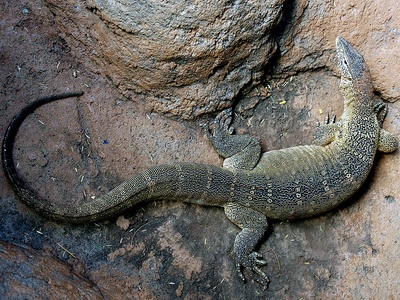
| Nile monitor | Varanus niloticus | Low | Rivers and wetlands in northern Namibia |
| African honeybee (savage/swarm) | Apis mellifera scutellata | High | Widespread, especially rural areas and farms |
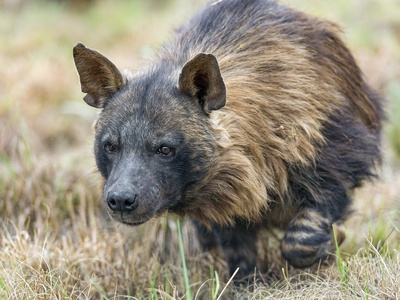
| Brown hyena | Parahyaena brunnea | Low | Coastal, arid plains, carcass-rich areas |
| Spotted-necked otter (bites near fish traps) | Hydrictis maculicollis | Low | Rivers and wetlands in north |
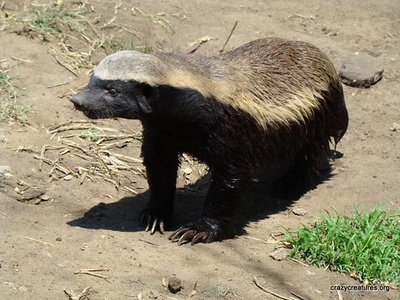
| Honey badger | Mellivora capensis | Low | Shrubland, savanna, rocky areas |
Images and Descriptions
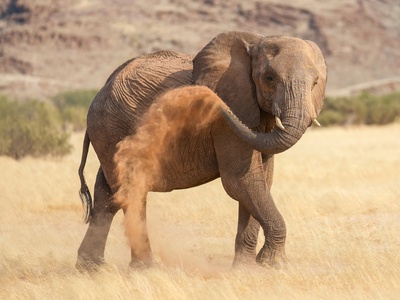
African elephant
Massive herbivore that can charge when startled or protecting young, causing trampling or crushing injuries. Responsible for fatal encounters in parks and on roads. Keep distance, stay in vehicle, never come between cow and calf and avoid sudden approaches.
African buffalo
Unpredictable, powerful bovine that charges and gore people when threatened or wounded. Widely regarded as dangerous in herds. Never approach on foot, give a wide berth, and observe from inside vehicles or protected hides.
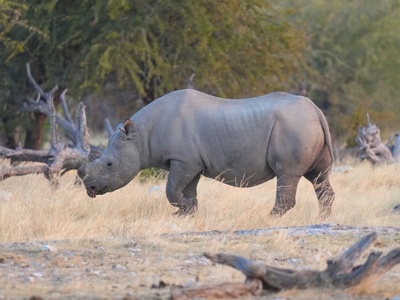
Black rhinoceros
Solitary but highly unpredictable; will charge quickly and can gore with horn, causing severe trauma. Often found in thicker bush. Do not approach on foot, stay in vehicles, and avoid getting between rhino and escape routes.
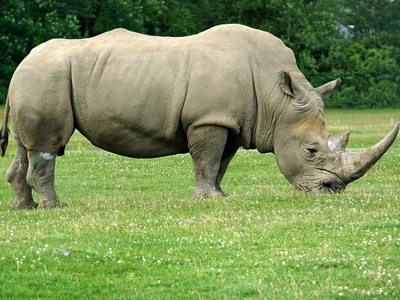
White rhinoceros
Large grazer that can charge if disturbed, especially females with calves; charges can cause crushing injuries. Observe from vehicles, avoid noisy close approaches, and keep a safe distance at waterholes and roads.
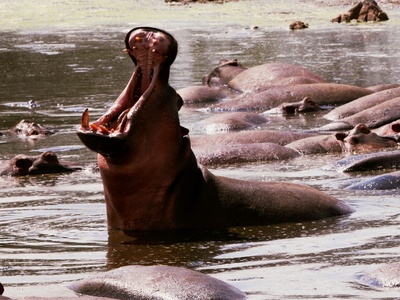
Hippopotamus
Extremely territorial in water; bites or capsizes boats, causing drowning or crushing injuries. One of Africa’s deadliest large mammals. Stay clear of riverbanks at dawn/dusk, avoid canoeing near hippos, and keep distance from water edges.
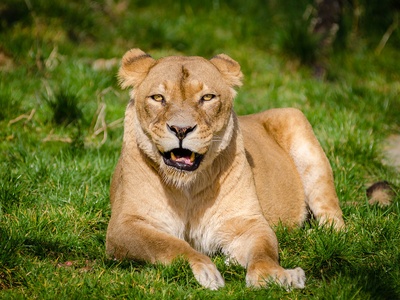
Lion
Powerful predator that can attack people, especially at night, near settlements, or when wounded. Fatal attacks are rare but occur. Keep to camp rules, avoid walking alone after dark, and store food securely to avoid attracting predators.
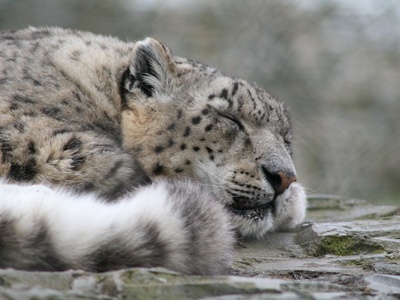
Leopard
Elusive ambush predator that can injure or kill humans when surprised or habituated to people. Often rests in trees near camps. Stay in vehicles at sightings, secure livestock, and avoid walking alone at night in leopard country.
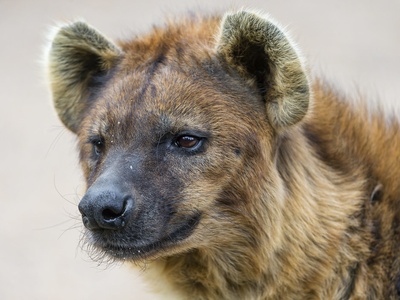
Spotted hyena
Powerful jaws and group behavior can cause severe bites; scavenges around camps and towns. Attacks on sleeping people and livestock occur. Store food and rubbish securely, avoid walking alone at night, and maintain a safe distance.
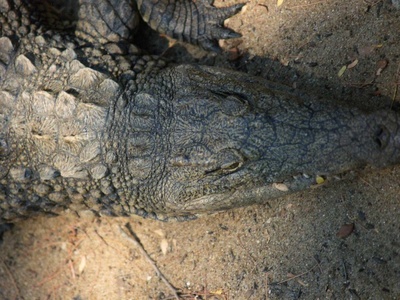
Nile crocodile
Ambush predator that drags people into water; responsible for fatal attacks at riverbanks. Avoid swimming or washing near river edges, respect crocodile warning signs, and cross rivers at safe, known points.
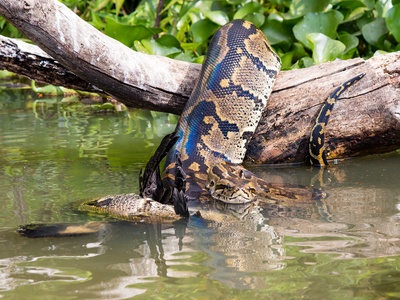
African rock python
Large constrictor capable of overwhelming small people; bites can cause deep wounds and constriction. Rare but occasionally dangerous near villages. Keep small children supervised, avoid reaching into dense vegetation, and secure poultry that attract snakes.
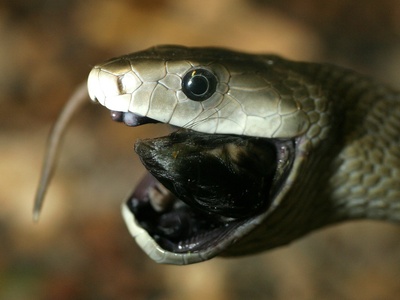
Black mamba
Fast, highly venomous elapid whose bites cause rapid systemic failure if untreated. Bold if cornered. Watch where you step or put hands, wear boots in bush, and seek immediate medical attention after any suspected bite.
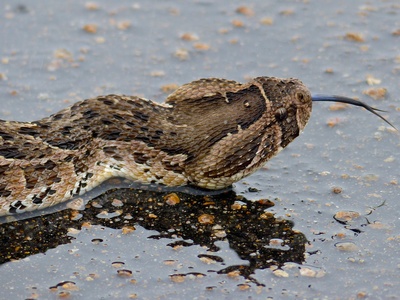
Puff adder
Common, well-camouflaged viper responsible for many bites; strikes from coil cause tissue damage and systemic effects. Watch footing on paths, use a torch at night, avoid handling snakes, and seek prompt medical care if bitten.
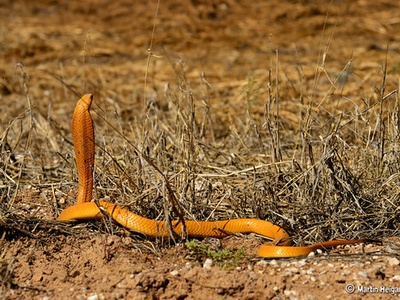
Cape cobra
Potent neurotoxic venom causes respiratory failure; may enter settlements at night. Avoid handling, give snakes a wide berth, keep yards clear of rodents and debris, and get urgent medical treatment for any suspected envenomation.
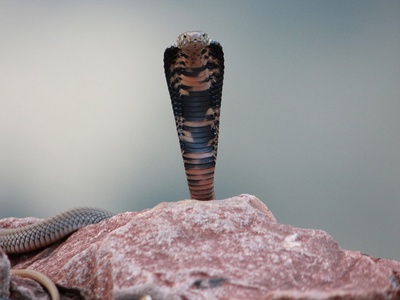
Mozambique spitting cobra
Spits venom into eyes causing pain and potential blindness; can also bite. Wear eye protection when in snake country, avoid provoking snakes, flush eyes with clean water if spat on, and seek medical help quickly.
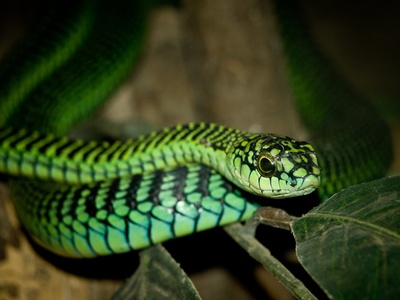
Boomslang
Arboreal snake with potent hemotoxic venom; bites may be delayed in symptoms but life-threatening. Observe snakes from a distance in trees, avoid grabbing branches blindly, and seek antivenom early if bitten.

Horned adder
Small viper adapted to deserts; cryptic and capable of venomous bites causing local and systemic effects. Watch ground cover when walking, use a torch at night, avoid handling, and get medical attention for bites.
Rinkhals (ring-necked spitting cobra)
Can spit venom and bite; may play dead as defense. Spitting causes severe eye pain. Avoid close approaches, protect eyes if threatened, and wash and get medical care if venom contacts eyes or skin.
Parabuthus transvaalicus (transvaal thick-tailed scorpion)
Large, medically significant scorpion with potent venom causing pain, respiratory distress, and sometimes death. Check boots and bedding, avoid placing hands in unseen crevices, and seek urgent medical treatment after a sting.
Parabuthus granulatus (granulated thick-tailed scorpion)
Venomous scorpion common in dry areas; sting causes severe pain and systemic symptoms in vulnerable people. Shake out clothing and shoes before wearing, avoid sleeping on bare ground, and get medical care after stings.
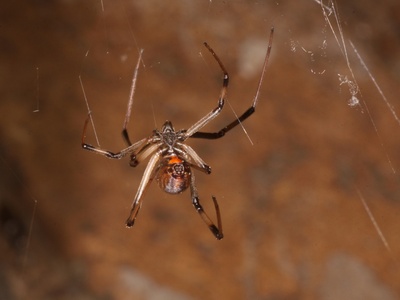
Button/black widow spider
Small but venomous; bite causes severe muscle pain, cramps and systemic symptoms in some people. Check bedding and shoes, avoid handling spiders, and seek medical assistance if bitten.
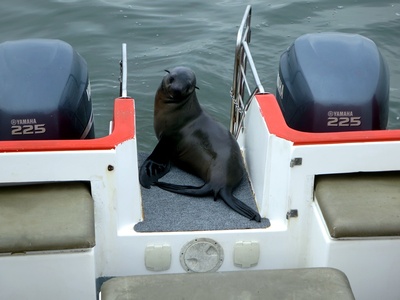
Cape fur seal
Large, noisy marine mammal that can bite or charge on land; aggressive near pups and when habituated to people. Keep clear of colonies, never feed seals, and maintain a safe distance at beaches and piers.
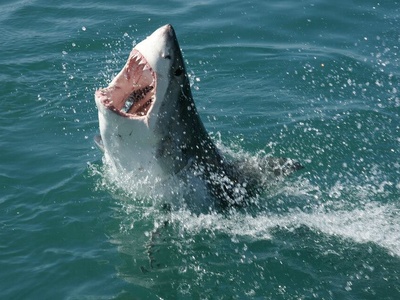
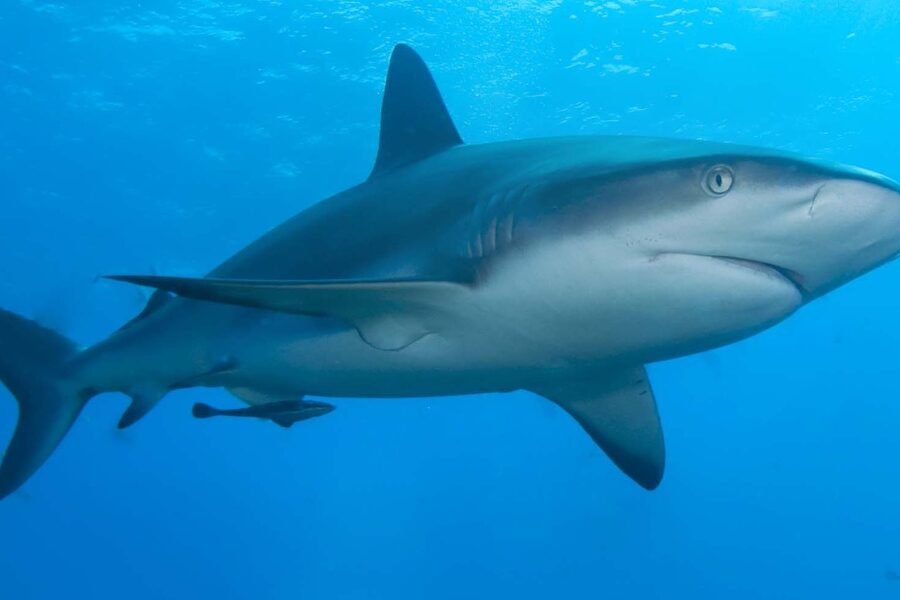
Great white shark
Powerful predator responsible for occasional fatal attacks on swimmers and surfers. Avoid swimming at dawn/dusk, steer clear of seals or fishing areas, and heed local warnings and lifeguard advice.
Stingray (various Dasyatidae)
Stingrays can inflict painful, venomous spine wounds when stepped on, causing severe pain and infection risk. Shuffle feet when wading in shallow water, avoid touching rays, and seek medical care for envenomation.
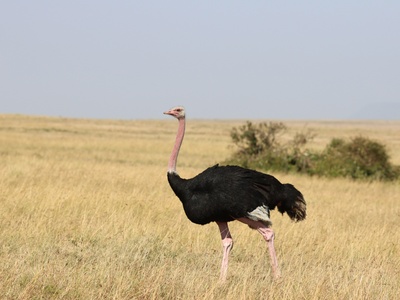
Ostrich
Large flightless bird that can kick or slash with powerful legs causing fractures or deep wounds. Aggressive during breeding or when chicks threatened. Keep barriers between you and birds, do not approach nesting birds, and back away slowly.
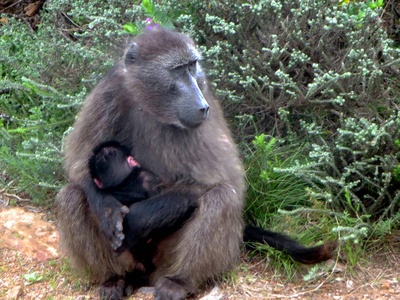
Chacma baboon
Strong, territorial primate that bites, scratches, and raids camps for food; can be aggressive toward people. Do not feed or approach, secure camps and vehicles, keep food locked away, and back off if confronted.
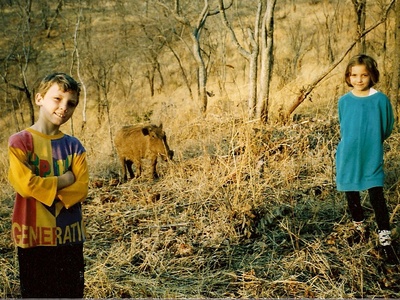
Warthog
Can gore with curved tusks if cornered or defending young, causing puncture wounds. Avoid walking between warthogs and escape routes, give them space at burrows, and do not attempt to touch.
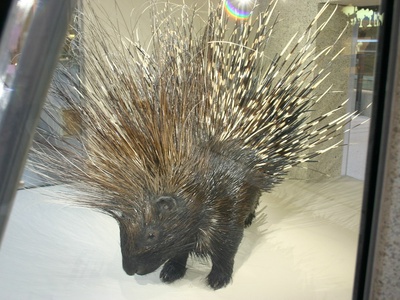
Cape porcupine
Defensive quills can embed causing painful injuries and infection; quills may require professional removal. Do not handle porcupines, keep dogs and children away, and seek veterinary or medical care if quilled.
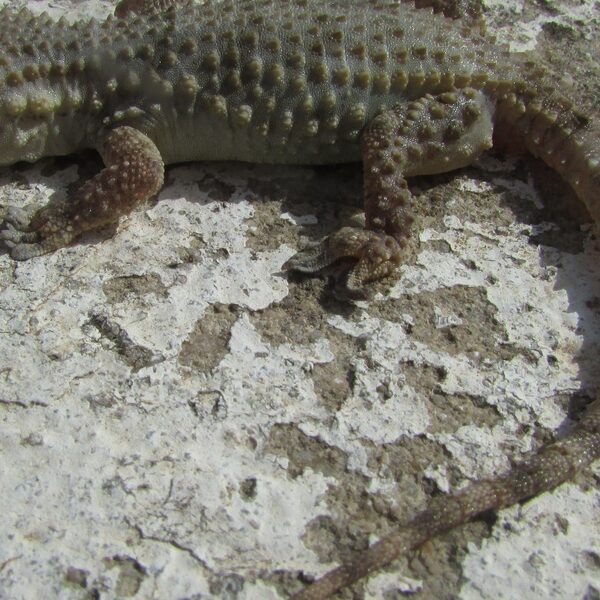
Nile monitor
Large lizard that can bite and scratch, potentially causing infection; generally avoids people. Do not attempt to pick up or corner monitors, supervise children near water, and seek medical care for severe bites.
African honeybee (savage/swarm)
Highly defensive swarms can sting repeatedly and, in large numbers, cause severe injury or death from anaphylaxis. Avoid disturbing hives or colonies, move calmly away from swarms, and seek immediate medical care for multiple stings or allergic reactions.
Brown hyena
Scavenger that can bite if cornered or habituated to humans; attacks are rare but possible near rubbish dumps and settlements. Secure food and waste, avoid approaching or feeding hyenas, and maintain distance at night.
Spotted-necked otter (bites near fish traps)
Small carnivore that can bite if handled or cornered; bites are painful and risk infection. Do not handle wild otters, secure fishing gear, and avoid approaching dens or young.
Honey badger
Fierce, tenacious carnivore capable of inflicting severe bites when threatened; usually avoids humans but will defend dens. Do not corner or attempt to handle, give them space, and avoid provoking with dogs or traps.