New Zealand’s islands feel remote, but locals and visitors still need to be aware of animals that can hurt you whether you’re at the beach, walking the bush or around the home. A little knowledge and simple precautions go a long way to staying safe without spoiling your plans.
There are 29 Dangerous Animals in New Zealand, ranging from Bluebottle to White‑tailed spider. For each entry the list shows Scientific name, Danger level, Where found — you’ll find below.
How likely am I to encounter these animals while visiting?
Most encounters are uncommon: many species only show up in specific places or seasons (Bluebottles on some beaches in summer, certain spiders around houses). Simple steps — checking local warnings, wearing shoes, using towel/shoe checks, and avoiding touching unknown creatures — greatly reduce risk.
What should I do if someone is bitten or stung?
For serious reactions or breathing difficulty call 111 immediately. For jellyfish stings, rinse with seawater and remove tentacles with gloves; for bites, clean the wound, apply a cold pack and seek medical advice if symptoms worsen. If safe, photograph the animal or the injured area to help clinicians.
Dangerous Animals in New Zealand
| Name | Scientific name | Danger level | Where found |
|---|---|---|---|
| Honeybee | Apis mellifera | Moderate | Nationwide: gardens, farms, forests |
| Wasp | Vespula spp. | Moderate | Nationwide, especially beech forests and orchards |
| Redback spider | Latrodectus hasseltii | Moderate | Urban and peri‑urban North Island, sheltered spots |
| Katipō | Latrodectus katipo | Moderate | Coastal sand dunes and vegetation, mainly eastern/southern coasts |
| White‑tailed spider | Lampona spp. | Low | Urban homes, gardens, rock crevices across NZ |
| Great white shark | Carcharodon carcharias | High | Coastal waters nationwide, beaches and offshore reefs |
| Tiger shark | Galeocerdo cuvier | High | Northern and offshore coastal waters, reef areas |
| Bull shark | Carcharhinus leucas | High | Warm northern coastal waters, estuaries and river mouths |
| Short‑tailed stingray | Bathytoshia brevicaudata | Moderate | Shallow bays, sandy bottoms across NZ coasts |
| Portuguese man o’ war | Physalia physalis | Moderate | Beaches and coastal waters, washed ashore nationwide |
| Bluebottle | Physalia utriculus | Low | Coastal waters and beaches, especially north and northeast coasts |
| Sea urchin (kina) | Evechinus chloroticus | Low | Rocky intertidal zones nationwide |
| Moray eel | Gymnothorax spp. | Low | Rocky reefs and kelp beds, especially northern NZ |
| Short‑finned eel | Anguilla australis | Low | Rivers, estuaries and coastal shallows nationwide |
| New Zealand fur seal | Arctocephalus forsteri | Moderate | Rocky coasts, rookeries around South & North Islands |
| New Zealand sea lion | Phocarctos hookeri | High | Subantarctic islands and southern coasts, breeding beaches |
| Southern elephant seal | Mirounga leonina | High | Subantarctic islands and southern mainland beaches when hauled out |
| Dog | Canis familiaris | Moderate | Urban, rural and recreational areas nationwide |
| Cattle (cow) | Bos taurus | Moderate | Farms, rural roads, pasture land nationwide |
| Horse | Equus ferus caballus | Moderate | Farms, riding trails and rural areas nationwide |
| Red deer | Cervus elaphus | Low | Forests, high country and hunting areas nationwide |
| Feral pig | Sus scrofa | Moderate | Bush, forests and rural scrub across NZ |
| Rat | Rattus spp. | Moderate | Urban and rural areas nationwide |
| Kea | Nestor notabilis | Low | Alpine regions of South Island, alpine campsites |
| Weka | Gallirallus australis | Low | Forests, shorelines and gardens nationwide |
| Sandfly | Austrosimulium spp. | Low | Coastal forests, river mouths, Fiordland and West Coast |
| Horsefly | Tabanidae spp. | Low | Wetlands, forest edges and rural areas nationwide |
| Sea lion (pup defensive) | Phocarctos hookeri | High | Beaches with pups in southern NZ and subantarctic islands |
| Shark (general safety) | Selachimorpha spp. | High | Beaches, estuaries and offshore waters nationwide |
Images and Descriptions
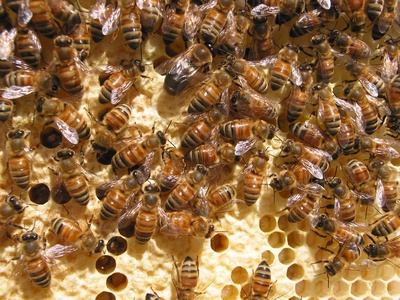
Honeybee
Stings cause pain and swelling; multiple stings or allergy can trigger life‑threatening anaphylaxis. Encounters peak in spring–summer around flowers and hives. First aid: remove sting, cold compress, EpiPen for known allergy. Notable: vital pollinators but swarm when disturbed.
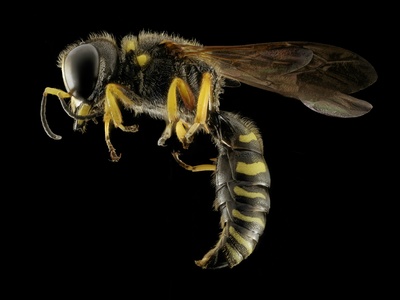
Wasp
Aggressive foragers in summer, can deliver multiple painful stings; allergic reactions and rare fatal anaphylaxis documented. Avoid attracting them to food; seal bins, move slowly. First aid: remove stinger, cool wound, seek emergency care for breathing issues. Notable: wasp numbers boom after beech mast years.
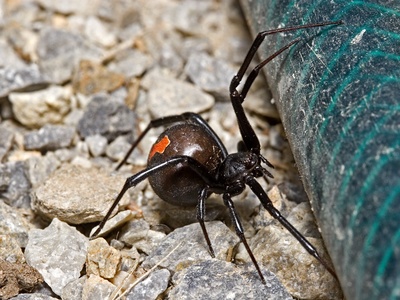
Redback spider
Bite causes local pain, sweating, muscle aches and rarely systemic latrodectism. Encounters in sheds, woodpiles, under eaves; more common summer. First aid: clean, immobilise limb, seek medical review—antivenom available in severe cases. Notable: introduced from Australia, now established.
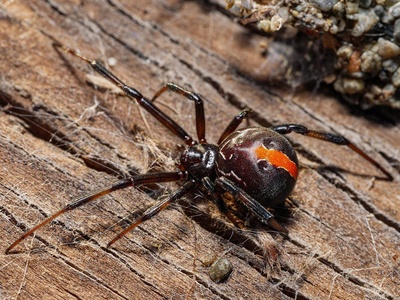
Katipō
Historically venomous beach spider; bite causes pain, sweating and muscle ache though serious cases are very rare. Avoid overturning driftwood or reaching into dune vegetation. First aid: clean bite, seek medical advice if worsening. Notable: rare and protected in NZ.
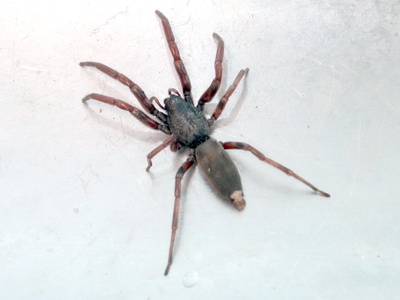
White‑tailed spider
Bites produce immediate local pain, redness and possible swelling; necrosis largely unproven. Encounters in clothes, shoes and beds. First aid: clean wound, cold compress, medical review if infection or spreading pain. Notable: introduced species; myths overstate danger.
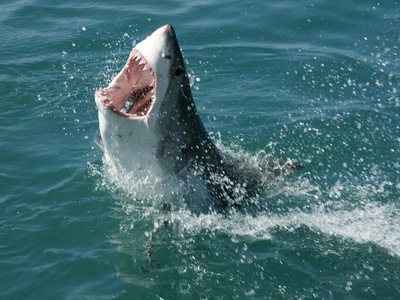
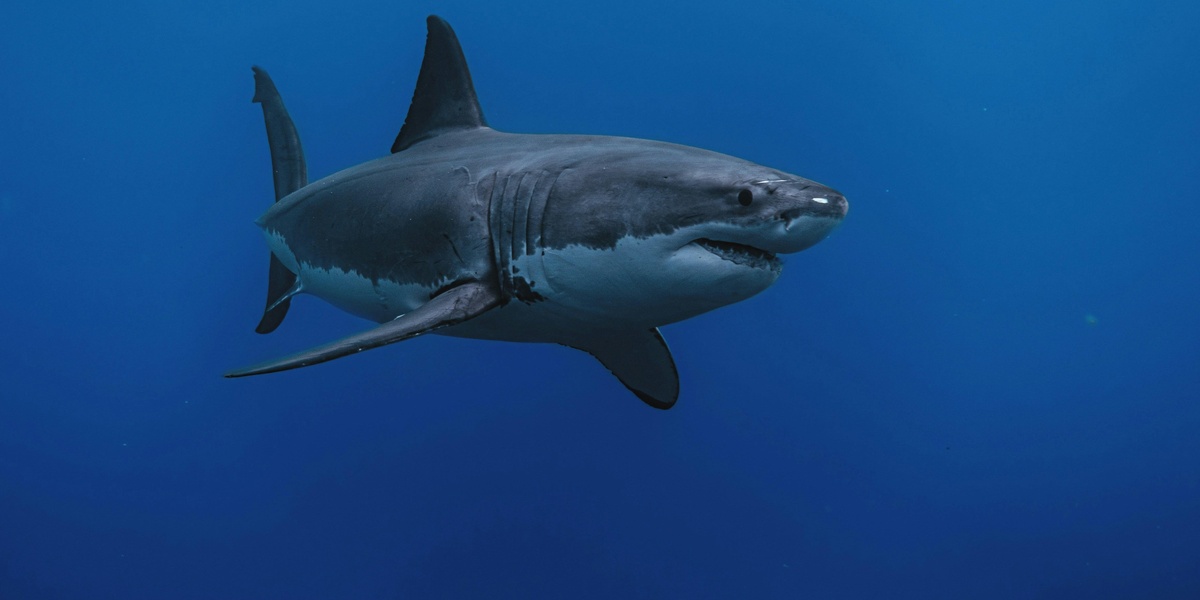
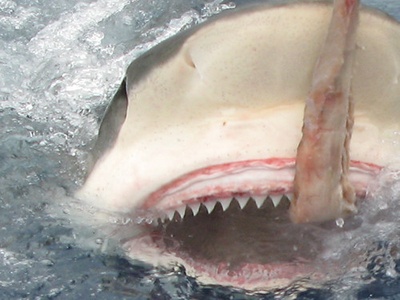
Great white shark
Rare but potentially fatal attacks; causes massive trauma. Most encounters while surfing, swimming or boating in warm months. First aid: control severe bleeding, apply direct pressure and urgent evacuation. Notable: recorded attacks are very rare but high‑severity.
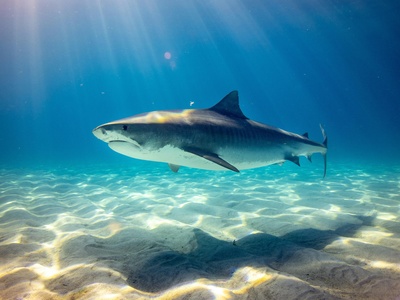
Tiger shark
Large predatory shark can inflict severe trauma; occasional sightings around northern coasts. Risk highest for night or murky water activities. First aid: stop major bleeding, emergency retrieval. Notable: opportunistic feeder, attracted to fish carcasses.
Bull shark
Known to tolerate low salinity; can bite nearshore swimmers and anglers. Causes severe trauma when attacks occur. First aid: control bleeding, rapid transport to hospital. Notable: can enter rivers, increase close‑shore risk.
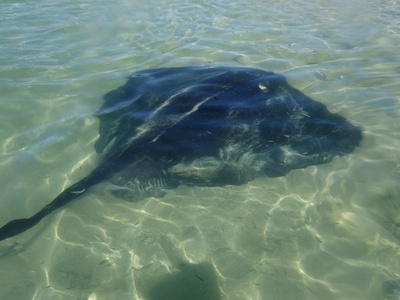
Short‑tailed stingray
Tail barb causes immediate severe pain and puncture wounds when stepped on; encounters while wading or swimming. First aid: hot water immersion to reduce pain, seek medical care for wound cleaning and infection control. Notable: usually non‑aggressive unless disturbed.
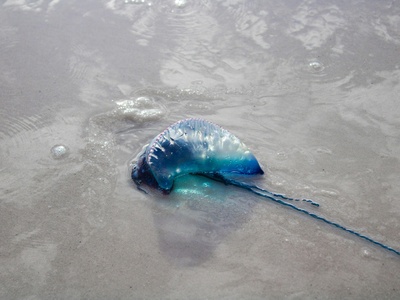
Portuguese man o’ war
Tentacle contact causes intense burning, red welts and possible systemic reactions including breathing difficulty. Often encountered by swimmers or on strandline in summer. First aid: rinse with sea water, remove tentacles with gloves, seek urgent care for severe symptoms. Notable: not a true jellyfish but a colonial siphonophore.
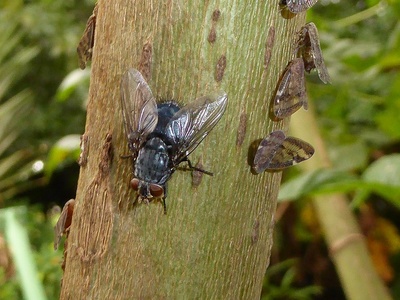
Bluebottle
Stings cause immediate intense pain, linear red welts and local swelling; rarely systemic. Common in summer and after onshore winds. First aid: rinse with sea water, remove tentacles, pain relief. Notable: frequent cause of beach stings.
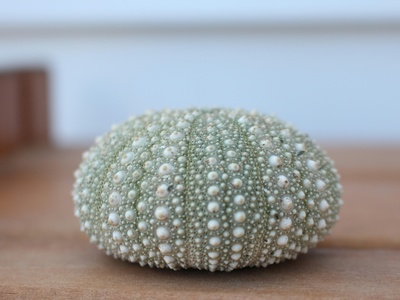
Sea urchin (kina)
Stepping on spines causes puncture wounds, pain and possible retained spine fragments leading to infection. Encounters when rock pooling or diving. First aid: remove visible spines, soak in hot water, seek medical removal and tetanus check. Notable: edible species called “kina”.
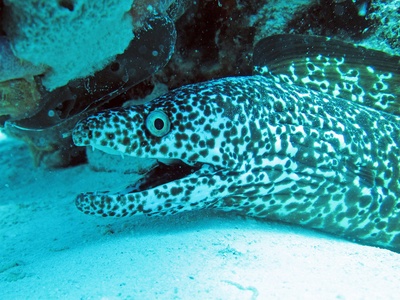
Moray eel
Bites cause deep lacerations and heavy bleeding; infections common. Typically provoked when disturbed in crevices while fishing or diving. First aid: control bleeding, clean thoroughly, seek antibiotics and surgical care if needed. Notable: bites more from defensive reactions than predation.
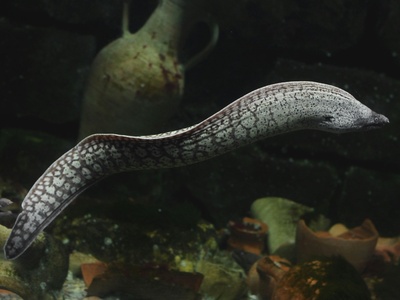
Short‑finned eel
Bites can be painful with puncture wounds if handled or caught; infection risk exists. Encounters by anglers and anglers’ dogs. First aid: clean and dress wound, seek medical attention for deep bites and tetanus prophylaxis. Notable: culturally and commercially important species.
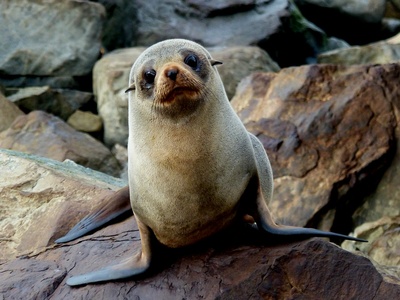
New Zealand fur seal
Bites and body blows can be severe; seals defend territory, especially when hauled out. Avoid pups and keep distance; dogs provoke attacks. First aid: wash wounds, urgent medical review for bites and tetanus, possible antibiotics. Notable: common around rocky shores and harbors.
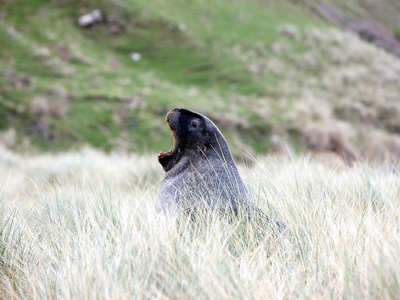
New Zealand sea lion
Large and powerful; have inflicted serious injuries when humans approach pups or colonies. Encounters mainly on beaches or during tourism. First aid: get to safety, treat wounds urgently, tetanus and antibiotics usually required. Notable: endangered species—keep at least 10–20 metres distance.
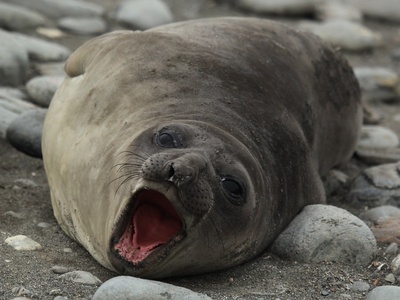
Southern elephant seal
Massive males can crush or gore humans if approached on beaches; dangerous especially during moult or breeding. Avoid crossing between seals and sea. First aid: emergent trauma care for crushing injuries. Notable: males can exceed 3,000 kg.
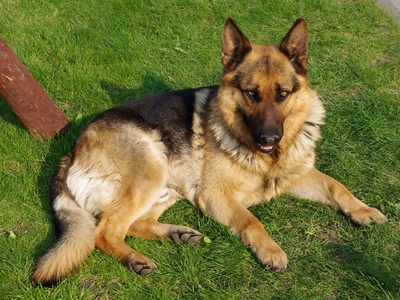
Dog
Bites, maulings and attacks can cause punctures, lacerations and trauma; children at higher risk. Encounters from loose or provoked dogs. First aid: control bleeding, clean, seek medical care for deep wounds and tetanus; report dangerous animals. Notable: majority are owned animals.
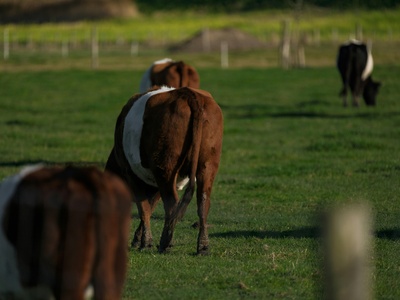
Cattle (cow)
Kicks, trampling and gore incidents occur, especially when startled or with calves; risk for farmers and hikers. First aid: trauma care for crush injuries, call emergency services. Notable: keep distance from cattle and calves; use gates.
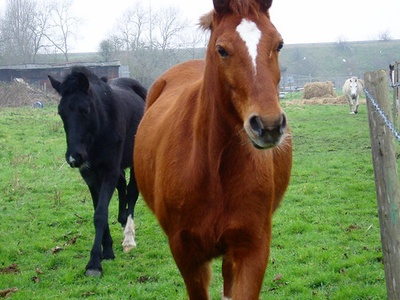
Horse
Kicks and bites can cause severe fractures and lacerations; riders risk falls. Encounters while riding or handling. First aid: immobilise injured limbs, seek urgent medical imaging and care. Notable: well‑trained horses still unpredictable.
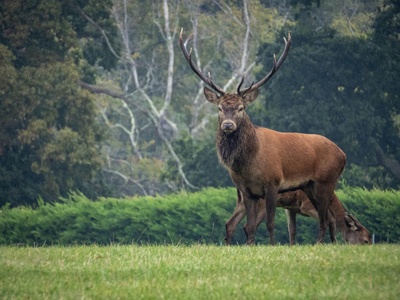
Red deer
During rut or when cornered can charge causing blunt trauma and goring; hunters face greatest risk. First aid: control bleeding, immobilise as needed and seek hospital care. Notable: introduced species popular with hunters.
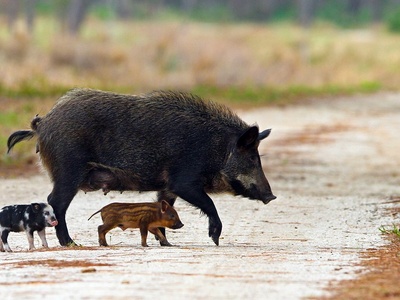
Feral pig
Can be aggressive when wounded or cornered; tusk wounds cause deep punctures and lacerations. Encounters while hunting or tramping. First aid: control bleeding, emergency care for deep wounds and infection risk. Notable: significant agricultural pest.
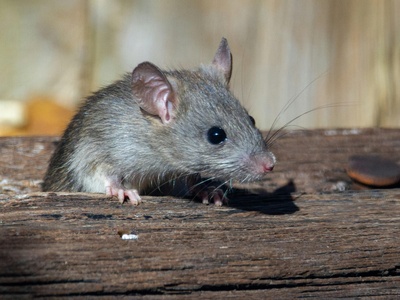
Rat
Bites and scratches can cause infection; rats are reservoirs for leptospirosis and other zoonoses affecting humans, especially farm workers. Avoid contact with dead rodents, use gloves. First aid: clean wounds, seek medical advice for antibiotics and testing. Notable: common in households and farms.
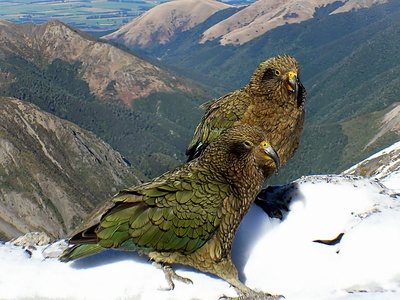
Kea
Curious parrot may bite and tear clothing/skin when attracted to gear; bites can break skin. Encounters at campsites and roadsides. First aid: clean and dress bites; observe for infection. Notable: highly intelligent and notorious for vehicle damage.
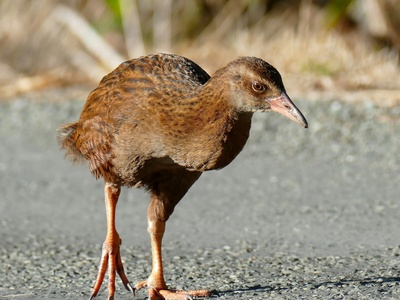
Weka
Bold ground bird known to peck and occasionally bite people; wounds generally superficial but can be startling to children. First aid: wash and dress wounds; seek care if infected. Notable: opportunistic scavenger that steals food from hands.
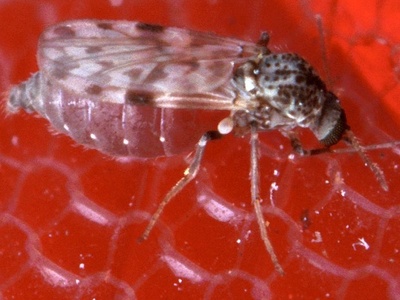
Sandfly
Painful bites cause intense itching, swelling and allergic reactions; heavy nuisance in summer. Prevention: repellents, long clothing, avoid peak dawn/dusk. First aid: antihistamines, topical steroids for severe itch. Notable: small but very persistent blood‑feeders.
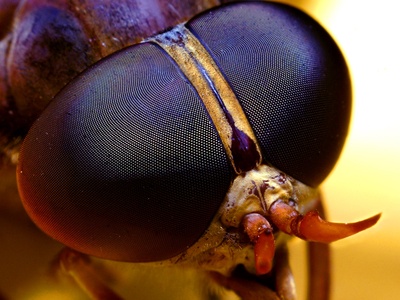
Horsefly
Very painful bites that can draw blood; may trigger allergic responses and secondary infection. Attracted to livestock and humans. First aid: wash, apply cold compress and antiseptic; see doctor if infected. Notable: females blood‑feed for egg development.

Sea lion (pup defensive)
Adults aggressively defend pups—attacks can be swift and severe if people get between mothers and young. First aid: immediate distance, trauma care, hospital for bites and tetanus. Notable: do not attempt rescue of pups without authority.
Shark (general safety)
While specific species vary, shark encounters can cause catastrophic trauma. Risk increased near fishing, seals or murky water. First aid: control bleeding, urgent evacuation and emergency services. Notable: attacks are extremely rare but high‑severity when they occur.