Niger’s landscapes shift from Sahara sand to Sahel scrub and riverine corridors, and that variety supports a surprising range of animals people may encounter while living in or visiting the country. Knowing which species pose health or safety risks helps with planning, whether you’re traveling, working outdoors, or managing livestock.
There are 15 Dangerous Animals in Niger, ranging from Aedes aegypti to Spotted hyena. For each species you’ll find below entries organized by Scientific name, Danger type, Range in Niger / Habitat to make it easy to compare risks and where they occur — you’ll find the full list and details below.
What practical steps reduce the risk of bites, stings, or attacks in Niger?
Use layered precautions: for insect-borne threats like Aedes aegypti, rely on repellents, long sleeves, bed nets, and removing standing water; for larger animals, avoid walking alone at night, store food securely, and keep distance if you encounter wildlife. Also check recommended vaccinations (e.g., yellow fever) and follow local guidance.
How current and reliable is the information in the list?
The list focuses on species with documented medical or behavioral risk in Niger, using scientific names and habitat notes to link to authoritative sources; still, distributions change seasonally, so consult local health authorities or wildlife services for the latest, situation-specific advice.
Dangerous Animals in Niger
| Name | Scientific name | Danger type | Range in Niger / Habitat |
|---|---|---|---|
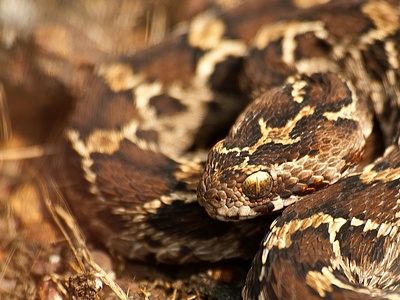
| Saw-scaled viper | Echis ocellatus | Venomous bite (hemotoxic), rapid envenoming | Sahel, agricultural areas, near homes and burrows |
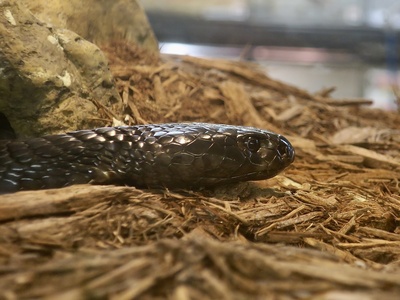
| Black-necked spitting cobra | Naja nigricollis | Venomous bite; venom spitting causes eye injury | Sahel, semi-arid areas, villages, rocky outcrops |
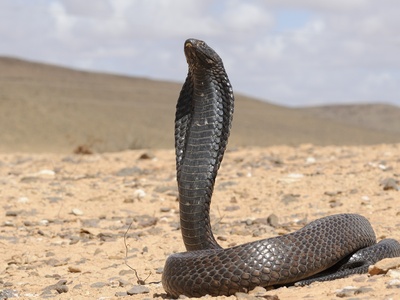
| Egyptian cobra | Naja haje | Venomous bite (neurotoxic), can be large and dangerous | Sahel, agricultural zones, near settlements in southern Niger |
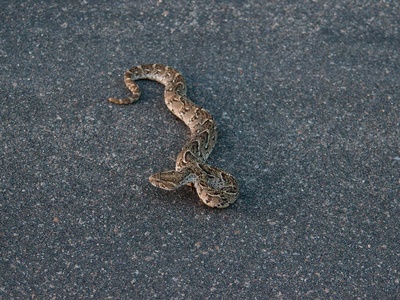
| Puff adder | Bitis arietans | Venomous bite (cytotoxic), camouflaged ambush predator | Sahel, savanna, grassland, near human paths |
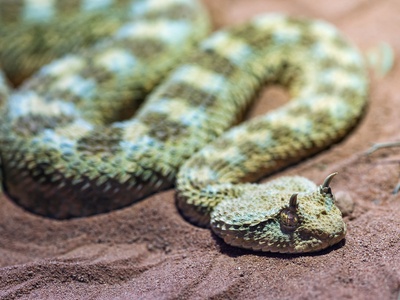
| Saharan horned viper | Cerastes cerastes | Venomous bite, well-camouflaged in sand | Sahara desert regions, dunes and rocky deserts |
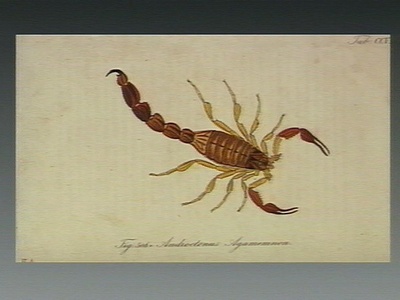
| Androctonus scorpions | Androctonus spp. | Venomous sting, can be life-threatening especially to children | Sahara and Sahel, houses, under stones, nights |
| Nile crocodile | Crocodylus niloticus | Ambush predation; can kill and drown people | Niger River, reservoirs, permanent wetlands, southern Niger |
| Hippopotamus | Hippopotamus amphibius | Extremely aggressive; bites, charges, boat attacks | Niger River, seasonal pools, wetlands in south and southwest |
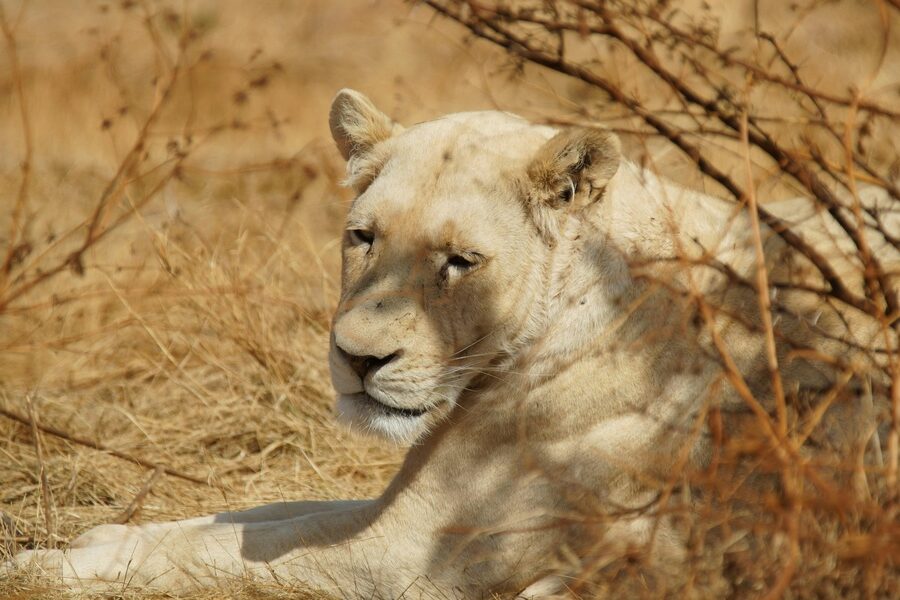
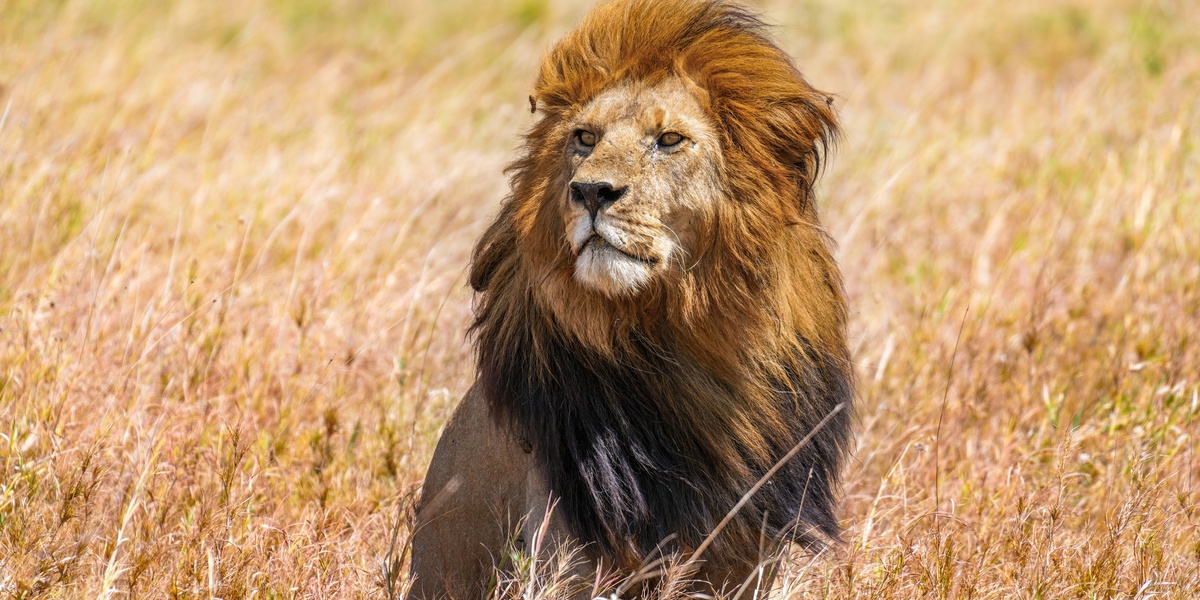
| Lion | Panthera leo | Large predator; rare but capable of killing people | W National Park and protected reserves, southwestern Niger |
| Spotted hyena | Crocuta crocuta | Aggressive scavenger; can attack humans and raid camps | Sahel, savanna, near villages and garbage sites |
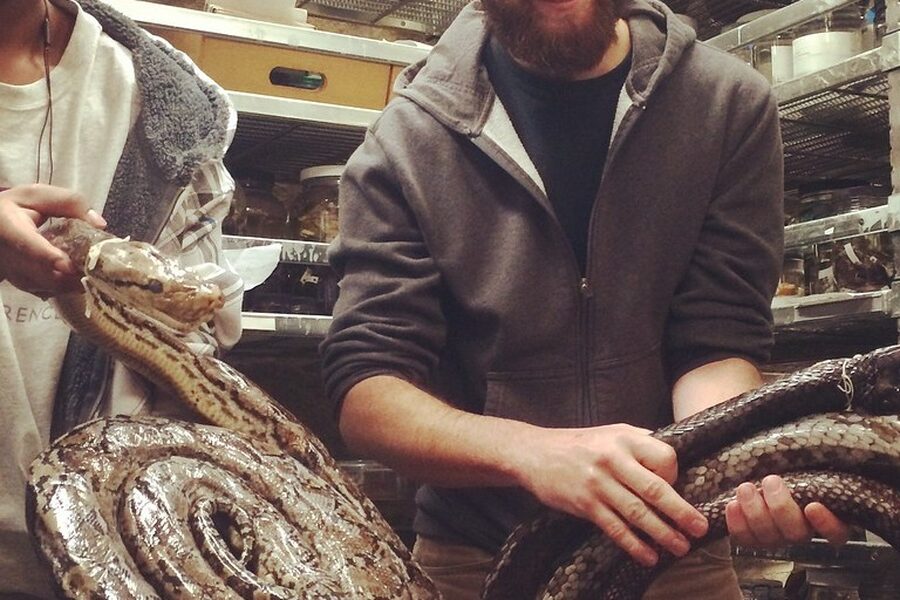
| African rock python | Python sebae | Constriction; large individuals can suffocate small humans | Riverine, wetlands, southern Niger near Niger River |
| Domestic dog (rabies) | Canis lupus familiaris | Rabies transmission; bites and attacks | Throughout Niger, especially rural and peri-urban areas |
| Anopheles mosquitoes | Anopheles gambiae complex | Disease vector (malaria) causing severe illness and death | Throughout Niger, especially rainy season, near standing water |
| Aedes aegypti | Aedes aegypti | Disease vector (dengue, yellow fever, chikungunya) and daytime biter | Urban and peri-urban areas, water containers, southern Niger |
| African honeybee | Apis mellifera scutellata | Mass stinging attacks; can cause fatal anaphylaxis or trauma | Widespread, rural and agricultural areas, near hives and logs |
Images and Descriptions
Saw-scaled viper
Small, aggressive viper causing most snakebite deaths in West Africa. Common in Sahel and farm areas of Niger, it delivers hemotoxic venom quickly. Avoid walking barefoot at night, check bedding; seek urgent antivenom and hospital care after bites.
Black-necked spitting cobra
A medium-sized cobra that spits irritating venom and can inflict neurotoxic bites. Found across Niger’s Sahel in villages and rocky areas. Spitting can cause temporary blindness; rinse eyes with water and get medical attention. Avoid handling or cornering.
Egyptian cobra
Large cobra with potent neurotoxic venom that can cause respiratory failure. Occurs in southern and central Niger near farms and settlements. Bites require urgent antivenom and respiratory support; keep victim still and get to hospital quickly.
Puff adder
Thick-bodied, camouflaged viper that strikes suddenly and delivers painful cytotoxic venom. Widespread in Niger’s Sahel and savanna; often on footpaths. Wear sturdy boots, watch where you step, and seek hospital care and antivenom after bites.
Saharan horned viper
Desert viper with horn-like scales, perfectly camouflaged in sand and rock. Present across Niger’s Sahara; bites can be serious. At night and when crossing dunes, use a torch, probe sand with a stick, and get urgent medical care if bitten.
Androctonus scorpions
Small but highly venomous scorpions common across Niger’s Sahara and Sahel. They hide in houses, shoes, and under rocks; stings can be fatal in children. Shake out bedding, use closed shoes, seek urgent medical care and antivenom for severe signs.
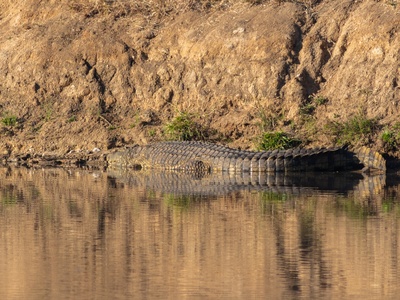
Nile crocodile
Large river predator in the Niger River and wetlands that ambushes people and livestock. Common near riverbanks and watering holes in southern Niger. Avoid swimming at dusk/dawn, stay clear of banks, and supervise water activities; attacks require emergency rescue and hospitalization.
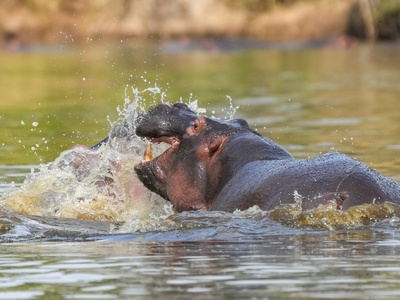
Hippopotamus
Massive, territorial herbivore found in rivers and pools of southern Niger. Responsible for many fatal encounters when boats or people approach; highly aggressive. Keep distance from water edges, avoid small boats at night, and heed local warnings.
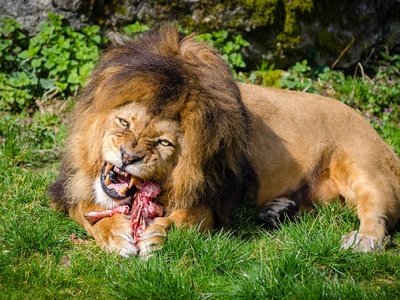
Lion
Lions survive in W National Park and some reserves; attacks on humans are rare but possible, especially near livestock at night. Campers should avoid walking alone after dark, store food securely, and follow park guidance to reduce risk.
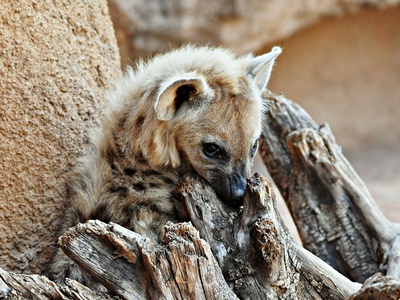
Spotted hyena
Opportunistic carnivore common near villages and dumps across Niger. Hyenas may scavenge or approach settlements and have attacked people and livestock. Secure food, avoid leaving children unattended at night, and use lights and noise to deter them.
African rock python
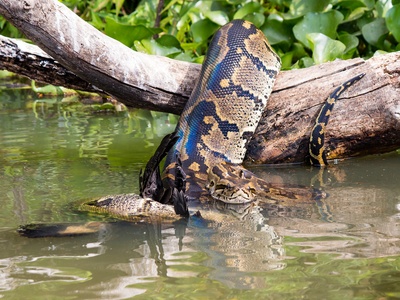
Large constrictor living along rivers and wetlands in southern Niger. Rarely attacks humans, but large pythons can constrict small adults or children. Avoid reaching into dense riverbank vegetation, supervise children, and seek hospital care for severe injuries.
Domestic dog (rabies)
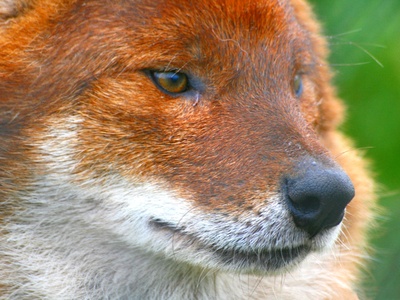
Unvaccinated and rabid dogs are a major human health risk across Niger, causing fatal rabies if untreated. Bite victims need immediate wound washing and prompt post-exposure vaccination. Vaccinate pets and avoid contact with stray or ill animals.
Anopheles mosquitoes
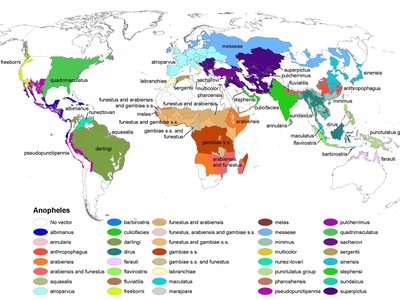
Primary malaria vectors across Niger, increasing disease risk during the rainy season. Bites can lead to severe, sometimes fatal malaria. Use insecticide-treated nets, repellents, and seek rapid diagnosis and treatment if febrile.
Aedes aegypti
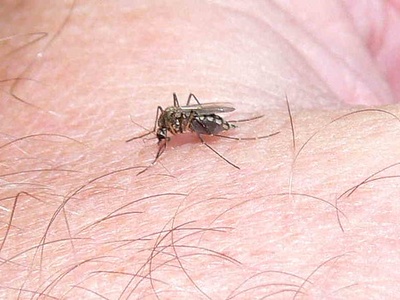
Day-biting mosquito found in towns and villages that transmits dengue, yellow fever, and chikungunya where present. Breeds in stored water and containers. Cover water, eliminate standing water, use repellents and screens, seek care for high fever.
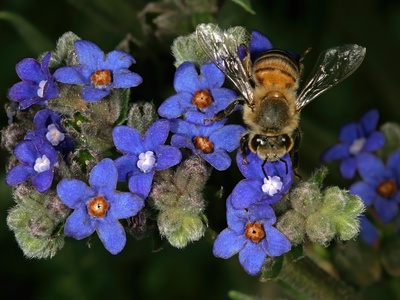
African honeybee
Aggressive African honeybees can swarm and deliver many stings, dangerous especially to allergic people or when swarms attack livestock and people. Avoid disturbing hives, run to shelter, cover face, and seek urgent care for breathing problems.