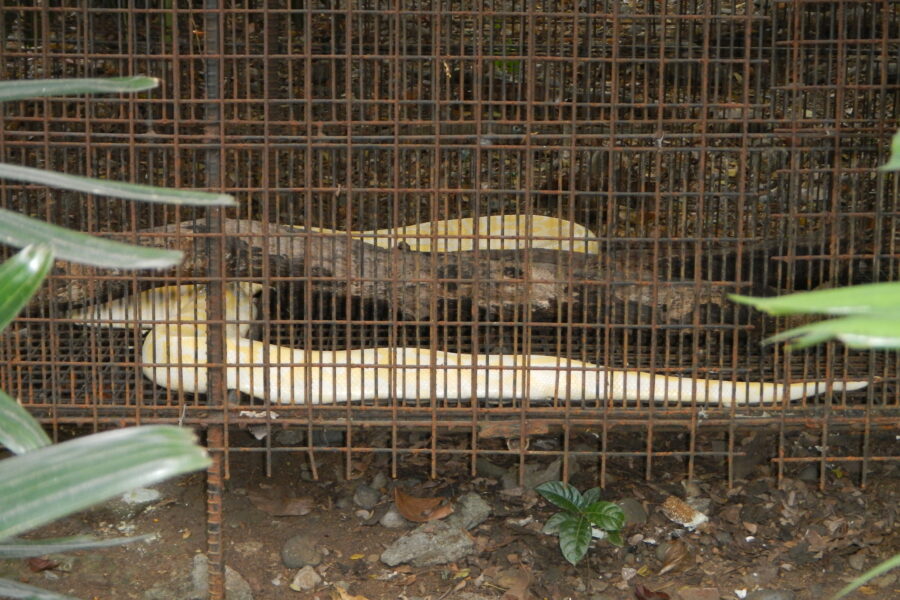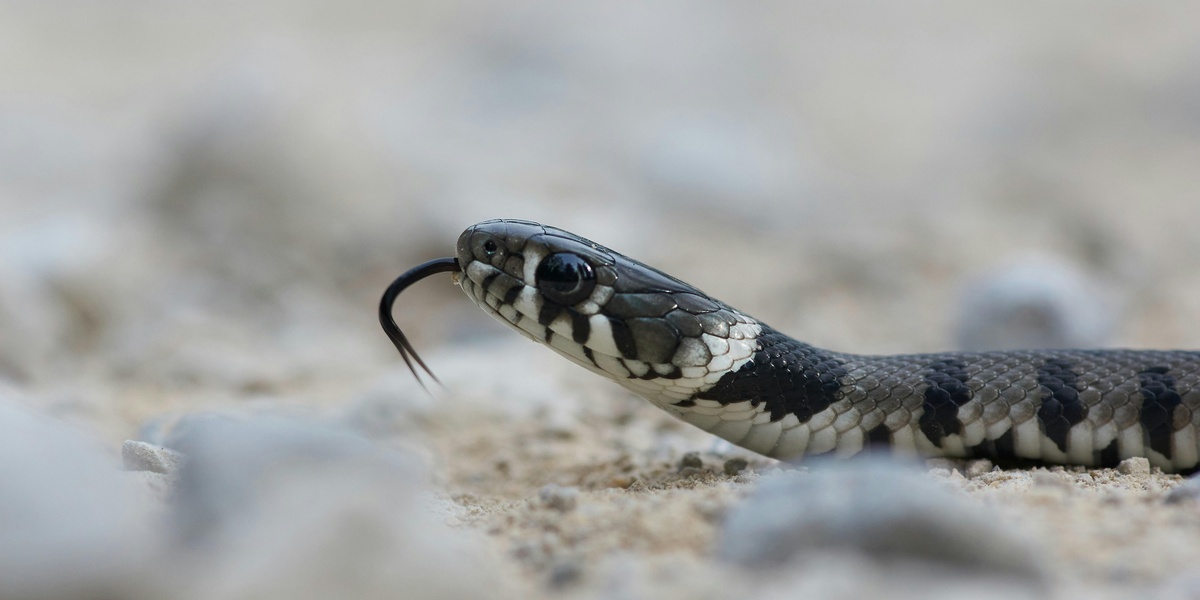
Oman’s landscapes — from coastal plains and wadis to mountains and desert sands — host a surprising variety of wildlife. Locals and visitors may encounter snakes, scorpions, spiders and other animals adapted to heat and rocky terrain, so a bit of awareness goes a long way when hiking or staying in rural areas.
There are 16 Dangerous Animals in Oman, ranging from Arabian cobra to Widow spiders (Latrodectus spp.); for each species the list shows Scientific name,Danger level,Habitat & range — information you’ll find below.
How can I reduce my risk of encountering these animals while traveling in Oman?
Stick to well-used trails, wear closed shoes and gloves when moving rocks or collecting wood, shake out clothing and bedding left on the ground, avoid putting hands into dark crevices, and keep campsites tidy. If bitten or stung, immobilize the limb, seek medical help immediately, and try to note the animal’s appearance for treatment.
Are dangerous animals commonly found near towns and tourist areas?
Some are: scorpions, certain snakes and stray dogs turn up around buildings, rubbish and gardens, while venomous spiders hide in undisturbed corners. Coastal and mountain wadis attract snakes like the Arabian cobra more often than city centers, so take simple local precautions even near tourist sites.
Dangerous Animals in Oman
| Name | Scientific name | Danger level | Habitat & range |
|---|---|---|---|
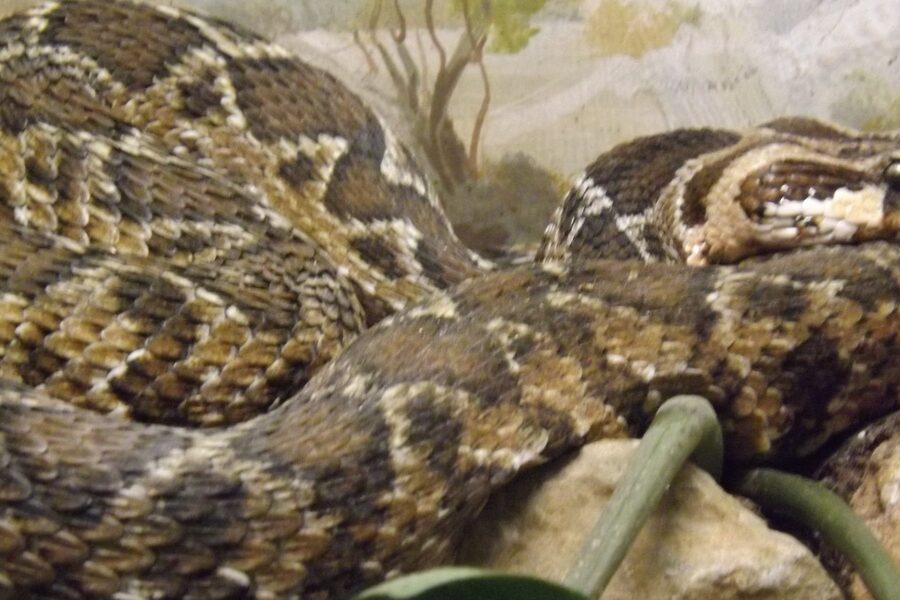
| Oman saw-scaled viper | Echis omanensis | High, venom — coagulopathy/bleeding | Deserts, rocky wadis across interior and north |
| Arabian horned viper | Cerastes gasperettii | High, venom — local necrosis/coagulopathy | Sandy deserts and dunes, interior Oman |
| Arabian cobra | Naja arabica | High, venom — neurotoxic respiratory failure | Wadis, agricultural areas and coastal plains |
| Omani saw-scaled viper (general group) | Echis spp. | High, venom — coagulopathy/hemorrhage | Rocky deserts, dry riverbeds across Oman |
| Black fat-tailed scorpion | Androctonus crassicauda | High, venom — neurocardiorespiratory | Rocky and desert areas, near settlements |
| Jayakar’s scorpion | Hottentotta jayakari | High, venom — systemic effects possible | Wadis, rocky coastal plains, Dhofar region |
| Deathstalker scorpion (widely in region) | Leiurus quinquestriatus | High, venom — severe neurotoxic effects | Arid regions and wadis across Arabian Peninsula |
| Beaked (shore) sea snake | Hydrophis/Enhydrina schistosa | High, venom — neurotoxic paralysis | Shallow coastal waters, Gulf of Oman and Arabian Sea |
| Stonefish | Synanceia verrucosa | High, venom — extreme pain, systemic toxicity | Shallow reefs and rocky bottoms, southern coast and Dhofar |
| Cone snails (marine cones) | Conus spp. | High, venom — potent neurotoxin/paralysis | Sandy bottoms and coral reefs along coast |
| Lionfish | Pterois miles | Moderate, venom — painful puncture wounds | Reefs and rocky coastal areas in the Indian Ocean |
| Stingrays | Dasyatidae spp. | Moderate, venomous barb — deep laceration/injury | Shallow sandy bays, nearshore beaches and flats |
| Moray eels | Gymnothorax spp. | Moderate, bite — deep lacerations, infection | Reefs and rocky crevices along coastlines |
| Sharks (occasional species) | Galeocerdo cuvier; Carcharhinus spp. | Moderate, bite — large-predator injury | Offshore waters and nearshore fishing zones |
| Widow spiders (Latrodectus spp.) | Latrodectus spp. | Moderate, venom — neurotoxic pain | Around buildings, gardens and stored material |
| Portuguese man o’ war (siphonophore) | Physalia physalis | Moderate, venom — painful skin lesions, systemic reactions | Drift into Gulf and Oman coastal waters seasonally |
Images and Descriptions
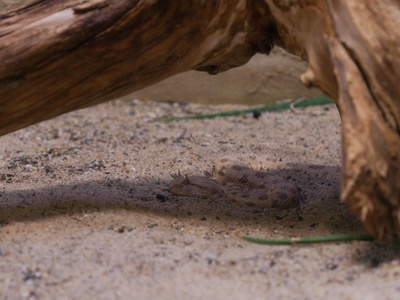
Oman saw-scaled viper
Small but aggressive; bite causes intense pain, swelling, bleeding disorders and possible shock. Avoid walking barefoot at night; immobilize limb, keep victim still and get urgent antivenom-equipped medical care.
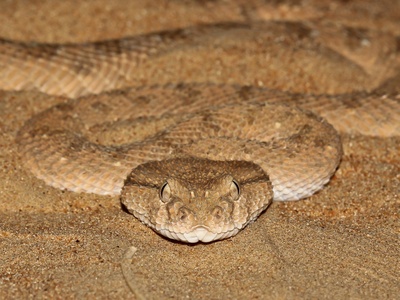
Arabian horned viper
Camouflaged ambush viper found on dunes; bite causes severe pain, swelling and bleeding problems. Watch dunes and wear boots; do not cut or suck wound, immobilize limb, seek hospital for antivenom and monitoring.
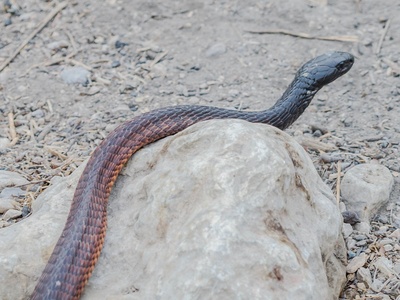
Arabian cobra
Large neurotoxic snake; bites can cause drooping eyelids, breathing difficulty and paralysis. Keep distance, avoid provoking, immobilize limb and rush to hospital for antivenom and respiratory support.
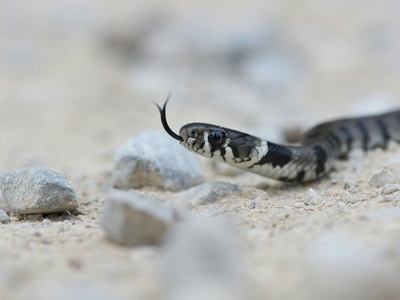
Omani saw-scaled viper (general group)
Saw-scaled vipers are responsible for many envenomations; symptoms include pain, bleeding and coagulopathy. Wear gaiters in desert, use torch at night, immobilize and transport patient for antivenom and supportive care.

Black fat-tailed scorpion
Powerful sting causes pain, sweating, hypertension and breathing problems, especially in children. Shake out bedding, wear shoes, seek urgent medical attention; do not cut sting site, keep victim calm and monitored.
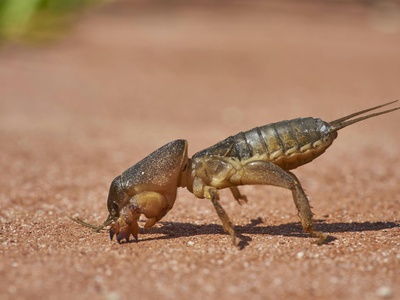
Jayakar’s scorpion
A medically important Omani scorpion; sting causes severe pain, nausea and possible systemic signs. Avoid putting hands into crevices, wear boots at night, seek prompt medical care and observe for systemic symptoms.
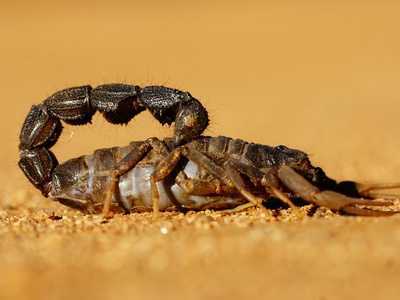
Deathstalker scorpion (widely in region)
Extremely venomous; sting can cause intense pain, neurological signs and life-threatening reactions in children. Avoid night activity without footwear; get urgent medical attention and antivenom if available.
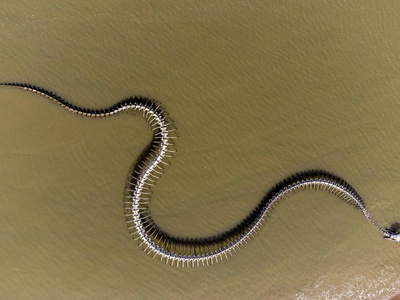
Beaked (shore) sea snake
Common in warm coastal waters; bites can cause muscle weakness, respiratory failure and paralysis. Avoid handling sea snakes, wear protective footwear when fishing, and get urgent hospital care and antivenom if bitten.
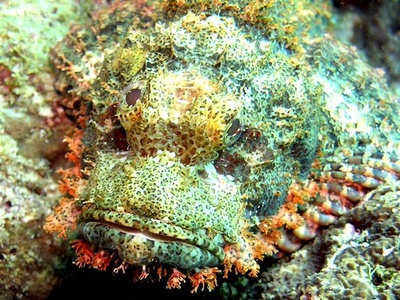
Stonefish
Well-camouflaged, painful foot puncture can cause intense pain, swelling, shock or rarely death. Shuffle feet in shallow water, hot-water immersion to reduce pain, remove spines carefully and seek urgent medical treatment.
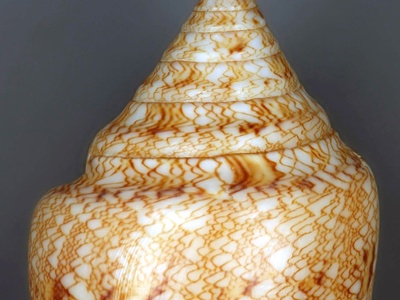
Cone snails (marine cones)
Beautiful shells conceal harpoon-like venom; handling can cause paralysis, respiratory failure and death. Never handle live cones, seek immediate hospital care and supportive respiratory treatment after a sting.
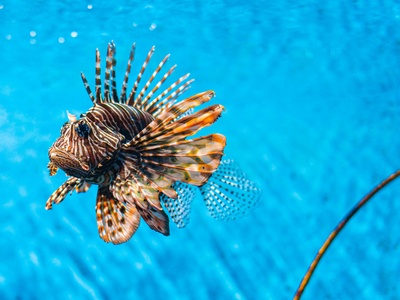
Lionfish
Venomous dorsal spines cause intense pain, swelling and sometimes nausea. Avoid touching, use hot-water immersion for pain relief and seek medical care for wound cleaning and tetanus update.
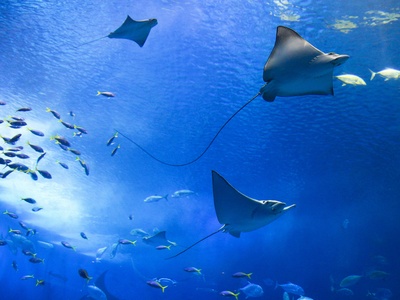
Stingrays
Often injured when stepped on; sting causes severe pain, bleeding and infection. Shuffle feet in shallow water, soak in hot water to ease pain and get wound care and tetanus protection.
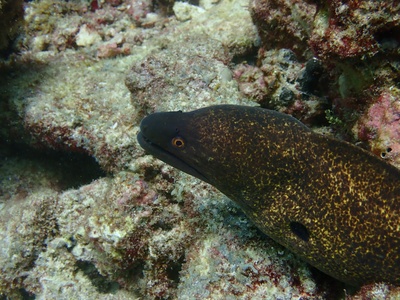
Moray eels
Bites cause deep cuts and high infection risk rather than venom; often when divers probe crevices. Avoid putting hands into holes, control bleeding, clean wound and obtain professional medical wound care.
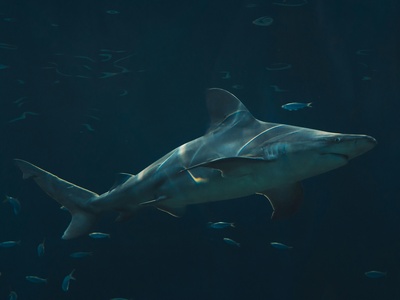
Sharks (occasional species)
Shark attacks in Oman are rare but can be severe. Avoid swimming alone, dusk/dawn or near fishing activity; follow local advisories and get immediate trauma care for bites.

Widow spiders (Latrodectus spp.)
Bites cause sharp pain, muscle cramps and nausea; systemic effects more common in children. Shake out shoes and boxes, avoid handling webs, seek medical care for pain control and observation.

Portuguese man o’ war (siphonophore)
Tentacles can deliver painful stings causing welts, nausea and rare systemic reactions. Avoid touching stranded specimens, rinse with seawater (not fresh), hot-water immersion for pain and seek medical help for severe reactions.