Serbia’s mix of mountains, rivers and agricultural lowlands supports a wide range of wildlife — and occasionally encounters that can be risky for people, pets and livestock. Seasonal migrations, expanding habitats, and human activity all shape when and where dangerous species are most likely to appear.
There are 20 Dangerous Animals in Serbia, ranging from Aedes albopictus to Vulpes vulpes. For each species you’ll find below entries organized with Scientific name,Danger type & severity,Habitat & season so you can quickly see what the threat is, how serious it can be, and when or where it’s most likely to occur — you’ll find those details below.
Which of these animals pose the biggest risk to people and pets in Serbia?
Risk depends on context: mosquitoes like Aedes albopictus can spread disease and are a major public-health concern in warm months; large mammals or foxes (Vulpes vulpes) more often threaten pets or livestock and rarely humans. Focus on species that transmit pathogens or cause injuries and check the season and habitat columns for local risk timing.
What practical steps reduce the chance of a harmful encounter?
Simple measures help: use repellents and bed nets in mosquito-prone areas, secure food and waste to deter foxes and wild animals, keep pets vaccinated and supervised, and avoid tall grass or known nest sites during peak seasons listed below.
Dangerous Animals in Serbia
| Name | Scientific name | Danger type & severity | Habitat & season |
|---|---|---|---|
| Vipera ammodytes | Vipera ammodytes | venomous bite; High | rocky slopes, scrub, foothills; spring–autumn |
| Vipera berus | Vipera berus | venomous bite; Moderate | forests, meadows, wetlands; spring–autumn |
| Ixodes ricinus | Ixodes ricinus | disease vector (Lyme, TBE); High | forests, grassy paths, leaf litter; spring–autumn (peak spring, autumn) |
| Dermacentor reticulatus | Dermacentor reticulatus | disease vector (rickettsia, babesiosis); Moderate | grasslands, river valleys, pastures; spring–autumn |
| Hyalomma marginatum | Hyalomma marginatum | disease vector (CCHF risk); High (rare) | open fields, pastures, livestock; late spring–autumn |
| Culex pipiens | Culex pipiens | disease vector (West Nile virus); Moderate–High (seasonal outbreaks) | urban, wetlands, standing water; summer–early autumn |
| Aedes albopictus | Aedes albopictus | disease vector (dengue/chikungunya risk); Moderate (outbreaks possible) | urban and suburban, gardens, artificial containers; spring–autumn |
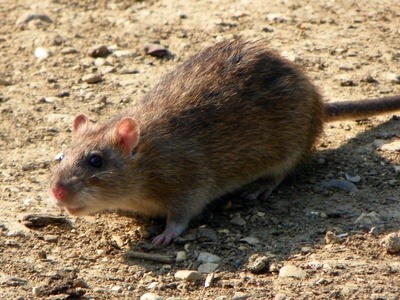
| Rattus norvegicus | Rattus norvegicus | disease vector and bites; Moderate | urban sewers, farms, dumps; year-round |
| Apodemus flavicollis | Apodemus flavicollis | disease reservoir (hantavirus); Moderate | forests, fields, around buildings; year-round (more exposure in autumn) |
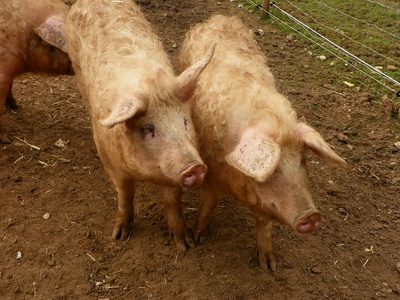
| Sus scrofa | Sus scrofa | attack/trampling; Moderate–High (if cornered or with piglets) | forests, farmland edges, fields; year-round, more active autumn–winter |
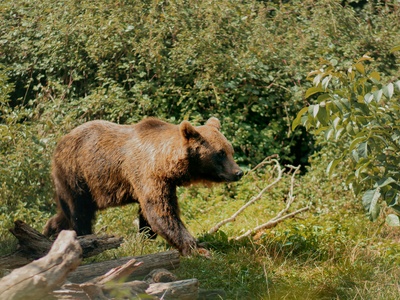
| Ursus arctos | Ursus arctos | attack; High (rare encounters) | remote mountains, forests (southwest Serbia); spring–autumn |
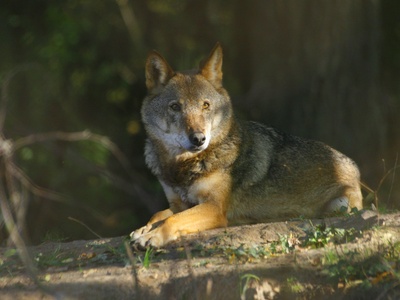
| Canis lupus | Canis lupus | attack; Low–Moderate (rare) | forests, mountainous areas; year-round |
| Vulpes vulpes | Vulpes vulpes | disease vector (rabies) and bites; High (if rabid) | villages, fields, forests; year-round |
| Stray/free-roaming dogs | Canis familiaris | bites and rabies risk; Moderate–High | urban edges, dumps, villages; year-round |
| Chiroptera (various bats) | Chiroptera spp. | disease vector (rabies, lyssaviruses); Low–Moderate | caves, buildings, forests; year-round (active spring–autumn) |
| Latrodectus tredecimguttatus | Latrodectus tredecimguttatus | venomous bite; Moderate | dry grasslands, old buildings; summer–early autumn |
| Loxosceles rufescens | Loxosceles rufescens | venomous bite (necrotic); Moderate | buildings, dark corners, basements; year-round (indoor encounters) |
| Euscorpius spp. | Euscorpius spp. | sting; Low–Moderate | rocky outcrops, stone walls, rural buildings; spring–autumn |
| Bees & wasps | Apis mellifera,Vespula spp.,Vespa spp. | stings, anaphylaxis; Moderate–High (for allergic individuals) | gardens, orchards, forests; spring–autumn |
| Phlebotomus spp. | Phlebotomus spp. | disease vector (leishmaniasis); Moderate | rural edges, rock walls, animal shelters; summer nights |
Images and Descriptions
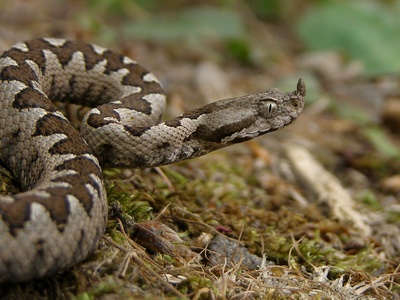
Vipera ammodytes
Nose-horned viper is Serbia’s most venomous snake; bites can cause severe pain, swelling and systemic effects. Found on sunny rocky slopes and dry scrub from spring to autumn. Avoid by watching footing; immobilize limb and seek urgent medical care and antivenom.
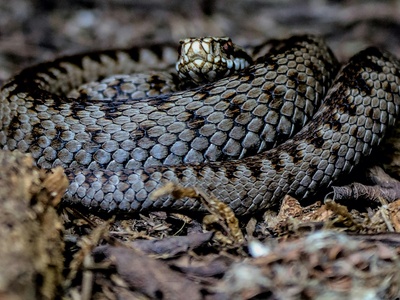
Vipera berus
European adder occurs in higher, cooler areas; bite can be painful and may cause systemic symptoms, rarely fatal. Encounter on forest edges, meadows and wetland margins in spring–autumn. Keep distance, calm victim, seek medical attention; antivenom rarely required.
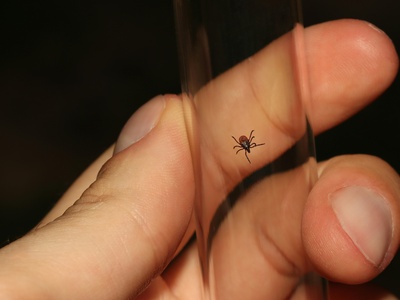
Ixodes ricinus
Common hard tick transmits Lyme disease and tick-borne encephalitis. Active in humid forests and grassy trails from spring to autumn. Use repellents, tuck trousers, check for ticks; remove promptly with tweezers and see doctor for testing or vaccination advice.
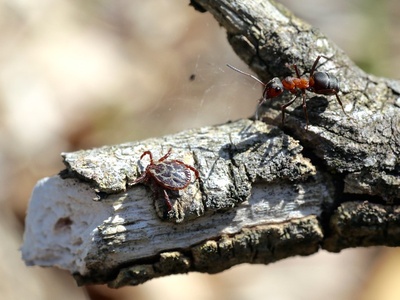
Dermacentor reticulatus
Marsh tick found in lowland pastures and river valleys; transmits rickettsial diseases and can affect pets. Active spring–autumn. Similar tick precautions: repellents, clothing, tick checks; seek medical care for fever after a bite.
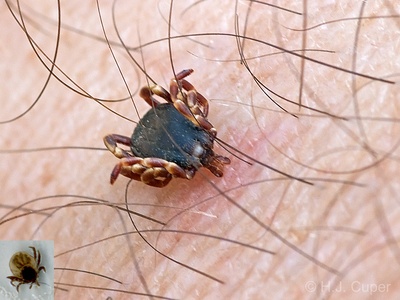
Hyalomma marginatum
Large migratory tick increasingly recorded in Serbia; possible carrier of Crimean-Congo hemorrhagic fever virus. Found on open pastures and livestock. Prevent bites with repellents, livestock treatment and seek urgent care for febrile illness after a tick bite.
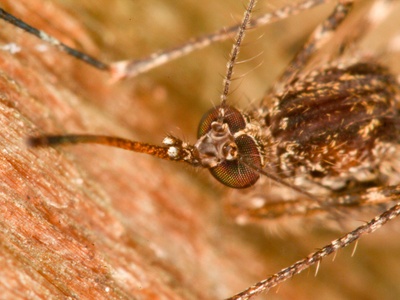
Culex pipiens
Common urban mosquito spreads West Nile virus in Serbia during summer. Found around standing water, drains and wetlands. Reduce breeding sites, use screens and repellents; seek medical care for high fever, weakness or neurological symptoms.
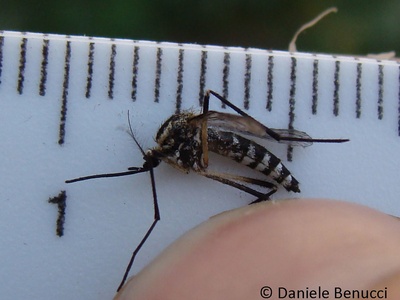
Aedes albopictus
Asian tiger mosquito established in parts of Serbia; aggressive daytime biter and potential vector of dengue or chikungunya if introduced. Eliminate standing water, use repellents and window screens; report unusual mosquito-borne illness to health services.
Rattus norvegicus
Brown rats are common in cities and farms, spreading leptospirosis, hantaviruses and bacterial infections; they can bite if cornered. Practice good hygiene, rodent-proof food and buildings; clean bites thoroughly and seek medical advice for wounds or fever.

Apodemus flavicollis
Yellow-necked mouse carries hantaviruses that can cause severe renal disease in humans. Often encountered near woodlands and stores. Avoid rodent contact, seal buildings, wear gloves when cleaning droppings; seek medical care for fever and kidney symptoms.
Sus scrofa
Wild boar are abundant and can be aggressive, especially sows with piglets or trapped animals. Encounter on forest edges, fields and agricultural areas. Keep distance, do not corner; if charged, seek cover; wounds need prompt cleaning and medical attention.
Ursus arctos
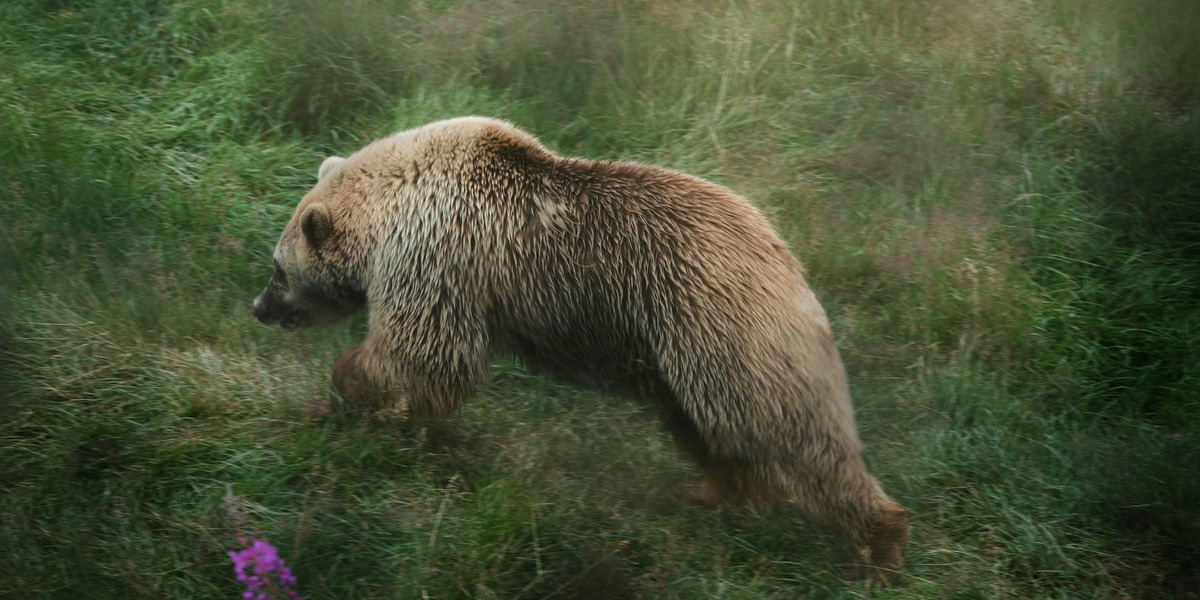
Brown bears occur in remote southwestern Serbia. Rarely attack humans, but can be dangerous if surprised or with cubs. Make noise on trails, store food away, back away slowly if seen; severe injuries require emergency care.
Canis lupus
Wolves are present in Serbian mountains; attacks on humans are extremely rare but they can threaten livestock. Avoid leaving food, keep dogs supervised, herd animals securely. If a pack behaves aggressively, seek shelter and report to local authorities.
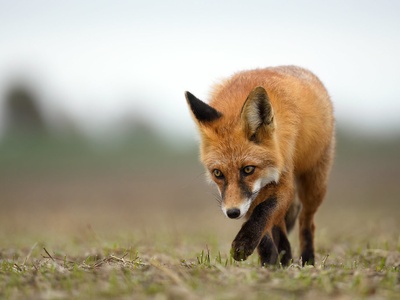
Vulpes vulpes
Red foxes are common and can carry rabies and parasites. Bites or contact with suspicious animals risk severe disease. Do not approach, report strange behavior, vaccinate pets, and seek immediate medical treatment and rabies prophylaxis after any suspected exposure.
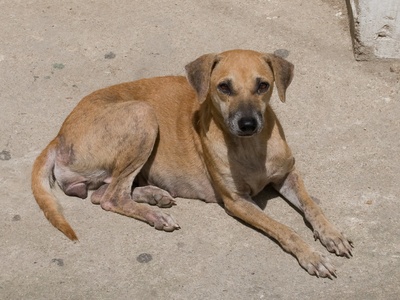
Stray/free-roaming dogs
Stray dogs can bite and occasionally carry rabies. Common around dumps, villages and outskirts. Avoid approaching groups, do not feed, keep distance and vaccinate pets. Clean bites thoroughly and seek urgent medical and rabies prophylaxis if exposure suspected.
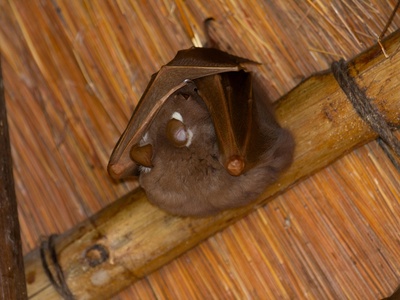
Chiroptera (various bats)
Bats can rarely transmit rabies-like viruses when handled. Found in caves, attics and woodlands. Do not touch grounded or unusual bats; wear gloves if handling, seek medical advice and prophylaxis after any bite or scratch.
Latrodectus tredecimguttatus
Mediterranean black widow occurs in dry warm areas and old structures; bite causes intense pain, muscle cramps and autonomic symptoms. Avoid reaching into dark crevices, shake shoes and gloves; seek medical care for severe pain and antivenom when indicated.
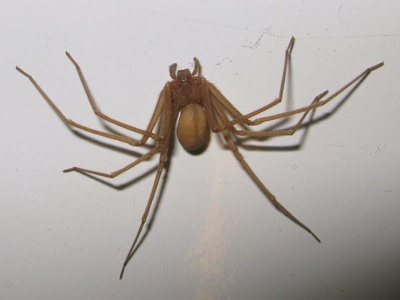
Loxosceles rufescens
Mediterranean recluse occurs in houses and basements; bites can cause local necrosis and systemic symptoms in rare cases. Check bedding and footwear, avoid bare-handed cleaning in dark corners; clean bites, seek medical care for worsening ulceration or systemic signs.
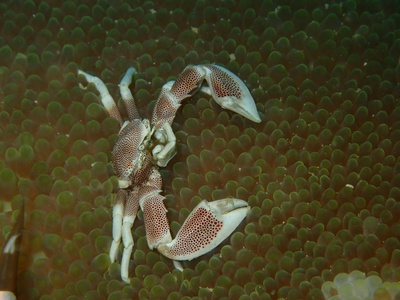
Euscorpius spp.
Small Balkan scorpions are widespread; stings cause local pain, swelling and rarely serious reactions in children or allergic people. Watch under stones and inside old walls, shake shoes, treat stings with cleaning, cold packs and seek care for severe pain or allergic reaction.
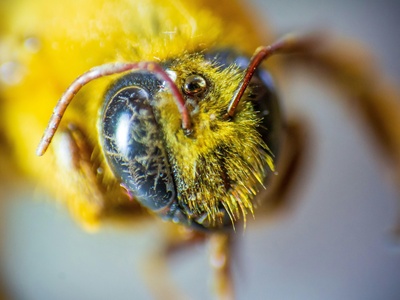
Bees & wasps
Honeybees, hornets and paper wasps are common; stings cause pain and can trigger life-threatening anaphylaxis in sensitized people. Avoid swatting nests, keep food covered, remove stingers quickly and seek emergency care and epinephrine if signs of anaphylaxis occur.
Phlebotomus spp.
Sand flies bite at dusk in rural areas and can transmit cutaneous and visceral leishmaniasis. Use nets, repellents and avoid dawn/dusk outside in endemic zones. Seek medical advice for persistent skin lesions or systemic symptoms.