The Democratic Republic of the Congo is home to vast rainforests, winding river systems and remote communities where people and wildlife meet daily. That mix of ecosystems supports many species that can pose real dangers, depending on location, season and human activity.
There are 25 Dangerous Animals in the Democratic Republic of the Congo, ranging from Aedes mosquito to Western lowland gorilla. For each species you’ll find below the Scientific name,Danger type,Range in DRC to help you understand where and why each animal can be hazardous; see the list below.
How can travelers reduce their risk from mosquito-borne diseases in the DRC?
Use proven protections: get a yellow fever vaccine if recommended, take malaria prophylaxis per your doctor, wear long clothing and permethrin-treated gear, apply DEET or icaridin repellent, sleep under bed nets, and avoid standing water during peak mosquito hours; check current local health advisories before travel.
What precautions help avoid dangerous encounters with large mammals like gorillas?
Always go with authorized guides, keep the recommended distance, follow park rules, don’t feed or approach animals, avoid visiting when you’re ill (to prevent disease transmission), and remain calm while retreating slowly if an animal shows signs of agitation.
Dangerous Animals in the Democratic Republic of the Congo
| Name | Scientific name | Danger type | Range in DRC |
|---|---|---|---|
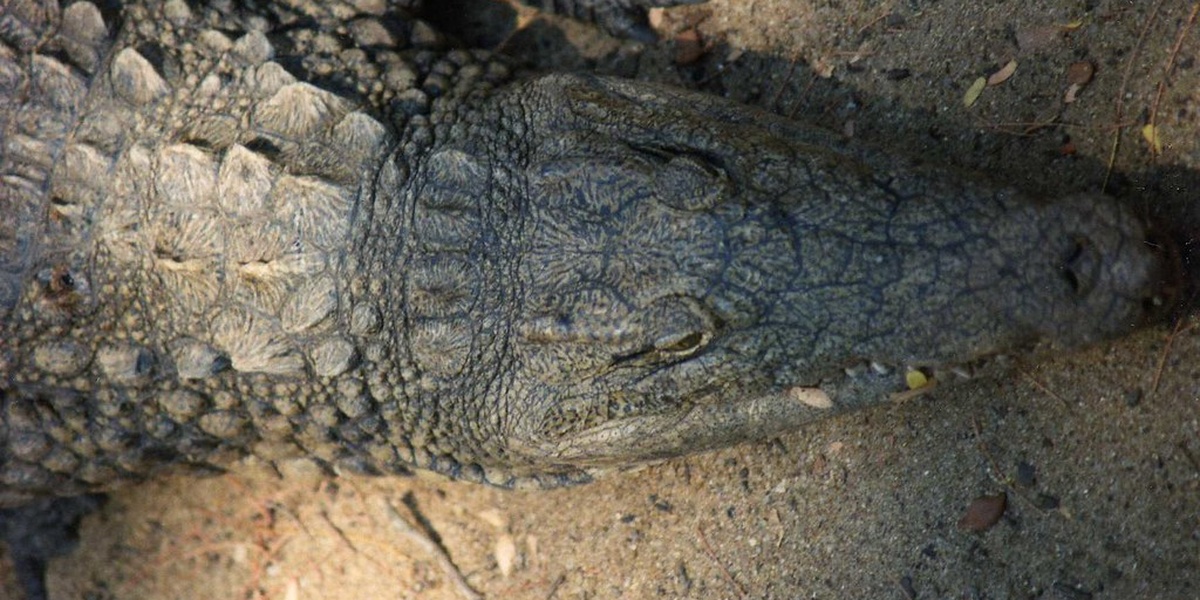
| Nile crocodile | Crocodylus niloticus | large predator | Along major rivers and lakes (Congo River, Lake Tanganyika, Lake Kivu); common in Tshopo, Tanganyika, North Kivu |
| Hippopotamus | Hippopotamus amphibius | large predator | Rivers, lakes and floodplains across DRC especially in Tshopo, Lualaba, Tanganyika and Kinshasa regions |
| African elephant | Loxodonta africana | large predator | Savanna and forest edges in eastern and northeastern DRC (Garamba, Ituri, North Kivu) and protected areas |
| African buffalo | Syncerus caffer | aggressive | Savanna and woodland areas, common in Garamba, Upemba and southern provinces |
| Lion | Panthera leo | large predator | Sporadic populations in northern savannas (Garamba NP) and remote eastern parks |
| Leopard | Panthera pardus | large predator | Widespread in forests and savannas (Ituri, Kahuzi-Biega, Virunga, eastern DRC) |
| Spotted hyena | Crocuta crocuta | aggressive | Savannas and fringes of towns near parks (Garamba, southern provinces) |
| Western lowland gorilla | Gorilla gorilla | aggressive | Congo Basin lowland rainforests (Équateur, Tshuapa, Mai-Ndombe, Salonga NP) |
| Eastern gorilla (includes Grauer’s and mountain populations) | Gorilla beringei | aggressive | Eastern DRC highlands (Virunga, Kahuzi-Biega, North and South Kivu) |
| Common chimpanzee | Pan troglodytes | aggressive | Forest and forest-savanna mosaics across DRC, notably in Ituri and western forests |
| African rock python | Python sebae | large predator | Rivers, wetlands and savanna/forest edges across DRC (near water bodies) |
| Gaboon viper | Bitis gabonica | venomous | Congo Basin lowland rainforests and forest edges (Équateur, Tshopo, Ituri) |
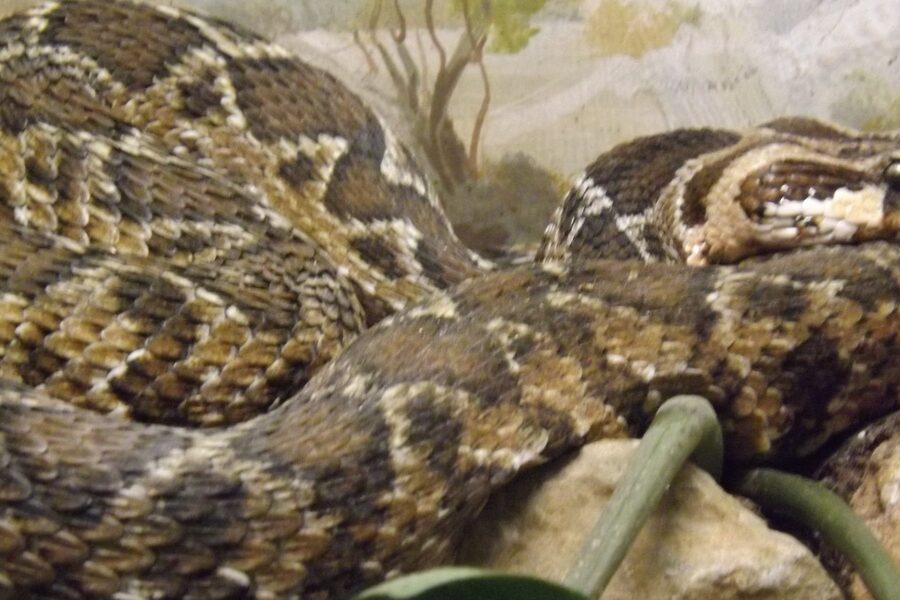
| Puff adder | Bitis arietans | venomous | Widespread in savannas, grasslands and disturbed areas across DRC |
| Black mamba | Dendroaspis polylepis | venomous | Woodland and savanna regions of eastern and southern DRC |
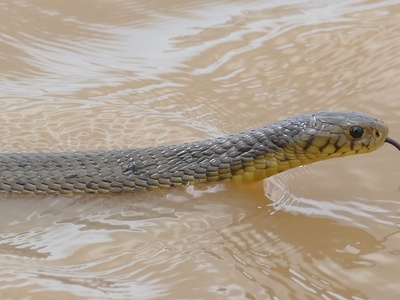
| Forest cobra | Naja melanoleuca | venomous | Primary and secondary rainforests across central and eastern DRC |
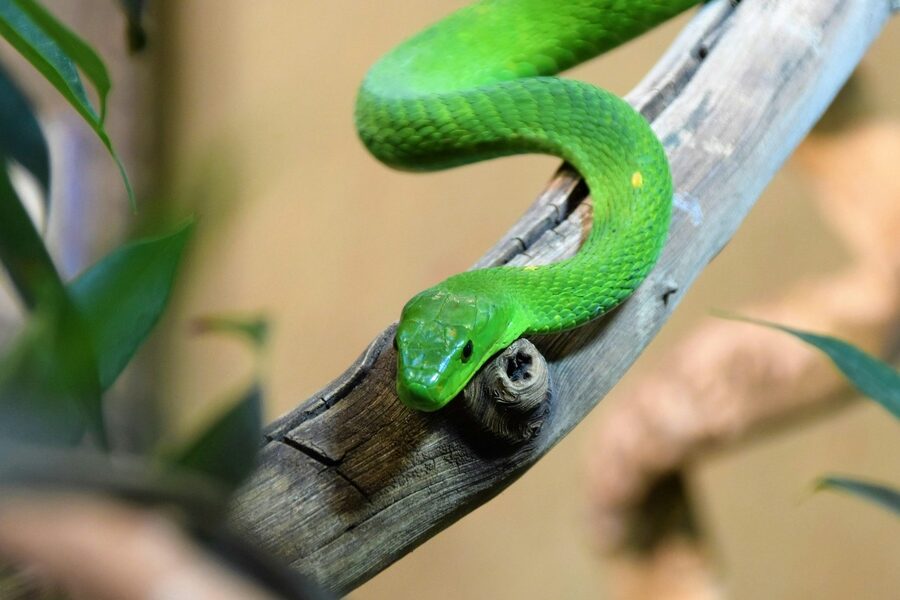
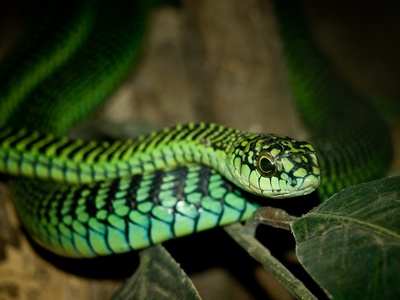
| Boomslang | Dispholidus typus | venomous | Woodland, forest edges and savanna across DRC |
| African honeybee | Apis mellifera scutellata | aggressive | Widespread near settlements, farms and forests throughout DRC |
| Anopheles mosquito | Anopheles gambiae | disease vector | Throughout DRC in rural and urban areas near standing water, wetlands and rice fields |
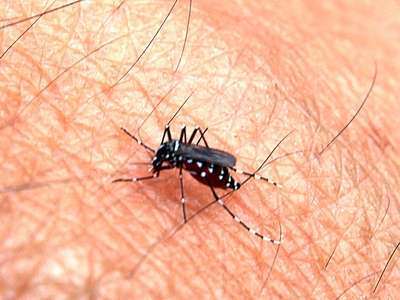
| Aedes mosquito | Aedes aegypti | disease vector | Urban and peri-urban areas across DRC, breeds in containers and stagnant water |
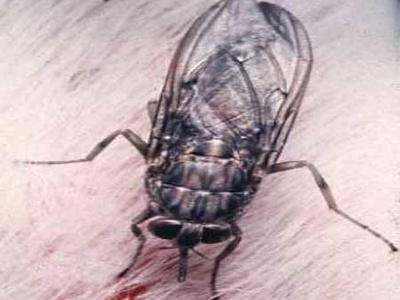
| Tsetse fly | Glossina palpalis | disease vector | Riverine and forested areas across central and eastern DRC (Ituri, Equateur, Orientale regions) |
| Blackfly | Simulium damnosum | disease vector | Fast-flowing rivers and streams throughout DRC, especially in river basins and upland areas |
| Freshwater snail (Schistosomiasis vector) | Biomphalaria pfeifferi | disease vector | Shallow freshwater bodies, irrigation channels, lakeshores and slow streams across DRC |
| Egyptian fruit bat | Rousettus aegyptiacus | disease reservoir | Caves, forests and human-fringe roosts in central and eastern DRC (Kisangani region and forested areas) |
| Hammer-headed fruit bat | Hypsignathus monstrosus | disease reservoir | Congo Basin forests and forest-savanna mosaics (Équateur, Ituri) |
| Franquet’s epauletted fruit bat | Epomops franqueti | disease reservoir | Forest edges, gallery forests and savanna mosaics across central and western DRC |
Images and Descriptions
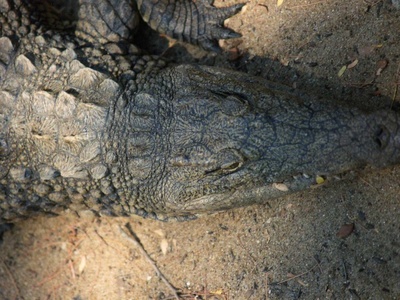
Nile crocodile
Nile crocodiles are powerful ambush predators that kill and maim people who fish or cross waterways. Risk is high at night and near riverbanks—avoid swimming after dark, use boats, and keep clear of water edges.
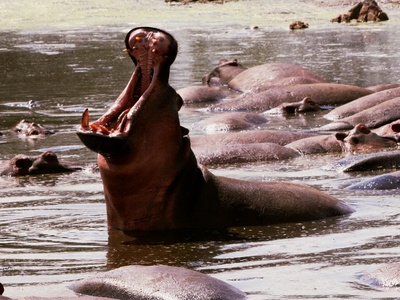
Hippopotamus
Hippos are territorial and surprisingly fast on land; they cause more human fatalities in Africa than most large mammals. High risk near riverbanks and in small boats—stay away from hippo paths, avoid canoeing at night and give them wide berth.
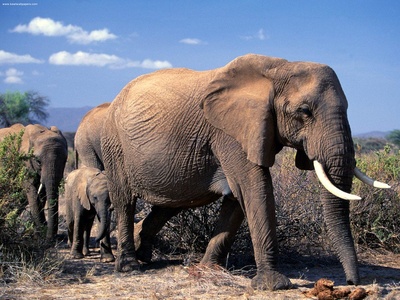
African elephant
Elephants can charge when startled, threatened, or protecting calves; trampling and goring cause serious injury or death. Avoid getting between elephants and vegetation, keep distance during crop raids, and follow ranger guidance in parks.
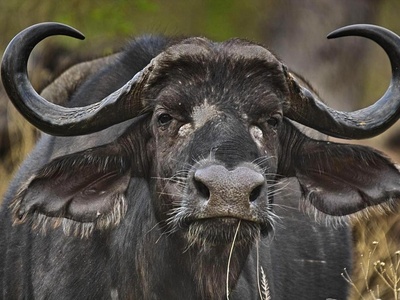
African buffalo
Cape buffaloes are unpredictable and will charge without provocation; goring and trampling incidents near waterholes or during hunting are common. Never approach a solitary or wounded buffalo, keep safe distance, and avoid getting between herd and escape routes.
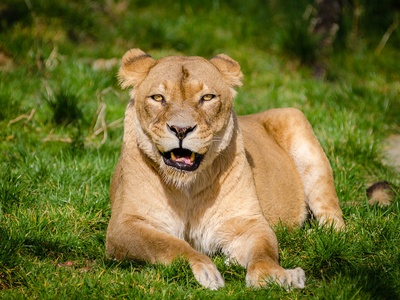
Lion
Lions are large predators capable of killing humans, especially when habituated to people or during nighttime livestock raids. Risk is concentrated near parks—avoid walking alone at night, secure livestock, and follow park safety rules.
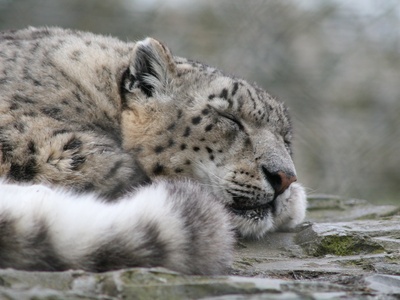
Leopard
Leopards are stealthy and can attack people, particularly when injured, habituated, or protecting cubs. Stay vigilant near forest edges, avoid solitary night movements, and store food properly when camping.
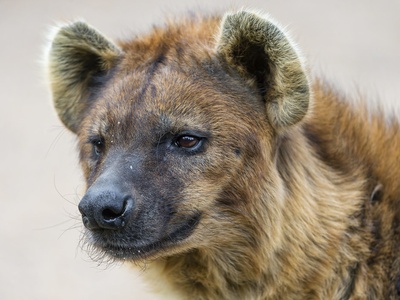
Spotted hyena
Hyenas scavenge and occasionally attack people, especially at night and near settlements. They can be bold around poorly secured camps—lock food away, avoid walking alone after dark, and use local guidance.
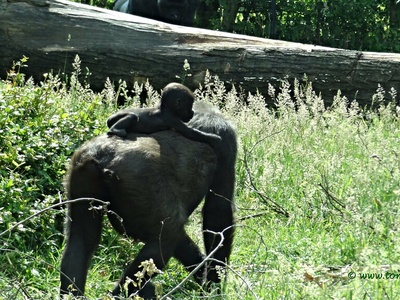
Western lowland gorilla
Large and powerful, gorillas can inflict serious injuries if surprised or provoked, though attacks are rare. Respect viewing rules, keep distance, avoid sudden moves, and never approach infants or attempt to feed them.

Eastern gorilla (includes Grauer’s and mountain populations)
Eastern gorillas are strong and can be dangerous when threatened; they live in protected mountains and forests. Follow ranger instructions on treks, maintain distance on habituated tours, and never obstruct their movement.
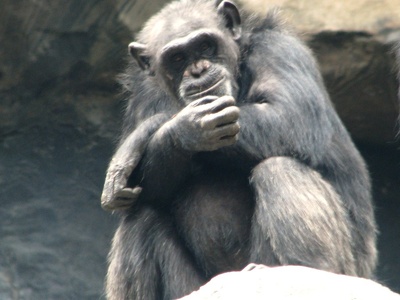
Common chimpanzee
Chimpanzees are strong and can bite, scratch, and transmit diseases; attacks have occurred when they feel threatened. Do not approach wild chimps, avoid feeding, and follow experienced guides during forest visits.
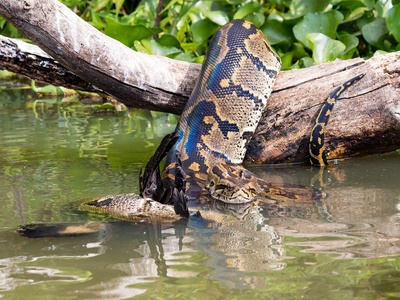
African rock python
Large constrictor that can injure or rarely kill people, especially children, by ambushing near water or dens. Be cautious near rodent-rich brush and waterways, supervise children, and avoid reaching into dark holes or dense vegetation.
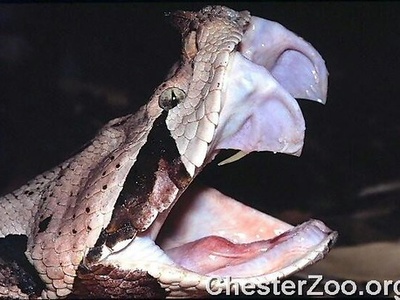
Gaboon viper
Gaboon vipers have long fangs and potent cytotoxic venom; bites cause severe injury and can be fatal without prompt care. Watch your step in leaf litter, wear boots, use a torch at night, and seek immediate medical help for bites.

Puff adder
Puff adders are common, well-camouflaged, and responsible for many bites; their venom can cause severe tissue damage. Be careful when stepping over logs or reaching into vegetation, wear boots, and get urgent antivenom if bitten.
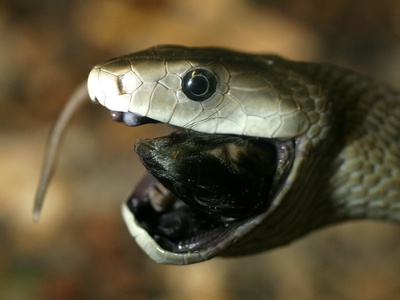
Black mamba
Black mambas carry fast-acting neurotoxic venom and are highly dangerous when cornered. Avoid provoking snakes, give large snakes space to escape, and seek emergency treatment immediately after any suspected bite.
Forest cobra
Forest cobras are large, potentially aggressive snakes with potent neurotoxic venom; they can stand and strike when threatened. Keep clear of dense forest undergrowth, use a flashlight at night, and obtain prompt medical care for envenomation.
Boomslang
Boomslang bites may be infrequent but cause severe hemorrhaging due to hemotoxic venom. These arboreal snakes may be encountered at head height—watch branches, avoid grabbing vegetation, and treat any bite as a medical emergency.
African honeybee
African honeybees can swarm and inflict hundreds of stings leading to severe allergic reactions or death. Avoid disturbing hives, stay calm and run in a straight line if attacked, and seek medical care for multiple stings or breathing difficulty.
Anopheles mosquito
Anopheles mosquitoes transmit malaria, a leading cause of severe illness and death. Use insecticide-treated nets, repellents, and antimalarial prophylaxis where recommended; seek rapid diagnosis and treatment for fevers.
Aedes mosquito
Aedes aegypti spreads yellow fever, dengue and chikungunya; outbreaks can be serious. Remove standing water, use screens and repellents, ensure yellow fever vaccination when advised, and seek care for high fevers or rashes.
Tsetse fly
Tsetse flies transmit human African trypanosomiasis (sleeping sickness), which can be fatal if untreated. Avoid riverside sleeping, wear neutral-colored clothing, use insect repellent, and get tested if symptoms like fever or neurological changes appear.
Blackfly
Blackflies transmit onchocerciasis (river blindness), causing skin and vision problems. Avoid prolonged river exposure, use repellents, wear long sleeves, and participate in community control and mass treatment programs.
Freshwater snail (Schistosomiasis vector)
These snails carry parasites causing schistosomiasis, leading to chronic illness and organ damage. Avoid wading in freshwater where disease is common, use safe water, and seek diagnosis and treatment for abdominal or urinary symptoms.
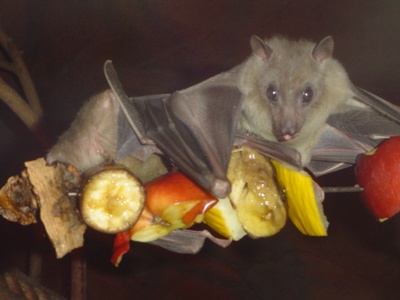
Egyptian fruit bat
Egyptian fruit bats have been linked to Marburg virus spillovers. Avoid entering bat caves, do not handle bats, use protective gear if working near roosts, and report sick animals to authorities.
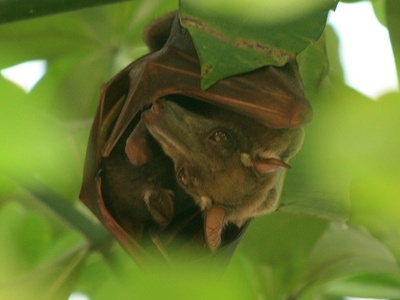
Hammer-headed fruit bat
This large fruit bat species is implicated in Ebola virus ecology; contact with bats or bushmeat can transmit disease. Avoid hunting or handling bats, do not enter large roosts, and follow public health advisories during outbreaks.
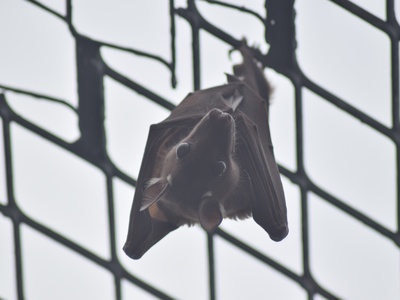
Franquet’s epauletted fruit bat
Epomops bats are among species associated with Ebola virus spillovers. They roost near villages; avoid contact, refrain from bushmeat consumption, and report unusual wildlife die-offs or human illness promptly.