The Philippines’ islands blend dense rainforests, mangroves and coastlines where people and wildlife regularly overlap. That mix makes it important to know which species can cause harm so you can enjoy the outdoors with sensible precautions.
There are 32 Dangerous Animals in the Philippines, ranging from the Asian water monitor to the Wild boar; for each species the table shows Scientific name,Danger level,Where found — you’ll find below.
Which animals are most likely to harm people in the Philippines?
Bites and injuries most often involve snakes (venomous cobras and kraits), saltwater crocodiles, certain jellyfish and aggressive mammals like wild boar; monitor lizards can bite and some marine creatures can sting. Risk varies by habitat and season, so local reports and common-sense avoidance matter more than fear.
How can I reduce my risk when visiting areas with dangerous wildlife?
Stick to marked trails, avoid swimming at dawn or dusk, heed local warnings, keep a safe distance from animals, store food securely, wear sturdy shoes in forested areas, and seek prompt medical care for bites or stings (and update tetanus shots). These simple steps cut most encounters.
Dangerous Animals in the Philippines
| Name | Scientific name | Danger level | Where found |
|---|---|---|---|
| Philippine cobra | Naja philippinensis | High — Potent neurotoxic venom causing respiratory failure | Grasslands, farms; Luzon, Mindoro |
| Samar cobra | Naja samarensis | High — Neurotoxic venom, rapid systemic effects | Samar, Leyte, Visayas forests and farmlands |
| King cobra | Ophiophagus hannah | High — Large dose neurotoxic venom; can kill adults | Forests and lowland jungles; Luzon, Mindanao, Palawan |
| Banded sea krait | Laticauda colubrina | High — Potent neurotoxin; bites rare but serious | Coral reefs and rocky shores near islands nationwide |
| Sea snakes (various) | Hydrophiinae (various) | High — Highly venomous neurotoxins; handling risk | Warm coastal waters, reefs, mangroves across Philippines |
| Box jellyfish | Cubozoa (Chironex, Carybdea spp.) | High — Cardio-respiratory toxic venom, potentially fatal | Nearshore tropical beaches and reefs during warm months |
| Portuguese man o’ war | Physalia physalis | Moderate — Extremely painful venomous tentacles; systemic reactions possible | Open sea and beaches; washed ashore around Philippines coasts |
| Stonefish | Synanceia spp. | High — Extremely venomous spines cause severe pain and tissue damage | Coral reefs, rocky tidepools, shallow tropical seabeds |
| Lionfish | Pterois volitans | Moderate — Venomous spines cause intense pain and swelling | Reefs and coastal waters; invasive across Philippines |
| Blue-ringed octopus | Hapalochlaena spp. | High — Tetrodotoxin causes paralysis and respiratory failure | Shallow reefs, rocky pools and tidal zones nationwide |
| Cone snail | Conus spp. (e.g., Conus geographus) | High — Potent conotoxins that can paralyze and kill | Coral reefs, sandy bottoms, shallow coastal waters |
| Sea urchin | Diadema setosum and others | Moderate — Puncture wounds and venomous spines cause pain, infection risk | Rocky intertidal zones, coral reefs, tidepools nationwide |
| Stingray | Dasyatidae (various) | Moderate — Venomous barbs cause severe puncture pain and bleeding | Sandy shallows, bays, estuaries, coastal beaches nationwide |
| Pufferfish | Tetraodontidae (various) | High — Tetrodotoxin ingestion causes paralysis and death | Coral reefs, coastal fisheries; risk from improperly prepared fish |
| Saltwater crocodile | Crocodylus porosus | High — Powerful ambush predator can kill adults | Mangroves, river mouths, estuaries; Palawan, Sulu, Mindanao |
| Reticulated python | Malayopython reticulatus | High — Large constrictor can suffocate or crush humans in rare cases | Lowland forests, agricultural edges; Mindanao, Luzon islands |
| Wild boar | Sus scrofa | Moderate — Aggressive when cornered; tusks cause serious trauma | Forests, agricultural fields, mountainous provinces nationwide |
| Asian water monitor | Varanus salvator | Low — Large bite and bacterial infection risk, can be aggressive if provoked | Mangroves, rivers, urban waterways, Luzon and Mindanao |
| Scorpion | Heterometrus spp. and others | Low — Painful sting; severe reactions or allergic shock possible | Forests, under debris, agricultural areas, homes nationwide |
| Bees, wasps, hornets | Apis, Vespa, Polistes spp. | Moderate — Multiple stings can be hazardous; anaphylaxis risk | Gardens, forests, rural and urban areas nationwide |
| Sharks (bull, tiger) | Carcharhinus leucas; Galeocerdo cuvier | High — Powerful bites can be fatal though attacks rare | Coastal waters, river mouths, reefs; various provinces |
| Dogs (rabid) | Canis lupus familiaris (rabid) | High — Rabies risk from bites; fatal without treatment | Urban and rural areas; stray dog populations nationwide |
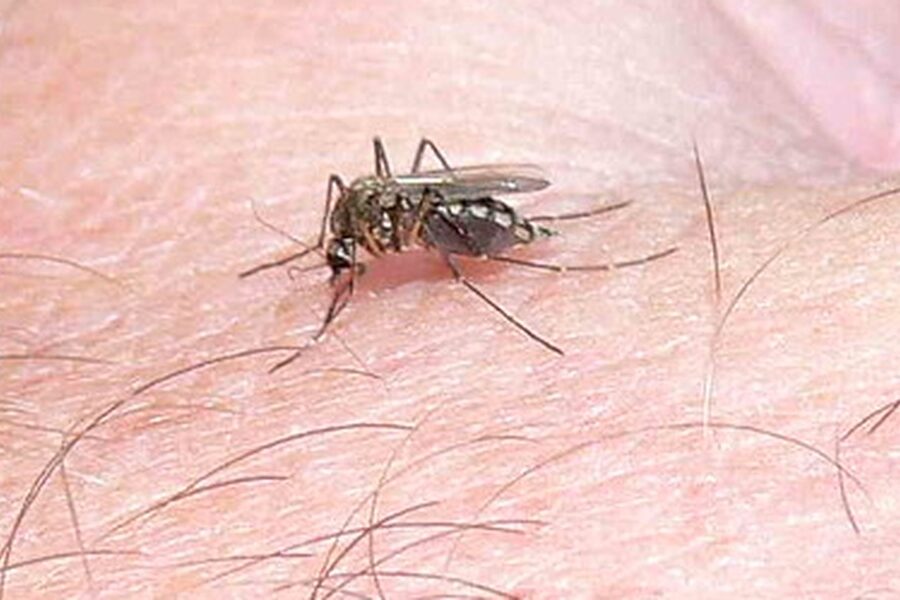
| Mosquito (Aedes aegypti) | Aedes aegypti | High — Vector for dengue, Zika, chikungunya; can cause severe disease | Urban and peri-urban areas; breeds in stagnant water nationwide |
| Mosquito (Anopheles) | Anopheles spp. | Moderate — Vector for malaria; risk varies by region | Rural, forested lowlands; Palawan and parts of Mindanao |
| Rats | Rattus rattus, R. norvegicus | Moderate — Carry leptospirosis and other infections via urine | Urban slums, farms, sewers, rice fields nationwide |
| Bats | Various Chiroptera | Moderate — Reservoirs for rabies and other viruses; avoid handling | Caves, fruit orchards, forests, urban roosts nationwide |
| Cone snail (Geography cone) | Conus geographus and others | High — Fast-acting conotoxins can be lethal | Sandy reef flats and intertidal zones across Philippines |
| Caterpillar (silk moth families) — omit (none strongly dangerous) | N/A | N/A | N/A |
| Fire coral | Millepora spp. | Low — Nematocyst stings cause burning pain and rash | Shallow reefs and rocky substrates across Philippines |
| Jellyfish (Irukandji-like) | Carukia-like/cubozoans | High — Small jellyfish can cause severe autonomic syndrome | Warm coastal waters and reefs during certain seasons |
| Sea anemone (venomous species) | Actiniaria (various) | Low — Localized stinging, allergic reactions possible | Coral reefs and rocky shores nationwide |
| Mangrove stonefish (reef) — included under Stonefish | Synanceia spp. | High — Extremely venomous spines cause severe pain and tissue damage | Mangrove flats, shallow reefs, tidal channels |
Images and Descriptions
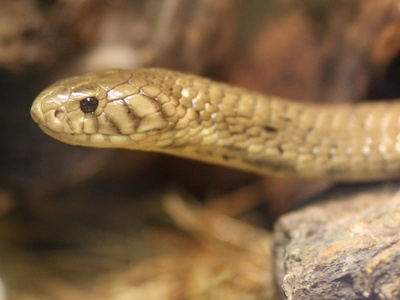
Philippine cobra
Medium-large snake with neurotoxic venom that can cause drooping eyelids, paralysis, respiratory collapse; bites require urgent antivenom and airway support. Avoid handling, wear boots, clear tall grass; immobilize limb and seek emergency care.

Samar cobra
Venomous spitting/biting cobra found in Visayas; causes neurotoxic symptoms and local pain. Rinse spitting to eyes with clean water, avoid rubbing; immobilize bite, keep victim calm and transport to hospital for antivenom.
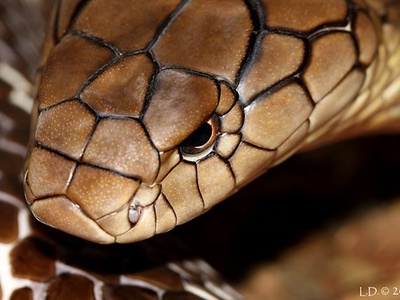
King cobra
World’s longest venomous snake; delivers large neurotoxic doses causing respiratory failure. Extremely dangerous if cornered. Give space, retreat slowly. Bite needs immediate advanced care and antivenom; maintain airway and support breathing.
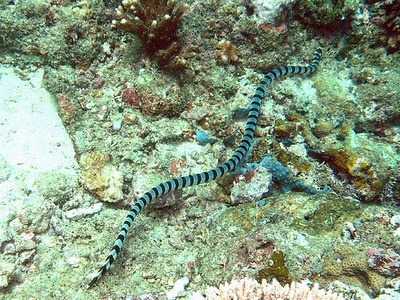
Banded sea krait
Nocturnal sea snake that bites if handled; bite causes weakness, paralysis, respiratory arrest. Do not touch sea snakes. If bitten, keep victim still, apply pressure immobilization and evacuate to hospital for antivenom.
Sea snakes (various)
Several marine elapid species hold neurotoxic venom; usually timid but dangerous if stepped on or handled. Avoid handling, use gloves for fisheries. Pressure immobilization and urgent evacuation for antivenom if envenomed.
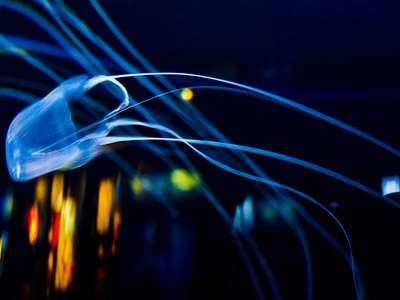
Box jellyfish
Transparent cubes with long tentacles; stings cause intense pain, cardiac arrest or collapse in severe cases. Get victim out of water, call emergency services, apply vinegar to tentacles, start CPR if needed.
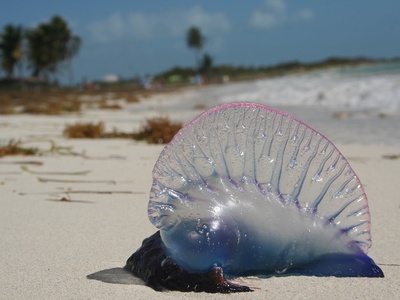
Portuguese man o’ war
Siphonophore with long stinging tentacles causing severe localized pain, welts, possible systemic effects. Do not touch; remove tentacles with gloves or stick, rinse with seawater (not freshwater), seek medical care for severe reactions.
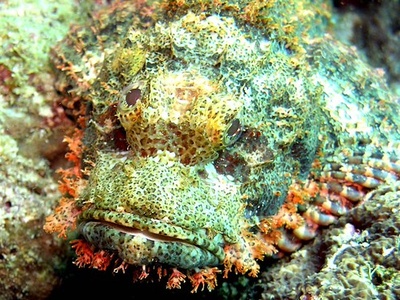
Stonefish
Camouflaged reef fish with dorsal venomous spines; stepping causes excruciating pain, swelling, possibly shock. Immerse wound in hot water to reduce pain and denature venom, seek hospital for antivenom and wound care.
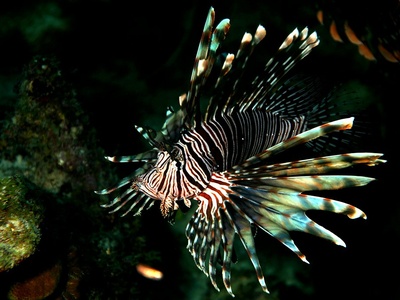
Lionfish
Attractive but venomous spines cause intense local pain, swelling and rarely systemic symptoms. Avoid touching; if stung immerse in hot water for pain relief and get medical attention for wound cleaning and tetanus shot if needed.
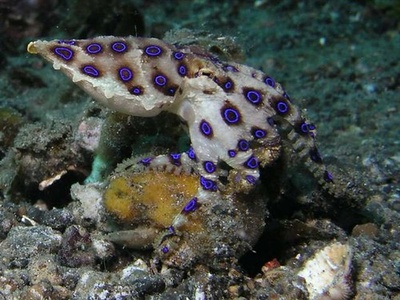
Blue-ringed octopus
Small, brightly marked octopus whose bite may be painless but delivers lethal neurotoxin causing rapid paralysis. Do not handle. If bitten, seek immediate emergency care; support breathing and be prepared for mechanical ventilation.
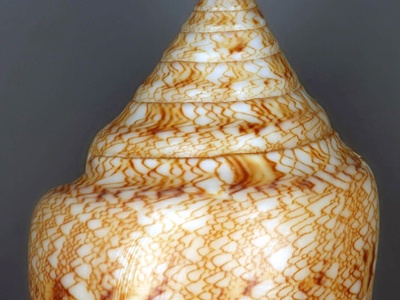
Cone snail
Attractive snail that can harpoon with venomous radula; stings produce paralysis, respiratory failure. Do not pick up live cones. For envenomation, immobilize limb, seek urgent medical help; no widely available antivenom.
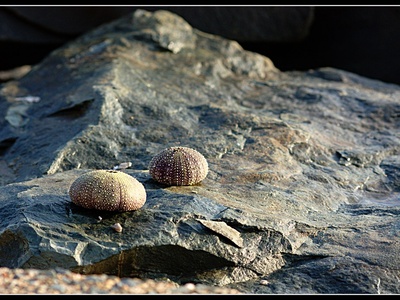
Sea urchin
Long-spined urchins cause painful punctures and may break spines in tissue, risking infection and local venom effects. Remove visible spines carefully, soak wound in hot water for pain relief, see clinic for tetanus or wound care.
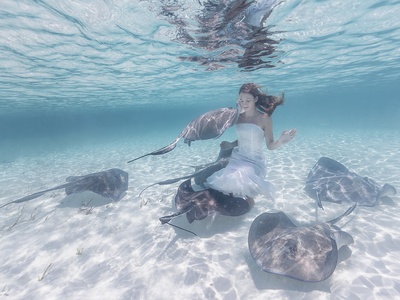
Stingray
Usually docile; injury when accidentally stood on; stingray barb injects venom and causes deep punctures. Immerse wound in hot water to reduce pain; seek medical attention for cleaning and possible antivenom or surgery.
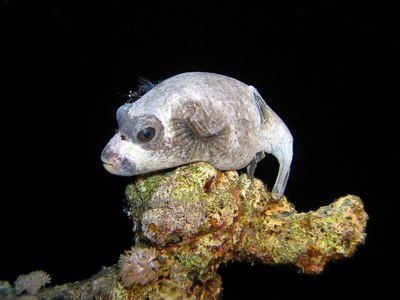
Pufferfish
Internal organs contain tetrodotoxin; ingestion leads to numbness, paralysis, respiratory failure. Only eat prepared by certified chefs. Suspected poisoning: seek emergency care, support respiration; no antidote.
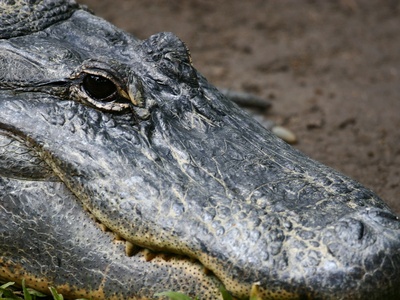
Saltwater crocodile
Large territorial crocodile that ambushes prey at water’s edge; attacks cause severe trauma or drowning. Avoid swimming near mangroves or at night; keep distance, supervise children, report sightings to authorities.
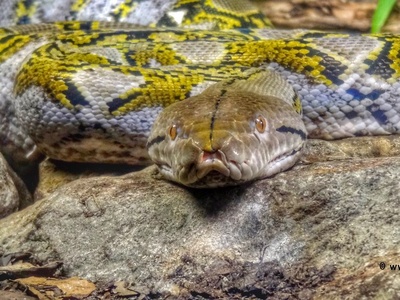
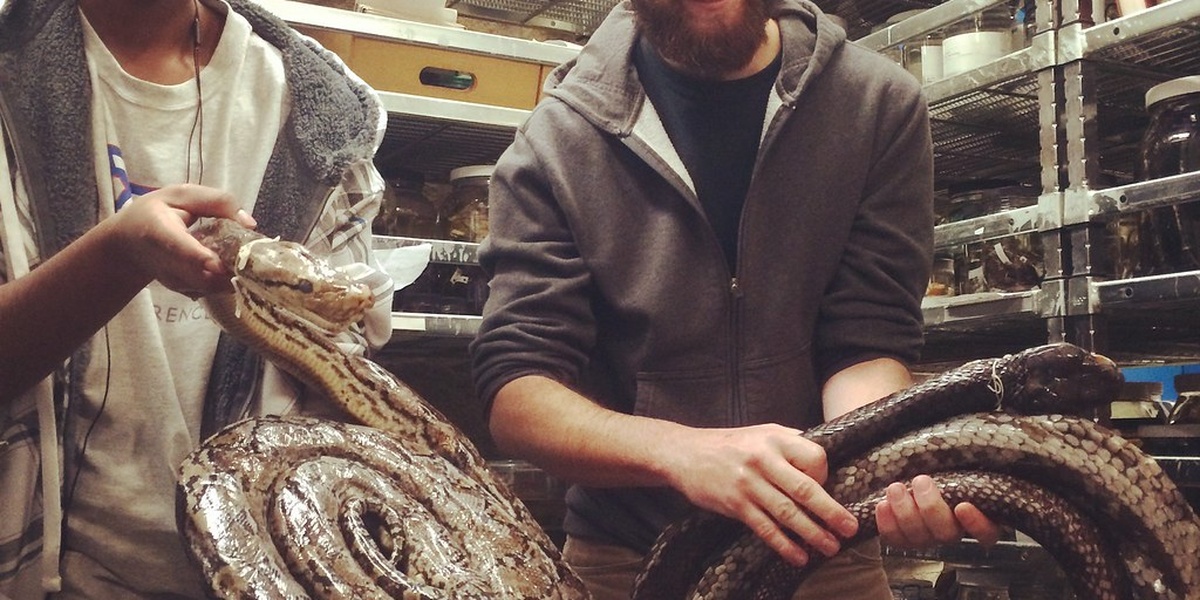
Reticulated python
Very large constrictor that rarely targets humans but can kill through constriction. Avoid approaching large snakes, keep livestock secure. If attack occurs seek emergency help; robust rescue may be needed.
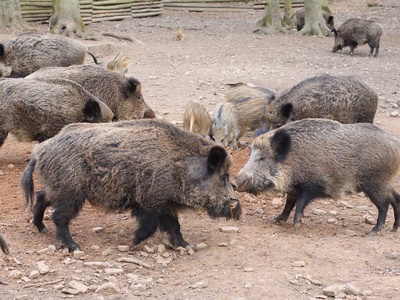
Wild boar
Wild pigs can charge, gore, and trample, especially sows with piglets. Avoid startling them, give way on trails. If attacked, try to keep a barrier between you and the boar and seek medical care for wounds.
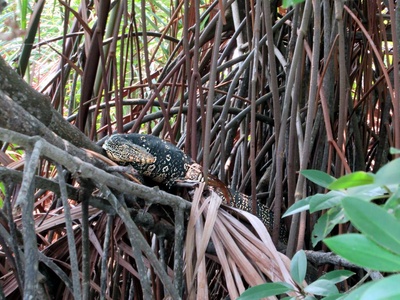
Asian water monitor
Large lizard capable of inflicting deep bites; bites risk severe infection. Do not handle or feed wild monitors. If bitten, wash thoroughly, seek medical care for antibiotics and wound management.
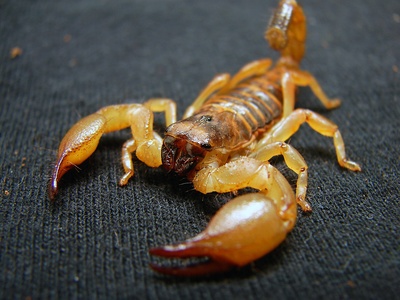
Scorpion
Most scorpion stings cause intense localized pain, swelling and numbness; a few can cause systemic signs. Shake out shoes, wear gloves working at night. For severe symptoms or children, seek emergency care.
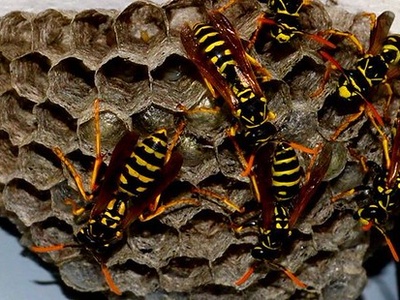
Bees, wasps, hornets
Stings cause pain, swelling; clustered nests risk mass stings leading to cardiovascular collapse or allergic shock. Avoid nests, move calmly away. For anaphylaxis use epinephrine and seek emergency care immediately.
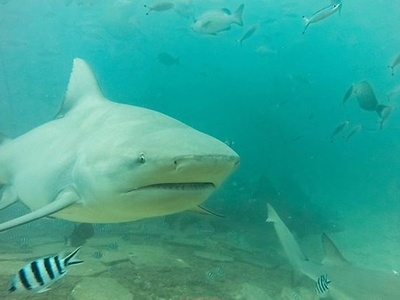
Sharks (bull, tiger)
Large predatory sharks occasionally bite humans; injuries can be severe. Reduce risk by avoiding dawn/dusk swimming, murky water, and fishing areas. Severe bleeding requires pressure, tourniquet and urgent evacuation.

Dogs (rabid)
Rabid dogs can transmit rabies through bites or saliva; disease is almost always fatal without post-exposure prophylaxis. Clean bite wound thoroughly, seek immediate medical assessment for rabies vaccine and immunoglobulin.
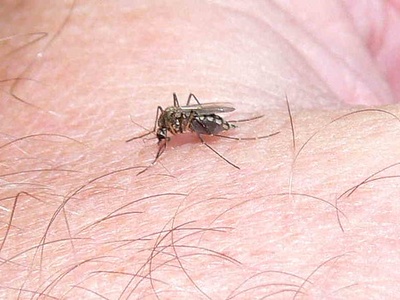
Mosquito (Aedes aegypti)
Small daytime mosquito transmits dengue and other viruses causing high fever, hemorrhage, severe joint pain. Prevent by removing standing water, use repellents, nets. Seek care for high fever or bleeding.
Mosquito (Anopheles)
Night-biting mosquitoes transmit malaria parasites causing fever, chills and anemia. Use bed nets, repellents, chemoprophylaxis if recommended. Seek prompt testing and treatment for fever after travel.
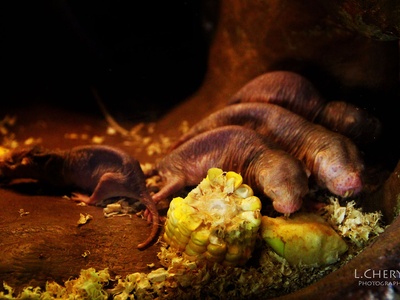
Rats
Rodents contaminate water and food; leptospirosis causes fever, muscle pain, jaundice and can be severe. Avoid contact with rodent urine, keep food stored, seek antibiotics and testing if exposed.
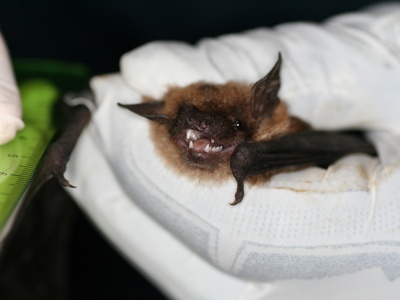
Bats
Bats can harbor zoonotic viruses including rabies; bites and scratches are risky. Do not handle bats. If contact occurs, wash wound and seek medical advice for rabies prophylaxis.
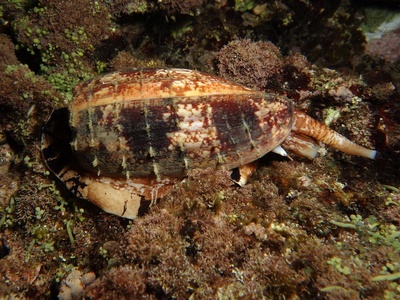
Cone snail (Geography cone)
A particularly dangerous cone snail that can “sting” and inject powerful neurotoxins causing paralysis. Never pick up live cones. For envenomation, immobilize, monitor breathing and transport urgently to hospital.
Caterpillar (silk moth families) — omit (none strongly dangerous)
N/A
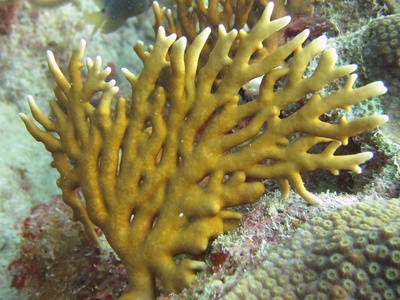
Fire coral
Colonial cnidarian causing painful burning stings and welts when brushed. Rinse with seawater, avoid rubbing, seek medical care for severe allergic reactions or prolonged pain.
Jellyfish (Irukandji-like)
Tiny cubozoans can produce delayed severe pain and dangerous autonomic symptoms. If stung, get victim out of water, apply vinegar, monitor for delayed systemic signs and seek emergency care.
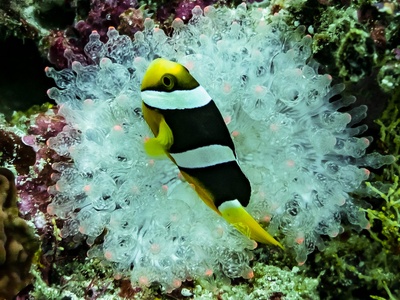
Sea anemone (venomous species)
Contact causes burning, redness and blisters in sensitive people. Rinse with seawater, avoid rubbing, seek medical care for severe reactions or infection.
Mangrove stonefish (reef) — included under Stonefish
Camouflaged among mangrove roots with venomous spines causing severe pain and possible systemic symptoms. Hot-water immersion and urgent medical evaluation for antivenom and wound care are essential.