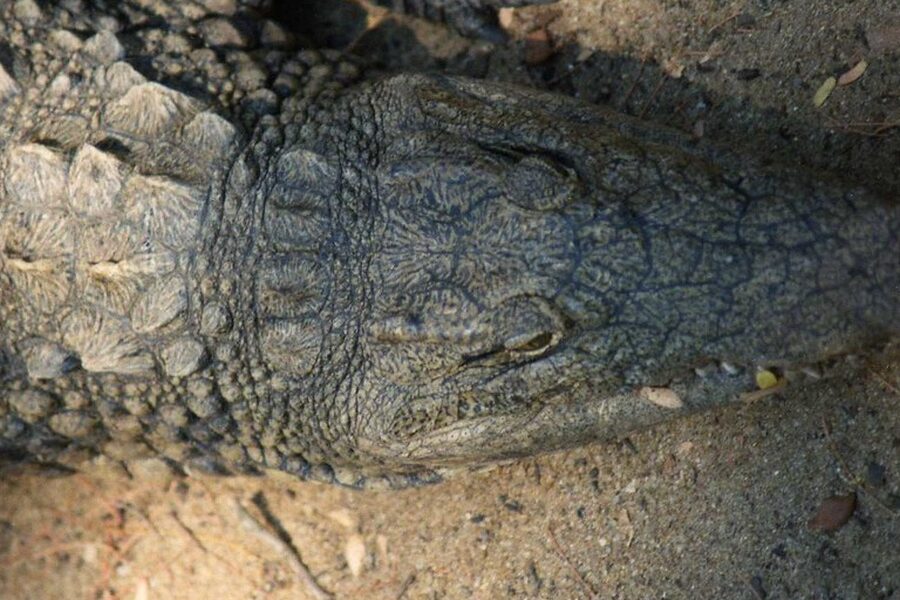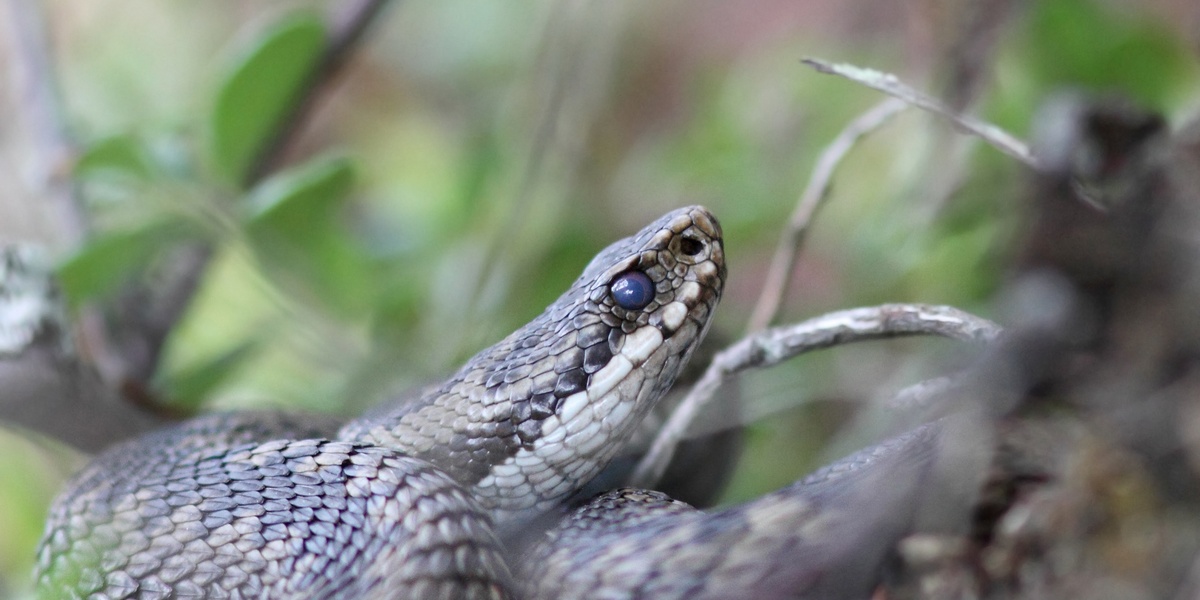
The United Kingdom’s mix of coastline, moorland and wooded countryside hosts a surprising variety of wildlife, and a few of those species can be dangerous if startled or cornered. Knowing where risks are more likely helps when planning walks, camping trips or visits to rural areas.
There are 16 Dangerous Animals in the United Kingdom, ranging from Adder to Wild boar (feral), and each entry includes Scientific name,Risk level (incidents),Where found to make comparisons quick and practical. See the list you’ll find below.
How likely am I to encounter one of these animals while visiting the UK?
Encounter risk depends on location and activity: adders are more common on heath and moorland in spring and summer, while wild boar sightings are increasing in certain rural regions. Urban and coastal visits carry much lower risk; basic precautions (stay on paths, keep dogs on leads, avoid disturbing wildlife) reduce the chance of an incident.
What should I do if bitten or charged by an animal such as an adder or a wild boar?
Prioritize safety: move to a safe place, keep calm, and get medical help—adder bites should be assessed in hospital as antivenom is available in severe cases. For wild boar, back away slowly, protect children and pets, and seek emergency help if anyone is injured; report aggressive animals to local authorities.
Dangerous Animals in the United Kingdom
| Name | Scientific name | Risk level (incidents) | Where found |
|---|---|---|---|
| Adder | Vipera berus | Moderate (rare fatality; a few hospitalisations annually) | Heathland, grassland, woodland edges across England, Wales, Scotland |
| False widow spider | Steatoda nobilis | Low (bites common; hospitalisation rare) | Houses, sheds, gardens and urban areas, especially southern England |
| Greater weever | Trachinus draco | Low-Moderate (seasonal coastal stings; hospital visits reported) | Sandy and shelly shallow waters around English south & west coasts and Irish Sea |
| Lesser weever | Echiichthys vipera | Low-Moderate (regular beach stings in summer) | Shallow sandy and muddy seabeds, especially southern and east coasts |
| Lion’s mane jellyfish | Cyanea capillata | Low-Moderate (seasonal stings; some hospital visits) | Cold and temperate coastal waters, common around northern and western UK coasts in summer |
| Honey bee | Apis mellifera | Moderate (stings common; rare fatal anaphylaxis) | Gardens, hedgerows, orchards and urban areas across the UK |
| Common wasp | Vespula vulgaris | Moderate (stings frequent in summer; rare fatal anaphylaxis) | Gardens, parks, waste bins and rural areas across the UK |
| Hornet | Vespa crabro | Low-Moderate (fewer incidents than wasps; rare severe reactions) | Woodland edges, parks and large gardens, more common in southern/central England |
| Sheep tick (tick) | Ixodes ricinus | Moderate (2,000–3,000 diagnosed Lyme cases/year) | Woodland, heathland, grass margins and coastal dunes across the UK |
| Brown rat | Rattus norvegicus | Low-Moderate (disease transmission and occasional bites) | Urban sewers, basements, farms, docks and derelict buildings across the UK |
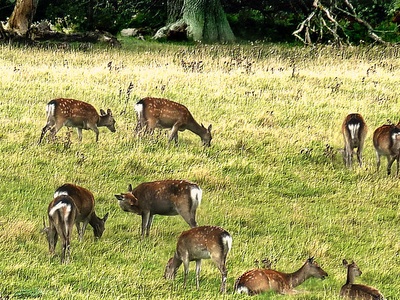
| Deer (red/roe) | Various (Cervus elaphus, Capreolus capreolus) | Low (seasonal incidents; injuries during rut and dog encounters) | Woodland, moorland and parkland across the UK, more common in rural areas |
| Grey seal | Halichoerus grypus | Low (rare attacks; occasional bites and lacerations) | Rocky shores, estuaries and islands, especially Scotland and west coast |
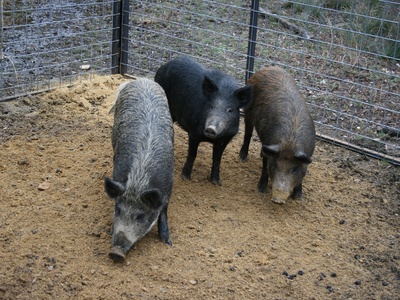
| Wild boar (feral) | Sus scrofa | Low-Moderate (localized encounters; occasional aggressive incidents) | Woodland areas with reintroduced or feral populations (various parts of England) |
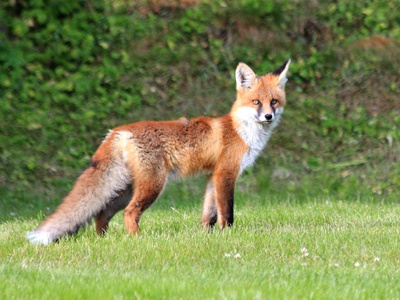
| Red fox | Vulpes vulpes | Low (bites rare; disease risk low) | Urban edges, towns, farmland and countryside throughout the UK |
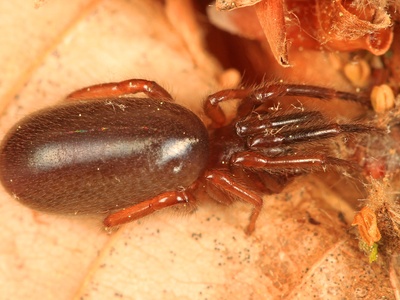
| Tube web spider | Segestria florentina | Low (painful bites reported; severe outcomes rare) | Warm walls, brickwork and buildings in southern England and urban areas |
| Horsefly | Tabanus spp. | Low (painful bites common in summer) | Heathland, marshes, farmland and riversides in summer months |
Images and Descriptions
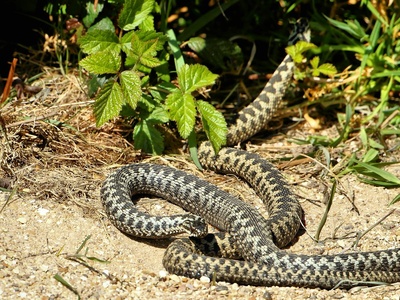
Adder
Venomous snake with a painful bite causing swelling, nausea and dizziness in some cases. Bites are uncommon; avoid handling, stay on paths and wear boots. If bitten keep still, seek urgent medical care and do not cut or suck the wound.
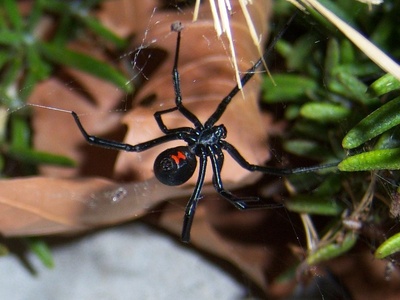
False widow spider
Often found indoors; bites cause local pain, redness and sometimes nausea or dizziness. Most resolve without treatment. Clean the wound, apply cold pack, monitor for spreading redness or systemic signs and contact GP if symptoms worsen or infection appears.
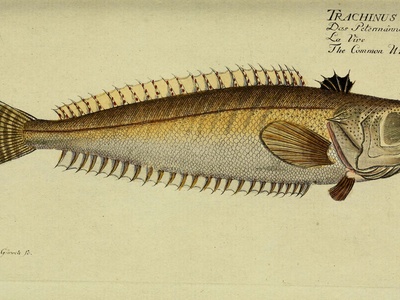
Greater weever
Buried on sandy seabeds; stepping on one causes immediate, intense pain, swelling and possible fainting. Remove spines if visible, immerse limb in hot water to reduce venom pain and seek medical help for severe pain or allergic reaction.
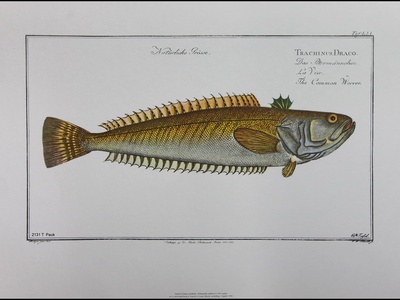
Lesser weever
Small but venomous fish that stings when trodden on; causes intense local pain, swelling and possible systemic symptoms. Immerse in hot water, remove any spines carefully and seek medical care if pain persists or large swelling occurs.
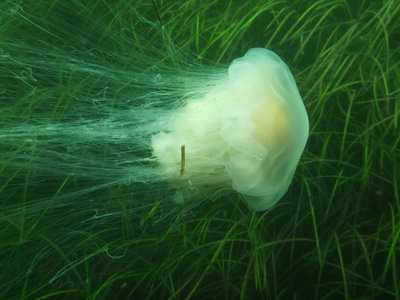
Lion’s mane jellyfish
Large jellyfish whose tentacles deliver painful stings and skin welts; nausea and breathing difficulty are rare. Rinse with seawater (not freshwater), remove tentacles with a gloved card, immerse in hot water and seek medical help for severe or spreading symptoms.
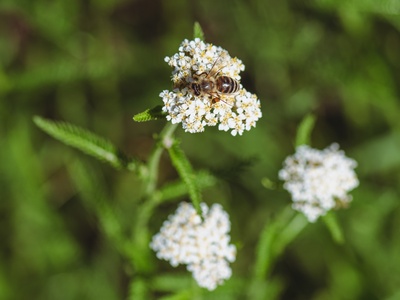
Honey bee
Stings are painful and often leave a barbed stinger in the skin, causing swelling and itching; allergic reactions can be life‑threatening. Remove stinger quickly, cold compress and seek urgent care or use an epipen if severe breathing or swelling occurs.
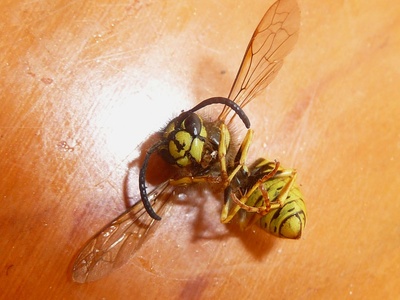
Common wasp
Social wasps sting multiple times causing sharp pain, swelling and potential allergic reaction. Avoid swatting near nests, keep food covered, treat stings with cold compress and seek urgent care for breathing difficulties or facial swelling.
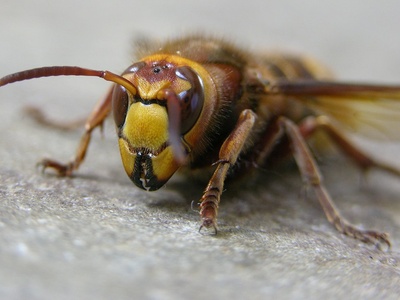
Hornet
Larger than wasps with a more painful sting; can cause intense local pain and rare systemic reactions. Do not disturb nests, retreat calmly if approached and seek medical help for multiple stings or allergic symptoms.
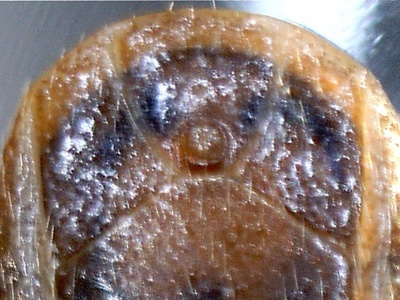
Sheep tick (tick)
Ticks can transmit Lyme disease and other infections; early signs include expanding rash and flu‑like symptoms. Remove tick promptly with fine tweezers or a tick remover, clean the site, note removal time and consult GP if rash or fever appears.
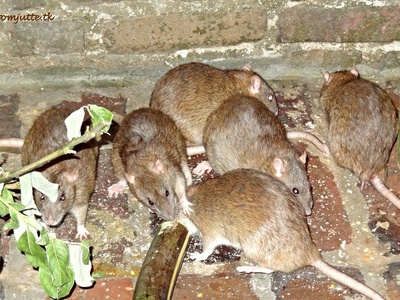
Brown rat
Rats spread infections and can bite if cornered; risks include leptospirosis and rat‑bite fever. Avoid contact, secure food and bins, and seek urgent medical attention for bites or deep wounds for cleaning and possible antibiotics.
Deer (red/roe)
Wild deer usually avoid people but can charge during rut or if startled; dog encounters can lead to injury. Keep distance, keep dogs on leads near deer, and get medical care for puncture wounds or head injuries.

Grey seal
Powerful coastal mammal that may bite if approached in water or on rocks; bites can cause deep lacerations and infection. Observe from a distance, never feed or swim close, and seek emergency care for deep wounds and infection risk.
Wild boar (feral)
Feral boar may charge or gore if cornered, particularly sows with piglets. Avoid known boar areas, keep dogs on leads, retreat slowly if sighted and seek emergency care for puncture wounds and heavy bleeding.
Red fox
Urban foxes rarely attack people but can bite if handled or cornered and may carry parasites. Do not feed or approach, clean bites thoroughly and seek medical advice for antibiotics and tetanus risk if bitten.
Tube web spider
Non‑aggressive spider that can bite if disturbed; causes immediate pain, local swelling and occasional systemic symptoms. Clean the area, apply cold pack and seek GP care if severe pain, spreading redness or systemic signs occur.
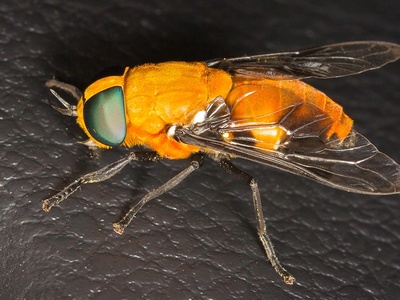
Horsefly
Large biting fly with a painful, bleeding bite that can trigger allergic reactions and secondary infection. Wear long clothing and insect repellent, wash bites, apply antiseptic and seek care for large swelling, fever or infection.