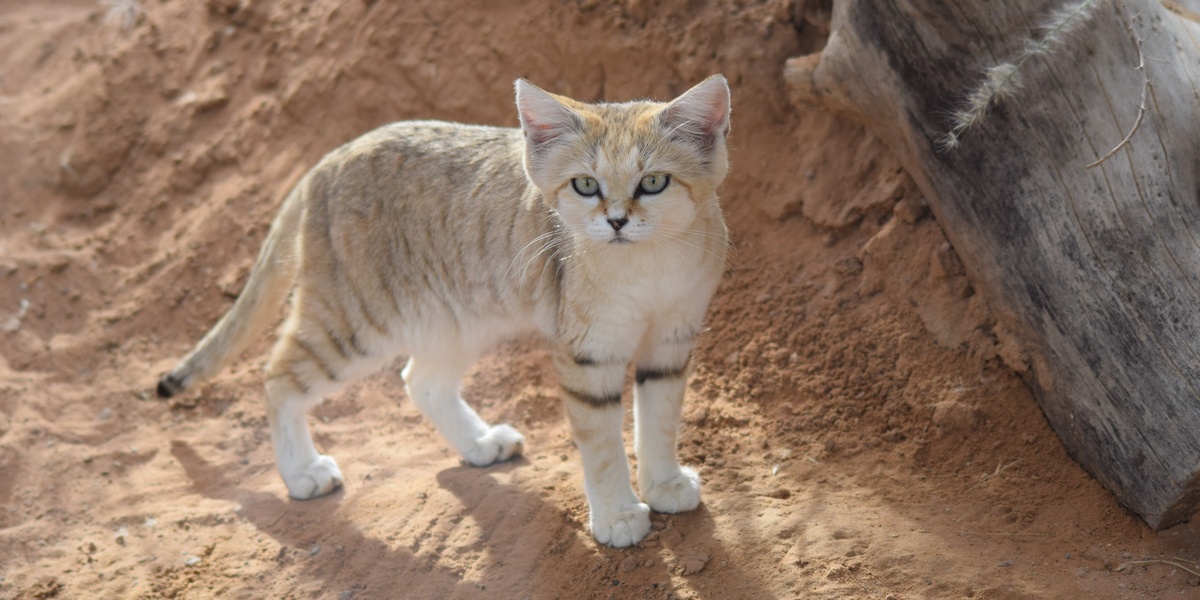
Across arid plains, salt pans and rocky wadis, a small group of felines have evolved to eke out a living where water and cover are scarce. These cats are often overlooked, but their behaviors and body plans are tightly tuned to heat, sand and sparse prey.
There are 9 Desert Cat Breeds, ranging from the African wildcat to the Sand cat. For each species you’ll find below Scientific name, Size (weight kg; length cm), Range / habitat — a compact, comparable snapshot to help you spot differences and distributions you’ll find below.
How do these desert cats cope with heat and limited water?
Most species use behavioral and physiological tricks: they’re often nocturnal or crepuscular to avoid daytime heat, shelter in burrows or vegetation, and hunt small, water-rich prey. Many have efficient kidneys and concentrated urine to reduce water loss, pale sandy fur for camouflage and heat reflection, and lean bodies that lose heat more readily.
Can any of the 9 desert cat breeds be kept as pets or are they protected?
Generally no — most are wild and protected by laws or conservation rules; captive care requires specialized permits and expertise. The African wildcat is closely related to domestic cats, but true wild individuals are not suitable pets, and species like the Sand cat are best left to conservation programs or accredited zoos.
Desert Cat Breeds
| Common name | Scientific name | Size (weight kg; length cm) | Range / habitat |
|---|---|---|---|
| Sand cat | Felis margarita | 1.5-3.5 kg; 40-57 cm | Sahara, Arabian, Central Asian deserts; sand dunes,rocky plains |
| African wildcat | Felis lybica | 3-6 kg; 46-66 cm | North Africa,Sahara margins,arid scrub and savanna |
| Asiatic wildcat | Felis lybica ornata | 3-6 kg; 50-66 cm | Central Asia,Middle East arid steppes and deserts |
| Black-footed cat | Felis nigripes | 1.0-2.5 kg; 35-52 cm | Kalahari,Karoo arid scrub and semi-desert |
| Caracal | Caracal caracal | 8-19 kg; 60-85 cm | Africa,Middle East,Central Asia; dry savanna,desert and scrub |
| Pallas’s cat | Otocolobus manul | 2.5-4.5 kg; 46-62 cm | Central Asian steppes,Gobi semi-desert,rocky slopes |
| Asiatic cheetah | Acinonyx jubatus venaticus | 34-65 kg; 110-140 cm | Iranian central plateau,arid plateaus and deserts |
| Arabian Mau | Arabian Mau | 3.5-6.5 kg; 40-60 cm | Arabian Peninsula urban areas,oases and desert fringes |
| Egyptian Mau | Egyptian Mau | 2.5-5.5 kg; 35-45 cm | Origin: Egypt; Nile region and adjacent arid zones |
Images and Descriptions
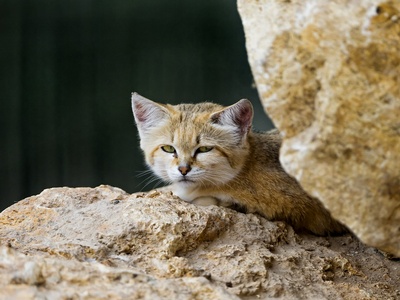
Sand cat
True desert specialist with sandy coat, broad furry feet and large ears for hearing and cooling. Can survive without free water by extracting moisture from prey. Small, patchy populations face habitat loss and human disturbance; IUCN: Least Concern but locally vulnerable.
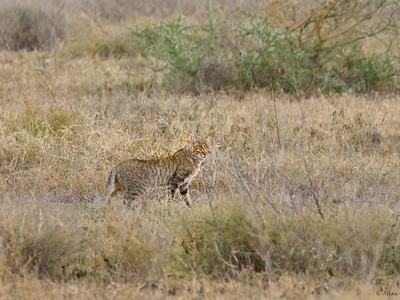
African wildcat
Ancestor of the domestic cat, adaptable to dry scrub and semi-desert habitats. Nocturnal, slender and wary, it hunts rodents and birds. Widespread but threatened locally by hybridization with feral cats and habitat change; IUCN: Least Concern.
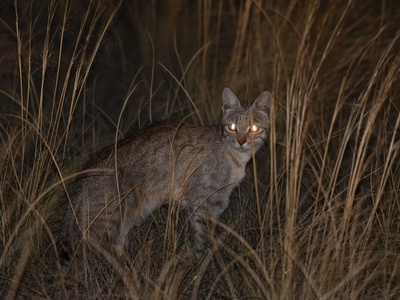
Asiatic wildcat
Subspecies of the wildcat adapted to arid steppes and deserts with a paler, sandier coat. Occupies sandy and rocky habitats near oases; faces hybridization with feral cats and local persecution, raising regional conservation concerns.

Black-footed cat
Africa’s smallest wildcat and a superb nocturnal hunter with a high kill rate. Found in dry savanna and semi-desert scrub, compact and cryptic. Small range and population pressures make it Vulnerable; sensitive to habitat alteration and persecution.
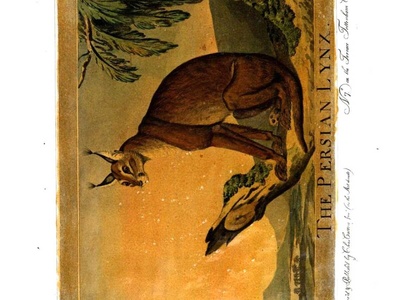
Caracal
Medium-sized, muscular cat with tufted ears and exceptional leaping ability to catch birds. Thrives in dry scrub and desert margins, tolerating heat and sparse water. Widespread but locally threatened by habitat loss and human conflict; IUCN: Least Concern.
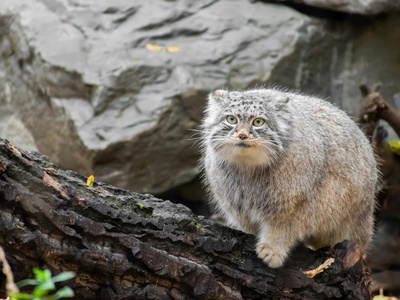
Pallas’s cat
Stocky, long-haired small cat of cold arid steppes and semi-deserts with dense fur and low ears to retain heat. Solitary and crepuscular, it specializes on small mammals; faces habitat and prey declines; IUCN: Near Threatened in many areas.
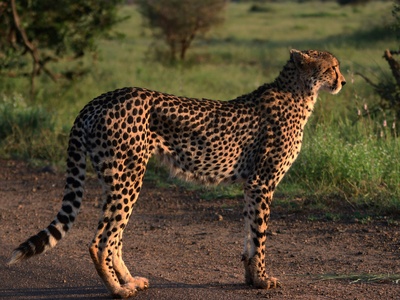
Asiatic cheetah
Critically endangered, this cheetah subspecies is adapted to Iran’s arid plateaus with a paler coat and wide-ranging habits to locate sparse prey. Extremely rare, conservation focuses on habitat protection, conflict reduction and anti-poaching.
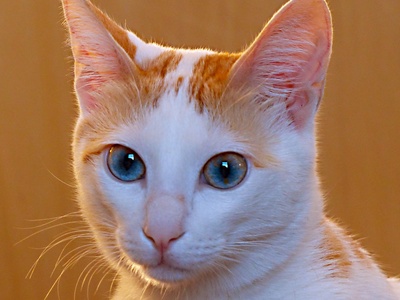
Arabian Mau
Natural landrace from the Arabian Peninsula, lean and short-coated with strong heat tolerance and agility. Developed around oases and towns, hardy and disease-resistant; recognized by some registries and popular locally as a resilient domestic breed.
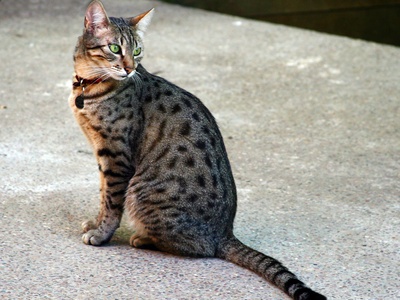
Egyptian Mau
Spotted domestic breed traced culturally to ancient Egypt, quick and athletic with strong hunting instincts. Suited to warm climates and retains wild-type markings; a formal breed shaped by arid-region human settlements rather than wild desert specialization.