No species meet the exact IUCN category “Endangered” for Endangered Species in Cape Verde
Note the phrase “Endangered Species in Cape Verde” names a very specific IUCN category. No species currently fall into that exact global IUCN category within Cape Verde. Search results are empty because the label “Endangered” is precise, and island species in Cape Verde are instead listed under other categories or lack enough data for that exact tag.
Understand why this happens. The IUCN uses strict rules to place species into categories. Many Cape Verde species have very small ranges and become Critically Endangered instead of Endangered. Other species are classed as Vulnerable or Near Threatened. Some species also lack complete surveys and are Data Deficient. National lists and local protections use different terms, so a species can be locally threatened without being labeled “Endangered” on the global IUCN list.
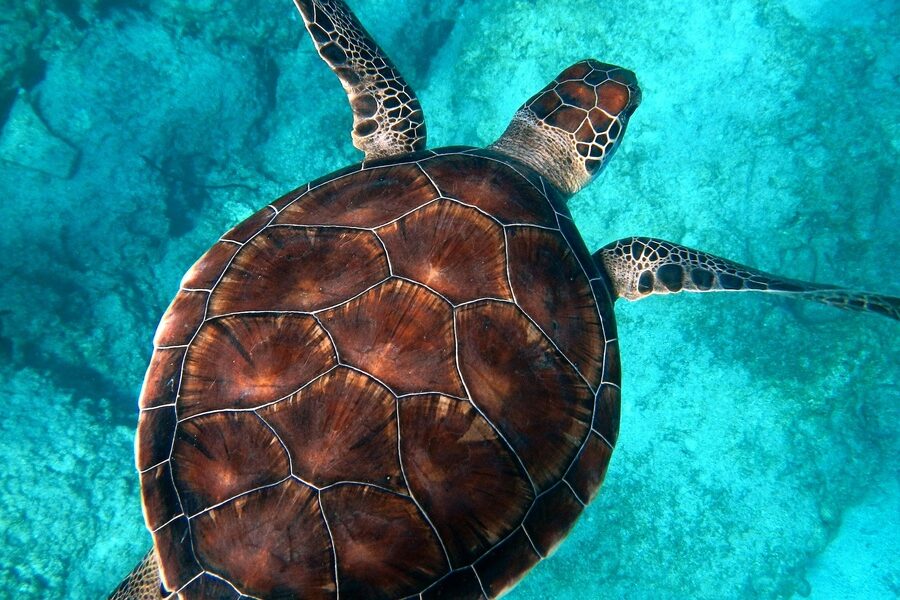
Check these near matches and related categories instead. Several Cape Verde endemics are Critically Endangered (for example, the Raso lark) and important marine species are listed as Vulnerable or Critically Endangered globally (for example, loggerhead and hawksbill turtles). Explore lists of threatened and endemic species, nesting marine turtles, BirdLife International accounts, and the IUCN Red List for up-to-date statuses. Use those resources to learn how to help: support local NGOs, avoid disturbing nesting beaches, and follow conservation volunteer programs.