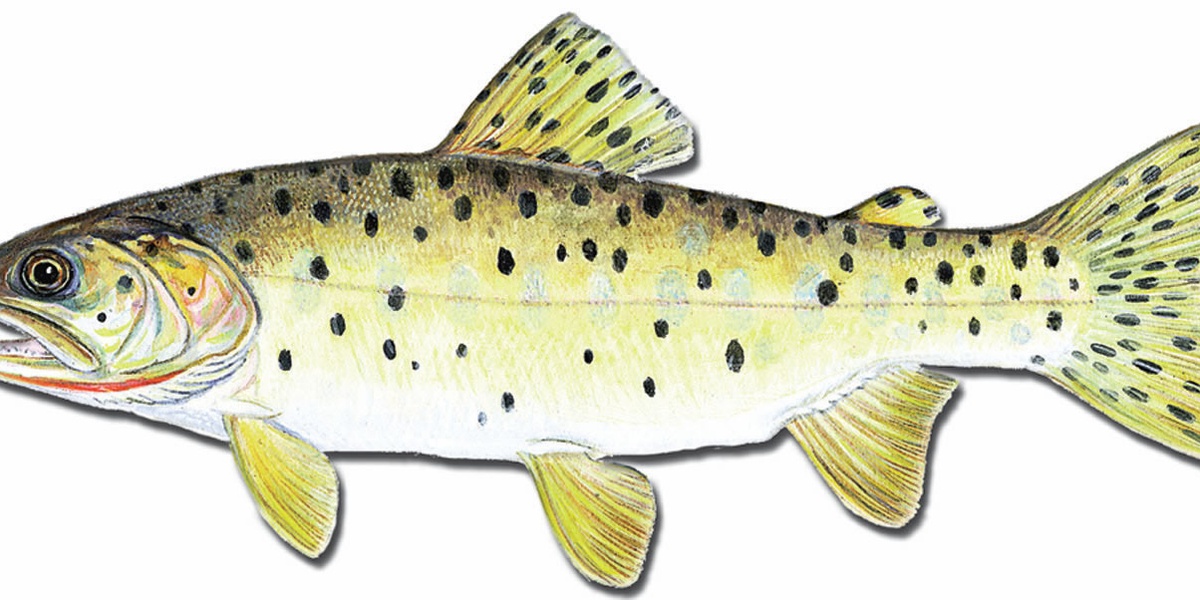
Colorado’s landscapes—from shortgrass prairie and riparian corridors to high mountain wetlands—support a surprising variety of wildlife, but many species here face real threats from habitat loss, water changes, and human activity. Local conservation efforts balance recreation, ranching, and ecosystem health across counties and regions.
There are 7 Endangered Species in Colorado, ranging from the Black-footed ferret to the Whooping crane. For each species you’ll find below Scientific name,Status (federal/state),Colorado range (counties/regions).
How can I report or responsibly observe an endangered species in Colorado?
If you spot a rare animal, keep your distance, avoid disturbing habitat, and note the location, date, and behavior; photos help but don’t get close. Report sightings to Colorado Parks and Wildlife or the U.S. Fish and Wildlife Service depending on the species, and follow any local guidelines or seasonal closures—some recovery programs (e.g., for the Black-footed ferret) restrict access.
What do federal vs. state status and county ranges tell me about conservation priorities?
Federal and state listings reflect different legal protections and recovery plans: federal status guides nationwide action while state status directs local management. County- or region-level ranges show where populations are known or prioritized for recovery, but ranges can change with new surveys—check official sources cited below for the latest updates.
Endangered Species in Colorado
| Common name | Scientific name | Status (federal/state) | Colorado range (counties/regions) |
|---|---|---|---|
| Black-footed ferret | Mustela nigripes | Federal Endangered; Colorado Endangered | Southeastern Colorado grasslands (historic/current reintroduction areas: Baca, Las Animas and nearby plains) |
| Colorado pikeminnow | Ptychocheilus lucius | Federal Endangered; Colorado Endangered | Upper Colorado River basin (historic in Yampa, Green, Colorado River mainstem in western Colorado) |
| Razorback sucker | Xyrauchen texanus | Federal Endangered; Colorado Endangered | Upper Colorado River basin and associated reservoirs (western Colorado river stretches and tributaries; historical records) |
| Humpback chub | Gila cypha | Federal Endangered; Colorado Endangered | Colorado River basin (historical and remnant records in deep canyon reaches of the Colorado River system) |
| Bonytail chub | Gila elegans | Federal Endangered; Colorado Endangered | Historic in Colorado River basin (mostly extirpated in wild; records from western Colorado basins historically) |
| Southwestern willow flycatcher | Empidonax traillii extimus | Federal Endangered; Colorado Endangered | Four Corners and southwestern Colorado riparian corridors (San Juan, Montezuma, La Plata and Dolores counties) |
| Whooping crane | Grus americana | Federal Endangered; Colorado Endangered | Occasional documented migrants and stopovers statewide (historic and modern records in eastern prairie wetlands and reservoirs) |
Images and Descriptions
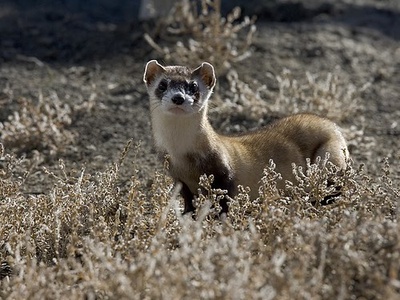
Black-footed ferret
Nocturnal prairie dog specialist of shortgrass prairie; main threats are loss of prairie dog colonies, disease (sylvatic plague), and habitat fragmentation. Notable: intensive reintroduction and vaccination efforts have been central to recovery.

Colorado pikeminnow
A large native river fish needing long, connected warm-water channels and floodplain habitats; imperiled by dams, water diversions, and nonnative predators. Notable for once being Colorado River basin’s top native predator.
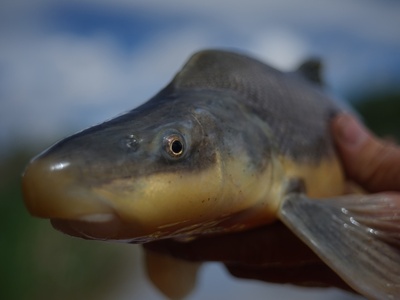
Razorback sucker
Large, suckermouth native of mainstem rivers and backwaters; threatened by habitat alteration, dams, and competition/predation from nonnative fish. Notable for ongoing hatchery and reintroduction programs.
Humpback chub
A uniquely shaped, canyon-adapted fish living in turbulent, rocky canyon river sections; threats include altered flows, warming water, and nonnative species. Notable for its hump-backed profile and canyon specialist life history.
Bonytail chub
A slim, rare native of large rivers now nearly extirpated; surviving mostly in hatcheries and reintroduced refugia. Threats include habitat loss, water development, and nonnative fishes. Notable: one of North America’s most imperiled native fishes.
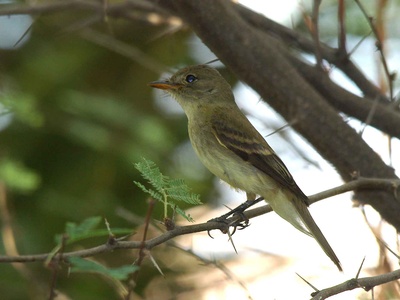
Southwestern willow flycatcher
Tiny migratory songbird of dense riparian willow and cottonwood stands; threatened by riparian loss, stream regulation, and cowbird parasitism. Notable: breeds in limited willow-lined streams and is a marker for healthy riparian habitat.
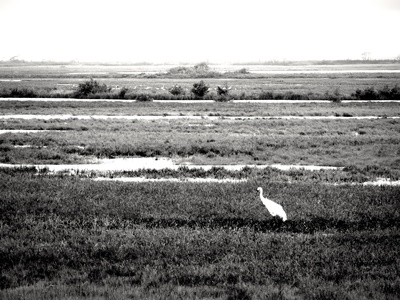
Whooping crane
One of North America’s rarest birds; uses wetlands and shallow marshes during migration and winter. Main threats historically were habitat loss and hunting; notable for intensive captive-rearing and reintroduction programs that produce rare Colorado sightings.