Europe’s landscapes—coastlines, wetlands, forests and mountains—support a wide variety of wildlife, yet many species are pushed to the edge by habitat loss, pollution and changing climates. Understanding which species are most at risk helps focus conservation efforts where they matter most.
There are 29 Endangered Species in Europe, ranging from Adriatic sturgeon to Yelkouan shearwater. For each entry you’ll find below the Scientific name, IUCN status, Range (countries), so you can quickly see both conservation status and geographic distribution; you’ll find the full list below.
How does the IUCN determine if a species in Europe is “endangered”?
The IUCN uses standardized criteria—population size and trend, geographic range, and degree of fragmentation or decline—to assign categories; regional assessments may also factor in local threats, recent surveys and expert reviews to reflect the situation in European countries.
What practical actions can individuals take to help these endangered species?
Support and respect protected areas, report sightings to monitoring projects or citizen-science platforms, reduce pollution and single-use plastics, avoid products linked to habitat destruction, and consider donating time or funds to reputable conservation organizations working on species recovery and habitat restoration.
Endangered Species in Europe
| Name | Scientific name | IUCN status | Range (countries) |
|---|---|---|---|
| European mink | Mustela lutreola | Critically Endangered | Russia, Belarus, Romania, Moldova, Ukraine |
| European eel | Anguilla anguilla | Critically Endangered | Widespread across Europe (UK, France, Spain, Germany, Sweden) |
| Mediterranean monk seal | Monachus monachus | Endangered | Greece, Turkey, Portugal (Madeira), Spain (Canary Islands), Cyprus |
| Loggerhead sea turtle | Caretta caretta | Vulnerable | Greece, Turkey, Italy, Spain, Cyprus, Portugal |
| Green sea turtle | Chelonia mydas | Endangered | Greece, Turkey, Cyprus, Italy, Spain |
| Leatherback turtle | Dermochelys coriacea | Vulnerable | UK, Ireland, France, Portugal, Spain |
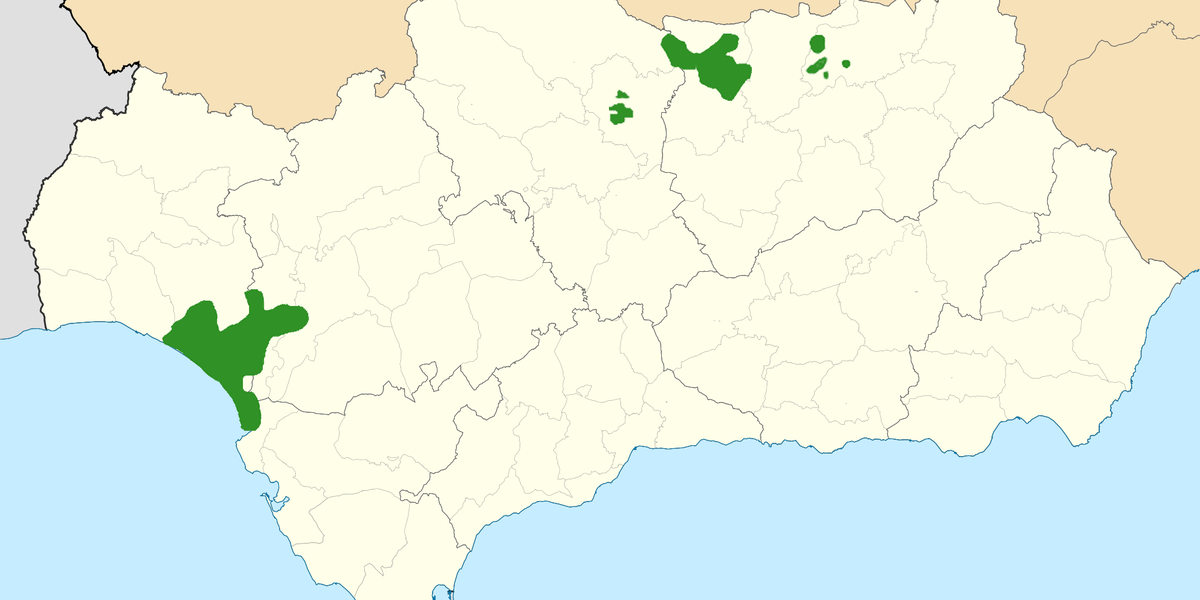
| Iberian lynx | Lynx pardinus | Endangered | Spain (Andalusia, Extremadura), Portugal |
| Spanish imperial eagle | Aquila adalberti | Vulnerable | Spain, Portugal |
| Great bustard | Otis tarda | Vulnerable | Spain, Portugal, Hungary, Russia, Bulgaria |
| White-headed duck | Oxyura leucocephala | Endangered | Spain, Turkey |
| Balearic shearwater | Puffinus mauretanicus | Critically Endangered | Balearic Islands (Spain), Western Mediterranean |
| Yelkouan shearwater | Puffinus yelkouan | Vulnerable | Greece, Turkey, Malta, Cyprus, Italy |
| Angel shark | Squatina squatina | Critically Endangered | UK, Ireland, France, Spain, Portugal, Italy, Greece |
| European sturgeon | Acipenser sturio | Critically Endangered | France, Spain, UK (historical), Portugal |
| Beluga sturgeon | Huso huso | Critically Endangered | Black Sea basin: Russia, Ukraine, Romania, Bulgaria, Turkey |
| European bison | Bison bonasus | Vulnerable | Poland, Belarus, Russia, Lithuania, Romania |
| Pyrenean desman | Galemys pyrenaicus | Endangered | Northern Spain, Portugal, SW France |
| Short-beaked common dolphin | Delphinus delphis | Vulnerable | NE Atlantic & Mediterranean: Spain, Portugal, France, UK, Italy, Greece |
| Northern bald ibis | Geronticus eremita | Endangered | Spain (reintroduced) |
| Saker falcon | Falco cherrug | Endangered | Romania, Hungary, Bulgaria, Ukraine |
| European turtle dove | Streptopelia turtur | Vulnerable | UK, France, Spain, Italy, Greece |
| Apollo butterfly | Parnassius apollo | Vulnerable | Alps, Pyrenees, Carpathians: France, Italy, Spain, Switzerland, Austria, Romania, Poland |
| Freshwater pearl mussel | Margaritifera margaritifera | Endangered | UK, Ireland, France, Spain, Norway, Sweden, Finland, Russia |
| Adriatic sturgeon | Acipenser naccarii | Critically Endangered | Northern Adriatic rivers: Italy, Slovenia, Croatia |
| Russian sturgeon | Acipenser gueldenstaedtii | Critically Endangered | Black Sea & Sea of Azov drainages: Russia, Ukraine, Romania, Bulgaria, Turkey |
| Stellate sturgeon | Acipenser stellatus | Critically Endangered | Black Sea basin: Russia, Ukraine, Romania, Bulgaria, Turkey |
| Common skate | Dipturus batis | Critically Endangered | NE Atlantic: UK, Ireland, France, Spain, Portugal |
| Dusky grouper | Epinephelus marginatus | Vulnerable | Mediterranean coasts: Spain, Italy, Greece, Portugal (Madeira) |
| Lesser white-fronted goose | Anser erythropus | Vulnerable | Northern Fennoscandia: Norway, Sweden, Finland, Russia |
Images and Descriptions
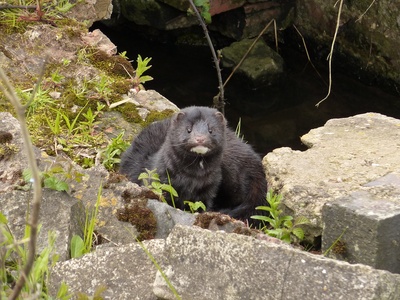
European mink
Semi-aquatic mustelid of rivers and wetlands; numbers have crashed from habitat loss, invasive American mink and pollution. Populations are fragmented and declining, with intensive captive-breeding and reintroduction efforts underway to prevent extinction.
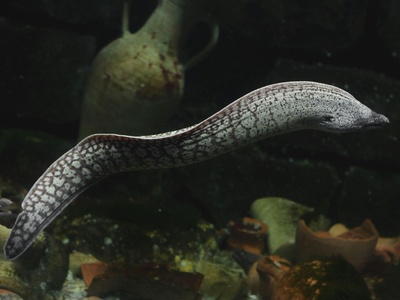
European eel
Long-lived migratory fish that breeds in the Sargasso Sea and lives in European rivers. Threats include overfishing, barriers to migration, parasites and pollution. Populations have fallen steeply and continue a worrying decline.
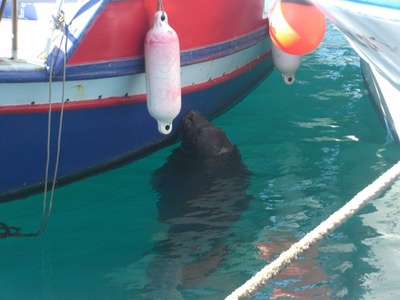
Mediterranean monk seal
One of Europe’s rarest marine mammals, occupying remote caves and coasts. Small, fragmented populations face habitat disturbance, bycatch, and human pressure. Conservation has stabilized some colonies but numbers remain low.
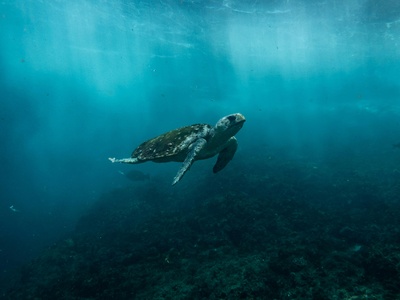
Loggerhead sea turtle
Marine turtle that nests on Mediterranean beaches and forages offshore. Threats include bycatch, coastal development, pollution and climate impacts on nests. Local protections and beach monitoring help some nesting sites but populations still face pressure.
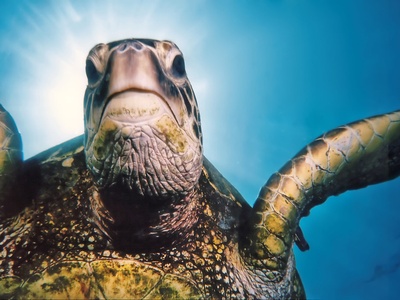
Green sea turtle
Large herbivorous sea turtle visiting Mediterranean and Atlantic waters. Threatened by bycatch, coastal development, pollution and loss of nesting habitat. Some regional protections aid recovery, but overall numbers remain low and declining in parts.
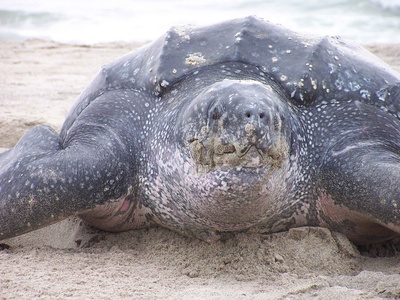
Leatherback turtle
World’s largest turtle that migrates into cool Atlantic waters off Europe to forage. Threats include bycatch, marine debris and climate-driven prey changes. International protections slow declines but populations are vulnerable and irregular.
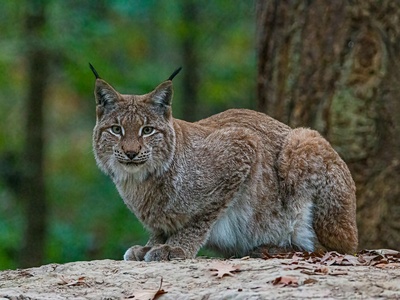
Iberian lynx
Top predator of Mediterranean scrub and cork-oak landscapes. Historically near extinction due to habitat loss and low rabbit prey; successful captive-breeding and reintroductions have increased numbers, but it remains at risk and dependent on ongoing conservation.
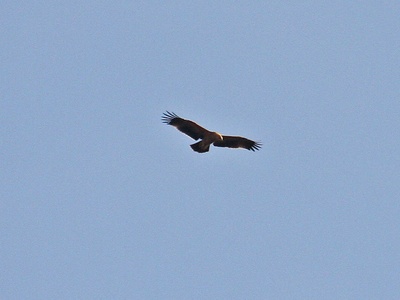
Spanish imperial eagle
Large forest and farmland raptor once near extinction from persecution and poisoning. Nesting populations in woodlands are recovering due to protections, yet continue to face habitat loss, powerline collisions and low prey availability.
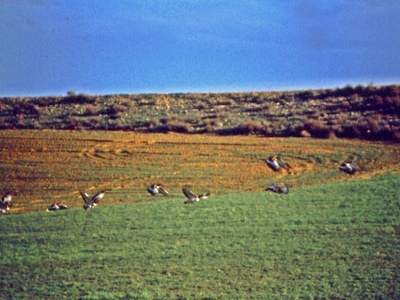
Great bustard
Iconic grassland bird that needs wide open farmland. Suffered from agriculture intensification, collisions with powerlines and hunting; many populations declining though local protections and agri-environment measures support some recoveries.
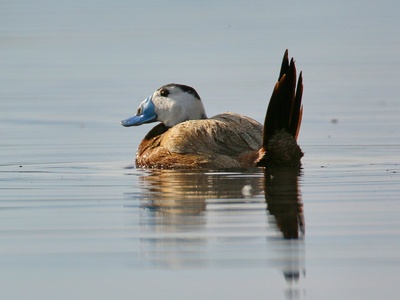
White-headed duck
Stiff-tailed freshwater duck that favors lakes and marshes. Threats include habitat loss, disturbance, water pollution and hybridization with introduced species. Populations are small and fragmented but some wetland protections have stabilized key sites.
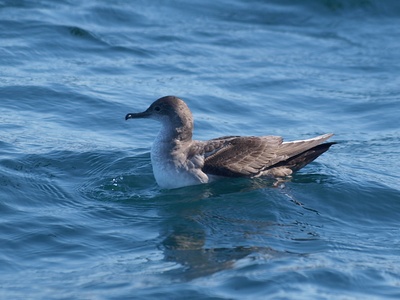
Balearic shearwater
Small seabird endemic to the western Mediterranean that nests on Balearic islets. Severely threatened by bycatch, invasive predators and light pollution; population has declined sharply and faces high extinction risk without urgent action.
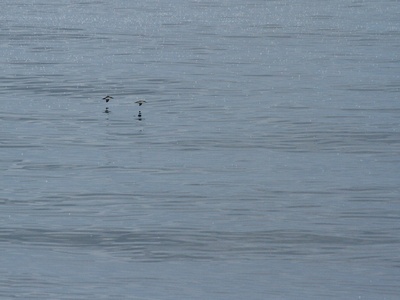
Yelkouan shearwater
Mediterranean seabird that nests on rocky islands and cliffs. Threats include bycatch, introduced mammals, light pollution and habitat loss. Some colonies are protected, but overall trend is decline and concern for long-term survival.
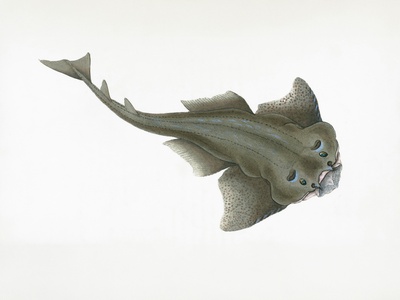
Angel shark
Bottom-dwelling shark of shallow coastal seas, flattened like a ray. Overfishing, bycatch and habitat degradation have driven catastrophic declines; once common, it is now rare across European waters and critically endangered.
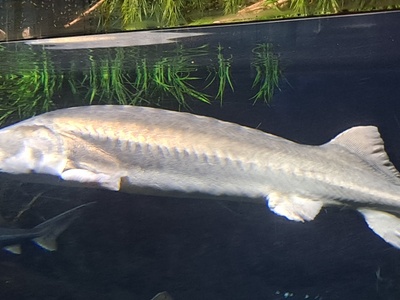
European sturgeon
Large, migratory river sturgeon that spawns in European rivers. Threats include overfishing, dams blocking migrations, habitat loss and pollution. Very few adult fish remain; reintroduction efforts aim to restore populations.
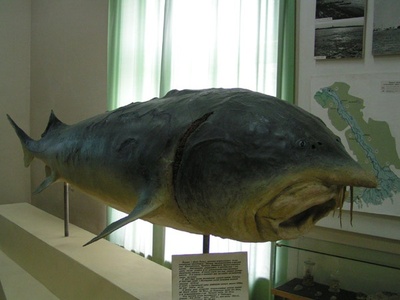
Beluga sturgeon
Massive migratory sturgeon of Black Sea rivers prized for caviar. Intense poaching, damming of rivers and habitat loss have devastated stocks; wild populations are now tiny and critically threatened.
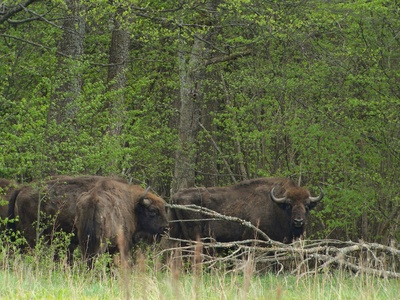
European bison
Europe’s largest land mammal, driven nearly to extinction but reintroduced to forests and reserves. Populations have grown via breeding programs, yet limited range, habitat fragmentation and genetic bottlenecks keep it vulnerable.
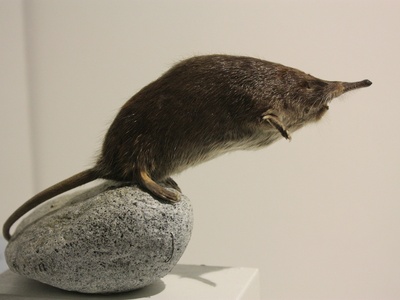
Pyrenean desman
Small, aquatic insectivorous mammal in clear mountain streams. Threats include water pollution, damming, climate change and invasive species. Populations are fragmented and generally declining, making this charismatic desman a conservation priority.
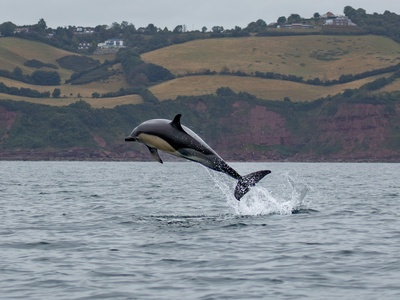
Short-beaked common dolphin
Fast, social dolphin found in coastal and offshore European waters. Bycatch, prey depletion and noise disturbance have caused declines across parts of its range; conservation measures are uneven regionally.
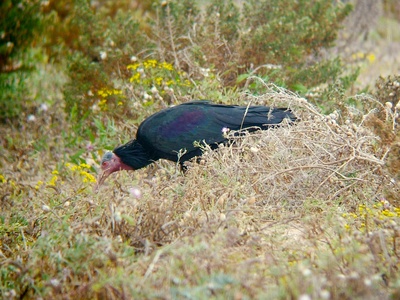
Northern bald ibis
Once widespread across Europe and North Africa, now survives mainly in Morocco with reintroduced European colonies. Threats include habitat loss, poisoning and disturbance. Reintroduction in Spain shows promise but long-term success is fragile.
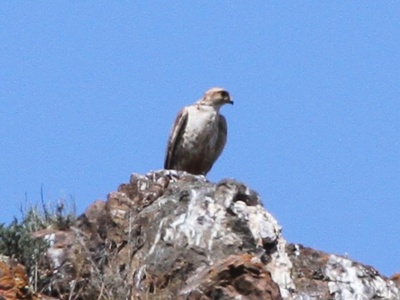
Saker falcon
Large falcon of open landscapes and steppes in eastern Europe. Suffering from habitat loss, persecution and illegal capture for falconry; populations have declined and require habitat protection and anti-poaching enforcement.
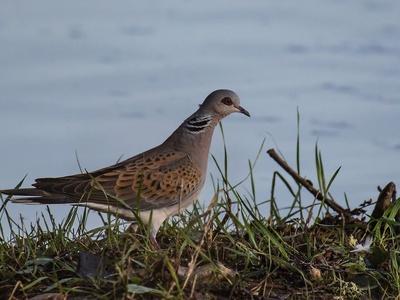
European turtle dove
Migratory farmland bird that nests across Europe and winters in Africa. Rapid declines due to habitat loss, hunting and reduced food in farmland; conservation focuses on better farming practices and hunting regulation.
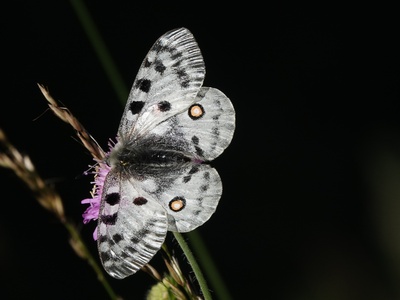
Apollo butterfly
Alpine and montane butterfly depending on flower-rich meadows. Threatened by habitat fragmentation, climate change and grazing changes. Many local populations are small and isolated, prompting habitat restoration efforts.
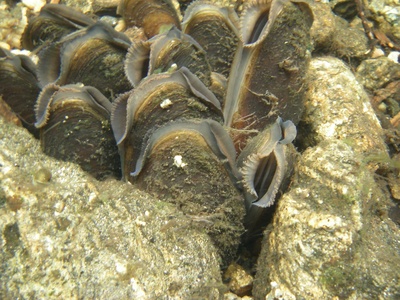
Freshwater pearl mussel
Long-lived river mussel that filters clean, cold streams. Suffered from pollution, river modification, host-fish decline and over-harvesting. Populations have collapsed across much of Europe and recovery is slow and site-specific.
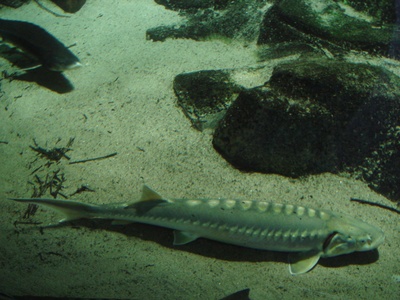
Adriatic sturgeon
Endemic river sturgeon of the northern Adriatic basin. Threatened by dams, river alteration, overfishing and pollution; extremely low numbers persist and captive-breeding plus river restoration are critical for survival.
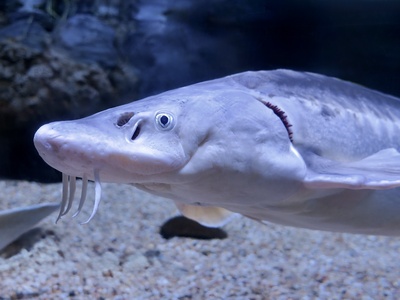
Russian sturgeon
Commercially important sturgeon of Black Sea rivers; overfishing for caviar, damming and habitat loss have caused steep declines. Wild populations are severely depleted and face high extinction risk.
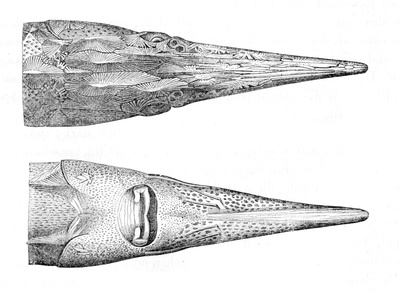
Stellate sturgeon
Medium-sized sturgeon in brackish and freshwater habitats. Intense fishing pressure, river fragmentation and pollution have collapsed populations; conservation relies on fishing bans and captive-breeding programs.
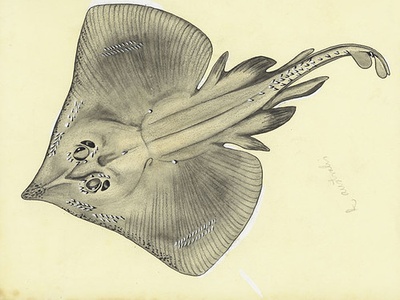
Common skate
Large, slow-growing batoid of continental shelves. Highly vulnerable to trawl bycatch and targeted fishing; historic declines have been extreme and recovery is hampered by life-history traits and ongoing fishing pressure.
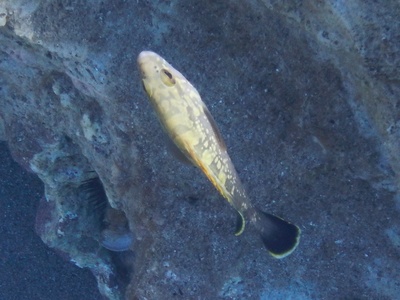
Dusky grouper
Large reef-associated fish dependent on rocky habitats. Overfishing, illegal harvest and habitat degradation have reduced local populations; marine protected areas and size limits help some recovering populations.
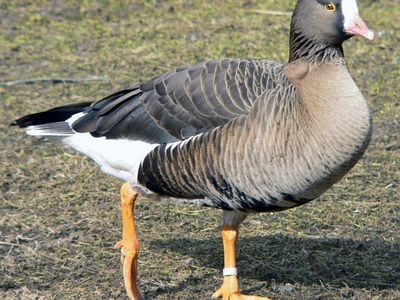
Lesser white-fronted goose
Small migratory goose breeding in Arctic and subarctic wetlands. Threatened by habitat loss, hunting and disturbance along migration routes; populations are small with conservation aimed at protecting breeding and stopover sites.