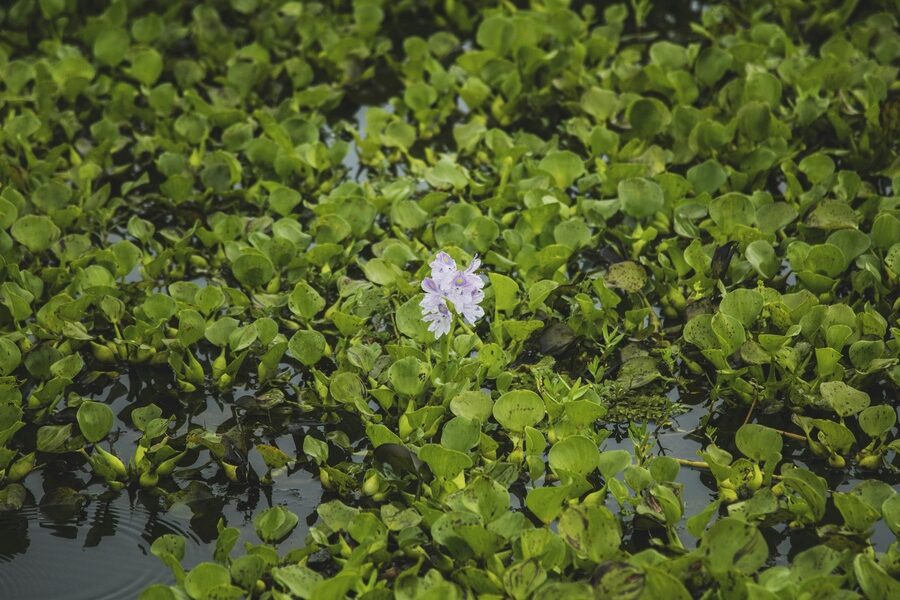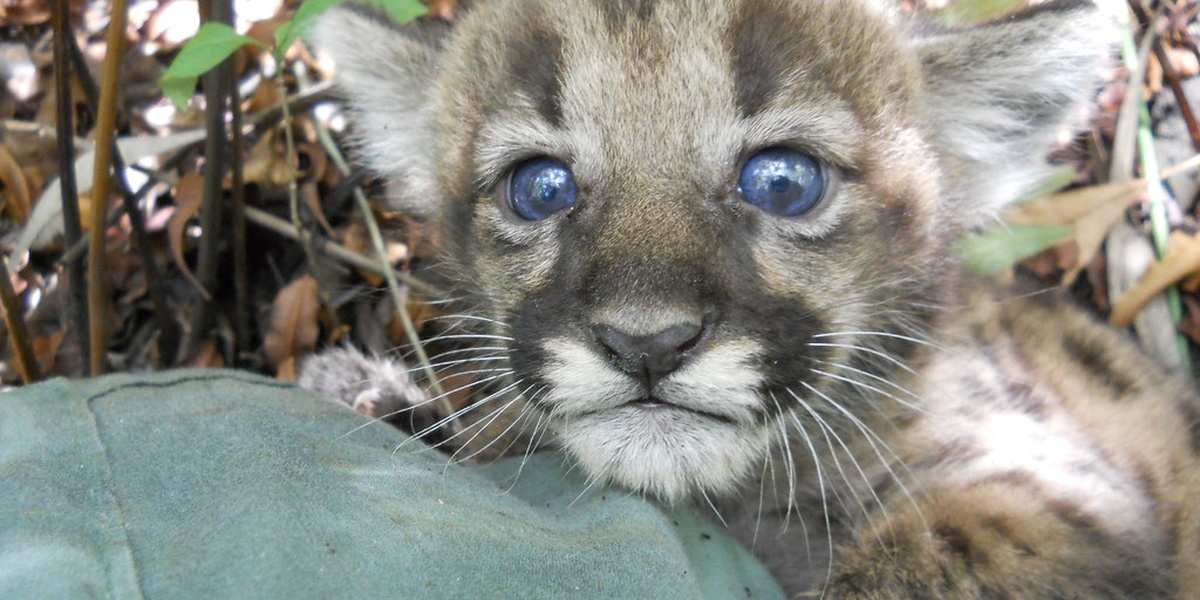
The Everglades is a patchwork of marshes, mangroves and coastal estuaries that supports a unique mix of plants and animals. Changes to water flow, development and invasive species have left parts of the landscape especially vulnerable, so tracking at-risk wildlife is essential for effective conservation.
There are 12 Endangered Species in Everglades, ranging from Cape Sable seaside sparrow to Smalltooth sawfish. For each species I provide Scientific name,Legal status,Main threats (max 15 words),Description (30-50 words); you’ll find below.
How are these endangered species protected in the Everglades?
Protections come from a mix of federal and state listings, habitat-restoration projects, recovery plans and enforcement against illegal take; coordinated water-management and invasive-species control are also key, though funding and climate impacts limit how quickly populations can recover.
What can visitors or concerned citizens do to help these species?
Stay on trails and follow boating rules to reduce disturbance, minimize fertilizer and plastic use to lower runoff, support reputable conservation groups working on Everglades restoration, and report unusual wildlife sightings to local agencies to aid monitoring efforts.
Endangered Species in Everglades
| Common name | Scientific name | Legal status | Main threats (max 15 words) | Description (30-50 words) |
|---|---|---|---|---|
| Florida panther | Puma concolor coryi | Endangered – federal; Endangered – FL | Habitat loss, fragmentation, vehicle strikes, inbreeding | The Florida panther is a key apex predator in Big Cypress and Everglades marshes. Threatened by habitat fragmentation, roads, and low genetic diversity, recovery focuses on protected corridors, road-mitigation, and genetic management to stabilize populations. |
| Cape Sable seaside sparrow | Ammodramus maritimus mirabilis | Endangered – federal; Endangered – FL | Altered hydrology, sea-level rise, fire suppression, habitat loss | A tiny, ground-nesting sparrow of marl prairies and freshwater marshes in Everglades National Park and coastal prairies. Highly vulnerable to altered water regimes and rising seas; conservation emphasizes restoring hydrology, managing fire, and protecting breeding marshes. |
| Everglade snail kite | Rostrhamus sociabilis plumbeus | Endangered – federal; Endangered – FL | Hydrology change, invasive apple snails, habitat loss, water quality | The Everglade snail kite is a marsh raptor feeding almost exclusively on native apple snails across sawgrass wetlands. Hydrologic alteration and invasive snails have reduced food and nesting sites; recovery depends on water-management fixes and invasive species control. |
| Florida bonneted bat | Eumops floridanus | Endangered – federal; Endangered – FL | Roost loss, urbanization, wind turbines, small population size | The Florida bonneted bat is a large, rare bat found in South Florida hammocks, pine rocklands and Everglades-adjacent areas. Roost loss and development threaten colonies; conservation focuses on protecting roost sites, research, and reducing human disturbances. |
| Key deer | Odocoileus virginianus clavium | Endangered – federal; Endangered – FL | Habitat loss, vehicle strikes, development, sea-level rise | The Key deer is a small subspecies on Big Pine Key and nearby islands in the lower Keys within the Everglades ecosystem. Road mortality, habitat fragmentation, and coastal development threaten populations; recovery relies on habitat protection, traffic mitigation, and water management. |
| Key Largo woodrat | Neotoma floridana smalli | Endangered – federal; Endangered – FL | Habitat loss, predation by cats, development, hurricane damage | The Key Largo woodrat lives in tropical hardwood hammocks on Key Largo within Everglades National Park and adjacent refuge lands. Fragmentation, feral cats, and storms threaten nests and habitat; conservation uses habitat protection, predator control, and captive support. |
| Key Largo cotton mouse | Peromyscus gossypinus allapaticola | Endangered – federal; Endangered – FL | Habitat fragmentation, predation, development, sea-level rise | This small rodent is limited to hardwood hammocks and transitional habitats on Key Largo in the Everglades region. Habitat fragmentation and nonnative predators have reduced populations; recovery strategies include land protection, predator management, and habitat corridor restoration. |
| Lower Keys marsh rabbit | Sylvilagus palustris hefneri | Endangered – federal; Endangered – FL | Habitat loss, disease, predators, development | The Lower Keys marsh rabbit is a wetland-dependent rabbit in the lower Florida Keys. Habitat loss from development and storms plus predation by cats and dogs threaten tiny populations; conservation uses habitat restoration, captive propagation, and predator control. |
| Schaus’ swallowtail | Heraclides aristodemus ponceanus | Endangered – federal; Endangered – FL | Habitat loss, invasive species, hurricanes, small range | Schaus’ swallowtail is a large, endangered butterfly native to hardwood hammocks and coastal forests of the lower Keys and Everglades-associated islands. Habitat loss and storms curtailed its range; conservation includes habitat protection and captive rearing for reintroduction. |
| Miami blue | Cyclargus thomasi bethunebakeri | Endangered – federal; Endangered – FL | Habitat loss, invasive ants, sea-level rise, small populations | The Miami blue is a tiny, colorful butterfly of coastal scrub and pine rocklands near Miami and the Keys, including Everglades fringe areas. Populations crashed from habitat destruction and invasive ants; recovery emphasizes habitat restoration and captive propagation. |
| Smalltooth sawfish | Pristis pectinata | Endangered – federal; Endangered – FL | Bycatch, habitat loss, boat strikes, mangrove loss | The smalltooth sawfish is a large, toothy ray found in shallow estuaries and coastal waters around the Everglades and Florida Bay. Historically common, it’s now rare due to bycatch, habitat degradation, and boat strikes; protections include fishing bans and habitat restoration. |
| Florida semaphore cactus | Consolea corallicola | Endangered – federal; Endangered – FL | Habitat loss, hurricanes, illegal collection, invasive species | The Florida semaphore cactus is a rare tall cactus of hardwood hammocks and rocklands in the Keys and adjacent Everglades habitats. Populations declined from habitat loss, storms, and collectors; recovery actions include propagation, reintroduction, and site protection. |
Images and Descriptions
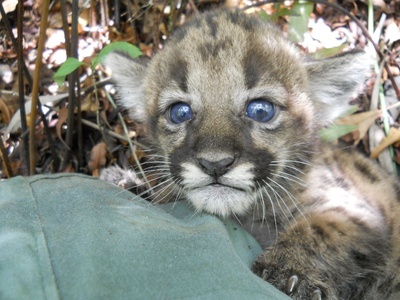
Florida panther
The Florida panther is a key apex predator in Big Cypress and Everglades marshes. Threatened by habitat fragmentation, roads, and low genetic diversity, recovery focuses on protected corridors, road-mitigation, and genetic management to stabilize populations.
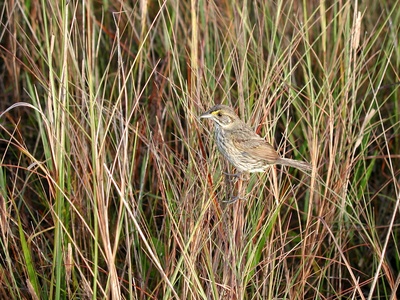
Cape Sable seaside sparrow
A tiny, ground-nesting sparrow of marl prairies and freshwater marshes in Everglades National Park and coastal prairies. Highly vulnerable to altered water regimes and rising seas; conservation emphasizes restoring hydrology, managing fire, and protecting breeding marshes.
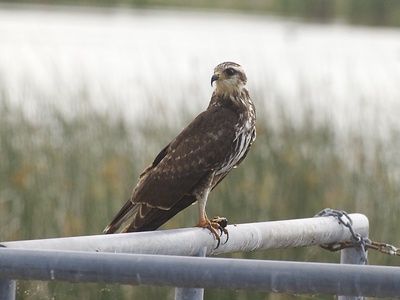
Everglade snail kite
The Everglade snail kite is a marsh raptor feeding almost exclusively on native apple snails across sawgrass wetlands. Hydrologic alteration and invasive snails have reduced food and nesting sites; recovery depends on water-management fixes and invasive species control.
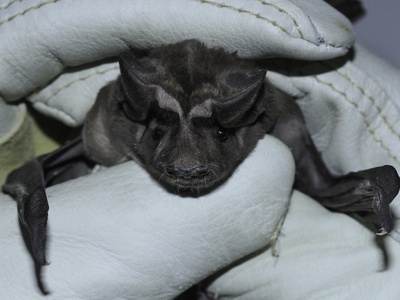
Florida bonneted bat
The Florida bonneted bat is a large, rare bat found in South Florida hammocks, pine rocklands and Everglades-adjacent areas. Roost loss and development threaten colonies; conservation focuses on protecting roost sites, research, and reducing human disturbances.
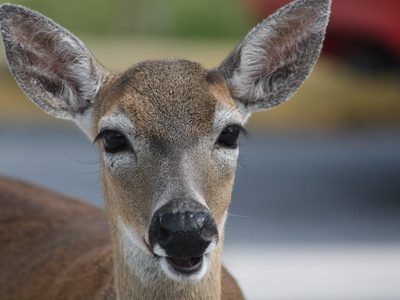
Key deer
The Key deer is a small subspecies on Big Pine Key and nearby islands in the lower Keys within the Everglades ecosystem. Road mortality, habitat fragmentation, and coastal development threaten populations; recovery relies on habitat protection, traffic mitigation, and water management.
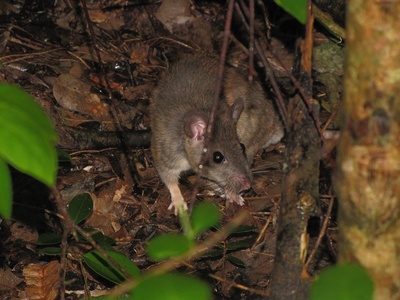
Key Largo woodrat
The Key Largo woodrat lives in tropical hardwood hammocks on Key Largo within Everglades National Park and adjacent refuge lands. Fragmentation, feral cats, and storms threaten nests and habitat; conservation uses habitat protection, predator control, and captive support.

Key Largo cotton mouse
This small rodent is limited to hardwood hammocks and transitional habitats on Key Largo in the Everglades region. Habitat fragmentation and nonnative predators have reduced populations; recovery strategies include land protection, predator management, and habitat corridor restoration.
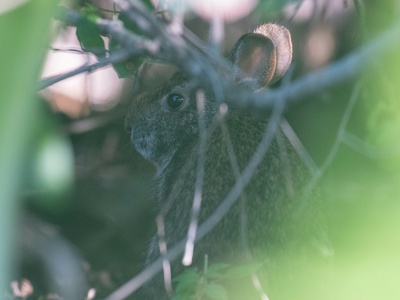
Lower Keys marsh rabbit
The Lower Keys marsh rabbit is a wetland-dependent rabbit in the lower Florida Keys. Habitat loss from development and storms plus predation by cats and dogs threaten tiny populations; conservation uses habitat restoration, captive propagation, and predator control.
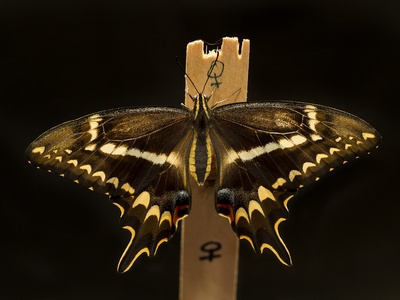
Schaus’ swallowtail
Schaus’ swallowtail is a large, endangered butterfly native to hardwood hammocks and coastal forests of the lower Keys and Everglades-associated islands. Habitat loss and storms curtailed its range; conservation includes habitat protection and captive rearing for reintroduction.
Miami blue
The Miami blue is a tiny, colorful butterfly of coastal scrub and pine rocklands near Miami and the Keys, including Everglades fringe areas. Populations crashed from habitat destruction and invasive ants; recovery emphasizes habitat restoration and captive propagation.
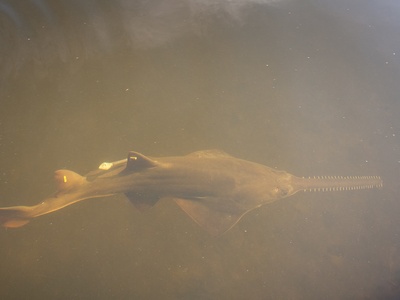
Smalltooth sawfish
The smalltooth sawfish is a large, toothy ray found in shallow estuaries and coastal waters around the Everglades and Florida Bay. Historically common, it’s now rare due to bycatch, habitat degradation, and boat strikes; protections include fishing bans and habitat restoration.
Florida semaphore cactus
The Florida semaphore cactus is a rare tall cactus of hardwood hammocks and rocklands in the Keys and adjacent Everglades habitats. Populations declined from habitat loss, storms, and collectors; recovery actions include propagation, reintroduction, and site protection.