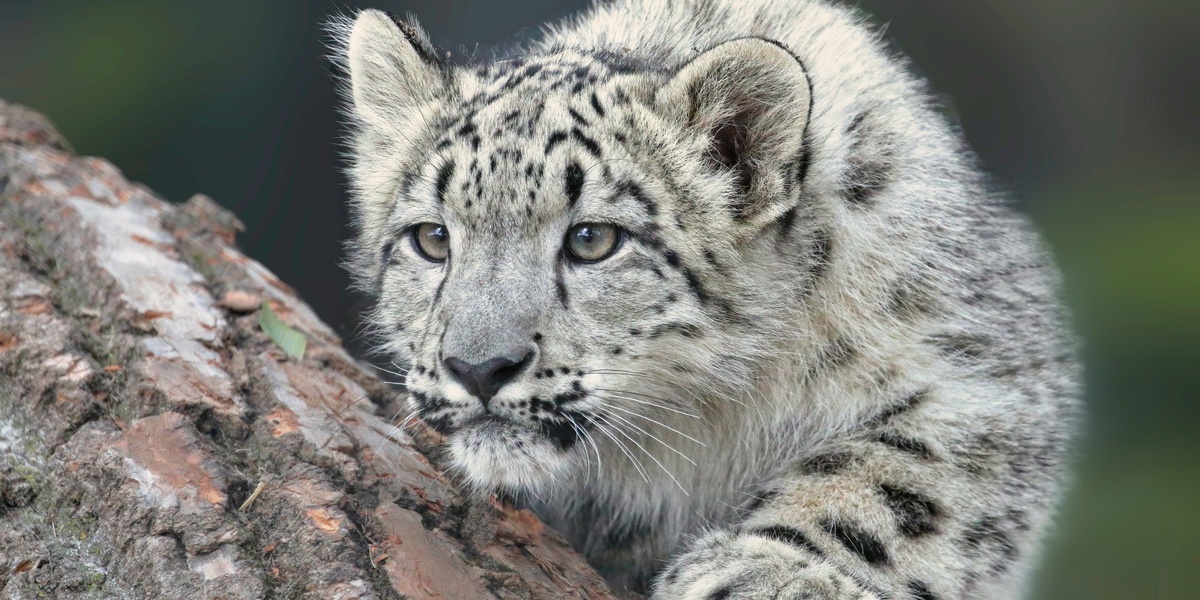
Pakistan’s varied terrain—from the high Himalayas and arid plains to coastal wetlands—supports a rich mix of wildlife, but many species are under pressure from development, pollution, and changing land use. Conservation work in Pakistan increasingly focuses on identifying priority species and the specific threats they face so resources can be targeted where they matter most.
There are 7 Endangered Species in Pakistan, ranging from Egyptian vulture to Pallas’s fish eagle. For each species you’ll find below the data organized as: Scientific name, Status (IUCN; trend; threats), Pakistan range, so you can quickly see conservation status, main pressures, and where the species occurs — details you’ll find below.
How is a species officially classified as endangered in Pakistan?
Classification typically follows IUCN Red List criteria (population size and trend, range, and degree of fragmentation) combined with national surveys and expert assessments; provincial wildlife departments, research groups, and NGOs contribute field data and threat analyses that feed into listings and conservation priorities.
What practical steps can local communities take to help these endangered species?
Communities can reduce threats by protecting and restoring habitat, avoiding poisoning and illegal hunting, reporting sightings to authorities or citizen-science projects, supporting local conservation groups, and promoting sustainable livelihoods that reduce pressure on key areas.
Endangered Species in Pakistan
| Name | Scientific name | Status (IUCN; trend; threats) | Pakistan range |
|---|---|---|---|
| Indus river dolphin | Platanista minor | EN; decreasing; river dams, water extraction, fishing, pollution | Indus River system: Punjab, Sindh, Khyber Pakhtunkhwa |
| Indian pangolin | Manis crassicaudata | EN; decreasing; poaching for scales, habitat loss, illegal trade | Sindh, Punjab, Balochistan; scrublands and agricultural margins |
| Pallas’s fish eagle | Haliaeetus leucoryphus | EN; decreasing; habitat loss, disturbance, pollution | Indus wetlands, Sindh and Punjab; reservoirs and riverine lakes |
| Egyptian vulture | Neophron percnopterus | EN; decreasing; poisoning, electrocution, food scarcity | Across western and central Pakistan; cliffs, farmland, towns |
| Green sea turtle | Chelonia mydas | EN; decreasing; egg poaching, fisheries bycatch, coastal development, pollution | Coastal Sindh and Balochistan beaches and Arabian Sea waters |
| Himalayan yew | Taxus wallichiana | EN; decreasing; overharvesting for medicine, habitat loss | Khyber Pakhtunkhwa, Gilgit-Baltistan; subalpine Himalayan forests |
| Golden mahseer | Tor putitora | EN; decreasing; dams, overfishing, habitat degradation, siltation | Northern rivers: Khyber Pakhtunkhwa, Gilgit-Baltistan; Himalayan streams |
Images and Descriptions
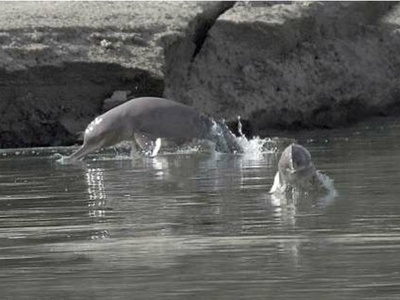
Indus river dolphin
A freshwater river dolphin endemic to the Indus system, iconic of Pakistan’s riverine biodiversity. It’s conservation-significant as a top freshwater predator; dams, water extraction and pollution fragment populations and reduce prey.
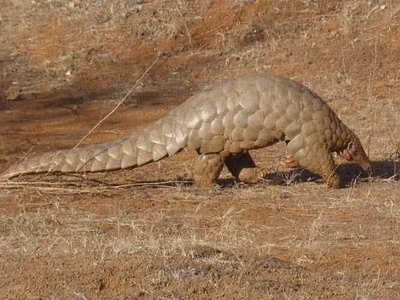
Indian pangolin
A nocturnal, scaled mammal that eats ants and termites, the Indian pangolin is heavily poached for scales and meat. It’s key to ecosystem pest control but threatened by illegal trade and habitat loss across lowland Pakistan.
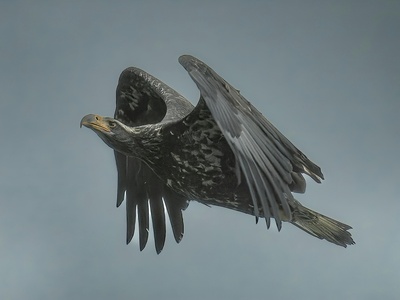
Pallas’s fish eagle
A large, crested eagle that feeds on fish in riverine wetlands; a rare visitor and local breeder in Pakistan. Its conservation value is high due to declining populations from habitat loss, poisoning and disturbance.
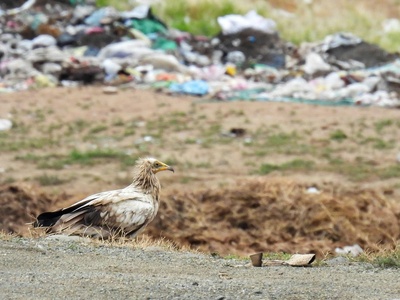
Egyptian vulture
A small scavenging raptor with pale plumage that scavenges carcasses and human refuse. Present as resident and migrant in Pakistan, it faces steep declines from poisoning, collision with powerlines, and reduced food availability.
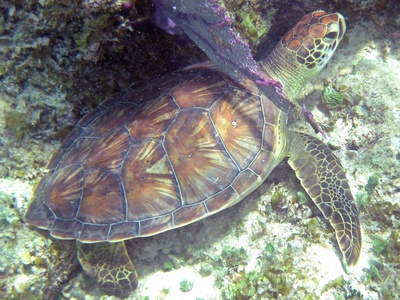
Green sea turtle
A large marine turtle that forages seagrass beds and nests on Pakistan’s Arabian Sea beaches. It’s conservation-significant for coastal ecosystems; threats include egg poaching, fisheries bycatch, coastal development and marine pollution.
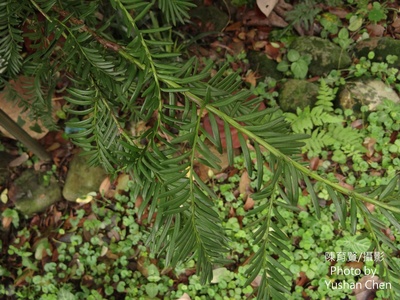
Himalayan yew
A slow-growing conifer valued for medicines, found in Pakistan’s high Himalayan forests. Overharvesting for taxol and habitat conversion have driven steep declines, making it critical for forest conservation and traditional uses.
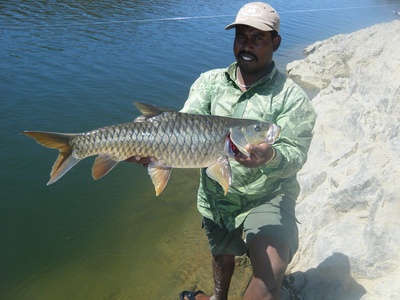
Golden mahseer
A large, powerful river fish prized by anglers and important in river ecosystems. It’s threatened by dams, overfishing, habitat degradation and siltation in Himalayan and sub-Himalayan streams of northern Pakistan.