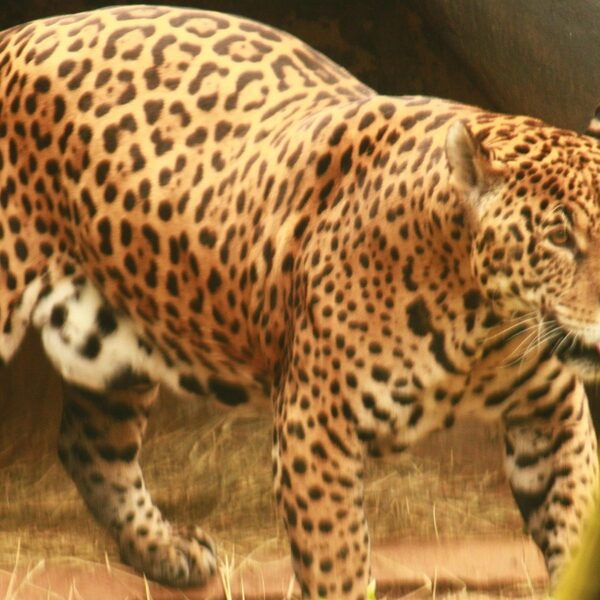
8 Examples of the Rainforest Fauna of Brunei
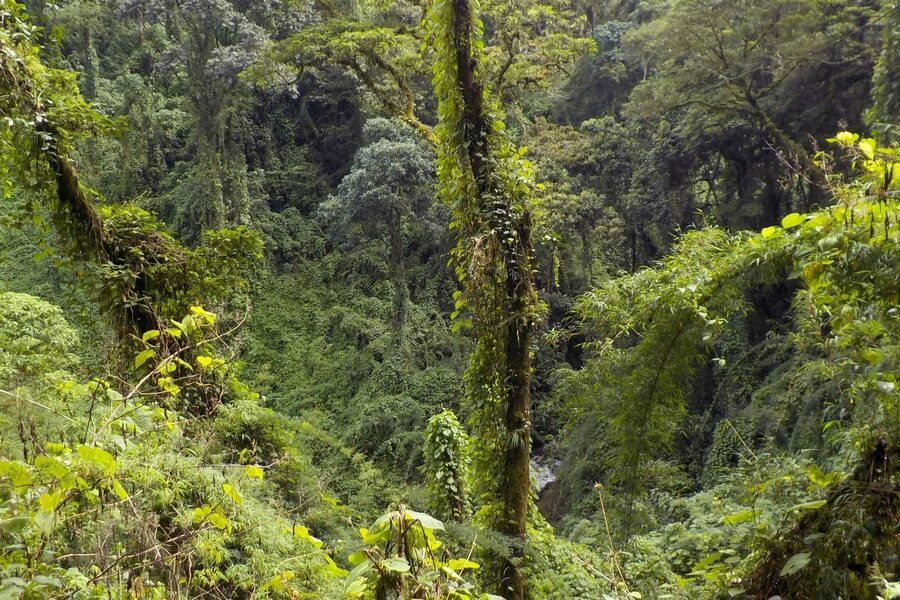
Brunei covers just 5,765 km² yet protects swathes of some of the oldest rainforest on Earth — forests that began forming roughly 140 million years ago (WWF). Those compact landscapes support high ecological value, harbor range-restricted species, and sustain livelihoods through guiding, research and low-impact tourism.
Conserving these forests protects water supplies, stores carbon and preserves cultural connections to the land; Ulu Temburong National Park, established in 1991, is one visible example of Brunei’s long-term protection efforts (Brunei Tourism). For researchers and visitors alike, these forests act as living laboratories where universities and NGOs (for example, Universiti Brunei Darussalam) monitor population trends and ecosystem health.
This short guide highlights eight species — from well-known mammals to tiny stream crabs — that together tell the story of Brunei’s rainforest wildlife and why protecting habitat matters.
Iconic mammals of Brunei’s rainforest
Mammals are often the best-known forest species and make excellent conservation ambassadors: they’re visible to visitors, play important ecological roles such as seed dispersal and nutrient cycling, and attract scientific attention and tourism dollars.
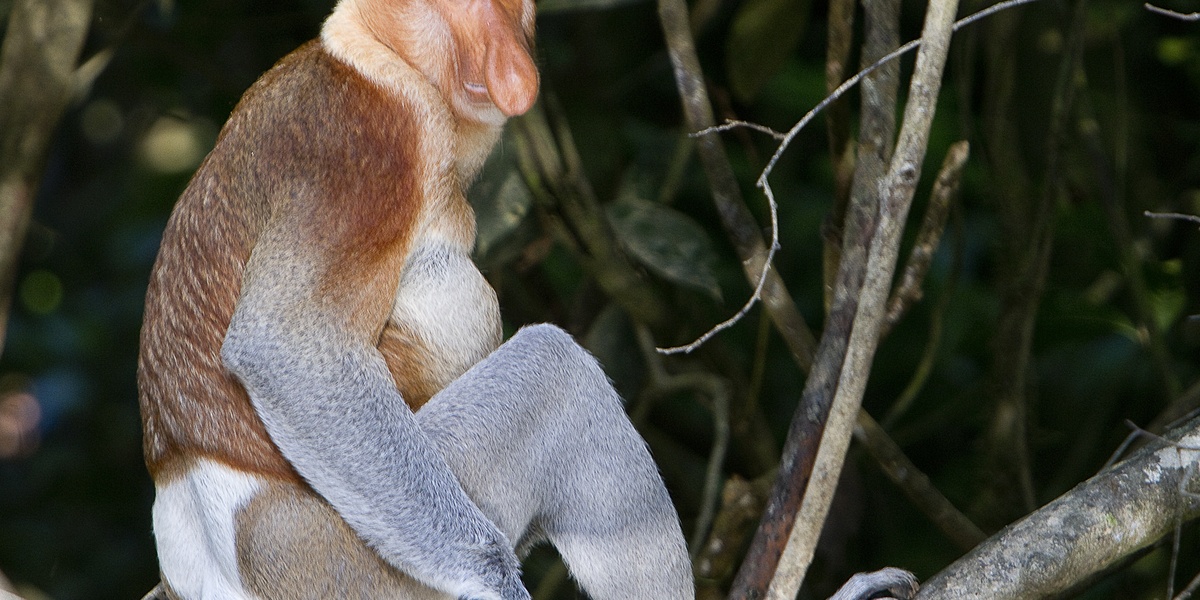
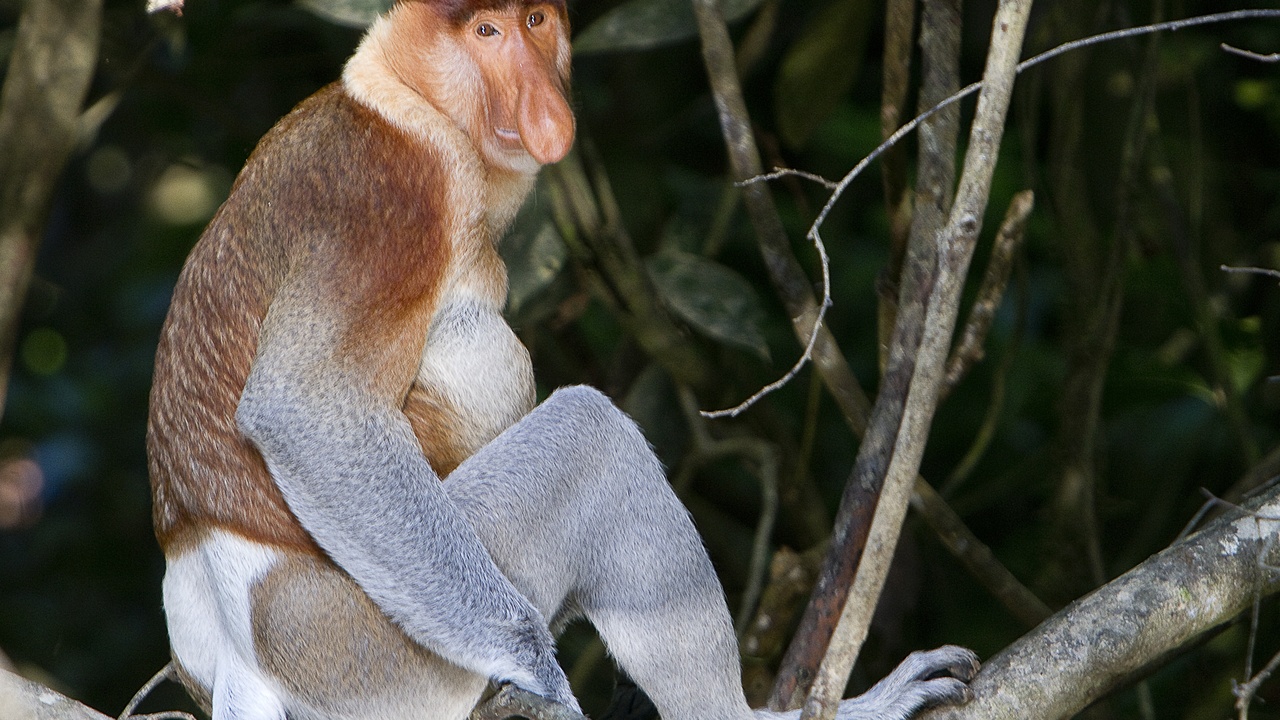
1. Proboscis monkey — the river specialist
The proboscis monkey is instantly recognizable for its large nose and its tight association with rivers, mangroves and lowland forest edges; it is endemic to Borneo and remains a vivid indicator of healthy riverine systems.
Its IUCN status is listed on the IUCN Red List (currently assessed as Endangered), and populations are fragmented outside protected areas due to coastal and riverbank conversion. In Brunei, riverboat wildlife tours and guided mangrove trips regularly feature proboscis sightings, and monitoring by local researchers documents site-level trends (Universiti Brunei Darussalam reports and park monitoring).
2. Bornean gibbon (white-bearded) — the canopy singer
The white‑bearded Bornean gibbon is famed for its dawn duets that slice through the canopy; as an arboreal, territorial primate it helps move seeds long distances and so sustains forest regeneration.
Gibbons are sensitive to canopy fragmentation and are therefore used in early-morning call surveys and canopy connectivity assessments (see BirdLife and local survey reports). Their presence in intact forest stands is a strong sign that canopy links remain—information that ecotour operators and primate researchers use when planning walks and long-term monitoring (IUCN; regional primate surveys).
3. Sunda pangolin — elusive, trafficked, and crucial
Sunda pangolins are nocturnal, armored specialists that feed on ants and termites; their keratin scales make them a prime target for illegal trade, which is the leading threat to the species.
The species is listed on the IUCN Red List (Critically Endangered) and protected under TRAFFIC and CITES regulations. Conservation combines habitat protection inside parks, community awareness, and law-enforcement cooperation; regional confiscations and rescues documented by TRAFFIC illustrate the cross-border dimension of the threat and the need for secure forest refuges in Brunei.
Birds, reptiles and amphibians that define the canopy and forest floor
Birds, reptiles and amphibians provide functional diversity that often goes unnoticed: birds disperse seeds and scavenge, amphibians control insect populations and indicate water quality, and reptiles sit near the top of many forest-floor food webs.
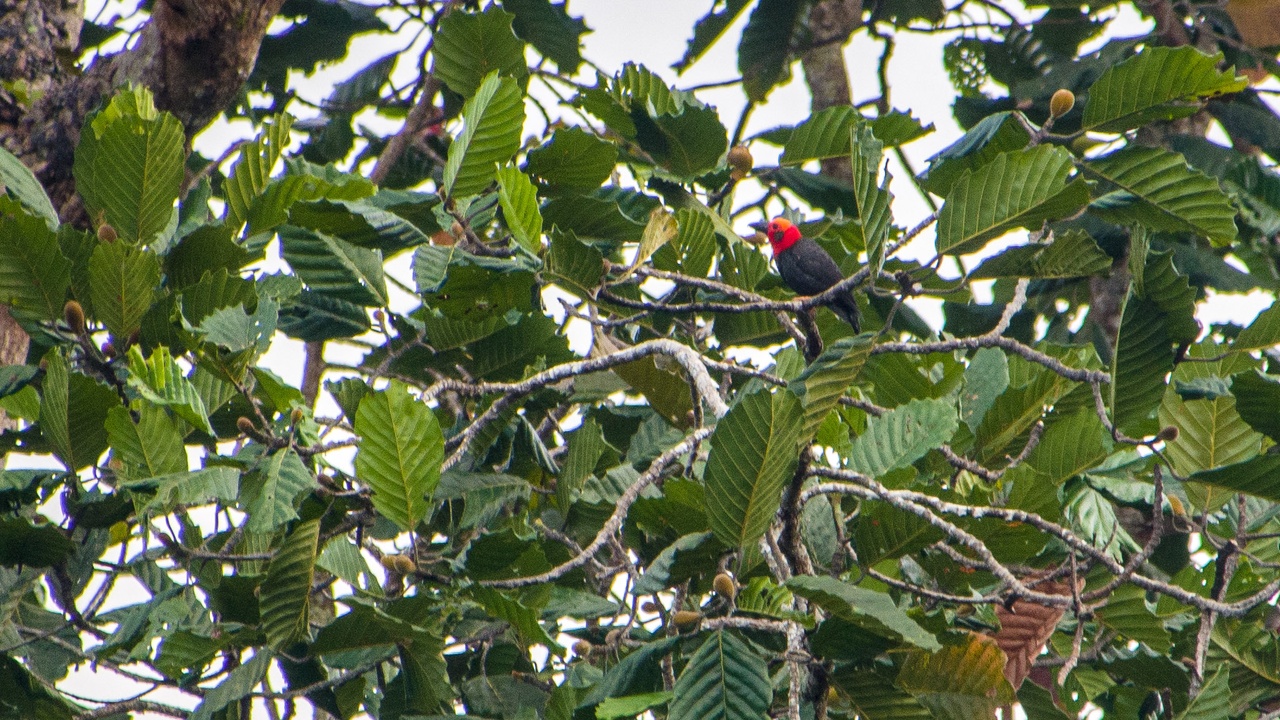
4. Bornean bristlehead — an uncommon canopy specialist
The Bornean bristlehead is a distinctive, range-restricted bird that favors mature lowland forest and is prized by birders for its rarity and unusual appearance.
Because it depends on large, contiguous tracts of older forest, sightings are patchy; specialist birdwatching trips and museum checklist records note its presence only in well-preserved blocks (see BirdLife International and local birding group checklists). Its scarcity makes intact forest fragments in Brunei particularly valuable for niche ecotourism and conservation.
5. Storm’s stork — a wetland-dependent rarity
Storm’s stork depends on undisturbed riverine wetlands and peat swamps; it feeds in shallow water and needs large floodplain tracts for breeding and foraging.
Globally the species is listed as Endangered on the IUCN Red List and is highlighted by BirdLife International as a wetland conservation priority. Protecting the stork’s habitat delivers co-benefits such as flood buffering and peat carbon storage — ecosystem services that matter for local communities and climate mitigation.
6. Reticulated python — the large constrictor of lowland forests
The reticulated python is one of the forest’s largest predators, feeding on mammals and birds and helping to regulate prey populations; adults typically range several metres in length and require connected habitat to move between feeding and breeding areas.
Although rarely seen by casual visitors, occasional encounters near villages highlight the human–wildlife interface and the need for rescue protocols and community outreach. Herpetological surveys and museum records document its role in lowland systems and inform rescue and awareness programs when large snakes turn up near settlements.
Lesser-known gems: amphibians, invertebrates and biodiversity indicators
Smaller or cryptic fauna often do the heavy lifting in ecosystems: they process nutrients, control pests and respond quickly to subtle environmental changes — which makes them excellent early-warning indicators.
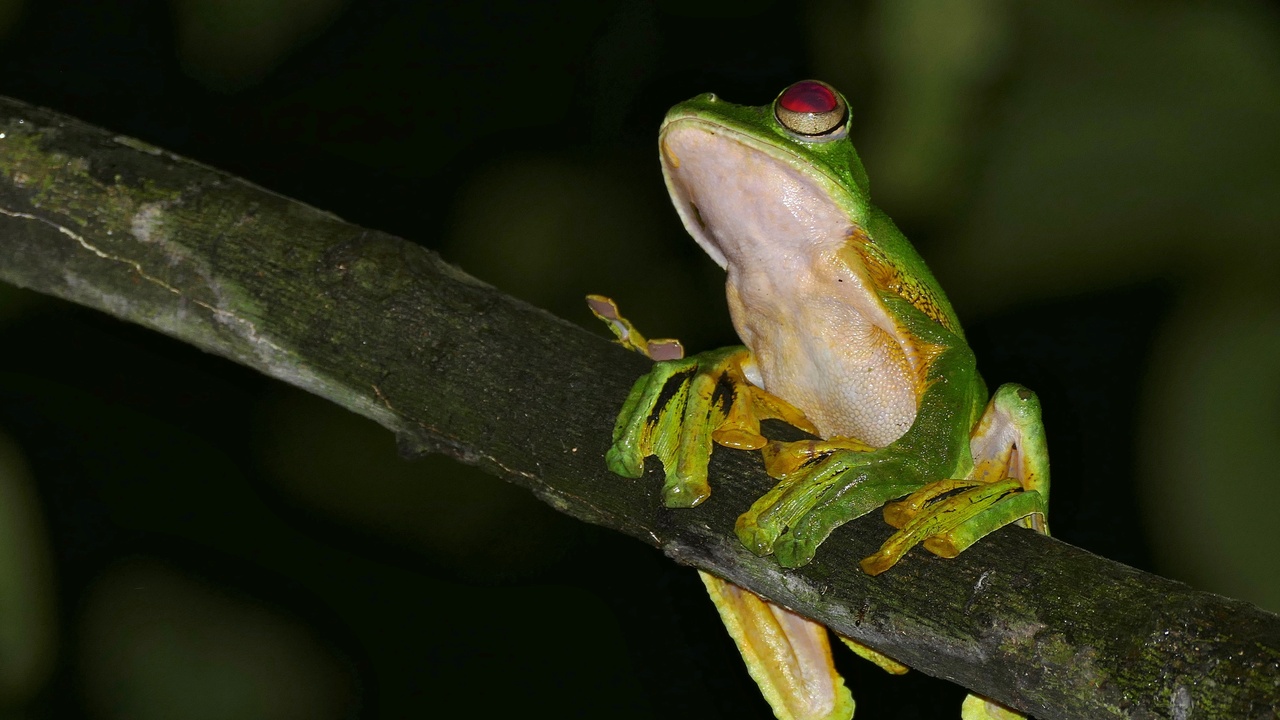
7. Wallace’s flying frog — amphibian acrobat of the canopy edge
Wallace’s flying frog glides between trees using webbed feet and usually breeds at riparian or canopy-edge sites, often constructing foam nests over water where tadpoles drop into streams after hatching.
Because amphibians are sensitive to water quality and hydrological change, their presence offers practical information about freshwater health; regional herpetofauna surveys and amphibian atlases record these species and help guide riparian buffer protection (see regional herpetological surveys and museum records). Protecting streamside vegetation benefits people as well, by filtering water and reducing erosion.
8. Freshwater crabs and forest invertebrates — small species, big signals
Freshwater crabs (including Bornean genera such as Geosesarma) and a host of beetles and other invertebrates break down leaf litter, cycle nutrients and form the base of many food webs in streams and forest floor habitats.
Community composition shifts quickly when streams are polluted or shaded-out; taxonomic work (museum collections and recent species descriptions) shows several range-restricted taxa in Borneo, and local stream-monitoring protocols help managers detect early decline and prioritise restoration. Because many invertebrates remain undescribed, Brunei’s forests retain high scientific value for biodiversity research.
Summary
- Brunei punches above its size: just 5,765 km² contains ancient rainforest (≈140 million years of lineage) and protected areas such as Ulu Temburong National Park (established 1991), which together safeguard critical habitat (WWF; Brunei Tourism).
- Iconic mammals (proboscis monkey, Bornean gibbon, Sunda pangolin) serve as conservation flagships and draw ecotourism and research attention; their IUCN statuses and regional monitoring inform protection priorities (IUCN; Universiti Brunei Darussalam).
- Birds, reptiles and amphibians — from the Bornean bristlehead and Storm’s stork to reticulated pythons and flying frogs — reveal habitat quality across canopy, wetland and forest-floor niches (BirdLife International; regional herpetological surveys).
- Small taxa like freshwater crabs and leaf‑litter beetles are essential nutrient cyclers and early indicators of ecosystem change; their study has high research and conservation value (museum records, taxonomic literature).
- Support local and international conservation groups, consult authoritative sources (IUCN, WWF, BirdLife, TRAFFIC and local research bodies like UBD), and consider low-impact visits to protected areas such as Ulu Temburong to learn more and support on-the-ground protection.