In 1900, early naturalists cataloguing West Africa noted species that today survive only in tiny pockets of forest — a reminder that Nigeria once supported vast, contiguous wildlife populations.
These remnant populations matter for culture, food security, coastal protection and the growing potential for responsible ecotourism; they also signal how land-use choices affect millions of people. Nigeria has 9 national parks that anchor much of this protection.
Nigeria supports a remarkable range of mammals, birds, reptiles and wetland species — and these 12 examples show both that diversity and the urgent conservation choices the country faces.
Rainforest & Montane Species
Southern and eastern forests hold range-restricted and endemic species found nowhere else in West Africa. Parks such as Cross River National Park and Okomu protect key blocks, while NGOs (IUCN, WCS, WWF) and local groups run monitoring and restoration projects. Habitat loss from agriculture and selective logging, plus hunting for bushmeat and the pet trade, are the common threats. Some forest specialists are perilously few in number — the Cross River gorilla, for example, has fewer than 300 mature individuals remaining in isolated pockets. Community patrols and landscape-scale protection are central to keeping these fragments viable.
1. Cross River gorilla (Gorilla gorilla diehli)
The Cross River gorilla is a Critically Endangered subspecies found only in a narrow band along the Nigeria–Cameroon border. Fewer than 300 mature individuals survive, split among isolated forest blocks such as Cross River National Park and the Mbe Mountains.
Because they require large, connected forest and are sensitive to disturbance, these gorillas act as an umbrella species: protecting them preserves habitat for many other plants and animals. They also have high ecotourism value, which helps fund local conservation when visits are managed responsibly.
Conservation combines transboundary surveys, community anti-poaching patrols, and targeted funding from international partners (IUCN and local NGOs). Recent monitoring work in the Mbe Mountains and Cross River sites has guided patrol placement and mountain-to-forest corridor planning.
2. West African chimpanzee (Pan troglodytes verus)
West African chimpanzees persist in Nigeria’s remaining forests and rank among the most-studied primates in the region. Their populations are threatened by habitat fragmentation, bushmeat hunting and disease exposure from people.
Primatology studies here provide valuable data on cognition, social behaviour and habitat use, and chimpanzee sites can draw researchers and ethically run wildlife tourism. Park margins at Cross River and some corridors near Gashaka‑Gumti support small chimp groups.
Local anti‑poaching patrols, community education and corridor mapping are practical steps many groups are using to reduce hunting and connect remnant forest patches for chimpanzee movement and genetic exchange.
3. Niger Delta red colobus (Piliocolobus epieni)
The Niger Delta red colobus is a narrowly endemic monkey of swamp and mangrove fragments in the eastern Niger Delta and is listed as Critically Endangered. Its tiny range makes it extremely vulnerable to local impacts.
Oil pollution, logging, road-building and hunting have all reduced its habitat and food sources. Protecting this species therefore means protecting mangroves and freshwater swamps that also sustain fisheries and shield coasts from storm surge.
Conservation work combines community-based protection, mangrove restoration and efforts to reduce pollution from pipeline leaks. Local NGOs and community groups are key partners in monitoring the remaining red colobus populations.
4. African grey parrot (Psittacus erithacus)
The African grey parrot, a highly intelligent forest bird native to southern Nigeria, has long been targeted by the international pet trade. Rapid declines led to its IUCN uplisting to Endangered around 2016.
Beyond their global appeal as companion birds, greys have cultural importance in many communities. Illegal capture and habitat loss drive local extirpations, which also deprive communities of potential eco‑tour opportunities.
Enforcement against trafficking, captive‑breeding and rehabilitation projects, and stronger protection of forest blocks such as Okomu and Omo can help stabilize remaining wild populations and reduce market pressure.
Savanna & Grassland Species
Nigeria’s savanna belt across the north and central regions supports large mammals adapted to open habitats. Yankari Game Reserve and Kainji Lake National Park are two of the key savanna reserves within the country’s nine national parks. Main threats include agricultural expansion, human‑wildlife conflict and poaching, while wildlife remains important to local livelihoods and tourism.
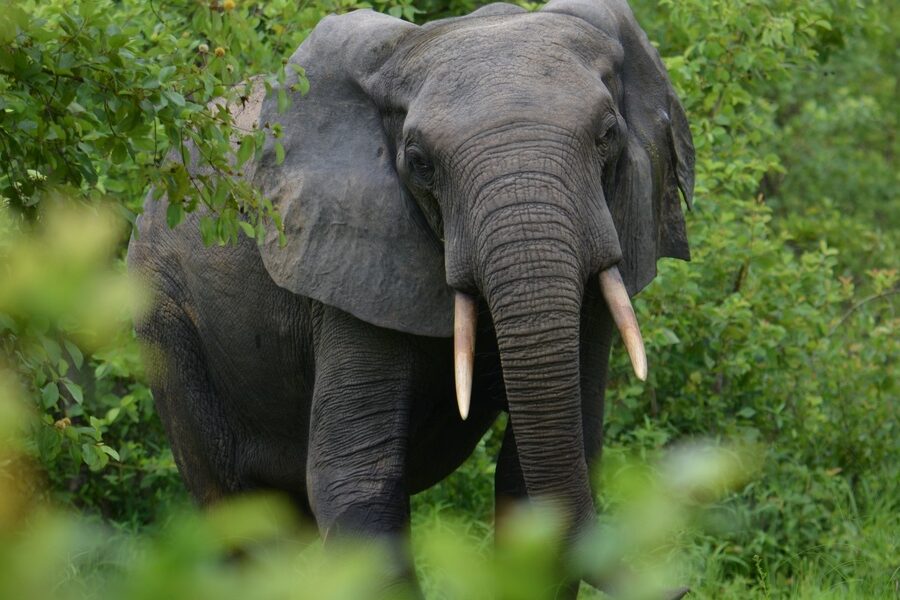
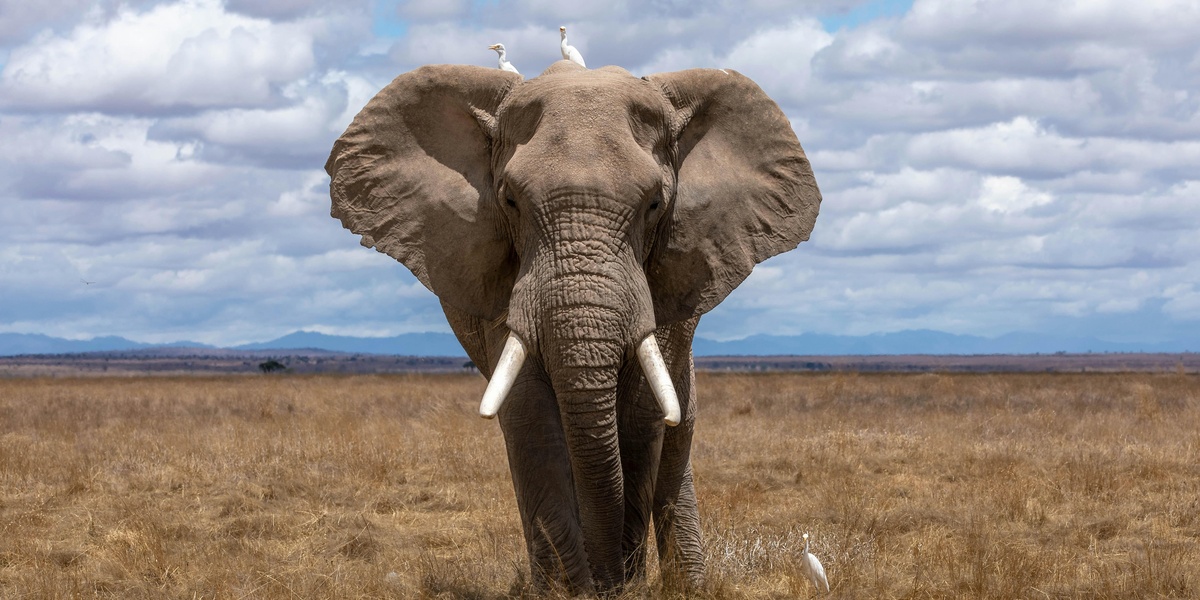
5. African elephant (Loxodonta spp.)
Historically present across much of Nigeria, both forest and savanna elephants have seen severe declines. Ivory poaching and conversion of habitat to farmland have pushed numbers down and fragmented remaining groups.
Elephants are ecological engineers: they cycle nutrients, create pathways that benefit other species, and disperse seeds. They also attract safari visitors to reserves like Yankari and historically to Kainji.
Management responses include anti‑poaching patrols, population monitoring, and community measures to reduce crop‑raiding, such as beehive fences or compensation schemes where budgets allow.
6. West African lion (Panthera leo leo)
The West African lion once roamed across Nigeria but is now rare or locally extirpated in many areas and is considered Regionally Endangered. Loss of habitat, retaliatory killing and declines in prey have driven the fall.
Restoring or protecting large predators like lions helps rebalance ecosystems by regulating herbivore numbers, and recovering populations can support higher-value tourism. That recovery requires landscape-scale planning across protected areas and working rangelands.
Conservationists use regional surveys, community engagement and conflict-mitigation pilots to assess whether viable lion populations can persist or be reintroduced in secure corridors connecting reserves.
7. Leopard (Panthera pardus)
The leopard remains the most adaptable large felid in Nigeria, persisting in fragmented forests and remote savanna patches. Its secretive nature helps it survive where larger, more conspicuous predators cannot.
Leopards control mesopredators and help maintain balanced herbivore communities. Yet they face threats from snaring, habitat loss and conflict with livestock owners when prey is scarce.
Camera‑trap studies in Gashaka‑Gumti and reports from remote riparian forests provide the best recent evidence of their persistence, and targeted anti‑snaring efforts and community reporting systems are part of ongoing management.
8. African buffalo (Syncerus caffer)
African buffalo form large, gregarious herds across savannas and wetlands and are a key prey species for large predators. They also provide meat and sometimes cultural value for local people.
Buffalo herds help sustain predator populations and are an attraction for wildlife tourists in parks such as Kainji Lake and Yankari. They can, however, be a source of conflict and disease transmission between wildlife and domestic cattle.
Park management in Kainji and Yankari includes monitoring herds, veterinary surveillance and community engagement to reduce grazing overlap and disease risk while supporting sustainable livelihoods.
Wetland, Riverine & Coastal Species
Nigeria’s wetlands — the Niger Delta, inland rivers and coastal lagoons — host distinctive fauna and deliver fisheries, flood control and coastal protection. Repeated oil spills, mangrove clearing and overfishing have degraded large areas of these systems, stressing wildlife and people who depend on them.
9. African manatee (Trichechus senegalensis)
The West African manatee inhabits rivers, estuaries and coastal lagoons and is a vulnerable, slow‑reproducing mammal. In Nigeria, manatees face hunting pressure, collisions with motorboats and habitat degradation in the Niger Delta.
Manatees serve as indicators of healthy aquatic vegetation and freshwater quality; protecting them helps sustain fisheries and creates opportunities for low-impact ecotourism. They are protected under national law and international conventions.
Local reporting programs, targeted patrols on important river stretches and rescue/rehabilitation work by conservation groups have documented sightings and helped reduce some threats where communities are engaged.
10. Nile crocodile (Crocodylus niloticus)
The Nile crocodile is an apex predator occupying rivers and lakes across Nigeria. It helps regulate fish populations and nutrient flows but can come into conflict with people who fish or draw water from the same habitats.
Populations have declined or become locally scarce in some areas due to persecution and habitat change, but Kainji Lake and other riverine reserves still support notable groups. Presence of crocodiles can also attract wildlife‑oriented visitors when safety is managed.
Mitigation measures include community awareness, secure landing sites for fishers, and monitoring programs that map crocodile use of waterways to reduce risky encounters.
11. Sitatunga (Tragelaphus spekii)
The sitatunga is a swamp‑adapted antelope specialized for mangrove and marsh habitats. Its splayed hooves and secretive habits allow it to navigate flooded vegetation, but that specialization also makes it vulnerable to wetland drainage and mangrove clearance.
Protecting sitatunga habitat supports fisheries, stabilizes shorelines and maintains carbon‑rich mangroves. Reports place them in Niger Delta swamp fragments and border wetlands, though populations are patchy.
Conservation actions focus on preserving mangrove fragments, restoring hydrology, and combining habitat protection with alternative livelihood programs for local fishers and harvesters.
12. White-bellied pangolin (Phataginus tricuspis)
The white‑bellied pangolin occurs in forest and riverine areas of southern Nigeria and is one of the world’s most‑trafficked mammals. Intense illegal trade for scales and meat has driven steep declines across its range.
Pangolins perform an important ecological role by controlling insect populations in forests. Their protection ties directly into broader anti‑trafficking efforts that strengthen law enforcement and community reporting.
Conservation groups document seizures, run rehabilitation and release programs, and work with parks such as Okomu and Cross River fringe reserves to monitor remaining individuals and reduce local demand through awareness campaigns.
Summary
- Nigeria’s forests, savannas and wetlands support globally important species—from the Cross River gorilla (fewer than 300 mature individuals) to manatees and pangolins.
- Habitat loss, hunting, oil pollution and illegal trade threaten many species; protected areas like Cross River National Park and Yankari are essential but need more support.
- Community conservation, better enforcement, and responsible tourism deliver benefits for both biodiversity and people (fisheries, coastal protection, livelihoods).
- Promote and support reputable groups (IUCN, WWF, local NGOs), visit protected areas responsibly, and learn more about the fauna of nigeria to help prioritize effective action.