In the late 19th and early 20th centuries, Ukraine’s vast steppe and forest landscapes were famous across Europe for their large herds, migrating flocks, and endemic wildlife—a natural wealth that shaped rural life and local folklore. Those centuries left a legacy: reserves founded as early as 1898, local traditions built around migratory calendars, and place names that still remember abundant fauna.
Why care about these animals now? Because they link directly to food security, cultural identity, nature tourism, and essential ecosystem services like pollination, soil formation, and water filtration. Healthy populations of grazers, predators, fish and birds help keep crops and fisheries productive, support tourism incomes in towns near reserves, and anchor cultural practices that date back generations.
This piece showcases 12 distinctive animals that illustrate the ecological breadth of Ukraine, linking each species to habitats, conservation status, and why they matter to people and ecosystems today. You’ll find examples from three major habitat groups—forests, steppe/grasslands, and wetlands/coastlines—with conservation context, protected-area examples, reintroduction notes, and concrete dates and figures sprinkled through the text.
1. Forest and Woodland Inhabitants
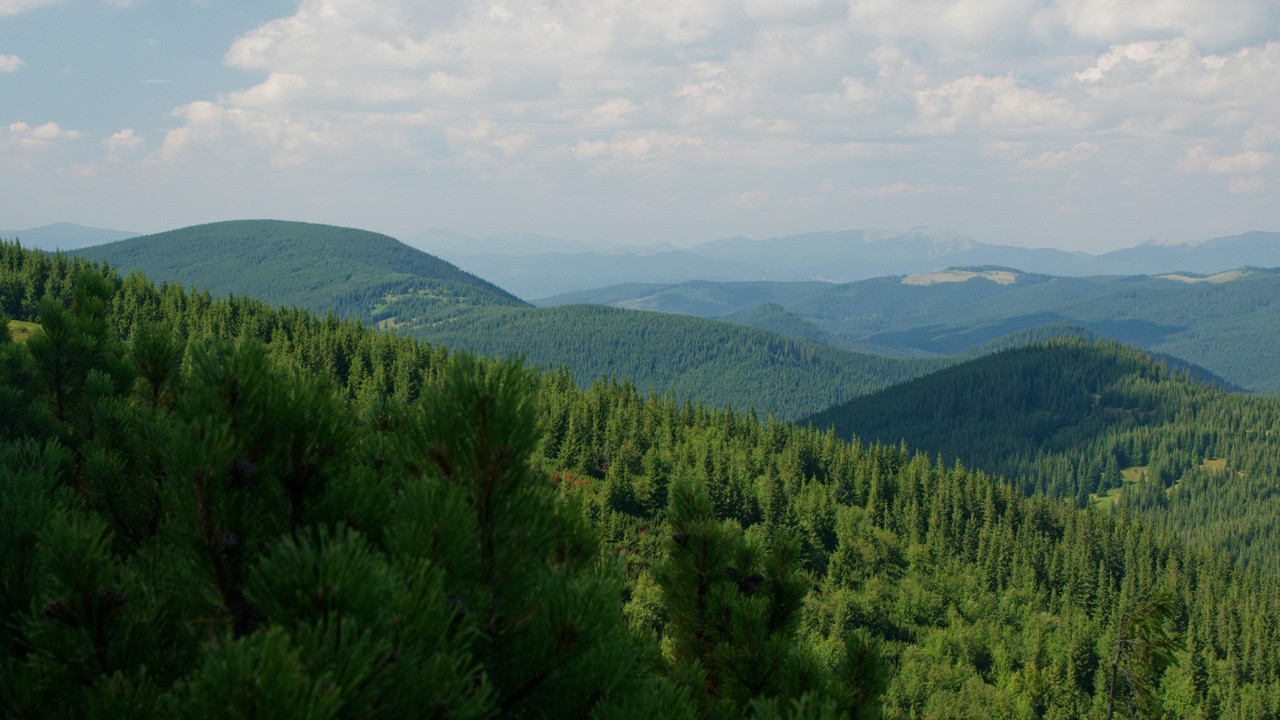
Ukraine’s forests cluster mainly in the Carpathians to the west and Polissya in the north, with mixed beech–fir stands, old-growth pockets, and riparian corridors that feed major river systems. Forests cover roughly 15–16% of the country’s land area (national forestry agency and FAO estimates), and they provide habitat for large herbivores, predators, and many small specialists.
These zones are crucial for connectivity—large carnivores need wide, connected tracts to maintain viable populations. Pressures include logging, road-building, and fragmentation from expanding settlements; conservation responses include transboundary initiatives and long-standing reserves such as the Carpathian Biosphere Reserve (established in 1968) and Polissya wetlands reserves like Shatsky (Park created in the 1980s).
Protected areas (national parks, biosphere reserves, and nature sanctuaries) serve as anchors for reintroductions, monitoring, and eco-tourism that supports local economies, particularly in towns that have seen nature-based visitation rise by notable percentages in recent decades.
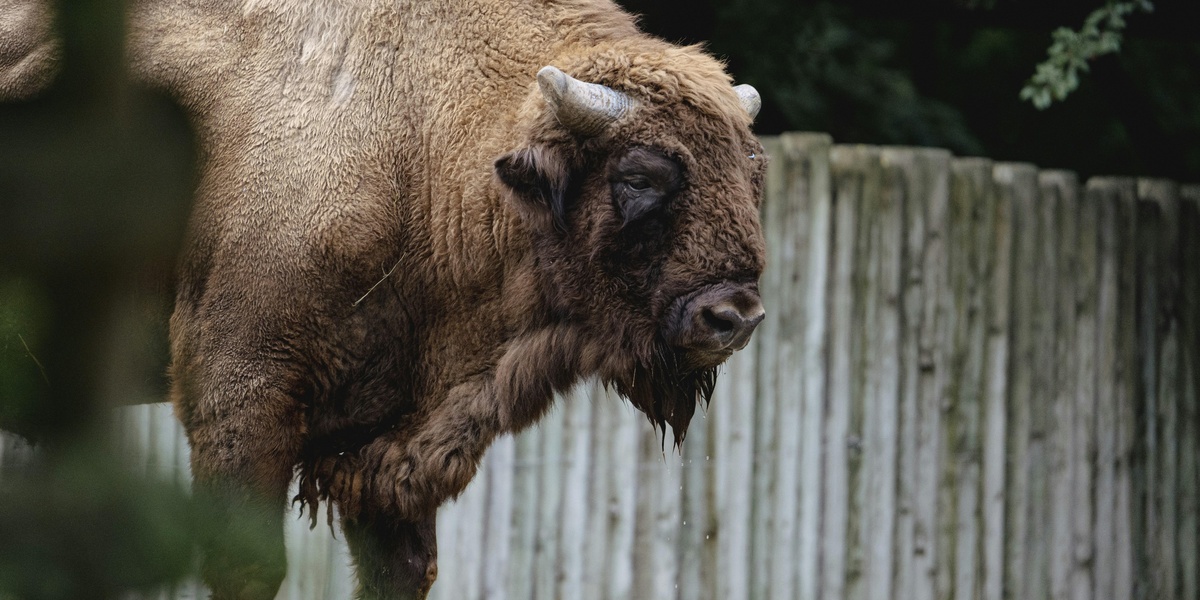
1. European bison (Bison bonasus)
The European bison is a high-profile reintroduction and a symbol of large-woodland restoration in parts of Ukraine. After regional extirpation in the early 20th century, reintroductions began in the mid-1900s; Askania-Nova (founded 1898) and Carpathian sites have hosted release programs and managed herds.
National and reserve records indicate small, managed herds—dozens rather than hundreds—concentrated in protected areas, with occasional translocations to improve genetic diversity (reserve reports and IUCN herd summaries). Bison act as ecosystem engineers: their grazing opens glades, creates heterogeneous vegetation structure, and benefits birds and invertebrates, while also drawing tourists for wildlife viewing.
2. Eurasian lynx (Lynx lynx)
The Eurasian lynx remains a secretive predator of the Carpathians and northern woodlands, using dense cover and steep terrain to ambush ungulates. Camera-trap surveys in the Carpathians have recorded dozens of individual lynx in cross-border monitoring programs, with periodic studies (e.g., 2015–2022 surveys) reporting multi-site detections that point to a recovering but still fragmented distribution.
Lynx are indicators of habitat connectivity and prey base health, and localized ecotourism—photography hides and guided tracking trips—can provide income for mountain communities. Threats remain: road mortality, illegal snaring, and habitat fragmentation have prompted joint conservation projects between Ukraine and neighboring countries focused on corridor protection.
3. Brown bear (Ursus arctos)
Brown bears persist in the Carpathians and enjoy a strong cultural presence in mountain folklore. Regional estimates place populations in the low thousands across the broader Carpathian arc, with Ukraine hosting an important portion of that range (protected-area monitoring and regional carnivore assessments).
Bears den and reproduce on a seasonal cycle: mating in spring, with cubs born in winter dens after a hibernation period. Their ecological role includes seed dispersal and nutrient redistribution through foraging. Managers now focus on conflict mitigation—bear-proof waste systems, community outreach, and regulated tourism—to reduce negative encounters and bolster nature-based income for mountain villages.
4. European otter (Lutra lutra)
The European otter is a semi-aquatic mammal tied to clean rivers and lakes; recent monitoring shows local recoveries where water quality improved and legal protections were enforced. Otter surveys on Carpathian streams and Dnipro tributaries report increasing detections in the last 10–20 years, and national law protects the species from hunting.
Otters serve as visible indicators of freshwater health, influence fish community structure, and attract nature-focused tourism. Reserves that combine riverine protection with angler engagement—several Carpathian protected sites—have incorporated otter monitoring into broader river-restoration plans.
2. Steppe and Grassland Specialists
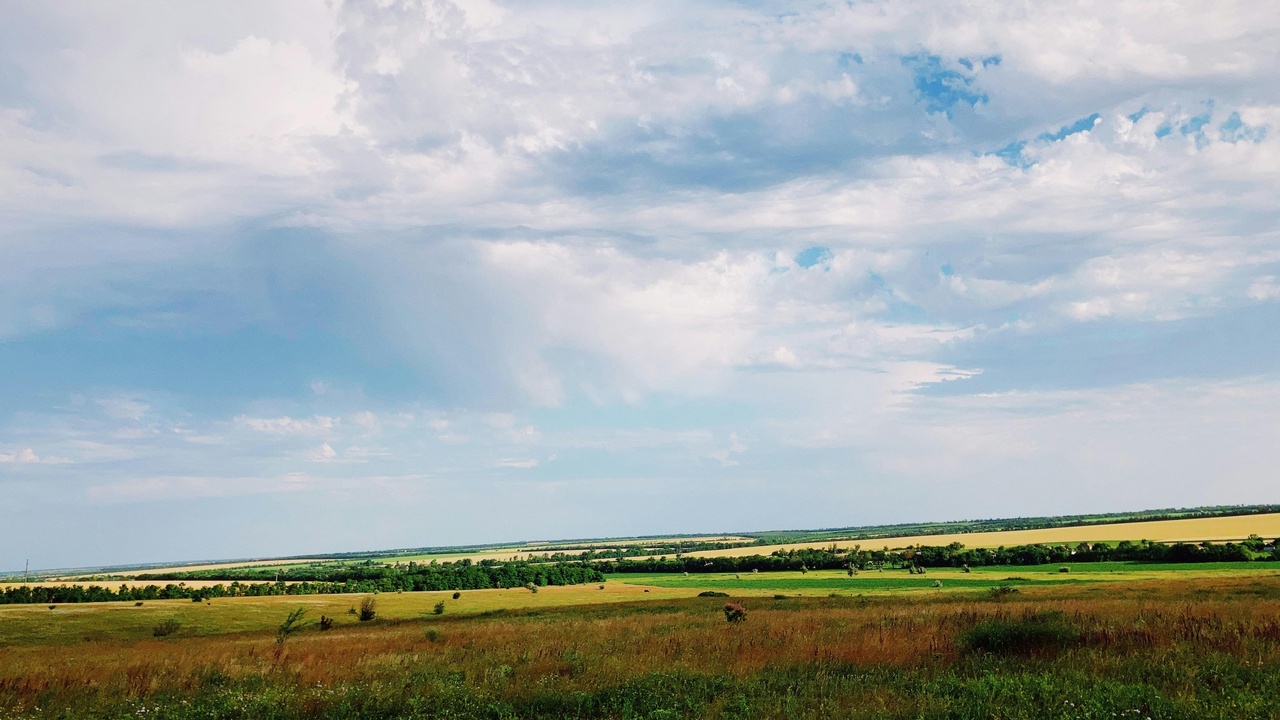
The steppe once covered roughly 40% of what is now Ukraine but agricultural expansion and ploughing have reduced intact grassland to a small fraction—estimates suggest less than 5% of original steppe remains in near-natural condition. Remaining fragments—pockets around Askania-Nova and coastal steppe reserves—support specialist flora and fauna adapted to open, dry conditions.
Steppe loss is driven by intensive cropping, irrigation, and infrastructure; conservation responses include protected reserves, managed grazing schemes, and restoration trials that re-establish native grasses on fallow fields. Askania-Nova (a biosphere reserve) is a flagship site for steppe conservation and species reintroductions and has functioned as a research base since the late 19th century.
Because many steppe species have small ranges and specific life-history needs, even modest restoration projects—seeding native grasses on tens to hundreds of hectares—can yield measurable increases in biodiversity within 5–10 years.
5. Great bustard (Otis tarda)
The great bustard is one of the heaviest flying birds and a hallmark of Ukraine’s open plains. National surveys and BirdLife partners report localized populations and monitored lek sites where males display each spring; counts at some sites record dozens to low hundreds of individuals depending on year and habitat condition.
Breeding success is sensitive to farmland management—timing of mowing, disturbance, and powerline collisions all matter—so targeted agri-environment payments and protection of lek areas have been used to boost local breeding pairs. The bustard serves as a flagship species for broader steppe conservation.
6. European hamster (Cricetus cricetus)
The European hamster is a burrowing rodent tied to field margins and low-intensity arable landscapes. Populations have declined sharply across much of its range; in parts of Eastern Europe the trend has been worrying enough to trigger targeted monitoring and local protection measures.
Habitat-friendly farming—wider field margins, seasonal fallows, and less frequent deep ploughing—can raise local densities within a few seasons. Agricultural stewardship trials in steppe-edge regions have shown measurable increases in burrow density after multi-year interventions.
7. Steppe eagle (Aquila nipalensis)
The steppe eagle is a migratory raptor that uses open grasslands for nesting and nearby landscapes for foraging during the breeding season. Migration counts at bottlenecks record hundreds to thousands passing in peak years, but long-term trends show declines linked to poisoning, electrocution on powerlines, and habitat loss along flyways.
Mitigation measures such as powerline marking and safe pole design, plus anti-poisoning campaigns, have been implemented at several monitoring sites since the 2000s. These practical steps reduce mortality and help stabilize local breeding numbers where applied.
8. Lesser mole-rat and other fossorial species (exemplar: Nannospalax spp.)
Burrowing mammals like mole-rats are ecosystem engineers: their tunnelling aerates soil, redistributes nutrients, and creates microhabitats for plants and invertebrates. Studies from steppe regions report soil turnover rates that boost seedling establishment and increase landscape heterogeneity.
They also support raptors and carnivores by providing an abundant prey base. Farmers’ perceptions vary—some see them as pests, others as contributors to soil health—and outreach that balances crop protection with conservation can reduce conflict.
3. Wetlands, Rivers and Coastal Wildlife

Ukraine’s wetland and coastal systems—from the Danube Delta and Tuzly lagoons to the Dnipro estuary and Black Sea littoral—are vital stopovers for migratory birds and breeding grounds for fish. Ramsar and UNESCO-recognized sites in and near Ukraine host hundreds of migratory species; flyway counts often register thousands of individual birds passing through in a single migration season.
These systems also support fisheries that have cultural and commercial importance, but many stocks have declined steeply. Threats include overfishing, pollution, and habitat conversion; conservation responses range from protected-area designation to captive-breeding and river-restoration programs for migratory fish.
Because wetlands connect land and sea, their protection delivers multiple payoffs: coastal protection, water purification, and livelihoods tied to sustainable tourism and fisheries management.
9. Dalmatian pelican (Pelecanus crispus)
The Dalmatian pelican breeds in lakes and deltas in southern Ukraine; colonies in Danube-connected lagoons and Black Sea refuges have hosted nesting sites with anything from dozens to several hundred pairs depending on year and disturbance levels (monitoring by BirdLife and local NGOs records these fluctuations).
Protecting nesting islands and reducing disturbance during the breeding season are core conservation measures, and the species attracts birdwatchers—helping local economies where pelican viewing is organized responsibly. The bird is also protected under international agreements such as CMS and Ramsar conventions.
10. Beluga (Huso huso) and other sturgeon (Danube sturgeon species)
Historically, Danube sturgeon—including the iconic beluga—migrated into Ukraine’s rivers in large numbers and supported a valuable caviar fishery. Since the mid-20th century, many sturgeon populations have fallen by over 90% due to overfishing, pollution, and river fragmentation from dams that block migration routes (IUCN and fisheries reports document these declines).
The cultural and economic implications are profound: reduced catches affect coastal and riverine communities, and captive-breeding plus restocking projects have been tried in recent decades to rebuild runs. Restoring fish passage at key barriers and enforcing anti-poaching laws remain central to recovery efforts.
11. Bottlenose dolphin (Tursiops truncatus) in the Black Sea
Bottlenose dolphins inhabit the Black Sea adjacent to Ukraine’s coast, and regional surveys and stranding records maintained by marine institutes document regular sightings and occasional cluster strandings. Recent coastal surveys report dozens to hundreds of observations in survey seasons, with abundance estimates varying by year and survey method.
Threats include bycatch in gillnets, chemical pollution, and noise. Local research groups and citizen-science projects run photo-ID and survey programs to track populations, and responsible dolphin-watching can support coastal communities while minimizing disturbance.
12. European mink (Mustela lutreola)
The European mink is critically endangered and was once more widespread in riparian zones across Eastern Europe, including parts of Ukraine. Remaining subpopulations are small and fragmented; conservationists record local pockets where mink persist and run captive-breeding and reintroduction efforts in cooperation with regional partners.
Key threats include habitat loss, watercourse degradation, and competition from invasive American mink. Management measures include invasive-species control, habitat restoration on river margins, and monitoring to identify priority sites for protection.
Summary
- Ukraine’s three main habitat types—forests (Carpathians/Polissya), steppe, and wetlands/coastlines—support a surprisingly wide array of flagship species and lesser-known specialists.
- Long-term trends show both losses (steppe reduced from about 40% historically to under 5% remaining) and local recoveries where protection, reintroductions, or improved management have been applied (examples: Askania-Nova, Carpathian Biosphere Reserve).
- Some species face dramatic declines (Danube sturgeon down by over 90% since the mid-20th century), while others—bison, otter, selected raptors—benefit from targeted conservation, monitoring, and community engagement.
- Practical steps you can take: visit reserves responsibly (Askania-Nova, Carpathian Biosphere Reserve), support local conservation NGOs, and consult authoritative organizations such as IUCN, Ramsar, and UNESCO for verified information on the fauna of Ukraine.