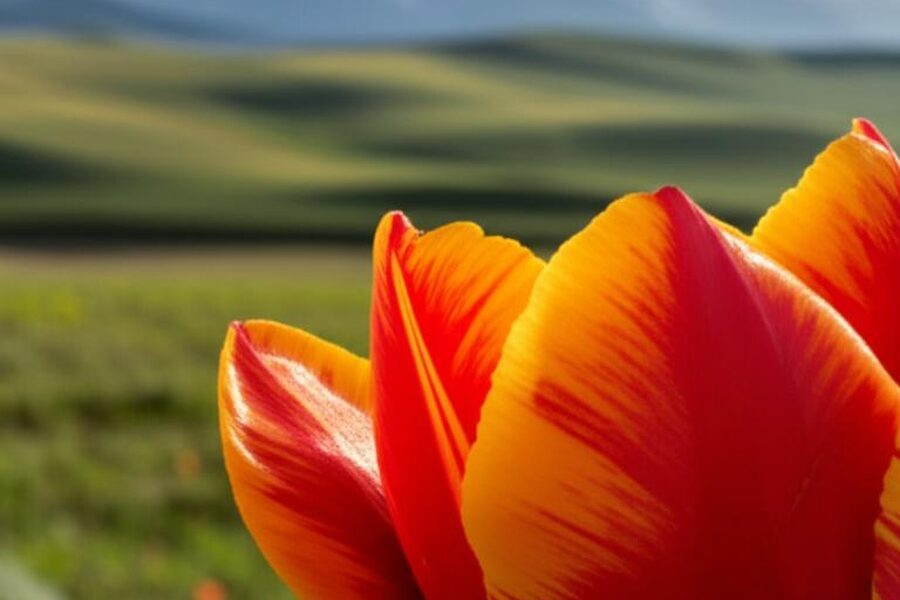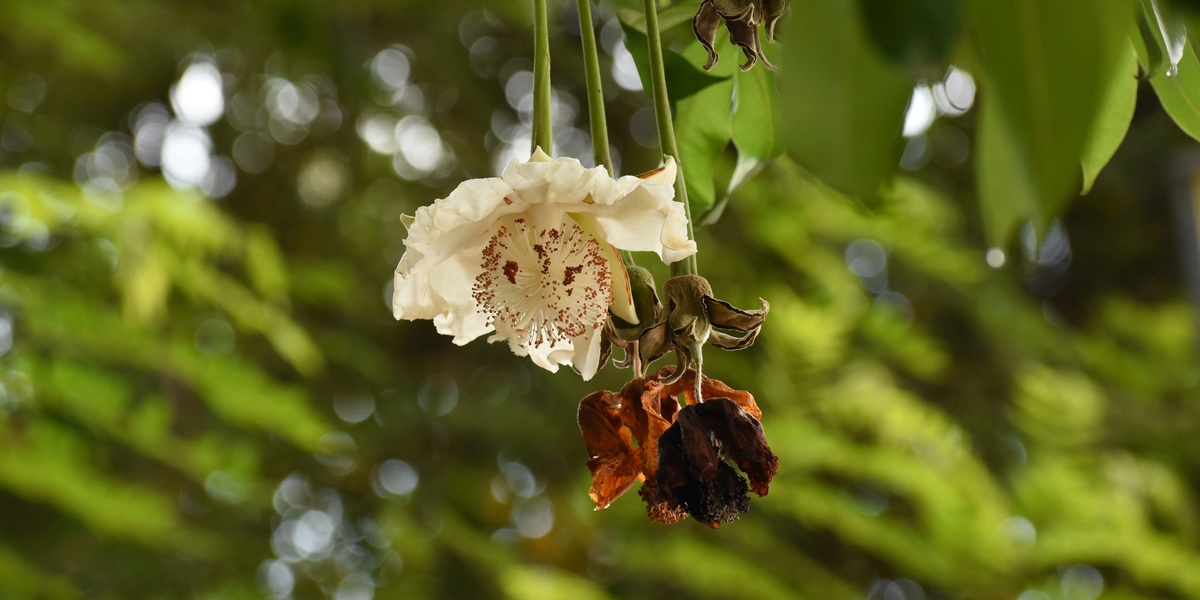
Mali’s landscapes shift from the arid Sahel to wetter floodplains along the Niger, and with those changes come very different flowering plants. Seasonal rains trigger blooms that local communities rely on for forage, medicine and shade, so understanding the flora gives insight into both ecology and everyday life across regions.
There are 48 Flowers of Mali, ranging from Acacia nilotica to Ziziphus mauritiana (detail). The list is organized with columns Scientific name,Region / habitat,Flowering season, which you’ll find below.
When is the best time to see Mali’s flowers in bloom?
Most species flower after the rainy season, typically from late rainy months into the early dry season, but timing varies by habitat: Sahelian species peak earlier and riverine plants often bloom later; consult the Flowering season column for each species.
How can I use this list for field identification or conservation?
Use the Scientific name to cross-check regional guides and the Region / habitat column to narrow likely sightings; if a species is locally rare or has restricted habitat, consider contacting regional conservation groups before collecting or disturbing plants.
Flowers of Mali
| Name | Scientific name | Region / habitat | Flowering season |
|---|---|---|---|
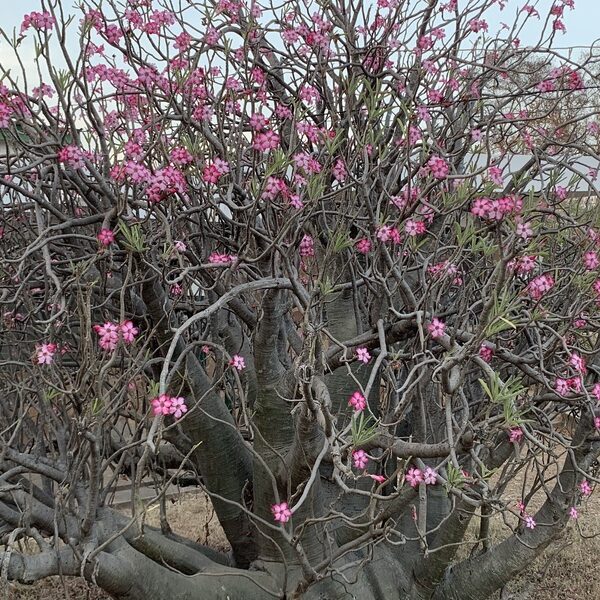
| Baobab | Adansonia digitata | Sahel,Sudanian,riverine | Dec–Mar |
| Néré (African locust bean) | Parkia biglobosa | Sudanian,Guinean woodlands | Feb–Apr |
| Red kapok | Bombax costatum | Sahelian and Sudanian savanna | Feb–Apr |
| Gum arabic tree | Senegalia senegal | Sahel,Sudanian drylands | Apr–Jun |
| Umbrella thorn acacia | Vachellia tortilis | Sahel,Sudanian savanna | Feb–Apr |
| Desert date | Balanites aegyptiaca | Sahel,riverine and dry savanna | Mar–May |
| Shea | Vitellaria paradoxa | Sudanian savanna,parkland | Mar–May |
| Marula | Sclerocarya birrea | Sudanian woodland and savanna | Mar–May |
| Kinkeliba | Combretum micranthum | Sudanian,riverine and cultivated gardens | Jul–Oct |
| Bissap (roselle) | Hibiscus sabdariffa | Gardens,fields,riverine | Jul–Oct |
| Cotton | Gossypium hirsutum | Sudanian agricultural zones | Jul–Oct |
| Okra | Abelmoschus esculentus | Gardens,smallholdings | Jun–Sep |
| Mango | Mangifera indica | Riverine,urban gardens,orchards | Mar–May |
| Citrus (orange) | Citrus sinensis | Riverine gardens,orchards | Feb–Apr |
| Tamarind | Tamarindus indica | Riverine,gardens,parklands | Feb–Apr |
| Neem | Azadirachta indica | Urban,Sahelian and Sudanian plantings | Apr–Jun |
| Faidherbia (winterthorn) | Faidherbia albida | Sahelian agroforestry parklands | Nov–Jan |
| Moringa | Moringa oleifera | Gardens,riverine homesteads | Year-round with peaks Mar–May |
| Water lily | Nymphaea lotus | Niger River,ponds,wetlands | Year-round with peaks Jun–Sep |
| Eucalyptus (river red gum) | Eucalyptus camaldulensis | Riverine plantations,banks | Mar–Jun |
| Sunflower | Helianthus annuus | Cultivated fields in southern Mali | Jul–Sep |
| Jujube | Ziziphus mauritiana | Sahelian orchards,home gardens | Mar–May |
| Parkia biglobosa (flower cluster tree) | Parkia biglobosa | Sudanian,parklands,riverine | Feb–Apr |
| Calotropis (sodom apple) | Calotropis procera | Sahel,roadsides,waste ground | Year-round with peaks Mar–May |
| Bougainvillea | Bougainvillea glabra | Urban gardens,Bamako,households | Year-round with peaks Mar–May |
| Lantana | Lantana camara | Gardens,roadsides,disturbed areas | Year-round |
| Shea-butter tree flowers | Vitellaria paradoxa | Sudanian parklands | Mar–May |
| Faidherbia albida (detailed) | Faidherbia albida | Agroforestry parkland,farmlands | Nov–Jan |
| Baobab (community use) | Adansonia digitata | Village commons,Sahel | Dec–Mar |
| Cotton (detail) | Gossypium hirsutum | Sudanian croplands | Jul–Oct |
| Mango blossom (detail) | Mangifera indica | Orchards,riverine gardens | Mar–May |
| Nile tamarisk? (Tamarix spp.) | Tamarix spp. | Riverine margins,Saline soils | Mar–May |
| Neem (detail) | Azadirachta indica | Roadsides,farms,urban shade | Apr–Jun |
| Moringa (detail) | Moringa oleifera | Home gardens,riverine areas | Year-round with peaks Mar–May |
| Néré flower cluster (detail) | Parkia biglobosa | Parkland,farm boundaries | Feb–Apr |
| Acacia nilotica | Vachellia nilotica | Riverine,Sahelian woodlands | Feb–Apr |
| Combretum species | Combretum spp. | Sudanian woodland,riverine edges | Jun–Nov |
| Nymphaea lotus (water lily) (detail) | Nymphaea lotus | Lagoons,Niger River oxbows | Year-round |
| Ziziphus mauritiana (detail) | Ziziphus mauritiana | Orchards,Sahelian gardens | Mar–May |
| Sour jujube? (Ziziphus sp.) | Ziziphus sp. | Sahelian scrub,home gardens | Mar–May |
| Euphorbia spp. | Euphorbia spp. | Dry rocky sites,Sahel | Year-round with peaks Mar–Apr |
| Hibiscus rosa-sinensis (garden hibiscus) | Hibiscus rosa-sinensis | Urban gardens,private yards | Year-round with peaks Nov–Apr |
| Bougainvillea (detail) | Bougainvillea glabra | Urban hedges,gardens | Year-round with peaks Mar–May |
| Lantana (detail) | Lantana camara | Gardens,disturbed sites | Year-round |
| Sida rhombifolia | Sida rhombifolia | Roadsides,disturbed ground | Jun–Oct |
| Tamarind (detail) | Tamarindus indica | Market gardens,riverine plots | Feb–Apr |
| Mango (urban ornamental) | Mangifera indica | Bamako gardens,streets | Mar–May |
| Acacia senegal (gum tree) | Senegalia senegal | Sahelian shrublands,farmland borders | Apr–Jun |
Images and Descriptions
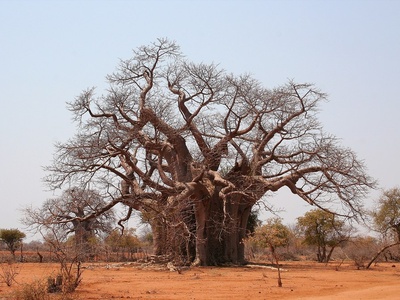
Baobab
Iconic large tree with thick trunk and white night-blooming flowers. Seen across Sahel and Sudanian savannas and along rivers, flowers in the dry season and provides edible fruit and fibre, used locally for food, medicine and water storage.

Néré (African locust bean)
Néré is a medium tree with long, fragrant, pendant flower clusters that attract bats and insects. Common in parklands, its fermented seeds (soumbala) are a staple seasoning and culturally important across Mali.
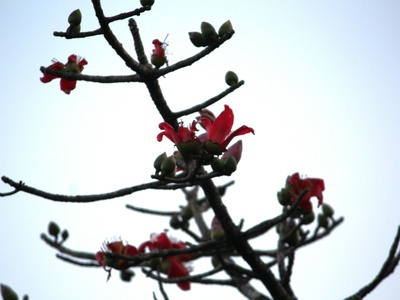
Red kapok
Striking tree with bright red, cup-shaped flowers at branch tips during the late dry season. Found in dry woodlands and savanna, it marks the transition to the rains and supplies fibers, medicine and seasonal nectar for wildlife.
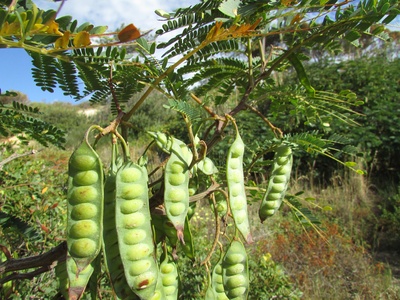
Gum arabic tree
Small thorny tree producing globular cream-yellow flowers then gum arabic exudate. Widespread in Sahelian rangelands and managed agroforestry, heavily used for resin collection, fodder and soil protection.
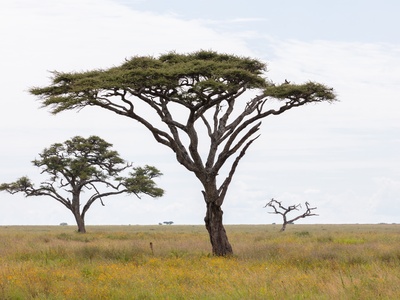
Umbrella thorn acacia
Iconic flat-topped acacia with dense clusters of cream ball-flowers. Common in arid plains and parklands, flowering at the end of the dry season and providing shade, browse and habitat for birds.
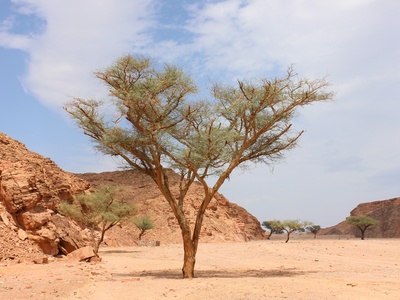
Desert date
Spiny shrub or small tree with small yellow-green flowers and edible oily fruits. Tolerant of dry soils, it grows across Mali’s Sahel and is valued for food, oil and traditional medicine.
Shea
Widespread “shea” tree with clusters of small creamy flowers before leaf flush. Dominant in the agroforestry parklands, it produces shea nuts used for butter and livelihoods across Mali’s central belt.
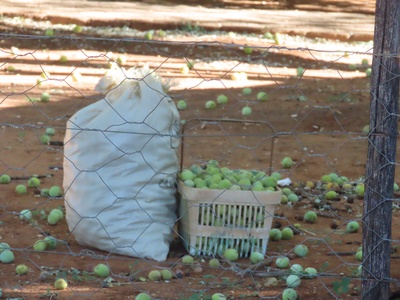
Marula
Medium tree with small creamy-yellow flowers that attract insects. Found in southern and central Mali, marula yields fragrant fruits eaten fresh or fermented and supports wildlife and local economies.
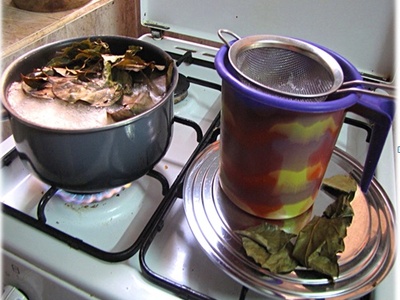
Kinkeliba
Shrubby tree with small pale flowers; leaves are brewed into a popular herbal tea (kinkeliba). Grows along rivers and in gardens, flowering in the rainy season and prized for its tonic properties.
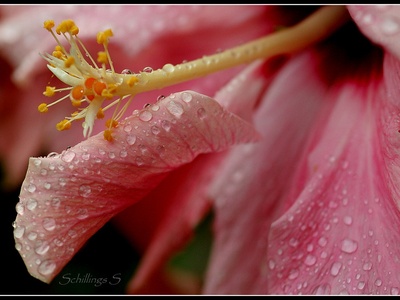
Bissap (roselle)
Shrubby hibiscus cultivated across Mali for its red calyces used to make bissap juice. Produces large hibiscus flowers in the rainy season; a cultural and commercial crop with tangy, vitamin-rich drinks.
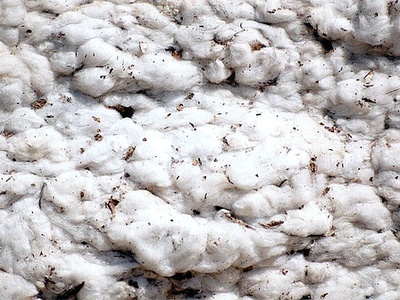
Cotton
Major cash crop with showy white to pink flowers opening during the rainy season. Grows across Mali’s cultivated south and central regions and is central to rural livelihoods and export agriculture.
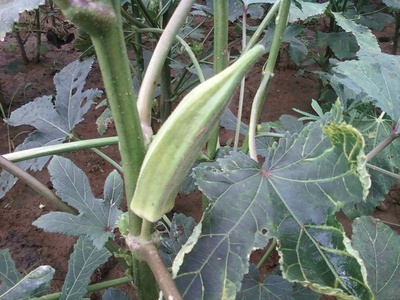
Okra
Common garden vegetable with delicate yellow flowers and purple center. Flowering follows the start of the rains; pods are a dietary staple and plants are easy to spot around villages and market gardens.
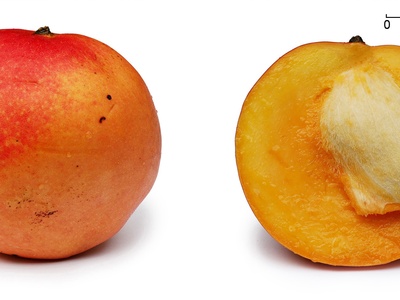
Mango
Tropical fruit tree producing panicles of small fragrant flowers in late dry to early rainy season. Widely cultivated in southern Mali and along the Niger, mangos are a major fruit crop with vibrant markets when fruiting.
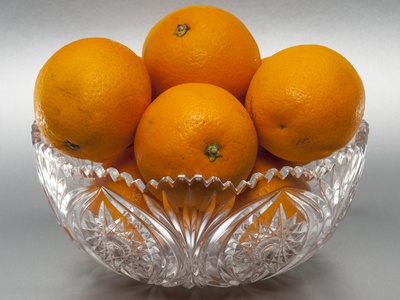
Citrus (orange)
Orange and other citrus trees flower with fragrant white blossoms on irrigated riverine plots and home gardens. Flowering in late dry to early rainy months precedes fruiting that supplies local markets.
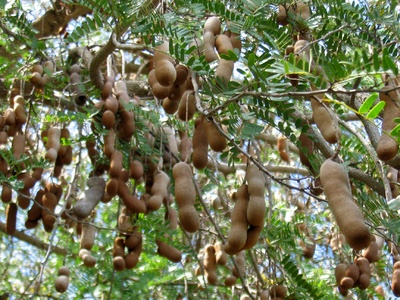
Tamarind
Large tree with spikes of pale yellow flowers followed by edible tart pods. Common along waterways and in villages, tamarind is used for cooking, drinks and traditional remedies across Mali.
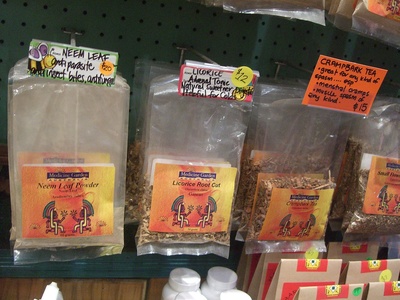
Neem
Fast-growing introduced shade tree with clusters of small white flowers. Planted widely for shade, windbreaks and traditional medicine, neem thrives in dry urban and rural settings across Mali.
Faidherbia (winterthorn)
Valued parkland tree that flowers and fruits in the cool dry season. It improves soil fertility by leaf-drop pattern, is especially common in millet fields and provides important fodder for livestock.
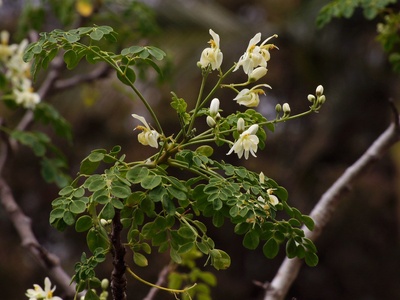
Moringa
Fast-growing multipurpose tree with fragrant white flowers. Cultivated around homes and farms for nutritious leaves and seed oil; flowers attract bees and are edible in some local dishes.
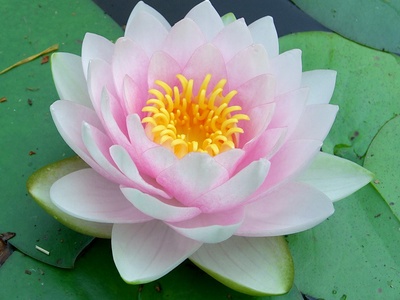
Water lily
Floating aquatic with large white or cream fragrant flowers on calm waters of the Niger and seasonal ponds. Seen along river bends and preferred by local fishers and ecotourists for serene aquatic displays.
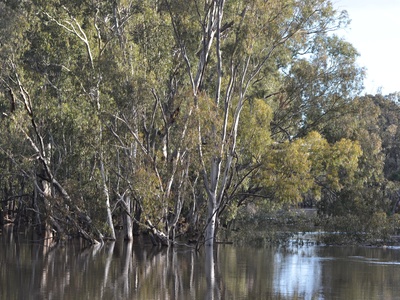
Eucalyptus (river red gum)
Tall introduced tree commonly planted along the Niger River for timber and shade. Produces clusters of white flowers and is immediately recognizable in riverside woodlands and managed groves.
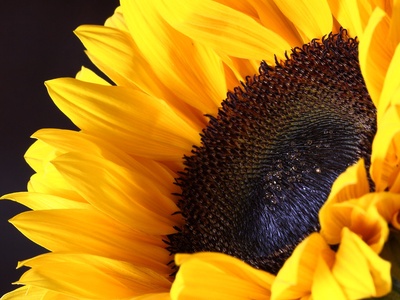
Sunflower
Annual oilseed crop with large yellow composite flower heads during the rainy season. Grown by smallholders for edible oil and seed, sunflower fields create bright seasonal displays in agricultural landscapes.
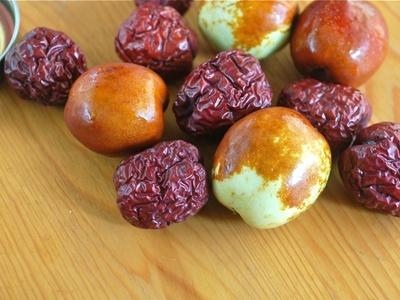
Jujube
Hardy fruit tree with small yellowish flowers in the hot season. Common in drier zones and village gardens, jujube produces sweet fruits and tolerates Sahelian conditions well.
Parkia biglobosa (flower cluster tree)
Also called néré, this tree bears long, fragrant bobbin-like flower clusters used by communities for fermented seeds. Flowers at the end of the dry season and are important for pollinators and local cuisine.
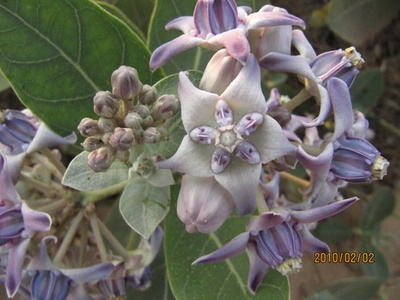
Calotropis (sodom apple)
Sprawling shrub with waxy white-lilac flowers and milky latex. Common on disturbed soils and dry wastelands across Mali, used in traditional medicine and as a host for some butterflies.
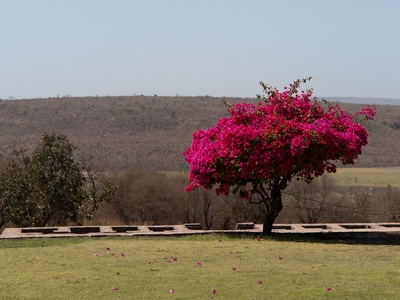
Bougainvillea
Vibrant ornamental vine with papery bracts in pink, red or purple. Planted around houses and public spaces in towns like Bamako, it flowers prolifically in dry and warm months.
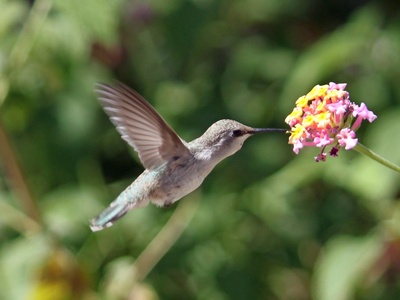
Lantana
Hardy flowering shrub with multicolored cluster blooms attracting butterflies. Naturalized in many parts of Mali’s wetter south and urban areas, often used as a boundary hedge or ornamental despite invasive tendencies.
Shea-butter tree flowers
Shea trees bloom with small creamy flowers before nut development. A cornerstone of Mali’s rural economy, flowering heralds the nut season that provides shea butter for food, cosmetics and income.
Faidherbia albida (detailed)
Unique “reverse leafing” tree whose flowers appear in the cool dry months. Farmers value it for shade and soil nitrogen; flowering is a dependable seasonal marker in Sahelian agriculture.
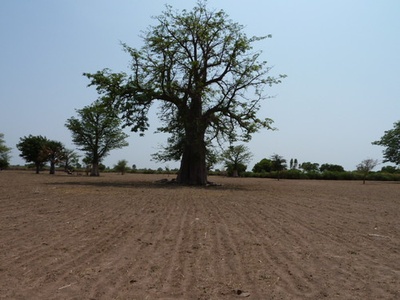
Baobab (community use)
The baobab’s night-blooming flowers feed bats and insects and signal fruiting season. Central to village life, its flowers and fruits are used for cooking, crafts and water storage in arid landscapes.
Cotton (detail)
Fields of cotton produce conspicuous flowers before boll set during the rainy season. Cotton is a key cash crop in Mali, shaping landscapes and rural economies where white-petalled flowers are common in summer.
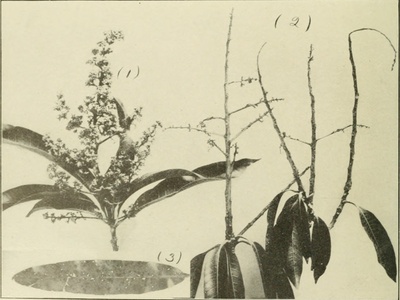
Mango blossom (detail)
Mango trees bloom in dense panicles with fragrant small flowers before the rainy season. Flowering is followed by heavy fruiting and busy markets; widely cultivated along the Niger and in southern communities.
Nile tamarisk? (Tamarix spp.)
Salt-tolerant shrub/tree with feathery pink flowers along some riverbanks. Occurs in disturbed saline patches near waterways; flowers attract small insects and indicate saline-adapted vegetation zones.
Neem (detail)
Introduced but widespread, neem produces small clustered white flowers and is used for shade, pest control and medicine. Common in towns and rural homesteads across Mali’s drier zones.
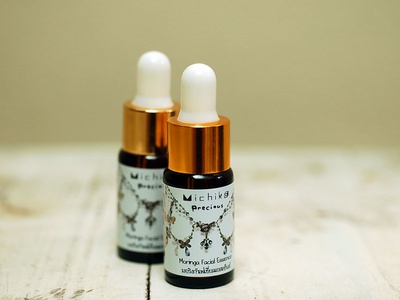
Moringa (detail)
Moringa’s fragrant white flowers and nutrient-rich leaves are used fresh or dried. Its quick growth and multipurpose uses make it a familiar sight in courtyards and farm edges.
Néré flower cluster (detail)
Parkia’s long pendant inflorescences are fragrant and visited by nocturnal pollinators. Their presence signals the dry-season food-gathering cycle around villages in the Sudanian zone.
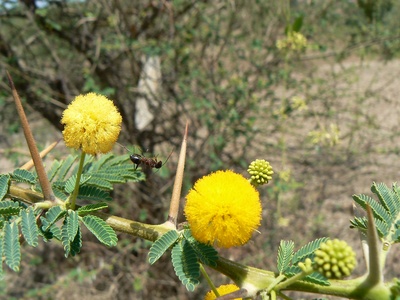
Acacia nilotica
Spiny tree with dense yellow globular flower heads found along river corridors and savanna fringes. Used for fuelwood, fencing and tannins, its flowers appear toward the end of the dry season.
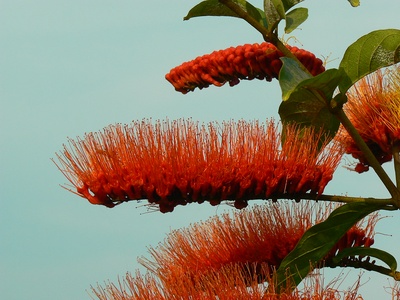
Combretum species
Various Combretum shrubs and trees produce small clustered flowers in the wet season. They thrive along rivers and woodlands, often used for traditional medicine and as local hedging plants.
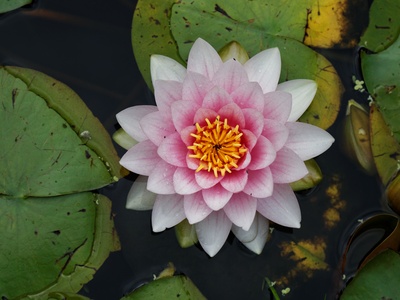
Nymphaea lotus (water lily) (detail)
White water lily with fragrant blossoms floating on calm backwaters of the Niger and seasonal ponds. Common in riverine wetlands and a favorite subject for boat-based nature viewing and photography.
Ziziphus mauritiana (detail)
Resilient fruit tree bearing small, fragrant flowers before fruit. Jujube is widely planted in drier areas for shade and fruit, tolerating Sahelian heat and poor soils well.
Sour jujube? (Ziziphus sp.)
Small thorny tree with tiny clusters of flowers producing edible fruits. Common in household gardens and hedgerows, they offer seasonal fruit and medicinal uses across rural Mali.
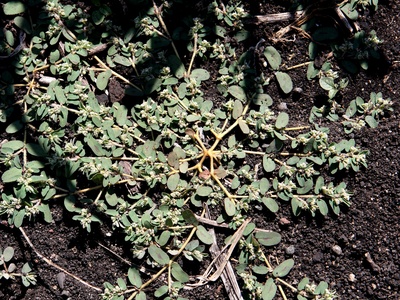
Euphorbia spp.
Various spurge species occur on rocky, arid sites with inconspicuous cyathia. They’re drought-tolerant, often leafless in dry seasons, and known locally for medicinal latex and hardy landscaping use.
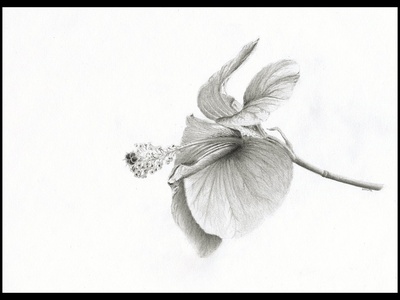
Hibiscus rosa-sinensis (garden hibiscus)
Popular ornamental with large colorful blooms in town gardens. Grown around houses and public spaces for showy flowers year-round in favorable microclimates.
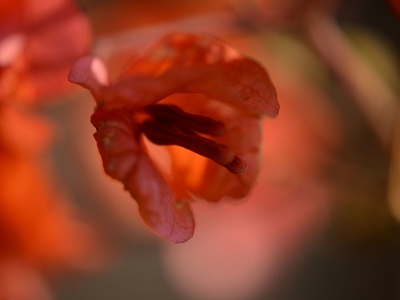
Bougainvillea (detail)
Tough ornamental climber with vivid bracts that bloom through the year. Common in cities and villages, it creates dramatic color around homes and public buildings.
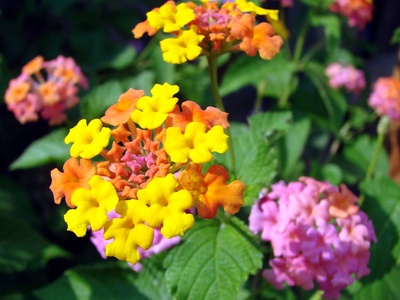
Lantana (detail)
Adaptable shrub with dense clusters of small flowers in mixed colors. It flowers through many seasons near settlements and is attractive to butterflies, though often considered invasive.
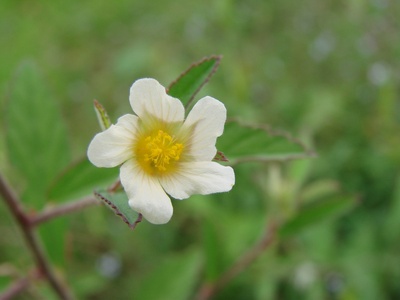
Sida rhombifolia
Common small flowering shrub with yellow blooms in the rainy season. Found throughout Mali in fields and along paths; used in traditional remedies and easy to spot during the wet months.
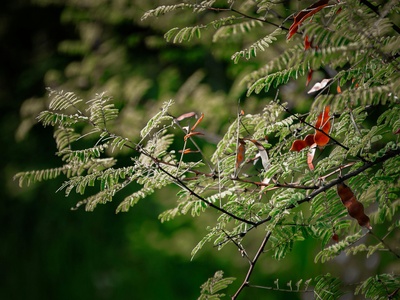
Tamarind (detail)
Tamarind trees produce open clusters of fragrant yellow flowers, later forming the familiar sour pods. Often planted near homes and markets, pods are used for cooking, drinks and preserves.
Mango (urban ornamental)
Mango trees in towns bloom heavily, attracting pollinators before fruiting. Streets and courtyards in southern Mali fill with the scent of mango blossoms each pre-rain season.
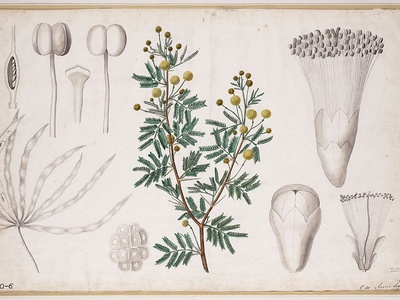
Acacia senegal (gum tree)
Source of gum arabic, this small thorny tree bears ball-like yellow flowers in the warm season. It is managed across the Sahel for resin harvest and land restoration.