Poland’s landscapes—from lowland meadows and riverbanks to the Carpathian foothills—burst into bloom with a long seasonal sweep of native and naturalized plants. Whether you’re walking a village lane or a mountain trail, the variety of flowers reflects the country’s mix of habitats and climates.
There are 59 Flowers of Poland, ranging from Apple blossom to Yellow foxglove. Each entry lists Scientific name,Habitat,Bloom season (months) so you can match what you see in the field to the table you’ll find below.
When is the best time to see most of these flowers?
Spring into early summer (roughly April through June) covers the peak displays in lowlands, while alpine and subalpine species appear later into July and August; check the Bloom season (months) column for species-specific timing.
How can I use the list to identify plants I find in nature?
Start by noting habitat and bloom month, then compare leaf and flower features to the Scientific name entry; photos, a pocket guide, or an ID app will speed recognition and help confirm matches from the table you’ll find below.
Flowers of Poland
| Name | Scientific name | Habitat | Bloom season (months) |
|---|---|---|---|
| Poppy | Papaver rhoeas | Arable fields, roadside, meadows, lowland regions | May–Jul |
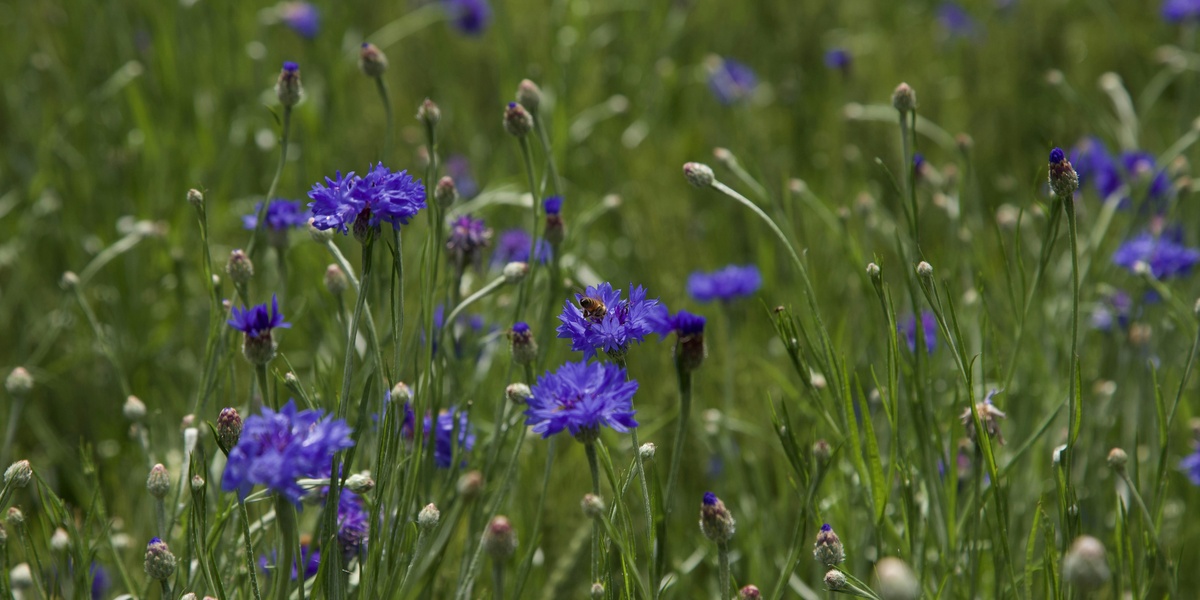
| Cornflower | Centaurea cyanus | Arable fields, meadows, roadsides, lowlands | May–Aug |
| Oxeye daisy | Leucanthemum vulgare | Meadows, roadsides, pastures, lowlands and uplands | Jun–Aug |
| Lily of the valley | Convallaria majalis | Deciduous forests, shady hedgerows, lowland to upland | May–Jun |
| Wood anemone | Anemone nemorosa | Deciduous forests, forest edges, lowlands and mountains | Mar–May |
| Cowslip | Primula veris | Meadows, calcareous grasslands, light woods, lowlands | Apr–May |
| Pasque flower | Pulsatilla patens | Dry meadows, sandy soils, eastern and central Poland | Apr–May |
| Spring squill | Scilla bifolia | Deciduous woodland, parklands, gardens, lowlands | Mar–Apr |
| Lesser celandine | Ficaria verna | Damp woods, streambanks, shady meadows, lowlands | Mar–Apr |
| Woodland columbine | Aquilegia vulgaris | Woodland edges, meadows, gardens, uplands | May–Jun |
| Dandelion | Taraxacum officinale | Lawns, meadows, roadsides, disturbed areas nationwide | Mar–Oct |
| Meadow buttercup | Ranunculus acris | Meadows, pastures, roadside verges, lowlands to uplands | May–Aug |
| Marsh marigold | Caltha palustris | Wet meadows, stream margins, marshes, lowlands | Mar–May |
| Field scabious | Knautia arvensis | Meadows, road verges, calcareous grassland, lowlands | Jun–Sep |
| Devil’s-bit scabious | Succisa pratensis | Wet meadows, fen edges, upland grasslands | Jul–Sep |
| Autumn crocus (meadow saffron) | Colchicum autumnale | Meadows, damp pastures, lowlands and uplands | Aug–Oct |
| Elderflower | Sambucus nigra | Hedgerows, woodland edges, parks, lowlands | May–Jun |
| Rowan (mountain ash) | Sorbus aucuparia | Woodland edges, mountains, parks, widespread | May–Jun |
| Dog rose | Rosa canina | Hedgerows, scrub, woodland margins, lowlands | May–Jul |
| St John’s wort | Hypericum perforatum | Roadsides, dry meadows, grassland, lowlands | Jun–Aug |
| Yellow foxglove | Digitalis grandiflora | Woodland edges, shady meadows, uplands | Jun–Aug |
| Peach-leaved bellflower | Campanula persicifolia | Meadows, garden borders, forest edges, lowlands | Jun–Aug |
| Harebell | Campanula rotundifolia | Dry grasslands, rocky slopes, mountains and lowlands | Jun–Sep |
| Meadowsweet | Filipendula ulmaria | Wet meadows, ditches, stream banks, lowlands | Jun–Aug |
| Early-purple orchid | Orchis mascula | Woodland clearings, meadows, calcareous soils, lowlands | Apr–Jun |
| Lady’s slipper orchid | Cypripedium calceolus | Broadleaf forests, calcareous soils, uplands and lowlands | May–Jun |
| Bee orchid | Ophrys apifera | Dry grasslands, calcareous slopes, coastal dunes, lowlands | May–Jun |
| Wild daffodil | Narcissus pseudonarcissus | Meadows, open woods, upland pastures | Apr–May |
| Spring crocus | Crocus vernus | Meadows, gardens, alpine meadows, lowlands to mountains | Mar–Apr |
| Meadow crane’s-bill | Geranium pratense | Meadows, roadside verges, mountain meadows, lowlands | Jun–Aug |
| Globe flower | Trollius europaeus | Damp meadows, mountain pastures, uplands | May–Jul |
| Marsh gentian | Gentiana pneumonanthe | Wet heathland, bogs, fen edges, northern and upland areas | Aug–Sep |
| Lady’s mantle | Alchemilla vulgaris | Meadows, woodland edges, mountain pastures, lowlands | May–Jul |
| Garden peony | Paeonia lactiflora | Gardens, parklands, old homesteads, occasionally naturalized | May–Jun |
| Garden tulip | Tulipa gesneriana | Cultivated gardens, parks, early-spring displays, lowlands | Apr–May |
| Yellow flag iris | Iris pseudacorus | Ponds, wetlands, riverbanks, ditches, lowlands | May–Jul |
| Sweet violet | Viola odorata | Woodland edges, gardens, hedgerows, lowlands | Mar–May |
| Evening primrose | Oenothera biennis | Roadsides, wasteland, riverbanks, disturbed ground, lowlands | Jun–Sep |
| Ragged robin | Silene flos-cuculi | Wet meadows, damp pastures, fen margins, lowlands | May–Aug |
| Red campion | Silene dioica | Woodland edges, hedgerows, meadows, lowlands | May–Sep |
| Heather | Calluna vulgaris | Heathland, acidic bogs, dry acidic soils, uplands | Jul–Sep |
| Snowdrop | Galanthus nivalis | Woodland, parks, gardens, riverbanks, lowlands | Feb–Mar |
| Hepatica | Hepatica nobilis | Deciduous woodlands, shaded slopes, lowlands to uplands | Mar–Apr |
| Stemless gentian | Gentiana acaulis | Alpine and subalpine meadows, Tatra and Carpathians | Jun–Aug |
| Honeysuckle | Lonicera periclymenum | Woodland edges, hedgerows, scrub, parks, lowlands | May–Jul |
| Common lilac | Syringa vulgaris | Parks, gardens, village greens, lowlands | May |
| Apple blossom | Malus domestica | Orchards, gardens, hedgerows, lowlands | Apr–May |
| Wild cherry | Prunus avium | Woodlands, orchards, hedgerows, lowlands | Apr–May |
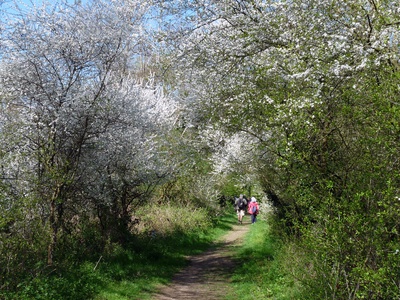
| Blackthorn (sloe) | Prunus spinosa | Hedgerows, scrub, woodland edges, lowlands | Mar–Apr |
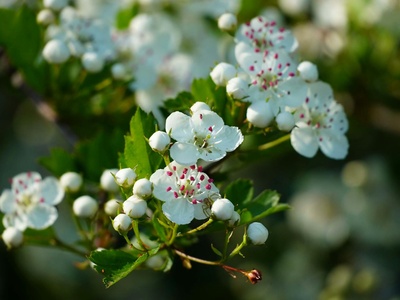
| Hawthorn | Crataegus monogyna | Hedgerows, woodland edges, parks, lowlands | May |
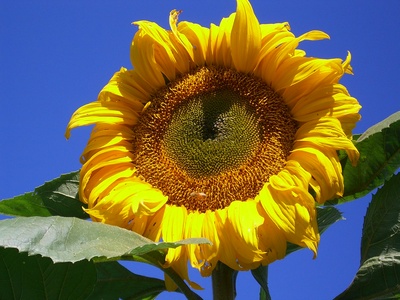
| Sunflower | Helianthus annuus | Cultivated fields, roadside displays, gardens, lowlands | Jul–Sep |
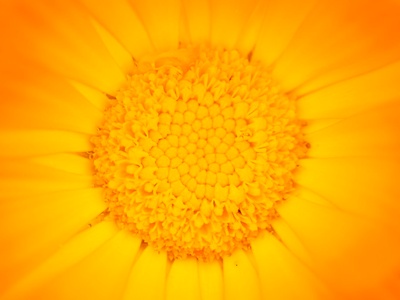
| Pot marigold | Calendula officinalis | Gardens, allotments, roadsides, cultivated landscapes | Jun–Sep |
| Siberian iris | Iris sibirica | Meadows, gardens, damp borders, riverbanks | May–Jun |
| Bogbean | Menyanthes trifoliata | Bogs, peatlands, shallow pools, northern and upland wet areas | May–Jul |
| Monkshood | Aconitum napellus | Mountain meadows, shady woods, uplands | Jul–Sep |
| Oxlip | Primula elatior | Damp meadows, shaded calcareous woods, lowlands and uplands | Apr–May |
| Star-of-Bethlehem | Ornithogalum umbellatum | Meadows, lawns, roadsides, old gardens, lowlands | May |
| Dog’s-tooth violet | Erythronium dens-canis | Deciduous woodlands, mountain slopes, parks | Mar–Apr |
| Meadow vetchling | Lathyrus pratensis | Meadows, roadside verges, pastures, lowlands | May–Jul |
Images and Descriptions
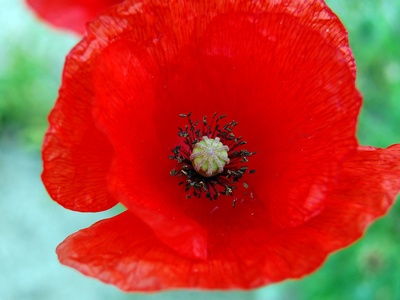
Poppy
Bright red, papery petals and black center make this field icon unmistakable. Look in crop edges and fallow fields in late spring–early summer. Often associated with remembrance and declining wildflower-rich farmland; thrives where soil is disturbed.
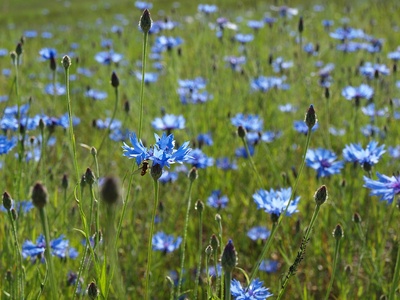
Cornflower
Intense blue, thistle-like flowerheads stand above grassy meadows. Once common in cereal fields, now mostly in margins and wildflower mixes. Easy to spot from a distance; a favorite of pollinators and symbolic of rural Poland.
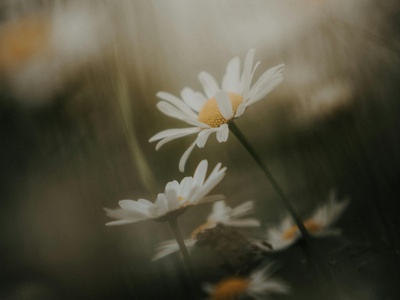
Oxeye daisy
White ray florets and yellow disk form classic daisy faces in summer meadows. Tall stems and coarse leaves help ID. Common in unimproved grassland and roadside verges; great for casual observers and photographers.
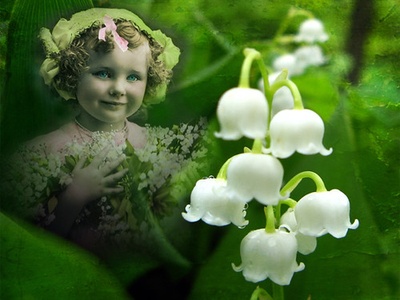
Lily of the valley
Delicate nodding bell-shaped white flowers on a low stalk with glossy leaves. Fragrant and poisonous; carpets woodland floors in late spring. Protected in some areas and beloved in Polish folklore and perfumery.
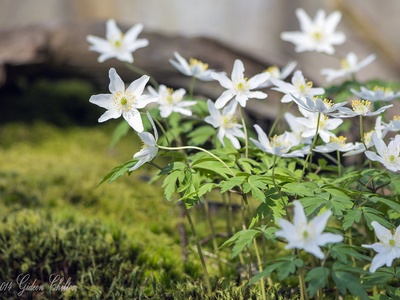
Wood anemone
Small white to pink-tinged flowers on slender stalks above divided leaves. Forms early-spring carpets in beech and oak woods. Flowers open on sunny days—great sign of spring woodland walks.
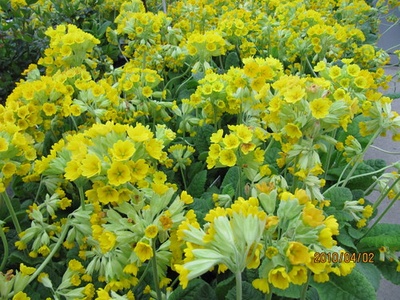
Cowslip
Umbels of bell-shaped yellow flowers on hollow stalks; leaves form a basal rosette. Look in old meadows and road verges in spring. Valued historically for medicine and honey production; local declines where meadows are lost.
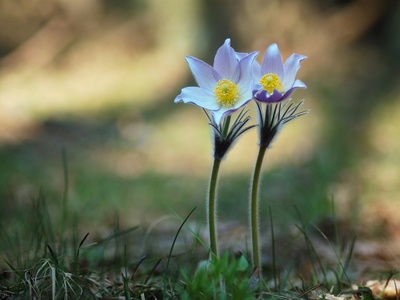
Pasque flower
Downy stems and nodding purple, cup-shaped flowers, opening early spring. Distinctive fuzzy seedheads follow bloom. A striking, protected species of dry grasslands—best seen on sunny spring days.
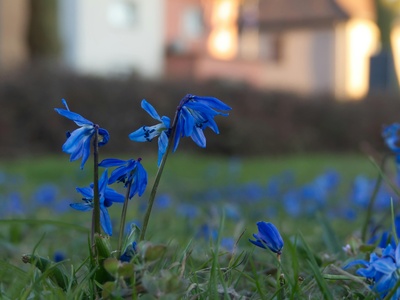
Spring squill
Small blue bell-like flowers in early spring above narrow leaves. Often in woodland clearings and old parks; similar to other blue bulbs but with two broad leaves—an early, cheerful sight after snowmelt.
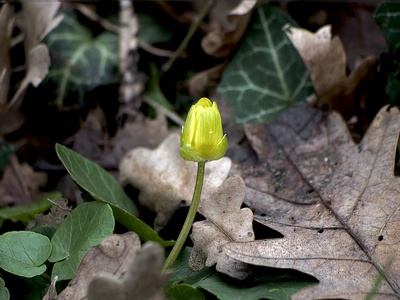
Lesser celandine
Shiny yellow buttercup-like flowers close to the ground on heart-shaped leaves. Blooms very early and forms dense carpets in damp places. Leaves later hide the flowers—watch for bright yellow in spring.
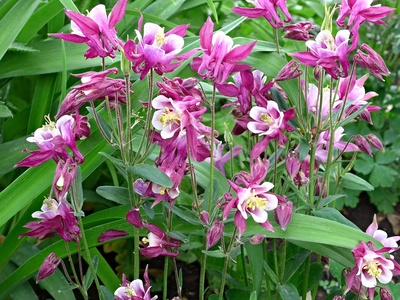
Woodland columbine
Distinctive spurred purple or blue flowers with nodding habit. Look on woodland margins and old homesteads. A classic cottage-garden species that also grows wild in some upland areas.
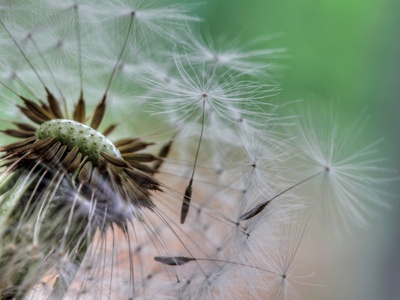
Dandelion
Familiar yellow composite flowerheads that open by day, turning to white seed clocks. Very common and often overlooked; excellent forage for early pollinators. Many similar dandelion species exist—this is the widespread common form.
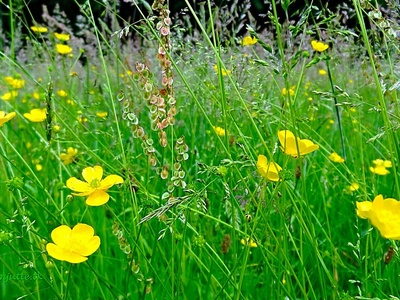
Meadow buttercup
Glossy, bright yellow, five-petaled flowers on erect stems; often in species-rich meadows. Likes unimproved grassland; painful sap if handled and reduces forage quality in high numbers.
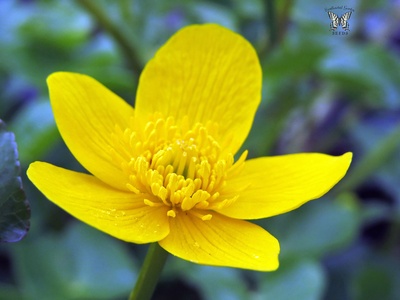
Marsh marigold
Large, shiny yellow bowl-shaped flowers on low stems in wet ground. One of the first wetland flowers in spring—look along ditches and springy meadows. Poisonous but visually striking.
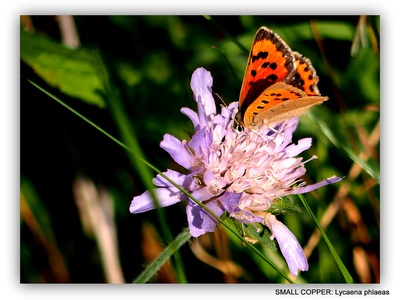
Field scabious
Pinkish-lilac pincushion flowerheads atop tall stems; attractive to butterflies and bees. Common in old meadows and roadside verges; forms loose clumps and seeds readily into grassy habitats.
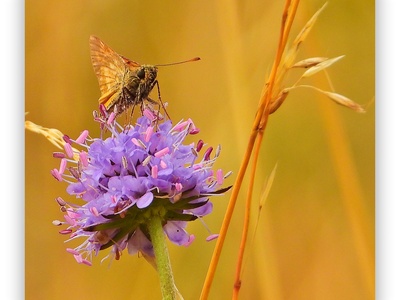
Devil’s-bit scabious
Rounded blue-violet flowerheads on unbranched stems. Important for marsh-dwelling butterflies (e.g., marsh fritillary). Found in damp, species-rich meadows—an indicator of good wet grassland habitat.
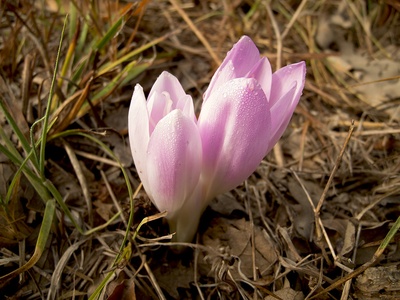
Autumn crocus (meadow saffron)
Large rosy-purple flowers appear in autumn on naked stems, leaves in spring. Toxic bulb-like corms make it risky to forage. Striking late-season bloom in hay meadows or damp grassland.
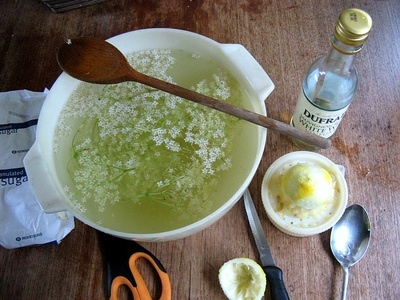
Elderflower
Flat clusters of fragrant white flowers high on a shrub or small tree. Widely used for syrups and cordials in Poland; look along hedges and field margins in late spring.
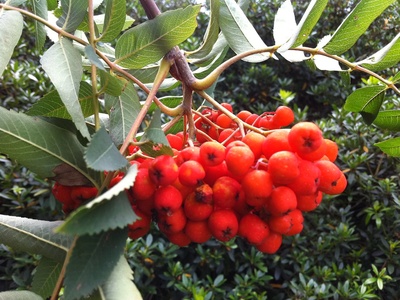
Rowan (mountain ash)
Clusters of small white flowers followed by bright orange-red berries. Common in uplands and urban plantings; easily spotted in spring and autumn—berries feed birds and are used for preserves.
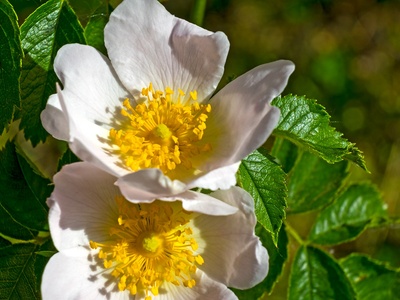
Dog rose
Single pale pink to white flowers with five petals, abundant hips in autumn. A classic hedgerow species providing nectar and fruit; easy to identify by arching stems and prickles.
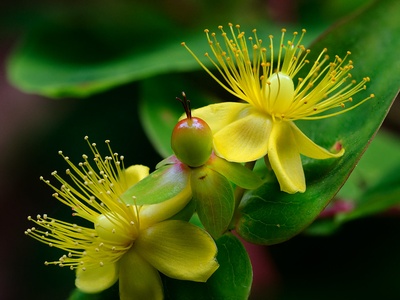
St John’s wort
Yellow five-petaled flowers with black dots along petals and translucent leaves. Used historically for herbal remedies; common in sunny, disturbed sites and meadows across Poland.
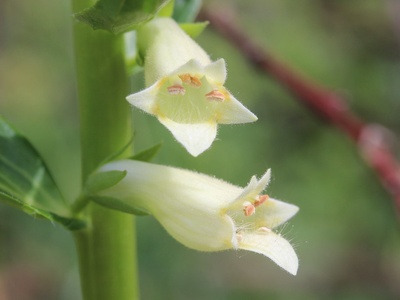
Yellow foxglove
Tall spikes of pale yellow tubular flowers spotted inside. Similar to pink foxglove but paler; poisonous. Found in montane meadows and shadier grassy places—striking and cautionary.
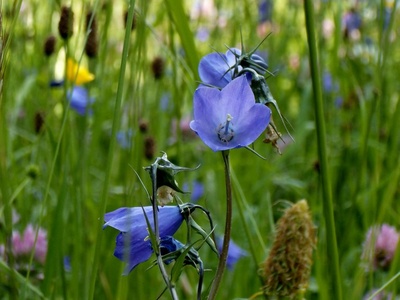
Peach-leaved bellflower
Large, pendent, bell-shaped blue or white flowers on erect stems. Common ornamental and wild in meadows; easily seen in parks and natural grasslands in summer.
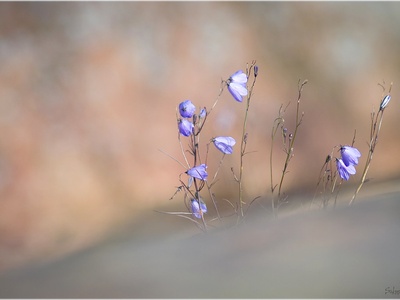
Harebell
Delicate nodding blue bells on wiry stems with narrow leaves. Prefers acidic, well-drained soils and upland areas; fragile appearance but widespread on exposed slopes.
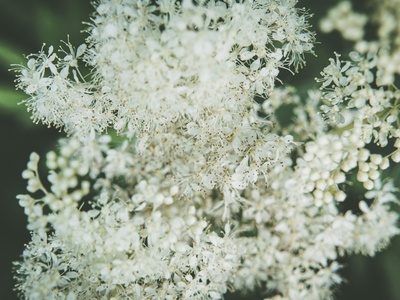
Meadowsweet
Dense clusters of creamy-white, sweetly scented flowers on tall stems in damp habitats. A common bog-edge plant used historically for flavorings and remedies; look for it in marshy meadows.
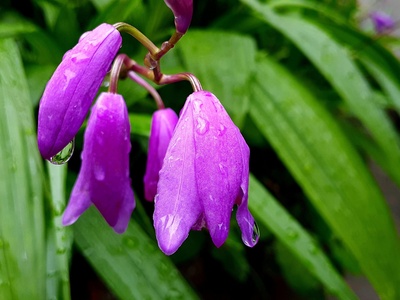
Early-purple orchid
Dense spike of purple flowers with spotted leaves near the base. Early-spring orchid of shady calcareous sites; distinctive lip shape and color make it a rewarding find for meadow walkers.
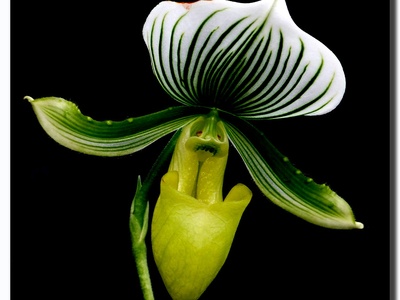
Lady’s slipper orchid
Large, yellow pouch-like labellum with mottled sepals—one of Europe’s showiest orchids. Rare and strictly protected in Poland; find it in undisturbed calcareous woods and meadows.
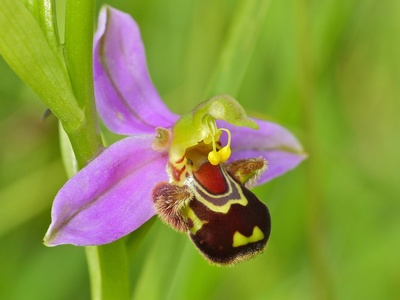
Bee orchid
Flowers mimic a bee, brown velvety lip with yellow markings and pink petals. Found on sunny, well-drained calcareous sites; fascinating poll-mimicry and easy to admire at close range.
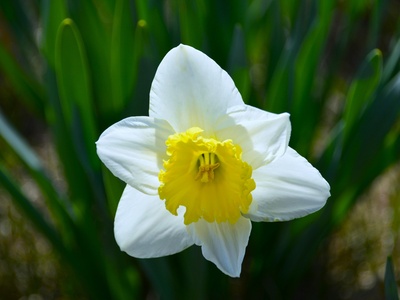
Wild daffodil
Classic pale yellow trumpet flowers nodding in spring. Look in old meadows and woodland edges; less common than cultivated forms but iconic in spring displays when present.
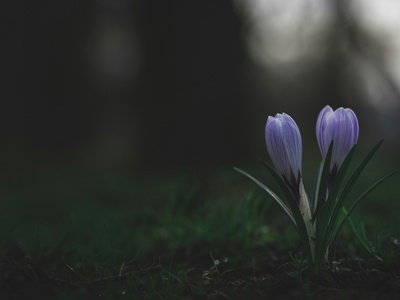
Spring crocus
Cup-shaped purple, white or striped flowers emerging from short stems early spring. Often in grassland or planted in parks; unmistakable short-lived spring bloomers.
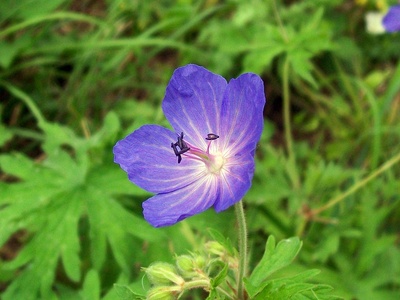
Meadow crane’s-bill
Large, deeply divided leaves and violet-blue five-petaled flowers on tall stems. A robust meadow geranium common in species-rich grasslands and upland meadows.
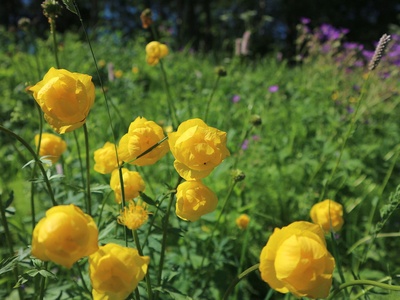
Globe flower
Spherical, glossy yellow flowers like small lanterns on stout stems. Prefers cool, wet alpine and subalpine meadows—easy to spot and common in mountain wetlands.
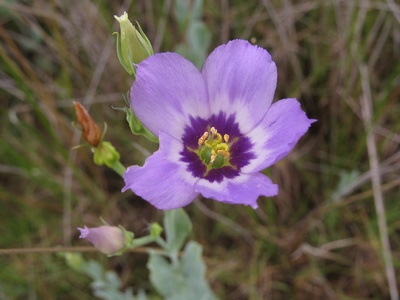
Marsh gentian
Deep blue trumpet flowers open across wet heath and bogs in late summer. Strikingly blue and relatively rare—an indicator of good-quality bog and wetland habitats.
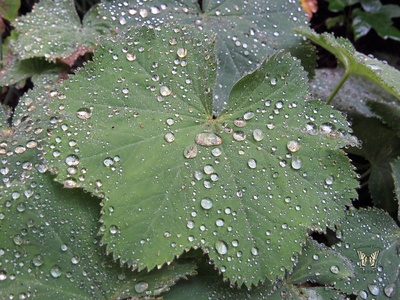
Lady’s mantle
Clusters of tiny greenish-yellow flowers above scalloped leaves that collect dew. Subtle but distinctive in grasslands and gardens; valued in folk remedies and as a meadow species.
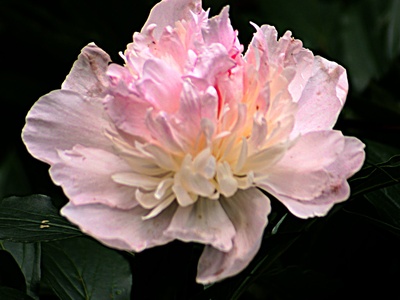
Garden peony
Large, often fragrant double flowers in many colors on stout stems. A staple of Polish cottage gardens and public parks; cultivated forms widely seen in town and country gardens.
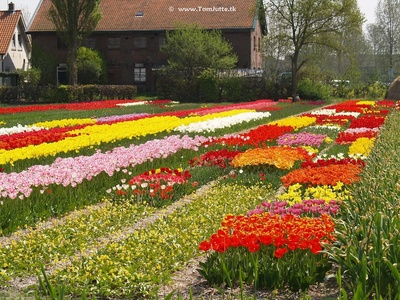
Garden tulip
Bold cup-shaped flowers in myriad colors on single stems. Planted widely in parks and private gardens across Poland for spring displays—easy to identify by symmetric petals and bulbous growth.
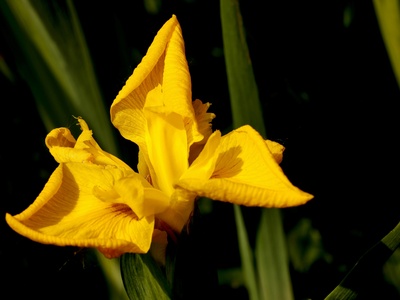
Yellow flag iris
Large bright yellow iris flowers with sword-like leaves at water edges. Common in wet habitats and garden ponds, a striking wetland plant often forming dense stands.
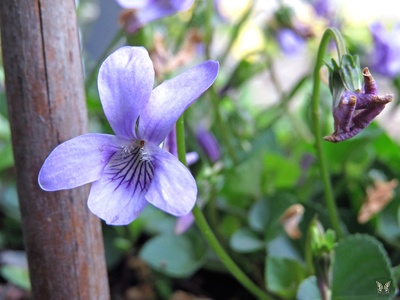
Sweet violet
Small fragrant purple or white flowers close to the ground above heart-shaped leaves. Early spring woodland and garden species prized for scent; often naturalized in parklands.
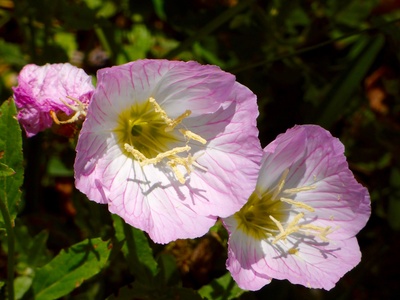
Evening primrose
Tall spikes of pale yellow, open-at-night flowers and sticky seed capsules. Naturalized and common in disturbed soils; flowers attract moths and appear widely in summer.
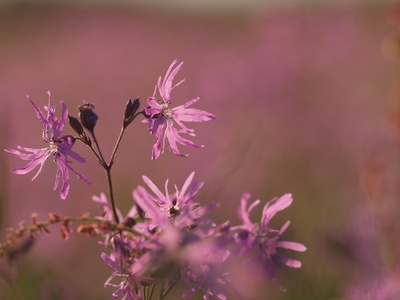
Ragged robin
Pink, deeply divided petals give a ragged star look atop slender stems. Prefers damp, flower-rich meadows—declining with meadow loss but still visible in traditional haylands.
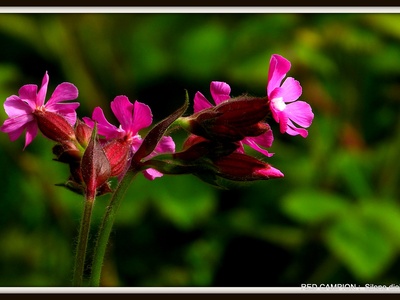
Red campion
Vivid pink to red tubular flowers with five notched petals in shady places. Common on woodland edges and hedgebanks; bright splash of color in late spring and summer.
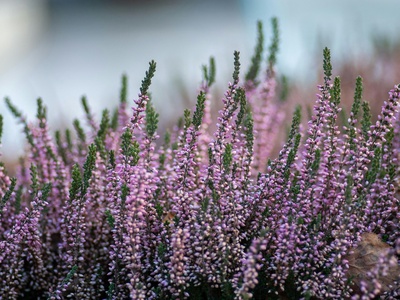
Heather
Masses of tiny bell-shaped pinkish flowers cover low evergreen shrubs in late summer. Dominant on heath and moorland, important for pollinators and characteristic of open acidic landscapes.
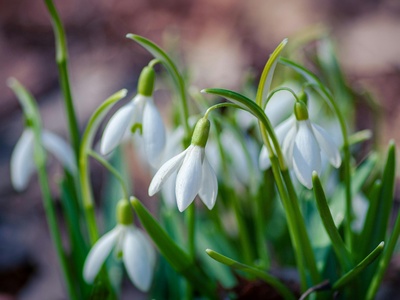
Snowdrop
Delicate drooping white bells with green markings signal late winter to early spring. Often found in ancient woodlands and old gardens; one of Poland’s earliest and most treasured spring flowers.
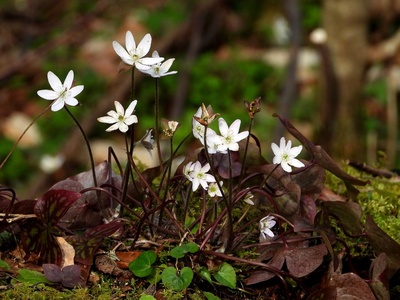
Hepatica
Blue, purple or white three-lobed petals above hairy stems in spring. Early woodland bloom with distinctive lobed leaves; appears before canopy leaf-out in calmer spring weather.
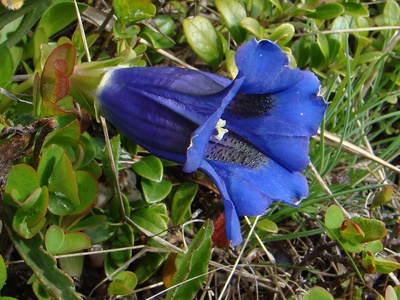
Stemless gentian
Large deep-blue, bowl-shaped flowers close to the ground in mountain grasslands. A showy high-altitude gentian of rocky alpine pastures—spectacular in mountain hikes when in full bloom.
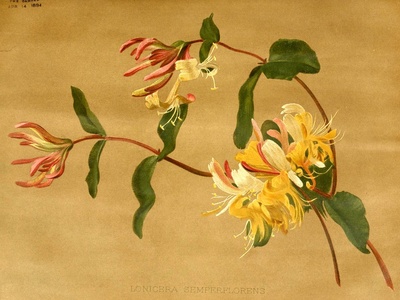
Honeysuckle
Fragrant tubular flowers turning from cream to yellow-red; often twines through hedges and shrubs. Attracts pollinators and hummingbird moths; scent strongest in evenings during late spring and early summer.
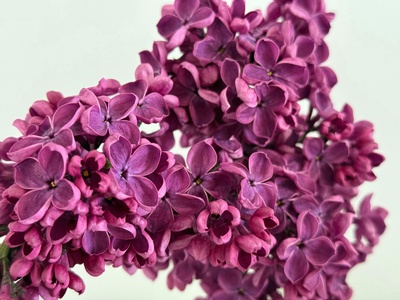
Common lilac
Dense panicles of highly fragrant lilac-purple or white flowers in mid-spring. A traditional garden shrub throughout Poland, signaling late spring and often planted around houses and public spaces.
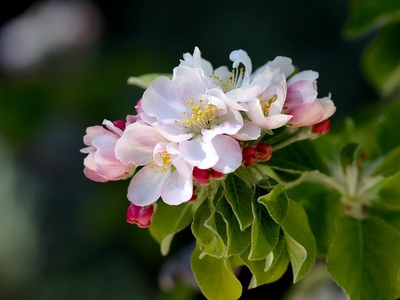
Apple blossom
Clusters of white to pink-suffused flowers on fruit trees in spring. Widely seen in cultivated orchards and old village gardens; blossoms herald fruit season and rural springtime.
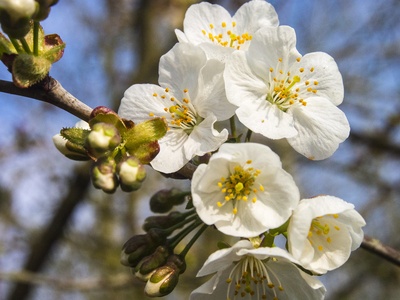
Wild cherry
Umbels of white spring flowers on trees; followed by red cherries. Common in mixed woodlands and planted orchards; spring blossom stands out along roads and field edges.
Blackthorn (sloe)
Early white blossom on dense, thorny shrubs before leaves appear. Important for spring pollinators and a classic hedgerow species; later produces famed sloe berries for preserves and liqueurs.
Hawthorn
Masses of frothy white blossom in late spring on thorny trees and shrubs. Dominant hedgerow species providing nectar and fruits; a classic rural spring spectacle.
Sunflower
Large yellow composite heads that track the sun when young; widely grown as a crop and ornamental. Very conspicuous in summer agricultural landscapes and popular with photographers and visitors.
Pot marigold
Bright orange-yellow daisy-like flowers used in gardens and medicinal folk remedies. Often sown in vegetable plots and cottage gardens; conspicuous and long-blooming through summer.
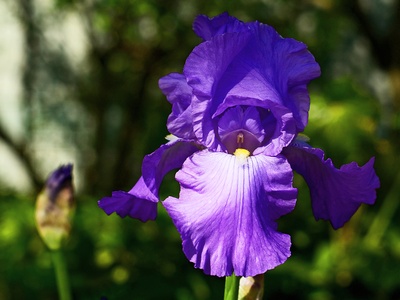
Siberian iris
Tall stems with elegant blue to violet falls and sword-like leaves; commonly grown and sometimes naturalized near water. Graceful summer blooms that prefer moist soils and open sunlight.
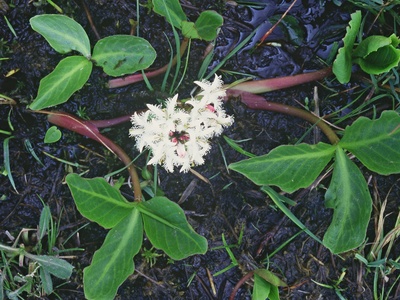
Bogbean
Waxy white to pinkish clustered flowers atop floating or emergent foliage. Characteristic of acidic bogs and marshes; attractive to insects and an indicator of intact peatland habitat.
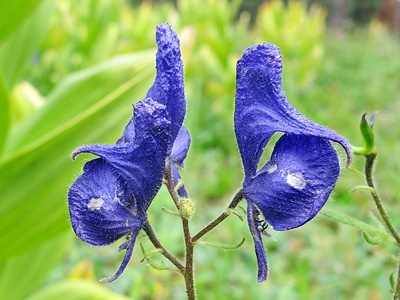
Monkshood
Tall spires of deep blue hood-shaped flowers; highly poisonous. Found in moist mountain meadows and forest edges—striking but dangerous to handle. Often associated with alpine and subalpine habitats.
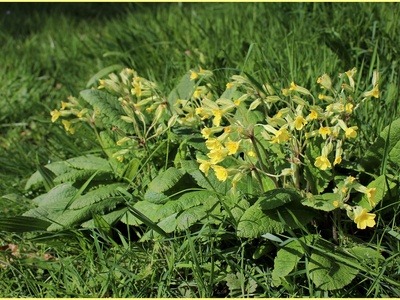
Oxlip
Clusters of pale yellow, cup-shaped flowers on short stalks in spring. Less common than cowslip, found in damp, semi-shaded calcareous habitats—gentle and understated spring color.
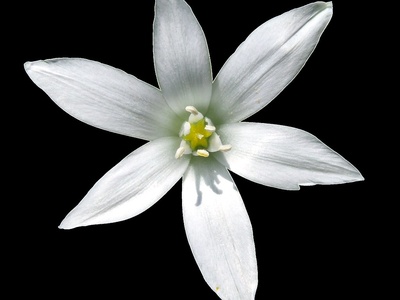
Star-of-Bethlehem
Umbels of white star-shaped flowers with green central stripe; appears in lawns and meadows in late spring. Often forms colonies from bulbs—noticeable in open grassy places.
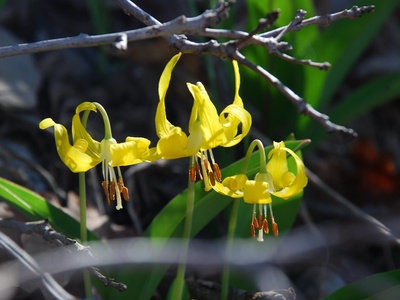
Dog’s-tooth violet
Nodding pink to purple lilies with mottled leaves—early spring woodland delight. Scattered in shady, humus-rich woodland and mountain parks; a delicate, low-growing spring specialist.
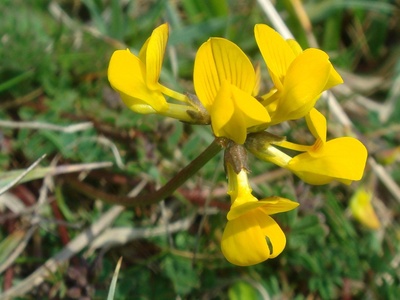
Meadow vetchling
Pea-like yellow flowers along climbing stems with tendrils. Common in species-rich meadows and field margins; fragrant on warm days and attractive to bumblebees and butterflies.