Colombia’s varied climates and long coastline create one of the richest patchworks of edible plants in the world, from Andean highlands to Amazon lowlands and Caribbean shores. Markets and home gardens brim with flavors many travelers and cooks are still discovering.
There are 64 Fruits of Colombia, ranging from Abiu to Zapote (Sapote blanco/other sapotes). For each entry you’ll find below the Scientific name,Region(s),Season (months) so you can see where a fruit grows and when it’s typically available.
How can I tell which Colombian fruits are in season where I live?
Look at the Season (months) and Region(s) columns to match a fruit’s harvest times to your area; coastal and lowland species often fruit at different times than Andean varieties. If you’re buying locally, ask market vendors about recent arrivals and check specialty stores for frozen or preserved options when fresh fruit is out of season.
Can I find these fruits outside Colombia and how are they usually sold?
Many appear in specialty Latin American or tropical produce markets, and some are exported fresh, frozen, canned, or turned into pulps and jams; less common varieties may only be available as dried, frozen, or in botanical gardens and seed exchanges.
Fruits of Colombia
| Name | Scientific name | Region(s) | Season (months) |
|---|---|---|---|
| Mango | Mangifera indica | Caribbean, Pacific, Magdalena, Andean foothills | Mar–Aug (many varieties Year-round) |
| Banano | Musa acuminata | Caribbean, Magdalena, Urabá, Pacific | Year-round |
| Plátano | Musa × paradisiaca | Caribbean, Pacific, Andean valleys | Year-round |
| Papaya | Carica papaya | Caribbean, Andean valleys, Orinoquía | Year-round |
| Piña | Ananas comosus | Magdalena, Caribbean, Valle del Cauca | Year-round (peaks Apr–Aug) |
| Coco | Cocos nucifera | Caribbean coast, Pacific coast | Year-round |
| Aguacate | Persea americana | Andean, Eje Cafetero, Caribbean foothills | Year-round |
| Tomate de árbol | Solanum betaceum | Andean highlands, Cundinamarca, Antioquia | Year-round (peaks Mar–Nov) |
| Lulo (naranjilla) | Solanum quitoense | Andean foothills, Eje Cafetero, Antioquia | Year-round (peaks Sep–May) |
| Uchuva (physalis) | Physalis peruviana | Andean highlands, Boyacá, Nariño | Year-round |
| Maracuyá | Passiflora edulis | Caribbean, Magdalena, Andean valleys | Year-round (peaks Apr–Sep) |
| Granadilla | Passiflora ligularis | Andean valleys, Cundinamarca, Boyacá | Year-round (peaks Aug–May) |
| Curuba | Passiflora mollissima | Andean highlands, Eje Cafetero, Antioquia | Year-round (peaks Sep–May) |
| Guayaba | Psidium guajava | Caribbean, Andean valleys, Pacific | Year-round |
| Guanábana (soursop) | Annona muricata | Caribbean, Pacific, Andean foothills | Year-round |
| Cherimoya | Annona cherimola | Andean highlands, Boyacá, Cundinamarca | Nov–May |
| Anón (guanábana pequeña / sugar-apple) | Annona squamosa | Caribbean, Magdalena, Andean foothills | Nov–May |
| Atemoya | Annona × atemoya | Andean foothills, Valle, Magdalena | Nov–May |
| Lúcuma | Pouteria lucuma | Andean valleys, Boyacá, Cundinamarca | Aug–Dec |
| Mamey (zapote) | Pouteria sapota | Caribbean lowlands, Orinoquía, Pacific | Year-round (peaks Mar–Sep) |
| Caimito (star apple) | Chrysophyllum cainito | Caribbean, Pacific, Magdalena | Year-round |
| Abiu | Pouteria caimito | Amazon, Pacific lowlands | Nov–Apr |
| Mamoncillo (quenepa) | Melicoccus bijugatus | Caribbean coast, Magdalena | Jun–Oct |
| Pejibaye (chontaduro) | Bactris gasipaes | Pacific coast, Chocó, Cauca | Aug–Dec |
| Guama (ice-cream bean) | Inga edulis | Andean foothills, Amazon, Magdalena | Year-round |
| Borojó | Borojoa patinoi | Pacific (Chocó), Urabá | Year-round (peaks Jul–Dec) |
| Naranja (orange) | Citrus sinensis | Valle del Cauca, Tolima, Antioquia, Magdalena | Year-round (peaks Jun–Oct) |
| Mandarina (tangerine) | Citrus reticulata | Valle, Magdalena, Antioquia | May–Sep |
| Limón (lima/tahiti) | Citrus × latifolia | Caribbean, Valle, Orinoquía | Year-round |
| Carambolo (arándano/heartfruit) | Averrhoa carambola | Caribbean, Magdalena, Pacífico | Year-round (peaks Apr–Aug) |
| Tamarindo | Tamarindus indica | Caribbean, Magdalena, Orinoquía | Nov–Apr |
| Nance | Byrsonima crassifolia | Caribbean, Pacific lowlands | Apr–Jul |
| Jobo (hog plum) | Spondias mombin | Caribbean, Pacific, Orinoquía | May–Aug |
| Ciruela (jocote) | Spondias purpurea | Caribbean, Magdalena, Pacific | Jun–Sep |
| Pitaya / Pitahaya (dragon fruit) | Hylocereus undatus | Caribbean, Santander, Tolima | Jun–Nov |
| Uva | Vitis vinifera | Boyacá, Cundinamarca, Tolima | Jul–Oct |
| Fresa (strawberry) | Fragaria × ananassa | Cundinamarca, Boyacá, Antioquia | Dec–May |
| Mora (Andean blackberry) | Rubus glaucus | Andean highlands, Boyacá, Antioquia | Jun–Dec |
| Açaí | Euterpe precatoria | Amazon, Pacific lowlands | Year-round (peaks May–Oct) |
| Camu camu | Myrciaria dubia | Amazon, Putumayo, Caquetá | Jun–Sep |
| Cupuaçu | Theobroma grandiflorum | Amazon, Putumayo, Caquetá | Jul–Dec |
| Anón (atemoya/annonas hybrid repeated?) | Annona spp. | Andean foothills, Caribbean | Nov–May |
| Cashew apple | Anacardium occidentale | Caribbean, Magdalena, Orinoquía | Apr–Jun |
| Yaca (jackfruit) | Artocarpus heterophyllus | Caribbean, Pacific, Magdalena | May–Sep |
| Rambután | Nephelium lappaceum | Valle, Antioquia, Pacific | Jun–Sep |
| Níspero (loquat) | Eriobotrya japonica | Andean highlands, Valle | Apr–Jun |
| Pitanga (Surinam cherry) | Eugenia uniflora | Caribbean, Magdalena, Pacific | May–Aug |
| Guayabana (Myrciaria cf. floribunda?) | Myrciaria species | Amazon, Pacific lowlands | Varies by species |
| Zapote (Sapote blanco/other sapotes) | Various (Pouteria, Manilkara) | Caribbean, Pacific, Orinoquía | Year-round (peaks vary) |
| Guanábana pequeña (soursop relatives) | Annona spp. | Caribbean, Pacific | Nov–May |
| Granadillo (pomegranate-like local fruits?) | Various native species | Amazon, Orinoquía | Seasonal regional |
| Tomate de árbol silvestre (wild tamarillo relatives) | Solanum spp. | Andean slopes, páramos | Sep–May |
| Arazá (Amazon citrus-like) | Eugenia stipitata? (synonym?) | Amazon, Putumayo | Jun–Sep |
| Pithaya amarilla (yellow pitaya) | Hylocereus megalanthus | Caribbean, Santander | Jun–Nov |
| Mamey colorado (local sapote variants) | Pouteria spp. | Caribbean, Orinoquía | Year-round |
| Chonta (palm heart fruit vs chontaduro) | Bactris/Bactris relatives | Pacific, Chocó | Aug–Dec |
| Guayaba agria (sour guava varieties) | Psidium guajava varieties | Caribbean, Pacific | Year-round |
| Carambola amarga (wild starfruit) | Averrhoa carambola wild types | Caribbean, Pacific | Apr–Aug |
| Borojo chico (regional varieties) | Borojoa spp. | Pacific, Chocó | Year-round |
| Araza (Camu-like Amazon fruit) | Eugenia stipitata | Amazon, Putumayo | Jun–Sep |
| Mora de Castilla (blackberry cultivar) | Rubus glaucus var. | Andean highlands | Jun–Dec |
| Guava hybrid preserves fruit (local cultivars) | Psidium hybrids | Caribbean, Andean valleys | Year-round |
| Pacay / guama silvestre (Inga spp. variants) | Inga spp. | Andean slopes, Amazon foothills | Year-round |
| Pequi? (not common — excluded) | — | — | — |
Images and Descriptions
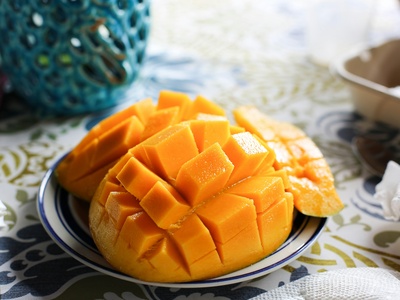
Mango
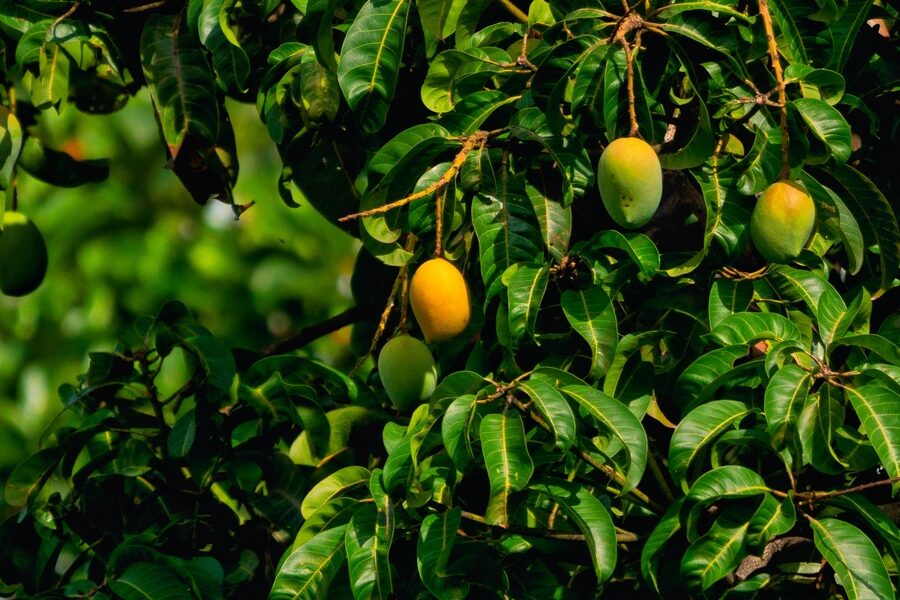
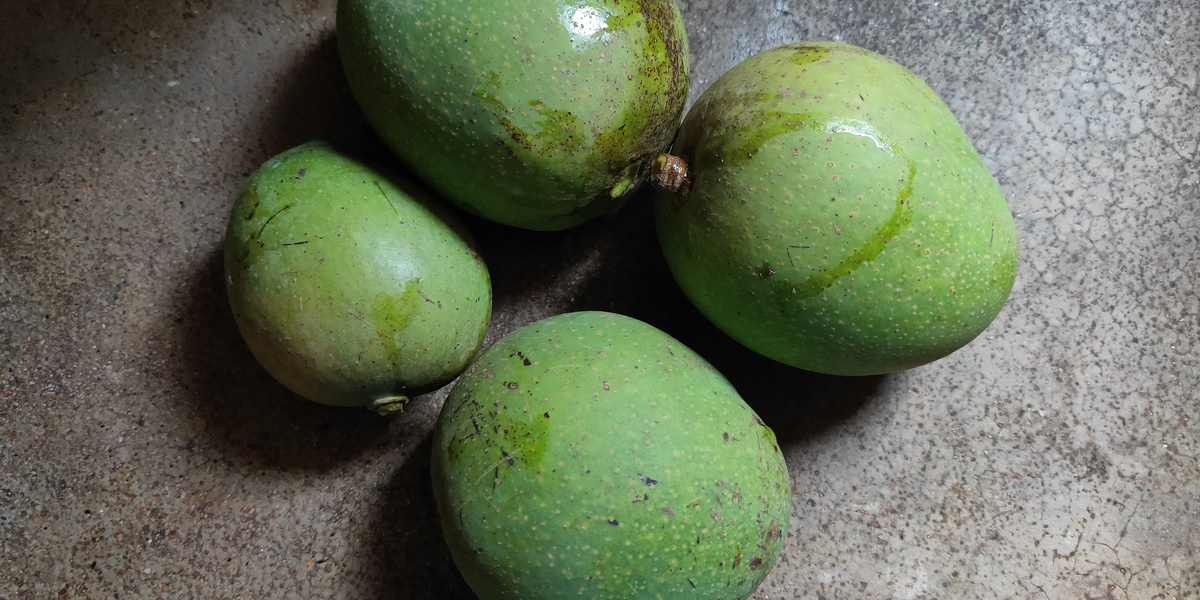
Sweet, fibrous tropical fruit with golden or red skin; flavor ranges from honeyed to tangy. Eaten fresh, in juices, salsas, ácidas and dessicated; a ubiquitous market fruit and staple of Colombian street snacks and desserts.
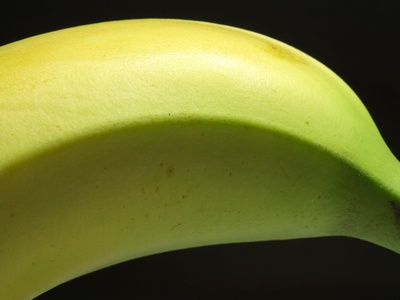
Banano
Soft, sweet yellow banana sold as a fresh snack and in smoothies. Major export and domestic staple, eaten raw, fried, or blended into batidos; available in many local cultivars and sizes across Colombian markets.
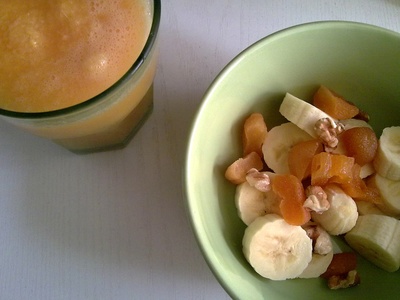
Plátano
Starchy plantain used cooked rather than raw: fried, boiled, mashed or as patacones. Larger and firmer than dessert banana; essential in Colombian savory dishes and street food across regions.
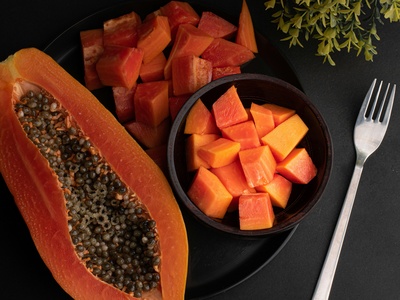
Papaya
Large oblong fruit with orange flesh, sweet and mellow. Eaten fresh or in juices and salads, used in digestive remedies and breakfast fruit plates; common in markets and roadside stalls.
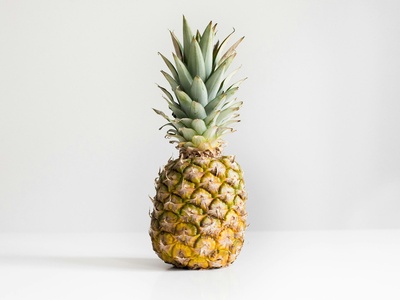
Piña
Tropical, tangy and very aromatic fruit with golden flesh. Eaten fresh, in juices, sobremesas and cooked dishes; widely cultivated and sold at markets and fruit stands.
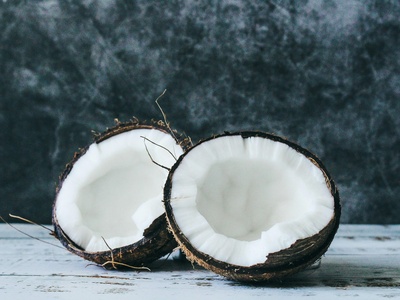
Coco
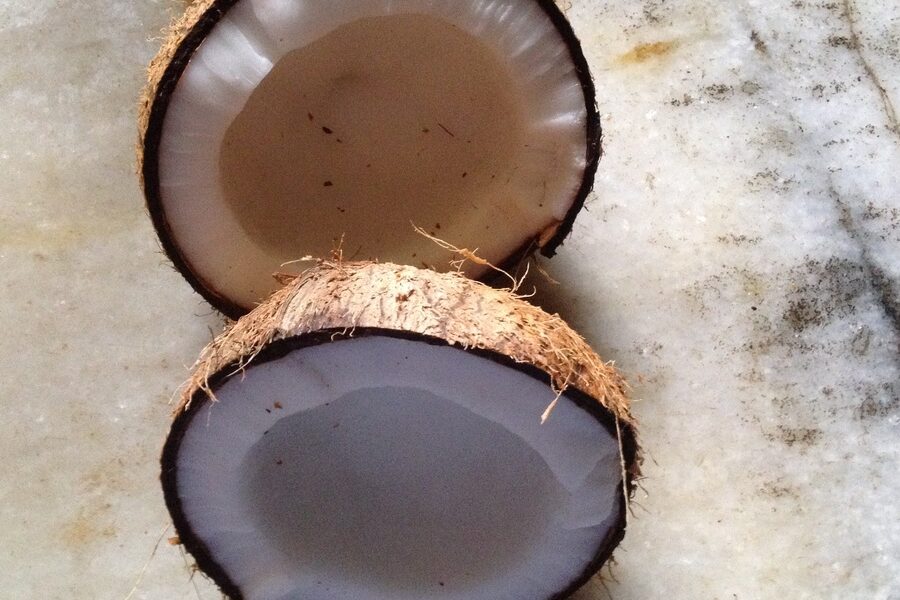
Large fibrous nut with sweet coconut water and creamy white flesh. Used fresh, grated in cooking, coconut milk and beverages; a coastal staple and ingredient in Afro‑Pacific and Caribbean cuisines.
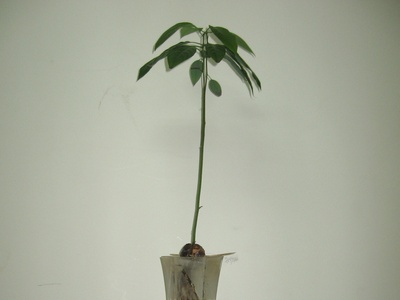
Aguacate
Creamy, buttery fruit with rich texture and mild flavor. Eaten fresh, in salads, arepas, guacamole-style condiments, and as an accompaniment to many Colombian meals; many local cultivars vary in size and oiliness.
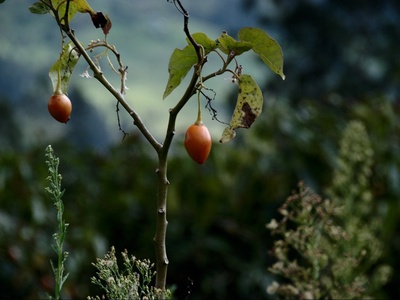
Tomate de árbol
Acidic, egg-shaped orange fruit with bright tart flavor used in juices, sauces and stews. A popular breakfast and juice ingredient; often sweetened for batidos and desserts.
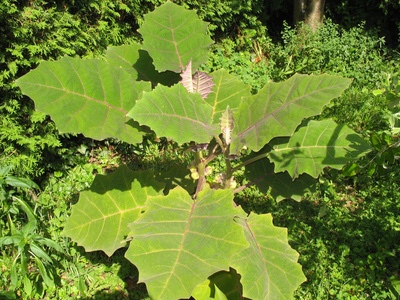
Lulo (naranjilla)
Small orange-green fruit with citrusy, slightly tomato-like tartness. Central to Colombian juices (jugos) and sauces; prized for refreshing flavor and common in markets and roadside vendors.
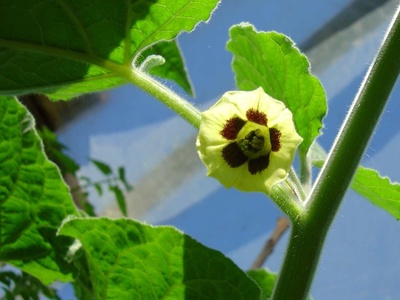
Uchuva (physalis)
Small golden berry with sweet‑tart tropical taste and papery husk. Eaten fresh, candied or in desserts and jams; increasingly exported and popular in salads, chocolates and gourmet uses.
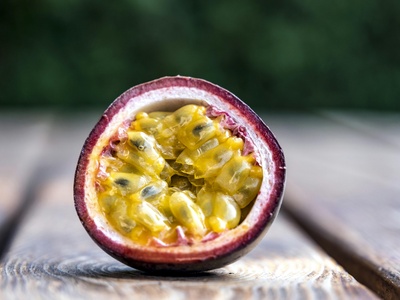
Maracuyá
Aromatic passionfruit with seedy pulp that’s intensely tart and fragrant. Used in juices, desserts, sauces and cocktails; two common colors (purple and yellow) with slightly different flavor profiles.
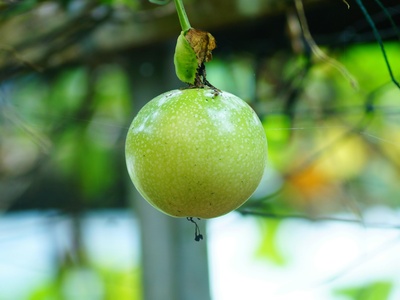
Granadilla
Round, orange passionfruit with sweet, jelly-like pulp and crunchy seeds. Eaten chilled, spooned from the shell, used in desserts and smoothies; milder and sweeter than maracuyá.
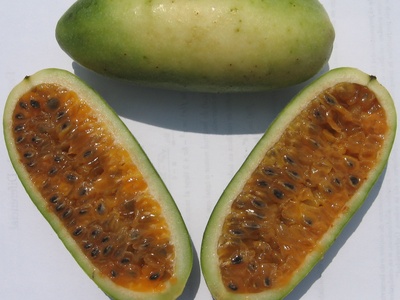
Curuba
Elongated passionfruit with tangy, perfumed pulp used in fresh juices, ice creams and desserts. Popular in mountain markets and traditional beverages for its aromatic citrusy profile.
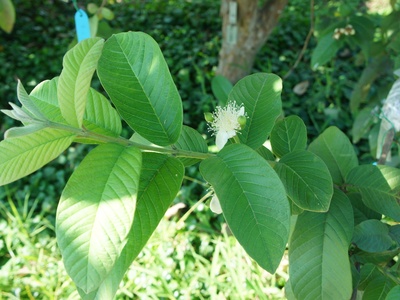
Guayaba
Fragrant green fruit with pink or white flesh, sweet‑tart and grainy texture. Eaten fresh, in jams, bocadillos, juices and desserts; a ubiquitous backyard and market fruit cherished for aroma and versatility.
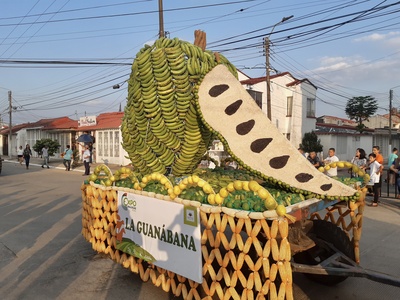
Guanábana (soursop)
Large spiny fruit with soft white pulp, creamy texture and sweet‑tart tropical flavor. Used in smoothies, desserts and traditional remedies; prized for its aromatic, custard-like flesh.
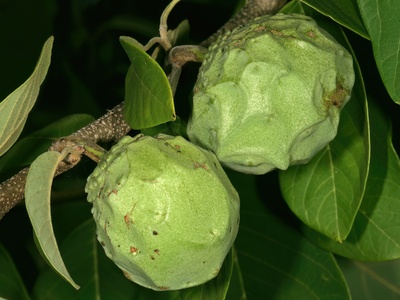
Cherimoya
Green, scaly fruit with sweet, custardy white pulp tasting of banana, pineapple and vanilla. Eaten fresh or in desserts; prized in highland markets for delicate aroma and creamy texture.
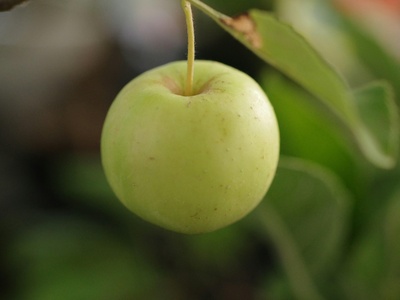
Anón (guanábana pequeña / sugar-apple)
Segmented green fruit with fragrant, sweet creamy pulp and black seeds. Eaten fresh, scooped out with a spoon, used in traditional desserts and drinks.
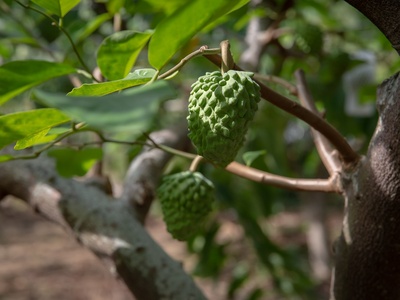
Atemoya
Hybrid of cherimoya and sugar‑apple with smooth skin and aromatic, sweet custard-like pulp. Popular fresh or in ice creams and local desserts for its complex tropical flavors.
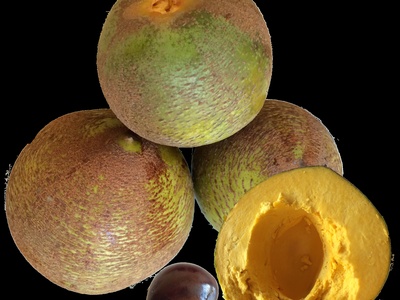
Lúcuma
Dry, starchy fruit with golden flesh and caramel‑maple flavor. Widely used as a frozen‑dessert flavor, ice cream and in traditional sweets; an iconic Andean ingredient prized for its unique taste.

Mamey (zapote)
Large reddish‑orange flesh with sweet, pumpkiny‑apricot flavor and creamy texture. Eaten fresh, in milkshakes and desserts; popular in coastal markets and tropical fruit stands.
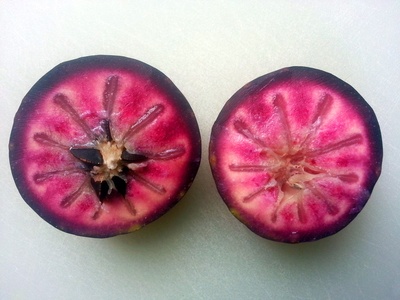
Caimito (star apple)
Round fruit with glossy purple or green skin and sweet, milky pulp. Eaten fresh, spooned from the rind; valued in coastal regions for its smooth texture and delicate sweetness.
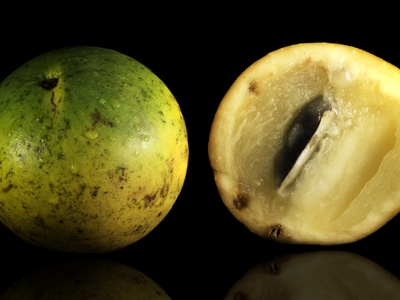
Abiu
Yellow, glossy fruit with translucent, sweet jelly-like pulp tasting of caramel and vanilla. Eaten fresh or in desserts; a lesser-known Amazonian treat sold in regional markets.

Mamoncillo (quenepa)
Small green fruit with tangy-sweet flesh surrounding a seed. Eaten by cracking the skin and sucking the pulp; a common coastal snack and seasonal favorite at beaches and markets.
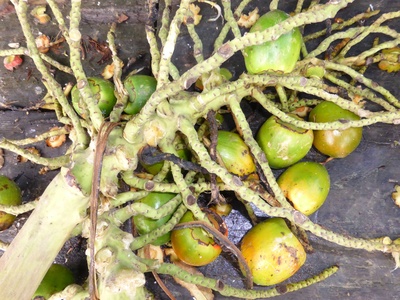
Pejibaye (chontaduro)
Small orange palm fruit with starchy flesh eaten boiled or roasted with salt. A traditional Afro‑Pacific snack and side dish, often sold warm by street vendors.
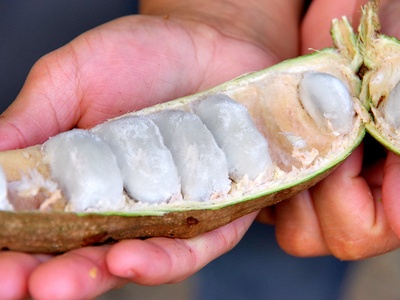
Guama (ice-cream bean)
Long pods filled with cottony sweet pulp tasting like vanilla or cotton candy. Eaten fresh from the pod; common along roadsides and in rural markets as a refreshing snack.
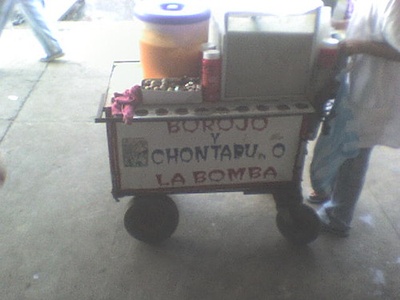
Borojó
Large brown fruit with pulpy, rich, tangy-sweet flesh used in traditional energy drinks and local remedies. Highly prized in Pacific coastal cuisine for its reputed nutritional properties.
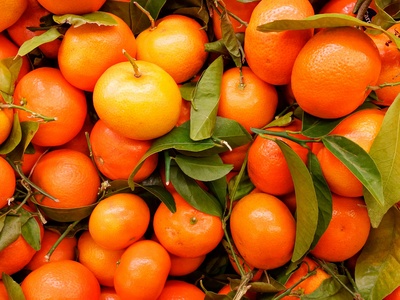
Naranja (orange)
Sweet citrus fruit eaten fresh or juiced. A breakfast staple and common component of juices, desserts and cooking; widely grown across warm valleys and foothills.
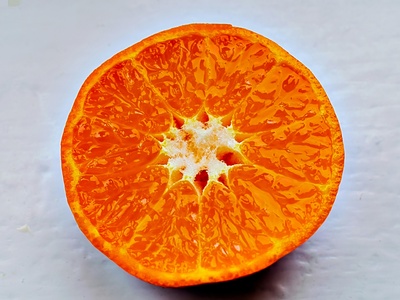
Mandarina (tangerine)
Small, easy‑peel citrus with sweet, aromatic flavor. Eaten fresh or juiced; popular snack and used in desserts, salads and local sweets across Colombian markets.

Limón (lima/tahiti)
Tart, juicy citrus used for ceviches, drinks, marinades and condiments. Essential in Colombian cooking and beverages; multiple lime and lemon types are available depending on the region.
Carambolo (arándano/heartfruit)
Star-shaped yellow fruit when sliced, crisp with a sweet‑tart flavor. Eaten fresh, in salads and juices; ornamental appearance makes it popular in markets and platings.

Tamarindo
Pod‑like fruit with sticky sweet‑tart pulp used in aguas frescas, candies and sauces. Common snack and culinary ingredient, especially in coastal and lowland regions.
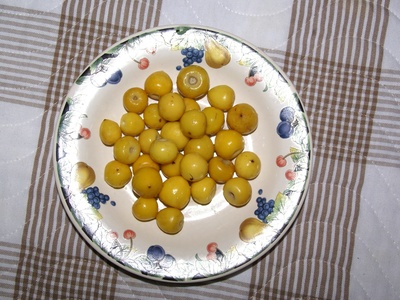
Nance
Small yellow‑orange fruit with strong, pungent sweet‑tart flavor eaten fresh, pickled or in preserves and beverages. A traditional regional fruit often found in rural markets and street stalls.
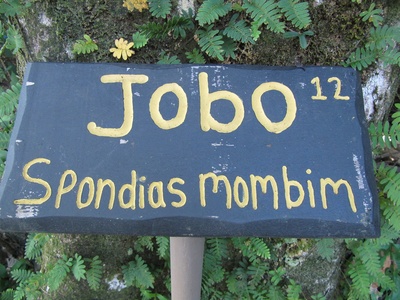
Jobo (hog plum)
Tart orange fruit with fibrous flesh used fresh, in juices, preserves and fermented drinks. Popular traditional snack and ingredient in coastal and lowland cuisines.

Ciruela (jocote)
Small plum-like fruit with sweet‑tart flavor, often eaten fresh, pickled, or made into jams. A seasonal favorite in coastal regions and village markets.
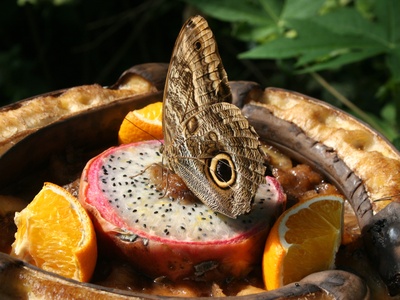
Pitaya / Pitahaya (dragon fruit)
Brightly colored cactus fruit with mildly sweet, kiwi-like flesh speckled with tiny seeds. Eaten fresh, in smoothies and desserts; increasingly grown for local markets and export.
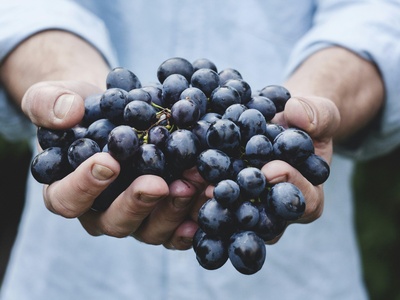
Uva
Table grapes grown in highland valleys with sweet, juicy berries. Eaten fresh, in wines and juices; local vineyards supply regional markets alongside imported varieties.

Fresa (strawberry)
Juicy red berries with sweet‑tart flavor, widely grown in Andean highlands. Eaten fresh, in desserts, jams and juices; a common market fruit prized for freshness.
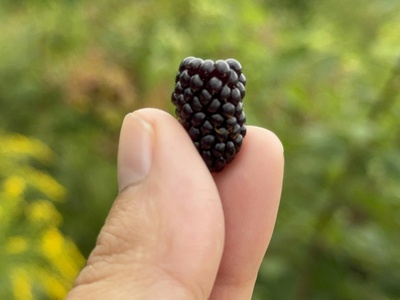
Mora (Andean blackberry)
Dark, juicy blackberry with sweet-tart flavor used in juices, jellies, desserts and buñuelos. A key Andean fruit for batidos and traditional sweets, sold widely in mountain markets.
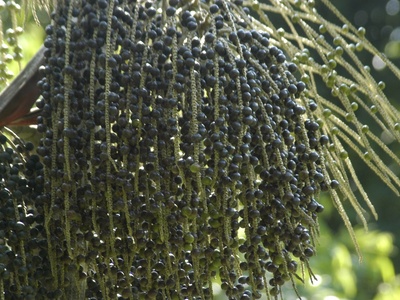
Açaí
Small dark purple palm berry with earthy, tart flavor eaten as pulp or in bowls. Valued for nutrition and used recently in beverages and blended bowls in urban markets.
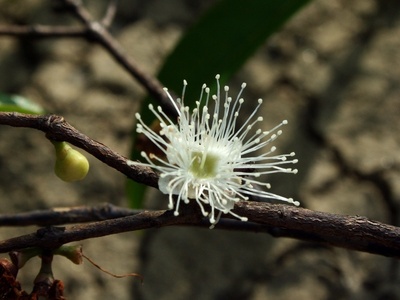
Camu camu
Small sour red berry extremely high in vitamin C. Used in juices, supplements and traditional remedies; mostly found in Amazonian markets and increasingly processed for wider sale.
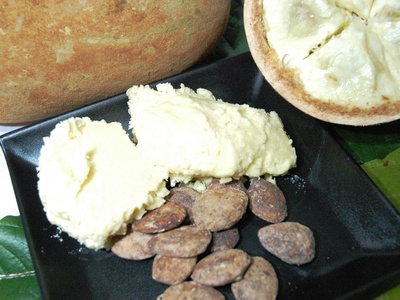
Cupuaçu
Brown oblong fruit with creamy, tropical pulp tasting of chocolate‑pineapple. Used in sweets, jams and cosmetics; more common in Amazonian regions and specialty markets.
Anón (atemoya/annonas hybrid repeated?)
Sweet, custard-like fruit from Annona species with fragrant pulp used fresh or in desserts. Local names vary; commonly sold in regional markets for dessert preparations.

Cashew apple
Fleshy, bright red or yellow accessory fruit attached to cashew nut with sweet‑tart, astringent flavor. Eaten fresh or made into juices and preserves; popular in coastal areas when in season.
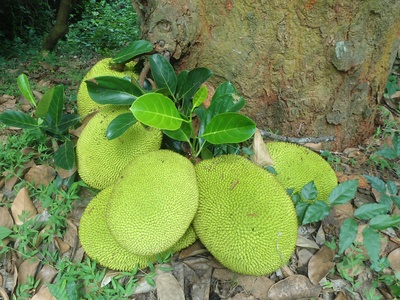
Yaca (jackfruit)
Massive fruit with fibrous sweet flesh used fresh, in desserts or cooked as a starchy vegetable alternative. Increasingly grown and sold in tropical lowland markets.
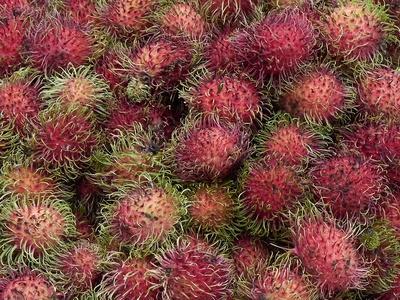
Rambután
Fuzzy red tropical fruit with translucent, mildly sweet flesh similar to lychee. Grown in some Colombian tropical zones and sold seasonally in markets and specialty stalls.
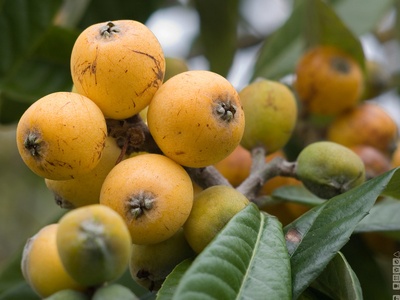
Níspero (loquat)
Small golden fruit with sweet‑tart flesh resembling peach and citrus. Eaten fresh, made into jams and desserts; common in cooler highland orchards and farmers’ markets.
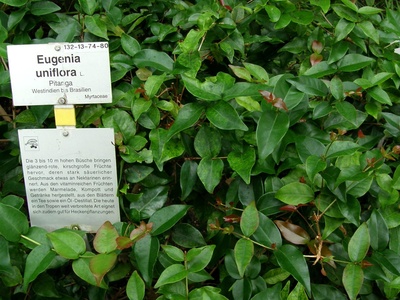
Pitanga (Surinam cherry)
Small ribbed cherry-like fruit with aromatic, tart-sweet flavor eaten fresh, in jams or as ornamental harvest. Found in local gardens and some markets, especially in coastal areas.
Guayabana (Myrciaria cf. floribunda?)
Small tropical Myrtaceae fruits sold regionally with sweet to tart flavors used fresh or in local preserves; availability is mostly regional in Amazon and Pacific markets.
Zapote (Sapote blanco/other sapotes)
Several smooth, sweet tropical fruits called zapote with creamy textures and flavors ranging from pumpkin to sweet potato; used fresh, in shakes and desserts.
Guanábana pequeña (soursop relatives)
Smaller Annona species related to soursop with sweet—often slightly acidic—custard pulp. Eaten fresh or blended into beverages and desserts; commonly sold in coastal markets.
Granadillo (pomegranate-like local fruits?)
Small localized fruits sold in Amazon/Orinoquía markets with tart or sweet pulp used fresh or in traditional preparations; availability depends on region and indigenous use.
Tomate de árbol silvestre (wild tamarillo relatives)
Wild relatives of cultivated tomate de árbol found in mountain markets, used like tamarillo for juices and sauces. Tart, bright-flavored and valued locally.
Arazá (Amazon citrus-like)
Sour, aromatic Amazonian fruit used in juices and condiments. Bright, acidic pulp prized in local cuisine; mainly found in Amazonian markets and regional preparations.
Pithaya amarilla (yellow pitaya)
Yellow-skinned dragon fruit with intensely sweet white flesh and tiny seeds. Eaten fresh or in desserts; cultivated increasingly for local sale and export.
Mamey colorado (local sapote variants)
Regional Pouteria fruits with sweet, dense orange flesh used like mamey in milkshakes and desserts. Sold in coastal markets where trees are common.
Chonta (palm heart fruit vs chontaduro)
Small palm fruits eaten cooked or processed; chonta/chontaduro are regional staples with starchy flesh consumed in traditional Afro‑Pacific diets and street markets.
Guayaba agria (sour guava varieties)
Tart guava varieties used mostly for cooking, juices and preserves. Sharper flavor than sweet guava and often preferred for jams, jellies and savory sauces.
Carambola amarga (wild starfruit)
Wild, more acidic starfruit types used in cooking and pickling rather than fresh eating; regionally collected and sold in local markets.
Borojo chico (regional varieties)
Smaller local varieties of borojó with pungent, energizing pulp used in drinks and traditional remedies, sold primarily in Pacific coastal markets.
Araza (Camu-like Amazon fruit)
A sour, aromatic Amazonian fruit used for refreshing juices and regional sauces. Popular in indigenous cuisine and found in local jungle markets.
Mora de Castilla (blackberry cultivar)
Cultivated blackberry variety with deeply flavored tart-sweet berries for juices, jams and desserts. Key ingredient in batidos and regional sweets.
Guava hybrid preserves fruit (local cultivars)
Local guava hybrids prized for jam and bocadillo production, with balanced sweetness and aroma. Sold fresh and processed at markets and confectioneries.
Pacay / guama silvestre (Inga spp. variants)
Various Inga species produce sweet cottony pods eaten fresh; flavors range from vanilla to honey. Commonly found along roadsides and in village markets.
Pequi? (not common — excluded)
—