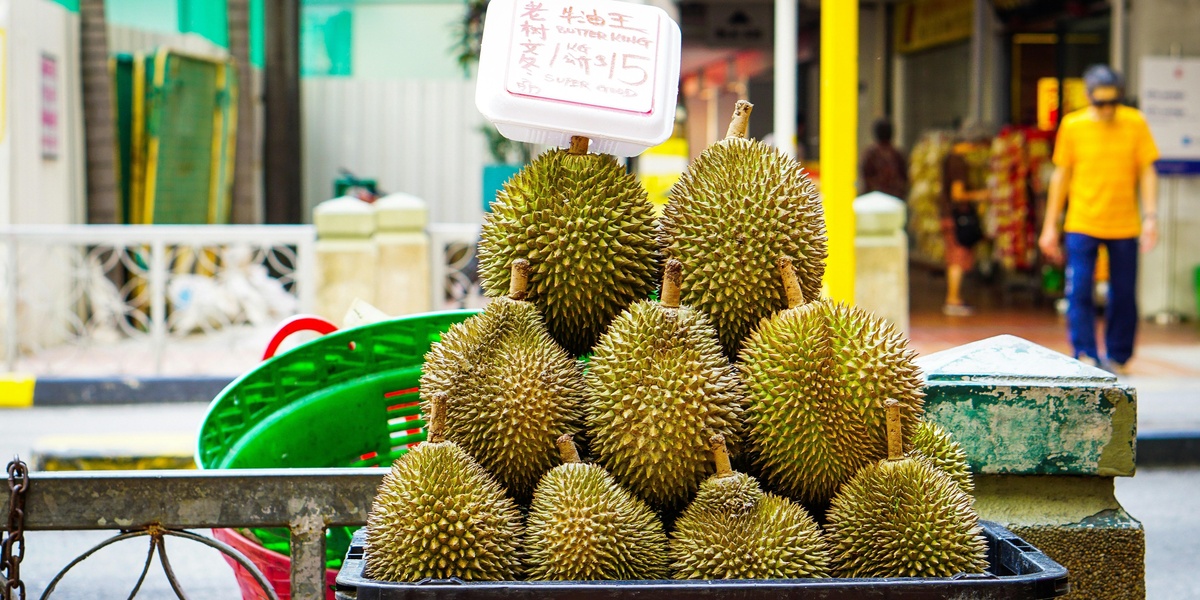
Malaysia’s markets, orchards and rainforests offer a year-round parade of tastes and textures — from street-side vendors to village trees, fruit is part of daily life and local culture. Walking a pasar or roadside stall is one of the easiest ways to see regional variety up close.
There are 54 Fruits of Malaysia, ranging from Ambarella / Kedondong to Watermelon. For each entry you’ll find below Malay name, Scientific name, Season & region to help with identification, seasonal planning and where to look, and you’ll find these details below.
When are the best times to buy different Malaysian fruits?
Seasonality varies by fruit and region; the list below pairs each fruit with its typical season and region so you can check what’s ripe when — for example durian peaks in mid-year in many states, while mangosteen and rambutan overlap in the rainy season.
Where should I go to try lesser-known local fruits?
Visit local wet markets, farm stalls and seasonal fruit festivals in states like Pahang, Sabah and Penang; the entry for each fruit notes regions and seasons so you can time visits and ask vendors about rarer varieties.
Fruits of Malaysia
| Name | Malay name | Scientific name | Season & region |
|---|---|---|---|
| Durian | durian | Durio zibethinus | June–August (Peninsular: Pahang, Selangor, Johor); year-round pockets in Sabah & Sarawak |
| Mangosteen | manggis | Garcinia mangostana | June–September (Peninsular & East Malaysia) |
| Rambutan | rambutan | Nephelium lappaceum | June–September (Peninsular: Selangor, Negeri Sembilan, Johor; Sabah & Sarawak) |
| Pulasan | pulasan | Nephelium mutabile | June–August (Peninsular & Borneo pockets) |
| Langsat / Duku | langsat, duku | Lansium domesticum | June–September (Peninsular: Perak, Selangor, Johor; also Borneo) |
| Longkong | longkong | Lansium domesticum (var. longkong) | July–August (Peninsular & Borneo) |
| Jackfruit | nangka | Artocarpus heterophyllus | May–August (Peninsular & East Malaysia) |
| Cempedak | cempedak, chempedak | Artocarpus integer | June–September (Peninsular & Borneo) |
| Marang | marang | Artocarpus odoratissimus | August–October (East Malaysia: Sabah, Sarawak) |
| Salak (snake fruit) | salak, buah salak | Salacca zalacca | Year‑round with peaks Apr–Sep (Perak, Selangor, Johor, Bali-like orchards) |
| Mango | mangga | Mangifera indica | March–June (many varieties) (Peninsular & East Malaysia) |
| Papaya | betik, papaya | Carica papaya | Year‑round (Peninsular & East Malaysia) |
| Pineapple | nanas | Ananas comosus | Year‑round, peak Mar–Jun (Peninsular: Johor, Pahang) |
| Banana | pisang | Musa spp. | Year‑round (widespread) |
| Guava | jambu batu | Psidium guajava | Year‑round (Peninsular & East Malaysia) |
| Water apple / Water rose apple | jambu air | Syzygium aqueum | Year‑round, peaks Apr–Aug (Peninsular & Borneo) |
| Rose apple | jambu bol, jambu madu | Syzygium jambos | Year‑round (Peninsular & East Malaysia) |
| Starfruit (carambola) | belimbing | Averrhoa carambola | Year‑round, peaks May–Aug (Peninsular & Borneo) |
| Bilimbi | belimbing buluh | Averrhoa bilimbi | Year‑round, more common in Peninsular states |
| Ambarella / Kedondong | kedondong | Spondias dulcis | June–August (Peninsular & some Borneo areas) |
| Rambai | rambai | Baccaurea motleyana | May–July (Peninsular & Borneo) |
| Tampoi | tampoi | Baccaurea macrocarpa | May–July (Borneo: Sarawak, Sabah) |
| Dabai | dabai, buah dabai | Canarium odontophyllum | Oct–Jan (Sarawak: Sibu, Kapit, rural areas) |
| Buah keluak / Kepayang | buah keluak, pangi | Pangium edule | Aug–Nov (Peninsular & Borneo) |
| Soursop | sirsak | Annona muricata | Year‑round, peaks Jun–Aug (Peninsular & Borneo) |
| Sugar apple / Custard apple | srikaya, sugar apple | Annona squamosa | Year‑round (widespread) |
| Lychee | leci | Litchi chinensis | May–July (limited cultivation, some Malaysian orchards) |
| Longan | mata kucing, longan | Dimocarpus longan | June–August (Peninsular & limited East Malaysia orchards) |
| Dragon fruit | buah naga | Hylocereus undatus | June–Sept (cultivated: Johor, Perak, Pahang) |
| Passionfruit | markisa | Passiflora edulis | Year‑round with peaks May–Aug (Peninsular & West Malaysia farms) |
| Watermelon | tembikai | Citrullus lanatus | Mar–Jun (widely sold across Malaysia) |
| Melon / Cantaloupe | tembikai susu, rockmelon | Cucumis melo | Mar–Jul (market availability varies) |
| Sapodilla / Chikoo | ciku, sapodilla | Manilkara zapota | Nov–Apr (widespread cultivation) |
| Santol | santol | Sandoricum koetjape | May–Aug (Peninsular & parts of Borneo) |
| Pomelo | limau bali, limau gedang | Citrus maxima | Aug–Nov (Peninsular: Penang, Perak, Johor) |
| Calamansi / Calamondin | limau kasturi | Citrus x microcarpa | Year‑round (Peninsular & East Malaysia) |
| Kaffir lime | limau purut | Citrus hystrix | Year‑round (widespread) |
| Tamarind | asam jawa | Tamarindus indica | May–Aug (widespread planted and wild) |
| Noni | mengkudu | Morinda citrifolia | Year‑round (coastal & rural areas) |
| Jamaican cherry / Malay cherry | ceri kampung, buah ceri | Muntingia calabura | Year‑round (widespread wild and planted) |
| Java plum / Jambolan | jambolan, jambu jamun | Syzygium cumini | May–Aug (Peninsular & Borneo orchards) |
| Garcinia atroviridis (Asam gelugor) | asam gelugor | Garcinia atroviridis | Year‑round with peak May–Aug (Peninsular: Perak, Kelantan) |
| Star apple | mata kambing? (locally variable) | Chrysophyllum cainito | Year‑round (limited cultivation & home gardens) |
| Coconut | kelapa | Cocos nucifera | Year‑round (coastal Peninsular & East Malaysia) |
| Annona reticulata (custard-type) | annonas, custard-like | Annona reticulata | Year‑round (limited orchards & home gardens) |
| Honeyberry / Local berries (various) | buah beri kampung | Various species (Muntingia, Rubus spp.) | Seasonal, region-dependent (highlands and lowlands) |
| Gac-like / lesser-known tropical gourds (local) | buah terpilih (various) | Various tropical species | Seasonal, regional (Borneo & Peninsular pockets) |
| Mangosteen hybrids & relatives | local names vary | Garcinia spp. | June–Sept (notable in Peninsular & Borneo) |
| Mangosteen relatives (kept for completeness) | buah asam? (varies) | Garcinia x spp. | Seasonal, region-dependent |
| Salacca variants (regional) | salak clones | Salacca spp. | Year‑round, peaks vary by clone (Peninsular & Borneo) |
| Mangrove apple / local shoreline fruits | buah pantai | Sonneratia, Pemphis spp. (edible species) | Seasonal fruiting in coastal mangroves (Peninsular & Borneo) |
| Indigenous Bornean forest fruits (group entry) | buah hutan (Borneo) | Various native species (Borneo endemics) | Seasonal, mainly in Sarawak & Sabah forests |
| Commercial citrus & hybrids (group entry) | limau, various | Citrus spp. | Year‑round, peaks vary by cultivar (Peninsular) |
| Misc. backyard tropical fruits | buah halaman | Various cultivated species | Year‑round (home gardens nationwide) |
Images and Descriptions
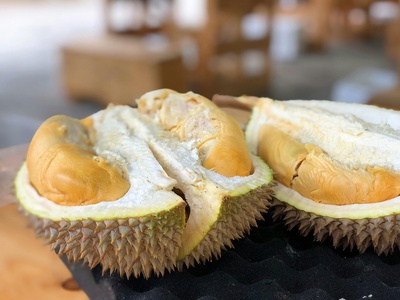
Durian
Iconic creamy, custardy fruit with strong aroma; flavors range from bitter to sweet almond-custard. Eaten fresh, in desserts, ice cream and cakes; many local varieties prized by aficionados across Malaysia.
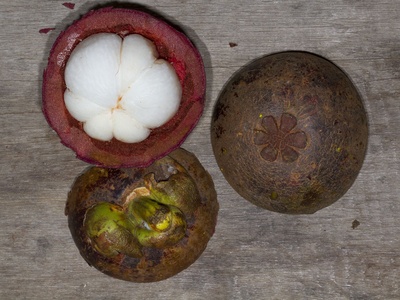
Mangosteen
Sweet-tart purple fruit with snow‑white segmented flesh and fragrant floral notes. Often eaten fresh as a dessert fruit; prized as a cooling complement to spicy foods and commonly sold at markets during peak season.
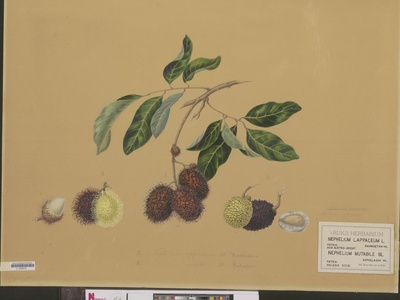
Rambutan
Hairy red fruit with translucent juicy flesh, sweet and slightly acidic. Eaten fresh, used in salads, canned or in syrup; many backyard and commercial orchards supply markets in peak months.
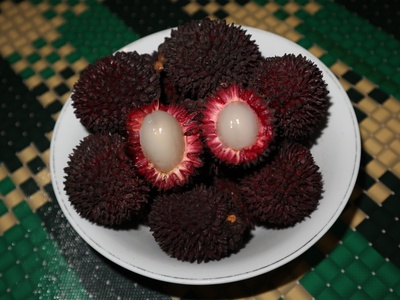
Pulasan
Close relative of rambutan with thicker skin and sweeter, meatier flesh. Less common but prized for its rich, aromatic sweetness; mostly eaten fresh and found in specialty stalls during its short season.
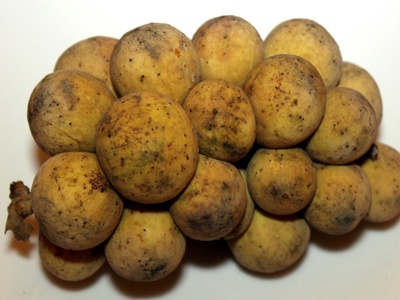
Langsat / Duku
Small translucent segments with mildly sweet to tart flavor and subtle bitterness. Eaten fresh and used in preserves; duku-type tends to be sweeter and seedless, while langsat may be more acidic.
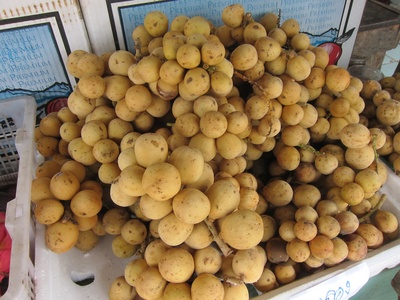
Longkong
Clustered pale-yellow fruit with sweet, juicy flesh and low acidity. Popular as a snacking fruit; typically sold by the bunch and enjoyed fresh between family and friends.
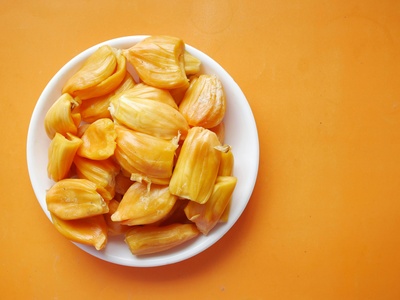
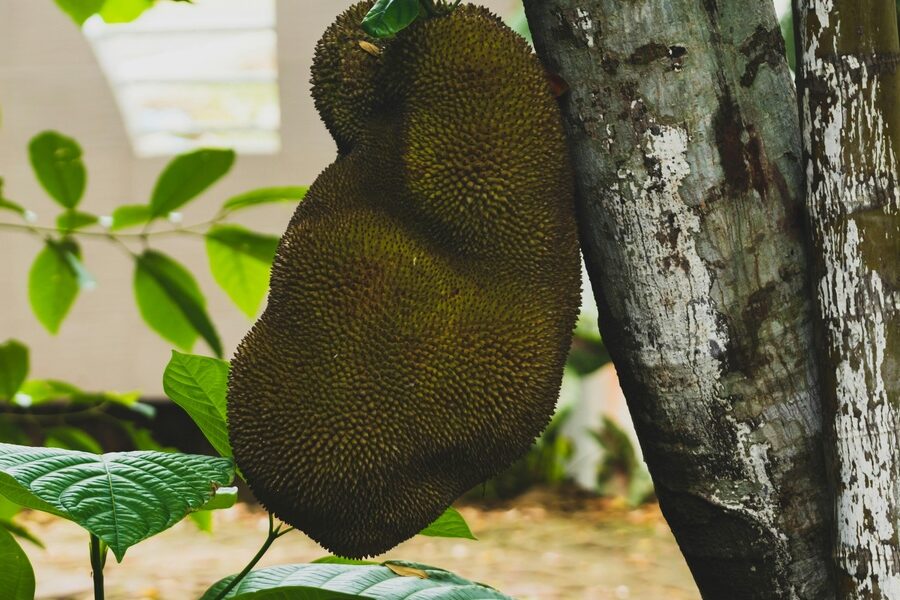
Jackfruit
Huge, sweet fruit with aromatic yellow flesh; tastes like a mix of banana, mango and pineapple. Ripe bulbs eaten fresh or used in desserts; young jackfruit cooked as a vegetable in curries and snacks.
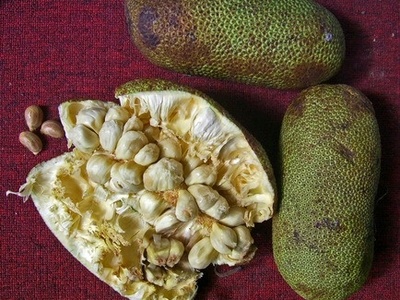
Cempedak
Aromatic, sweet-orange flesh similar to jackfruit but softer and more intense. Eaten fresh or fried (goreng cempedak) as a popular street snack; seeds can be roasted or boiled.
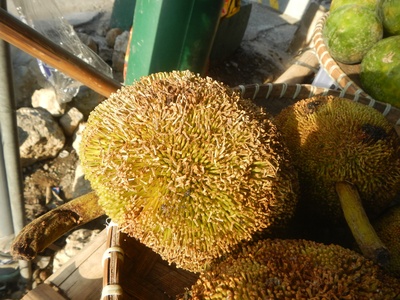
Marang
Soft, highly aromatic flesh with rich sweetness and creamy texture; best fresh and very perishable. A Bornean specialty prized for unique perfume-like flavor, often sold at roadside stalls.
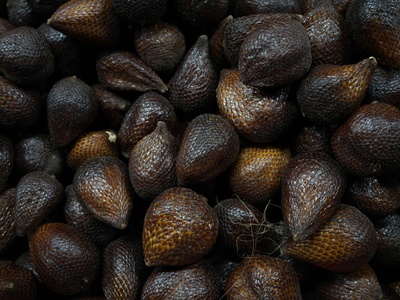
Salak (snake fruit)
Crunchy, sweet-tart flesh beneath scaly skin; varies from acidic to honeyed. Eaten fresh, pickled or as a salad ingredient; commonly grown in plantations and homesteads.
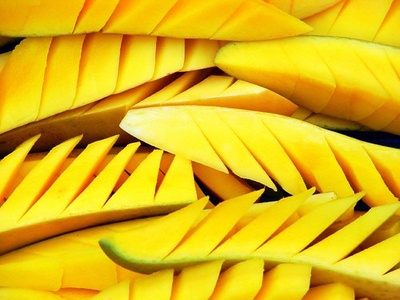
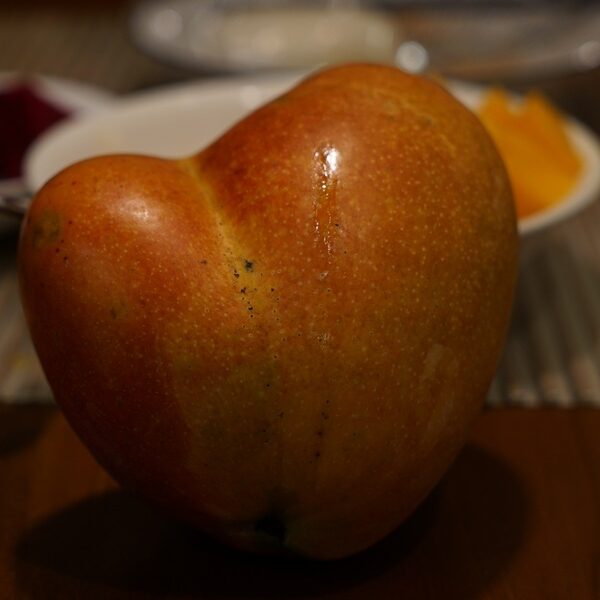
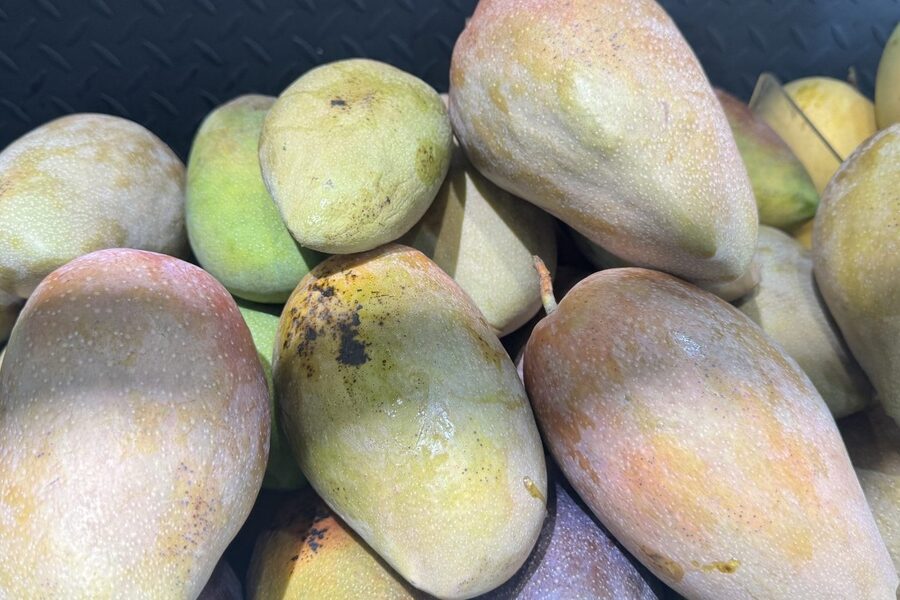
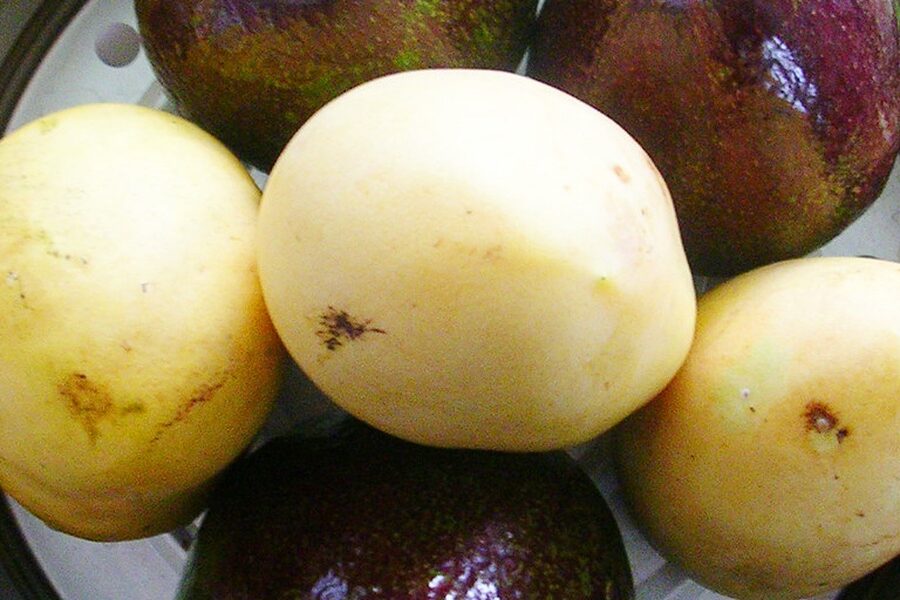
Mango
Juicy, aromatic fruit ranging from sweet to tangy depending on variety. Eaten fresh, in salads, chutneys, pickles, smoothies and desserts; widely cultivated across Malaysia with seasonal local cultivars.
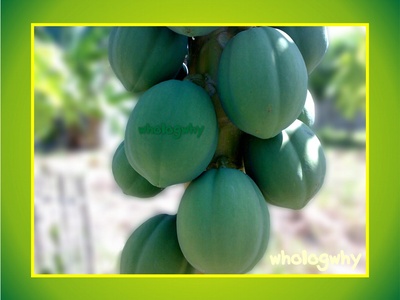
Papaya
Mildly sweet orange flesh often eaten fresh, in salads, smoothies or as a digestive aid. Unripe green papaya used in kerabu and cooking. Common backyard and farm fruit throughout the country.
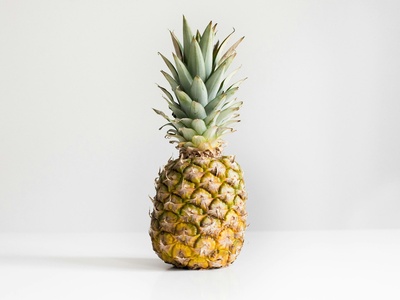
Pineapple
Tropical, acidic-sweet fruit used fresh, juiced, in cooking and desserts. Malaysian pineapples are eaten locally and processed; also used as a meat tenderizer in cooking.
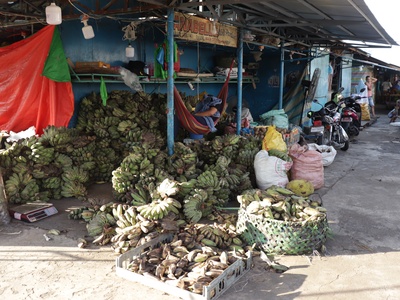
Banana
Staple tropical fruit in many varieties — sweet dessert bananas and plantains. Eaten fresh, fried, in kuih, desserts and smoothies; commonly available and grown across all states.
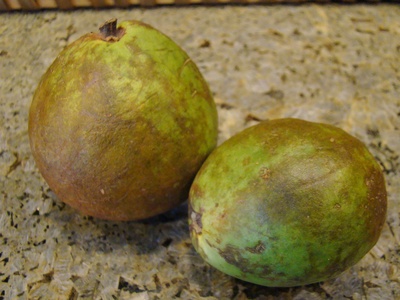
Guava
Aromatic, crunchy fruit with sweet-tart flavor; eaten fresh, in juices, jams and salads. Local varieties range in flesh color and sweetness; widely cultivated around homes and farms.
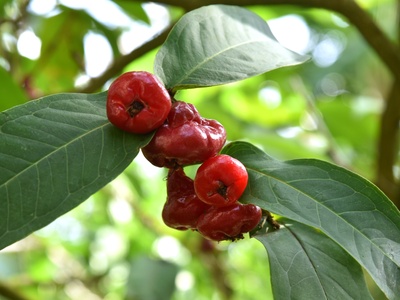
Water apple / Water rose apple
Crisp, watery, mildly sweet fruit with bell shape. Eaten fresh and in kerabu salads; often paired with spicy sambals or eaten as a refreshing snack.
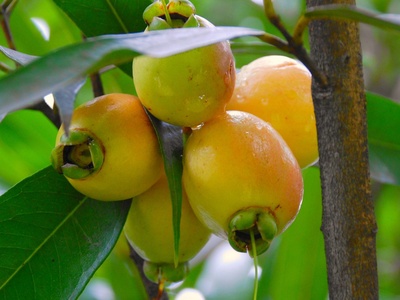
Rose apple
Perfumed, crunchy flesh with mild sweetness and floral aroma. Eaten fresh, added to fruit salads or local desserts; trees are common in home gardens.
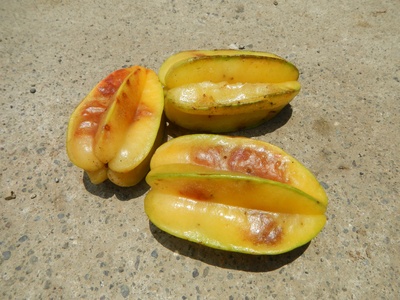
Starfruit (carambola)
Crisp, juicy fruit with sweet-tart flavor and distinctive star cross-section. Eaten fresh, in juices, or as garnish; unripe fruit is used in cooking for its sourness.
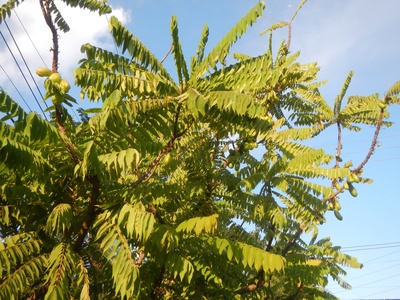
Bilimbi
Very sour, cucumber-like fruit used as a souring agent in curries, sauces and sambals. Not commonly eaten raw but valued in traditional cooking and pickles.
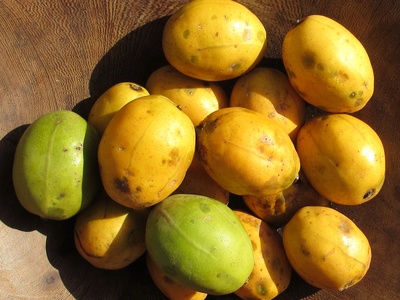
Ambarella / Kedondong
Tart to sweet fibrous fruit eaten raw with salt or chili, and used in chutneys and preserves. Common in local markets; skin is firm and flesh aromatic.
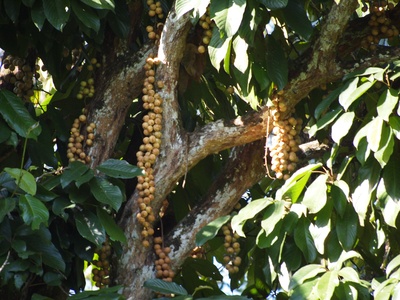
Rambai
Small translucent segments with sweet-sour flavor, sometimes slightly astringent. Often eaten fresh or picked from wild and semi-wild trees; popular in rural markets.
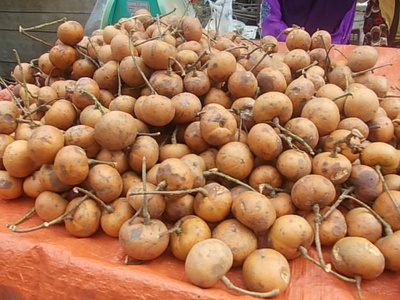
Tampoi
A rare Bornean fruit with sweet-tart flesh, enjoyed fresh or in local snacks. Mostly found in Sarawak forests and markets; valued by locals for its delicate flavor.

Dabai
Black olive-like fruit from Borneo with oily, savory flesh often eaten with salt or fermented rice. A Sarawak specialty, commonly served with rice or as a seasonal delicacy.
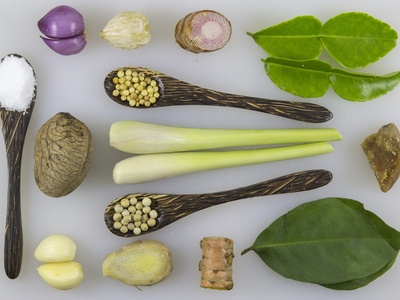
Buah keluak / Kepayang
Large seeds are processed and fermented into a unique earthy paste used in traditional dishes like kampung pork or tempoyak-prepared recipes. Fruit is toxic raw and requires careful processing.
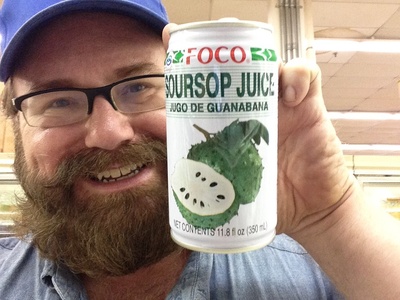
Soursop
Large spiky fruit with creamy, citrusy-sweet flesh used fresh, in juices, smoothies and desserts. Also valued in traditional remedies; flesh is fragrant and pulpy.
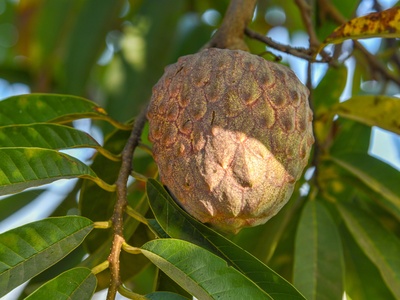
Sugar apple / Custard apple
Segmented, sweet, creamy flesh with a custard-like texture. Eaten fresh or used in desserts and shakes; seeds discarded. Common in home gardens and small orchards.
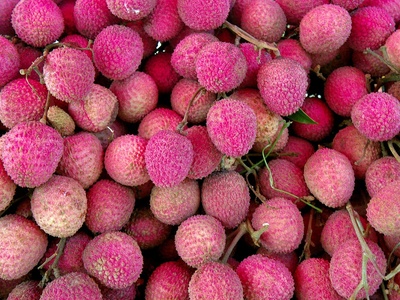
Lychee
Juicy, floral-sweet translucent flesh with crisp texture. Sold fresh during short season; popular imported varieties also available in markets.
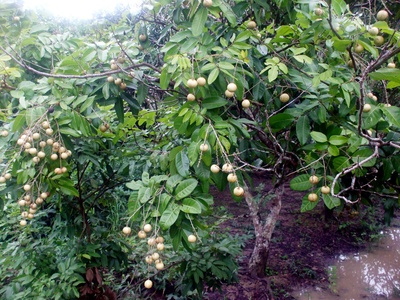
Longan
Sweet, jelly-like translucent segments often called “eye of the cat” (mata kucing). Eaten fresh, canned or used in desserts and traditional sweets.
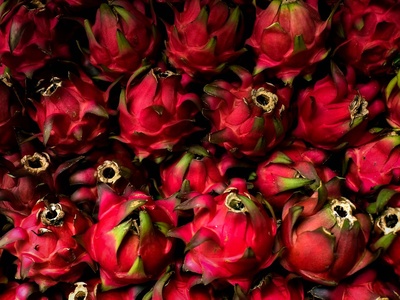
Dragon fruit
Bright pink or white-fleshed cactus fruit with mildly sweet flavor and crunchy seeds. Eaten fresh, in drinks and salads; well-suited to commercial cultivation in lowland farms.
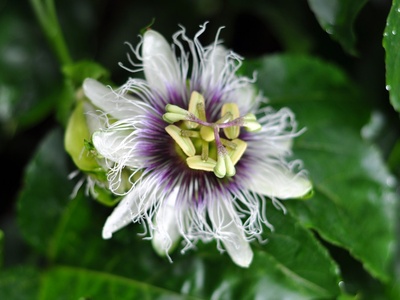
Passionfruit
Tart, aromatic pulp used widely for juices, desserts and flavoring. Grown commercially and in home gardens; seeds add crunch and are edible.
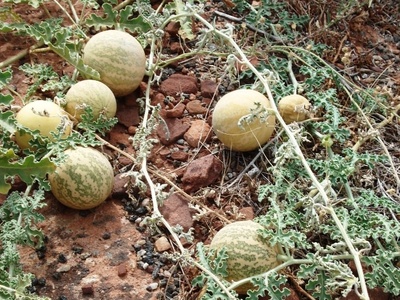
Watermelon
Juicy, sweet summer fruit usually eaten fresh or juiced. Widely available in markets and roadside stalls during warmer months; comes in seeded and seedless varieties.
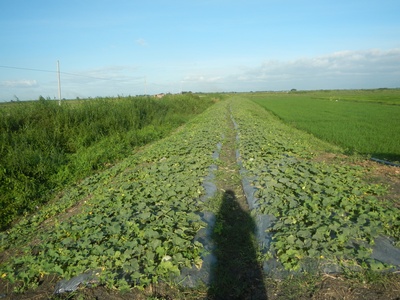
Melon / Cantaloupe
Sweet, fragrant orange or green flesh consumed fresh, in fruit platters and juices. Grown in limited commercial plots and imported seasonally.
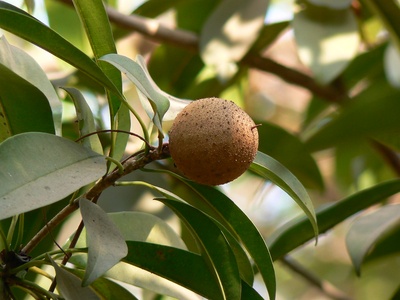
Sapodilla / Chikoo
Brown-skinned fruit with grainy, sweet caramel-like flesh. Eaten fresh and used in shakes and desserts; commonly grown in backyard orchards across Malaysia.
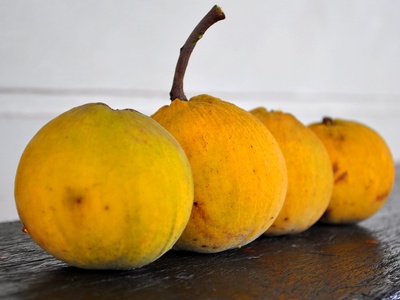
Santol
Round fruit with tangy to mildly sweet flesh beneath thick rind; sometimes sour, used fresh or cooked into preserves. Popular in rural areas and home gardens.
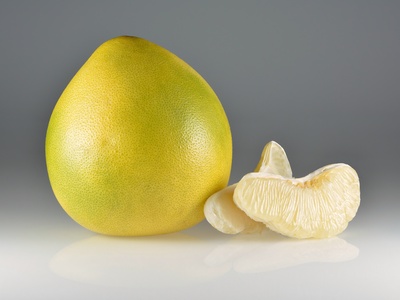
Pomelo
Largest citrus with sweet to mildly tart flesh. Eaten fresh, in salads (rojak), and during festivals; commonly grown in coastal orchards.
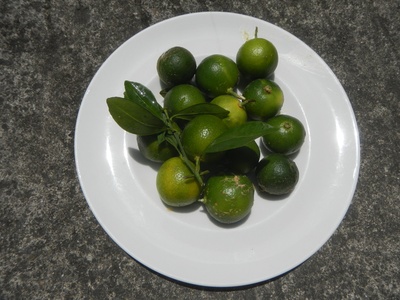
Calamansi / Calamondin
Tiny tart citrus used as a seasoning, in drinks and marinades. Aromatic rind and juice are culinary staples in local kitchens and hawker stalls.
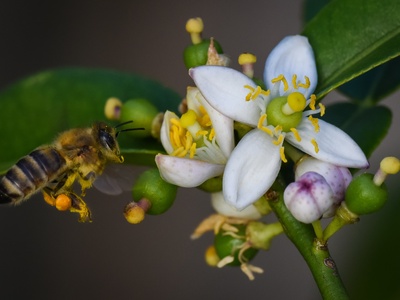
Kaffir lime
Bumpy-leafed lime valued for its fragrant leaves and aromatic rind used in cooking; the small fruit’s juice is also used as seasoning rather than eaten fresh.
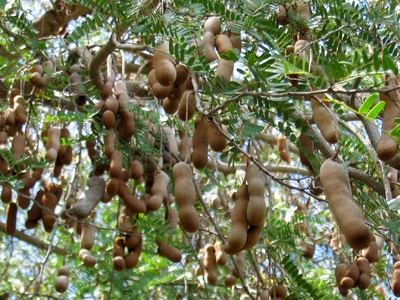
Tamarind
Sour-sweet brown pods used widely as a souring agent in Malay and Nyonya cooking, sauces and drinks. Pulp is a pantry staple and sold fresh or processed.
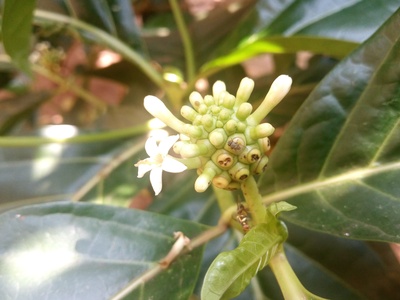
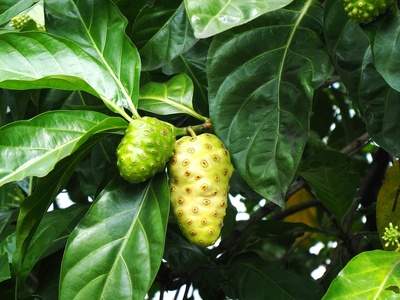
Noni
A bumpy, pungent fruit used mainly in traditional medicine and tonic preparations. Raw taste is bitter and acidic; processed into juices and remedies locally.
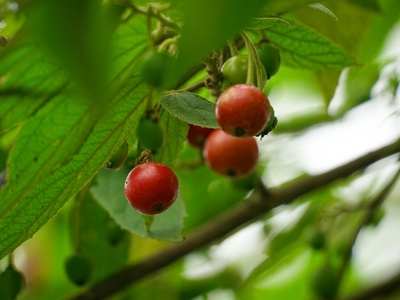
Jamaican cherry / Malay cherry
Small, sweet red berries eaten fresh by children and sold roadside. Trees naturalized across Malaysia; fruit is juicy and quickly perishes.
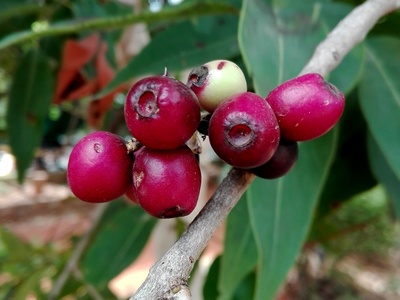
Java plum / Jambolan
Dark purple, astringent-sweet fruit eaten fresh, used in jams and traditional medicines. Commonly grown as a shade and fruit tree in towns and villages.
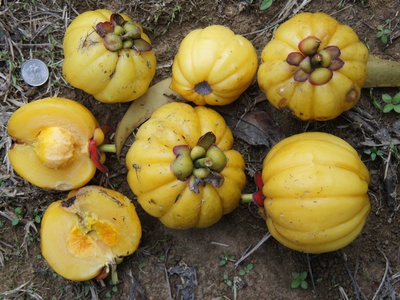
Garcinia atroviridis (Asam gelugor)
Small sour fruit used as a cooking souring agent in curries, soups and pickles. A Peninsular Malaysian favorite in traditional recipes for its sharp tang.
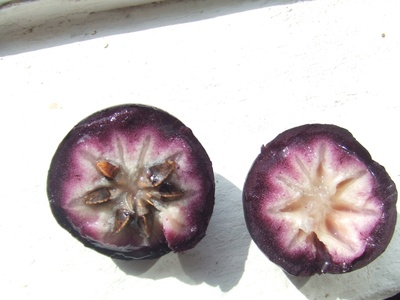
Star apple
Round purple or green-skinned fruit with sweet, milky flesh. Eaten fresh as dessert; not as widespread but found in home orchards and specialty markets.
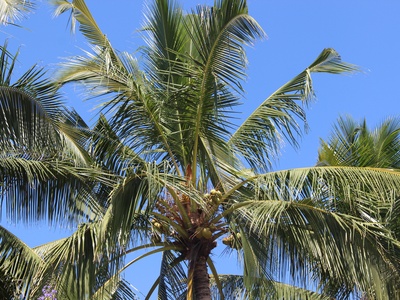
Coconut
Versatile fruit: hydrating coconut water, creamy flesh and oil. Used fresh, dried, in cooking, desserts and beverages; ubiquitous across Malaysian coasts and islands.
Annona reticulata (custard-type)
Soft, mildly sweet custard-like flesh enjoyed fresh or in shakes. Less common than sugar apple but grown sporadically in gardens and small farms.
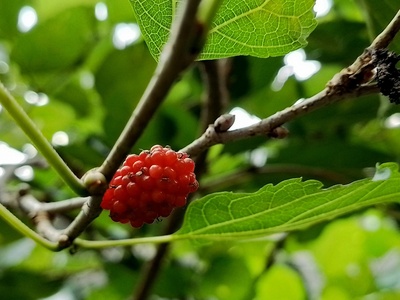
Honeyberry / Local berries (various)
Small local berries grown wild or in gardens; flavors range from tart to sweet and are eaten fresh, in jams or as snack foods by locals.
Gac-like / lesser-known tropical gourds (local)
A category for rare, local fruits occasionally sold in markets — often seasonal, with unique flavors used by indigenous communities; check regional markets for specifics.
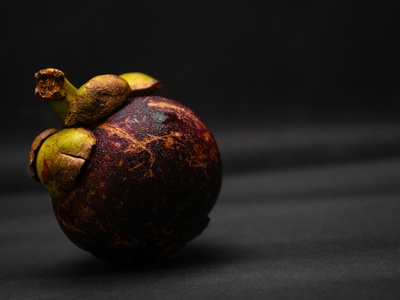
Mangosteen hybrids & relatives
Closely related sour/sweet Garcinia fruits used locally; prized for rind and flesh in specialty markets. Found chiefly where mangosteen is cultivated and in wild pockets.
Mangosteen relatives (kept for completeness)
Local Garcinia species offer souring or dessert uses, varying by region. Often foraged or sold locally; explore markets to discover varieties and culinary uses.
Salacca variants (regional)
Different salak cultivars vary in sweetness and texture; commonly sold in regional markets and prized by collectors of fruit varieties.
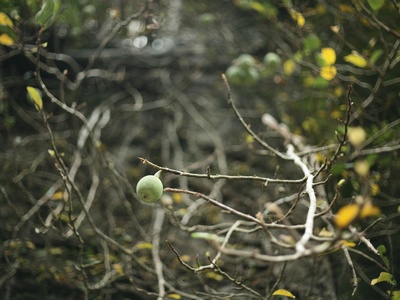
Mangrove apple / local shoreline fruits
Less common edible fruits from shoreline trees used by coastal communities for condiments and local snacks; usually foraged rather than farmed.
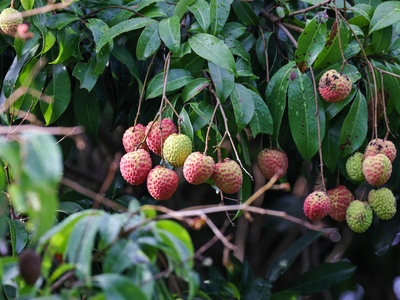
Indigenous Bornean forest fruits (group entry)
A collection of lesser-known edible wild fruits eaten by indigenous peoples: richly diverse flavors and rare to markets. Forage with local guidance.
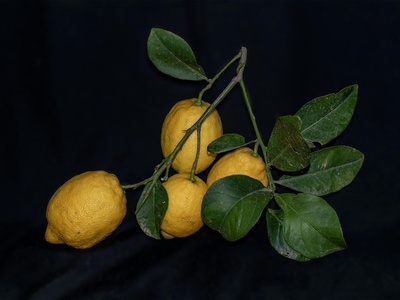
Commercial citrus & hybrids (group entry)
Includes oranges, tangerines and hybrids grown commercially and in home gardens. Eaten fresh, juiced and used broadly in Malaysian cooking and markets.
Misc. backyard tropical fruits
Many edible tropical fruits grown privately — figs, mulberries, lucuma and others — supplying local tastes and seasonal surprises in Malaysian backyards.