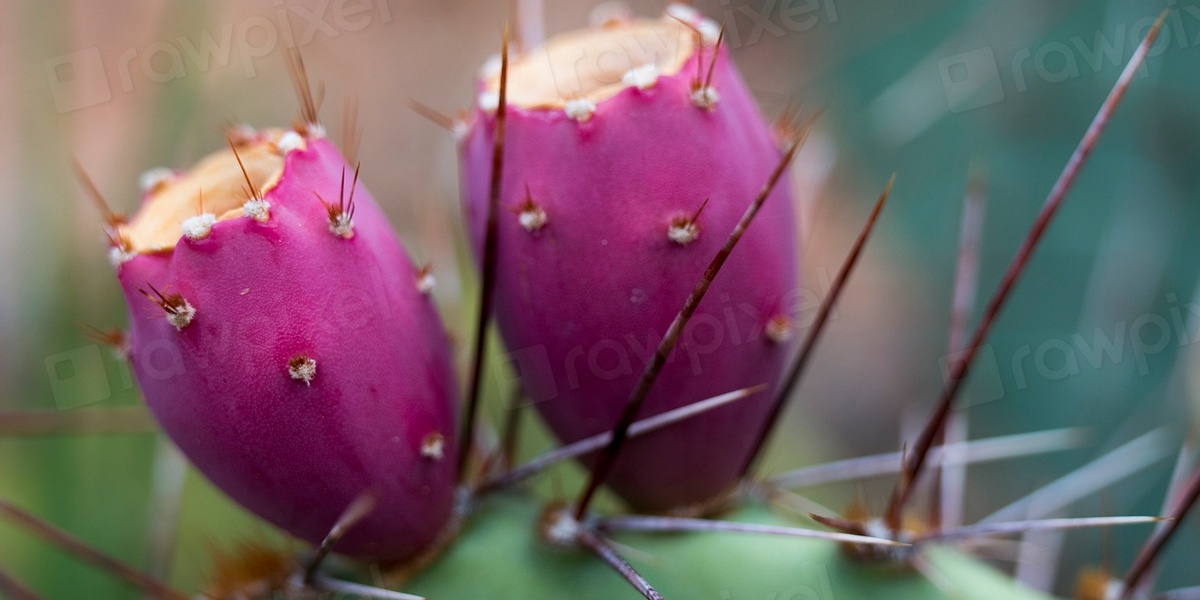
Malta’s warm, sunny climate and sheltered valleys make fruit a familiar part of island life — from backyard trees to market stalls. Local growing traditions and small-scale orchards mean you’ll often find different varieties through the seasons rather than just a single harvest period.
There are 19 Fruits of Malta, ranging from Apricot to Watermelon. For each entry you’ll find below the Scientific name,Maltese name,Season (months) so you can spot what’s ripe when, learn local vocabulary, and check botanical details — you’ll find below.
When are most of these fruits in season in Malta?
Seasons vary: stone fruits like apricots ripen in late spring to early summer, soft fruits and berries follow into summer, and water-rich fruits such as watermelon peak mid to late summer. Citrus tends to be winter into spring. Check the Season (months) column below for each specific fruit to plan visits or buying.
Why include both Maltese and scientific names?
Having the Maltese name helps when talking with locals or shopping at markets, while the scientific name removes ambiguity between varieties and translations — useful for gardening, foraging or looking up cultivation details in reliable sources.
Fruits of Malta
| Name | Scientific name | Maltese name | Season (months) |
|---|---|---|---|
| Orange | Citrus sinensis | laranġ | November–March |
| Lemon | Citrus limon | limun | Year-round (peaks Oct–Mar) |
| Clementine | Citrus reticulata | mandarinu | November–January |
| Fig | Ficus carica | tin | July–September |
| Prickly pear | Opuntia ficus-indica | bajtra | August–October |
| Carob | Ceratonia siliqua | karob | September–November |
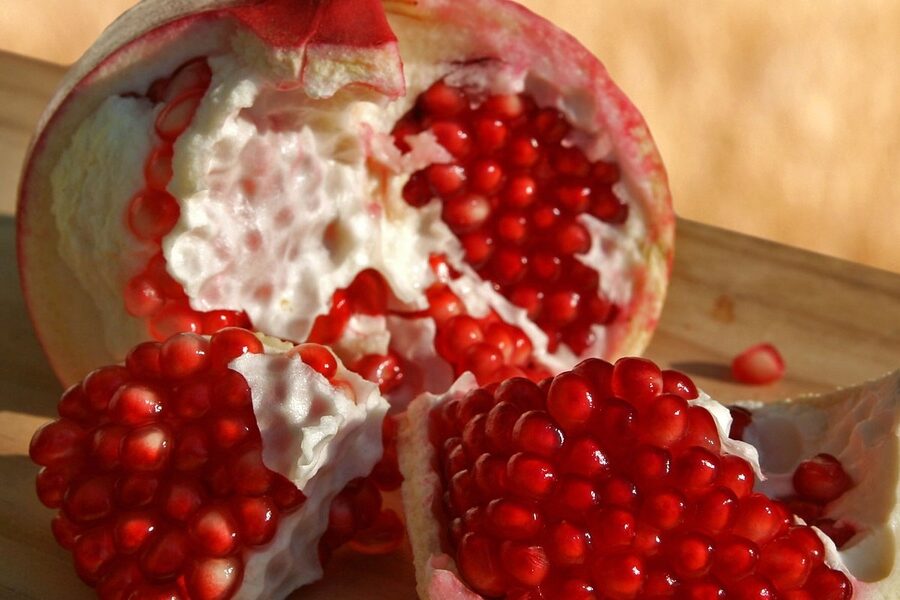
| Pomegranate | Punica granatum | rummien | September–November |
| Grape | Vitis vinifera | għeneb | August–October |
| Olive | Olea europaea | żebbuġa | October–December |
| Loquat | Eriobotrya japonica | lokwat | April–June |
| Strawberry | Fragaria × ananassa | frawli | December–May |
| Melon | Cucumis melo | melun | June–August |
| Watermelon | Citrullus lanatus | melun tal-ilma | June–August |
| Caper berry | Capparis spinosa | kappar | May–August |
| Mulberry | Morus spp. | morra | May–June |
| Quince | Cydonia oblonga | kmandla | October–November |
| Apricot | Prunus armeniaca | albukokka | May–July |
| Lemon bergamot | Citrus bergamia | bergamott | November–February |
| Date palm fruit | Phoenix dactylifera | datteru | September–October |
Images and Descriptions
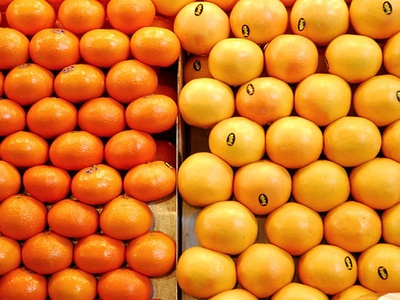
Orange
Sweet oranges are grown in home gardens and orchards across Malta and sold at markets. Widely used fresh, for juice, marmalade and traditional liqueurs; some varieties are served in salads or as candied peel in local sweets.
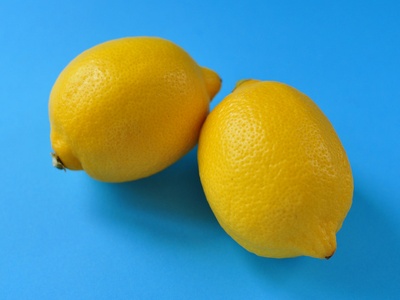
Lemon
Lemons flourish in Maltese gardens and roadside trees; common in markets. Essential in Maltese cooking for dressings, marinades, preserves and the classic lemon liqueur; zest and juice are used in sauces and sweets.
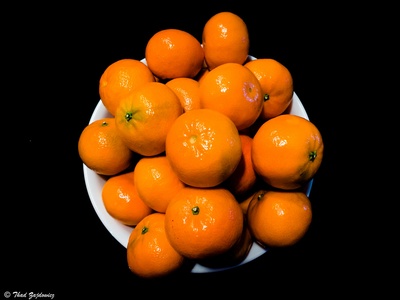
Clementine
Clementines and mandarins are popular backyard trees and sold at stalls. Eaten fresh, used in winter salads and marmalades, and often gifted during the season for their sweet, easy-to-peel segments.
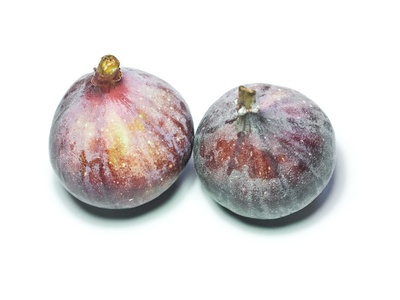
Fig
Figs grow wild and in domestic gardens across Malta. Fresh figs are eaten raw, baked into tarts, dried for storage, or cooked into jams and traditional desserts; leaves and trees are a familiar sight in older villages.
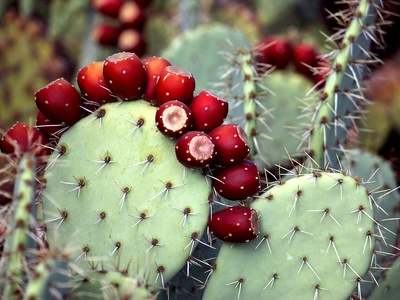
Prickly pear
Prickly pear grows on old walls and coastal scrub and is also cultivated. Fruits are eaten fresh, turned into jams, liqueurs and sorbets, or used in syrups; be careful removing spines and glochids before eating.
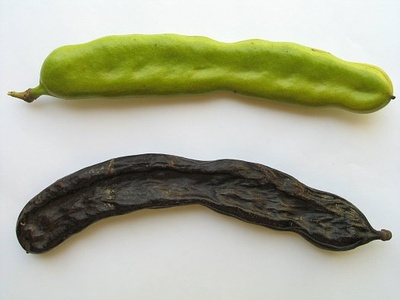
Carob
Carob trees dot Maltese countryside and hedgerows; pods ripen in autumn. Traditionally ground into a sweet, cocoa-like powder, used in cakes, syrups and livestock feed; pods are sometimes roasted for a coffee substitute.
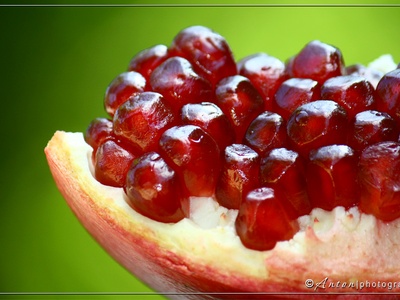
Pomegranate
Pomegranates are grown in gardens and small orchards. Bubbly arils are eaten fresh, added to salads, used for sauces, syrups and festive dishes; the fruit features in home preserves and occasional local desserts.
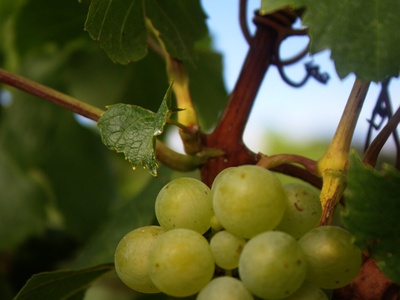
Grape
Grapes are cultivated for table fruit and local winemaking on Malta and Gozo. Varieties are eaten fresh, dried as raisins, or pressed for small-batch wines and vinegars; clusters appear at village markets in late summer.
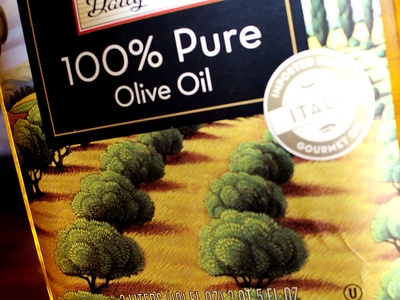
Olive
Olive trees are integral to Maltese landscapes. Olives are harvested for brining and table use or pressed for local extra-virgin oil; many villages still produce small quantities of traditional oil and pickled olives.
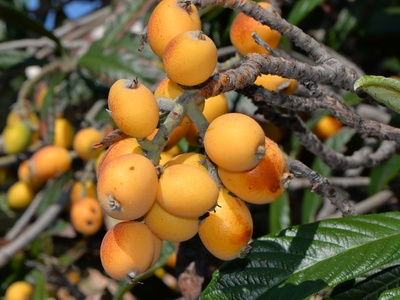
Loquat
Loquats are common in gardens and along lanes. Sweet-tart fruits are eaten fresh, turned into jams or compotes, and sometimes made into wines or liqueurs; early-season fruit offers a welcome spring treat.
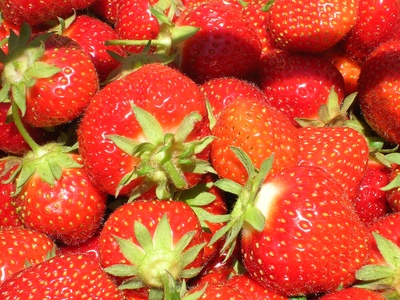
Strawberry
Locally grown strawberries appear in winter and spring from protected plots and small farms. Served fresh, in jams, desserts and pastries, they feature at markets and cafés and are popular in home preserves.
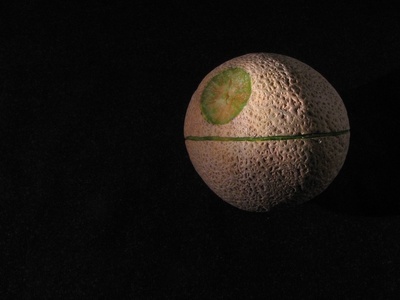
Melon
Melons are cultivated in summer plots and greenhouses. Sweet flesh is eaten fresh, in fruit salads, chilled desserts, or wrapped with cured meats; smaller cantaloupe types are common at summer markets.
Watermelon
Watermelons are a summer staple grown in fields and sold at roadside stalls. Eaten fresh, in salads or as a cooling snack, rinds are sometimes pickled and the fruit is popular at beach and festa picnics.

Caper berry
Wild caper bushes grow on dry walls and cliffs; buds and caperberries are pickled and widely used in Maltese cooking. Capers add sharp, salty flavour to sauces, fish dishes and traditional recipes across the islands.
Mulberry
Mulberries grow on old garden trees. Sweet berries are eaten fresh, made into jams, syrups and desserts, and historically dried for winter use; trees are often found in village courtyards and rural plots.
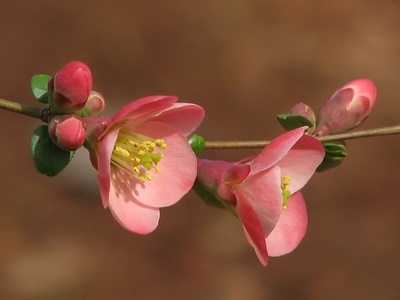
Quince
Quinces are grown in some domestic gardens. Firm aromatic fruit is usually cooked into jams, jellies (cotignata), or baked; raw quince is very astringent, so Maltese cooks transform it with sugar into preserves and pastes.
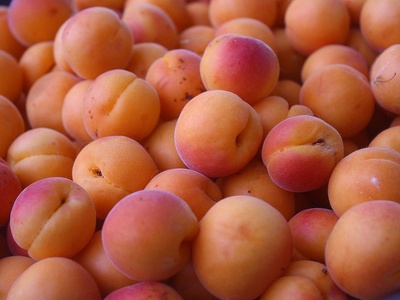
Apricot
Apricots are grown in small orchards and gardens. Eaten fresh, dried into traditional fruit, used in jams, cakes and tarts, they appear in local markets during the short late-spring, early-summer season.
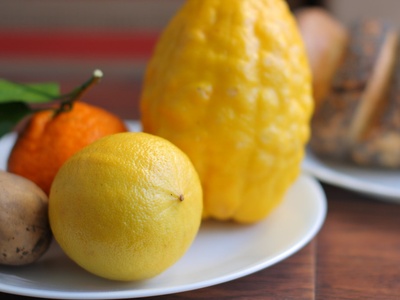
Lemon bergamot
Bergamot is grown in a few Maltese gardens for its aromatic peel. Largely used for zesting, perfumed syrups, marmalades and flavouring sweets; small-scale use rather than wide commercial cultivation.
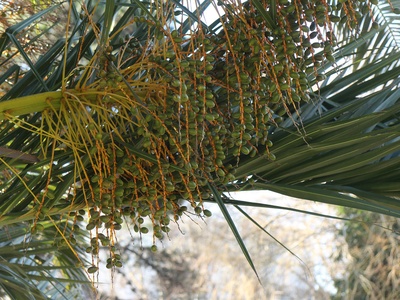
Date palm fruit
Date palms are planted ornamentally and a few productive specimens exist. Fresh dates are eaten or used in desserts and festive recipes; they’re a minority crop but valued where trees are established in gardens.