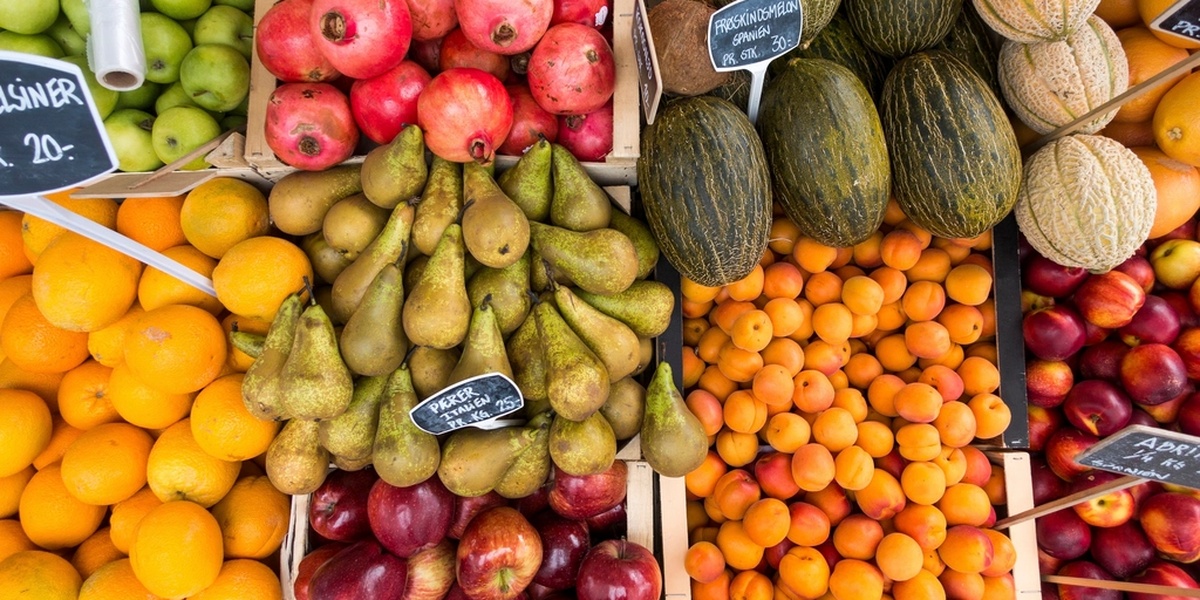
Samoa’s islands are stitched with backyard gardens, roadside stalls and village groves where tropical fruit is part of daily life — eaten fresh, shared at feasts, and sold at markets across the islands. The landscapes and culture shape how fruits are grown, harvested and used by families and small farmers.
There are 26 Fruits of Samoa, ranging from Avocado to White sapote. For each entry you’ll find below Scientific name,Samoan name,Season & uses to help you identify and make the most of each fruit you’ll find below.
Which Samoan fruits are available year‑round?
Coconut, banana and papaya are the most reliably available throughout the year, with breadfruit and pandanus also common in many seasons. Availability can vary by island and elevation, so check the Season & uses column below for peak months and local growing notes.
How can I use unfamiliar Samoan fruits in cooking?
Start simple: taste them raw, then try them in salads, smoothies, jams or baked goods depending on sweetness and texture. Starchy fruits like breadfruit are great roasted or fried; tart fruits suit sauces and chutneys. Refer to the Season & uses and Samoan name columns below for traditional preparations and pairing ideas.
Fruits of Samoa
| Name | Scientific name | Samoan name | Season & uses |
|---|---|---|---|
| Coconut | Cocos nucifera | niu | Year-round; culinary, drink, oil, ceremonial uses |
| Breadfruit | Artocarpus altilis | ulu | Year-round peaks Jun–Oct; roasted, baked, ceremonial staple |
| Banana | Musa spp. | fa’i | Year-round; fresh eating, desserts, cooked in umu (earth oven) |
| Plantain | Musa paradisiaca | fa’i (plantain) | Year-round; cooking banana for boiled or roasted dishes |
| Papaya | Carica papaya | papaia | Year-round; eaten fresh, salads, medicinal uses |
| Mango | Mangifera indica | mango | Nov–Mar peak; eaten fresh, chutneys, drying |
| Pineapple | Ananas comosus | ananasi | Year-round with peaks; fresh, grilling, preserves |
| Guava | Psidium guajava | goava | Year-round; eaten fresh, juices, jams, medicinal |
| Orange | Citrus sinensis | oreni/oranisi | Year-round; fresh, juice, flavoring |
| Lemon/Lime | Citrus limon/Citrus aurantiifolia | lemu/limu | Year-round; seasoning, drinks, cleaning, medicine |
| Avocado | Persea americana | avoka | Year-round with local peaks; fresh, salads, spreads |
| Passionfruit | Passiflora edulis | pasio/pāsionfuti | Year-round with peaks; eaten fresh, juices, desserts |
| Starfruit (Carambola) | Averrhoa carambola | fa’amu/carambola | Jul–Feb peak; eaten fresh, salads, garnish |
| Soursop (Graviola) | Annona muricata | sosopo/soursop | Nov–Apr peak; eaten fresh, drinks, medicinal |
| Sugar-apple (Sweetsop) | Annona squamosa | atele/sugar-apple | Oct–Mar peak; eaten fresh, desserts |
| Custard apple (Bullock’s heart) | Annona reticulata | cherimoya/custard apple | Oct–Mar; eaten fresh, dessert |
| Jackfruit | Artocarpus heterophyllus | pakisa/jackfruit | Nov–Mar peak; cooked when young, eaten ripe |
| Noni | Morinda citrifolia | noni | Year-round; medicinal, fermented drinks |
| Tamarind | Tamarindus indica | tamarini | Sep–Mar peak; sweet-sour pulp, sauces, snacks |
| Lychee | Litchi chinensis | lychee | Dec–Feb; eaten fresh, desserts |
| Rambutan | Nephelium lappaceum | rambutan | Dec–Feb; eaten fresh, desserts |
| Longan | Dimocarpus longan | longan | Dec–Feb; eaten fresh, desserts |
| Mango steen/Star apple | Chrysophyllum cainito | star apple/mango steen | Sep–Feb; eaten fresh, dessert |
| Breadnut (Polynesian chestnut) | Inocarpus fagifer | tuitui/pulaka chestnut | Year-round; roasted, boiled, ceremonial |
| Mamaki/Indian jujube | Ziziphus mauritiana | jujube | Aug–Dec; eaten fresh, dried, preserves |
| White sapote | Casimiroa edulis | white sapote | Sep–Feb; eaten fresh, dessert |
Images and Descriptions
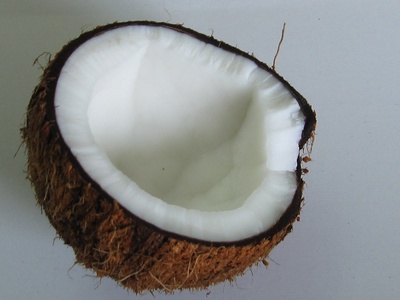
Coconut
Tall palm with a fibrous husk and round drupes. Find coconuts along beaches, village yards, and road edges. Flesh, milk and water are staple foods; shells and fronds used in crafts and ceremonial life.
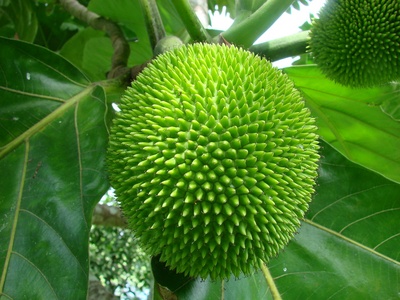
Breadfruit
Large round green fruit with starchy flesh. Common in village groves and home gardens. Bake, roast, boil or ferment; central to Samoan feasts and traditional diets. Seasonality varies by tree.
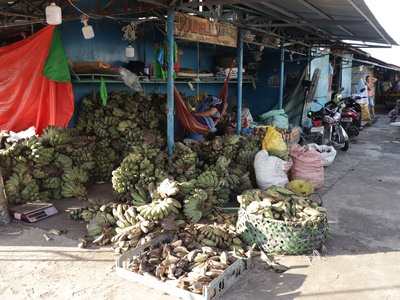
Banana
Clusters of yellow or red fruits on tall herbaceous stems. Widely grown in home gardens and roadside stands. Many local types used raw, fried, or baked in traditional umu.
Plantain
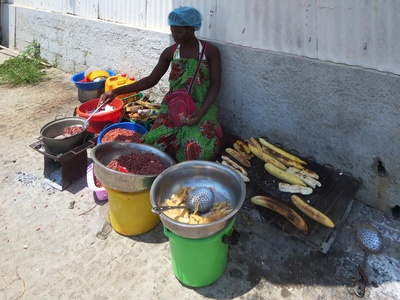
Starchy, larger bananas used as a staple when green. Found in village gardens and markets. Cooked in umu, fried or mashed; key carbohydrate in many meals.
Papaya
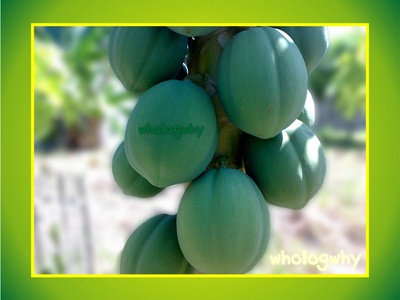
Soft orange flesh with central black seeds. Common in backyard gardens and roadside plantings. Young green fruit cooked; ripe fruit eaten fresh and used for tenderizing meats and medicinal remedies.
Mango
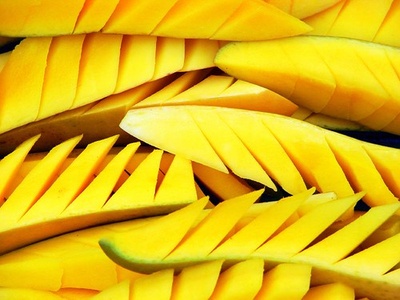
Oval fruit with sweet flesh and a large stone. Grows in home gardens and village orchards. Beloved seasonal treat; many local trees, often shared during harvest.
Pineapple
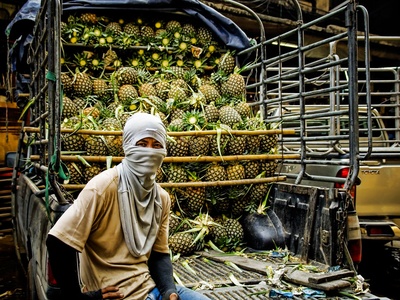
Spiky crown and rough segmented skin. Cultivated in gardens and small farms. Sweet-tart flesh used fresh, grilled or preserved; common roadside fruit to buy.
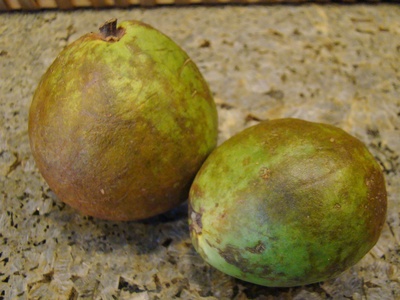
Guava
Round to oval with soft flesh, white or pink. Frequently naturalized along roads and in gardens. Tart-sweet flavor used fresh, in drinks and traditional remedies.
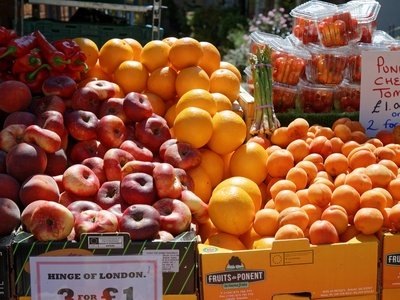
Orange
Round citrus with sweet segmented flesh. Grown in home gardens and small orchards. Used for fresh eating and juices; varieties vary in sweetness.
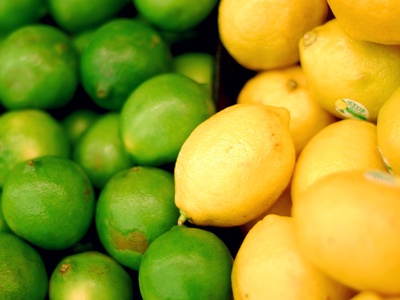
Lemon/Lime
Small to medium tart citrus used widely as seasoning and in drinks. Often found in village gardens and markets; indispensable in cooking and household uses.
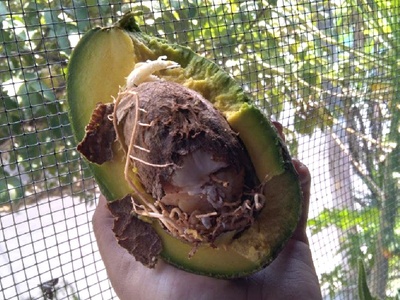
Avocado
Green to black bumpy fruit with creamy flesh and large seed. Trees dot village yards and farms. Eaten fresh, in salads or as a sandwich spread; prized for fat content.
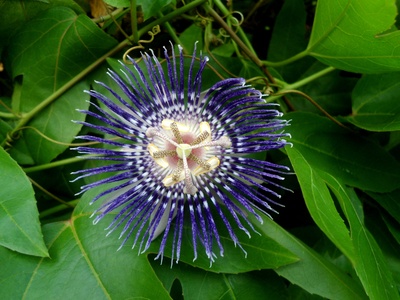
Passionfruit
Small round or oval fruit with wrinkled skin and seedy aromatic pulp. Grows on vines in hedges and gardens. Popular in drinks, sauces and desserts; sold at markets.
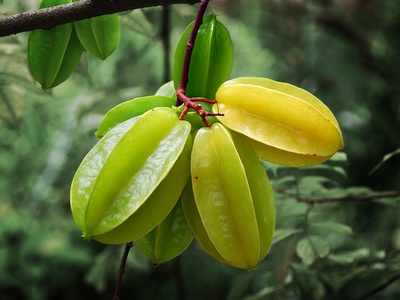
Starfruit (Carambola)
Yellow, 5-angled fruit with crisp sweet-tart flesh. Grown in home gardens and roadside trees. Sliced for salads, drinks or eaten raw; distinctive star shape when cut.
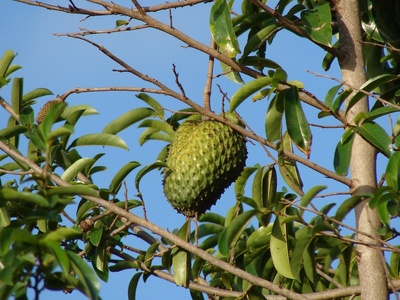
Soursop (Graviola)
Large spiky green fruit with fragrant white pulp. Found in home gardens and small farms. Eaten fresh, blended into drinks; traditional medicinal uses for pulp and leaves.
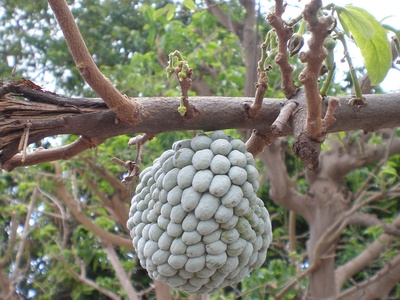
Sugar-apple (Sweetsop)
Round knobbly fruit with soft segmented sweet flesh. Grows in home gardens. Pulpy, fragrant flesh scooped out raw or used in desserts and snacks.
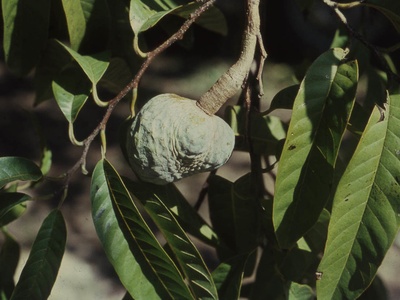
Custard apple (Bullock’s heart)
Smooth to slightly lumpy skin with creamy sweet flesh. Less common than sweetsop but present in gardens. Eaten fresh as a dessert fruit.
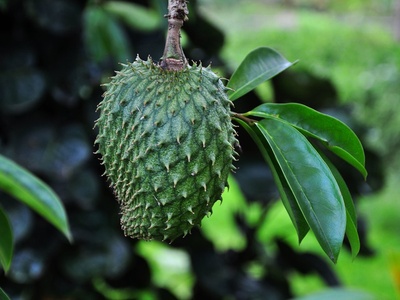
Jackfruit
Very large oblong fruit with strong aroma and sweet bulbs when ripe. Found in village orchards. Young flesh cooked as vegetable; ripe bulbs eaten fresh or dried.
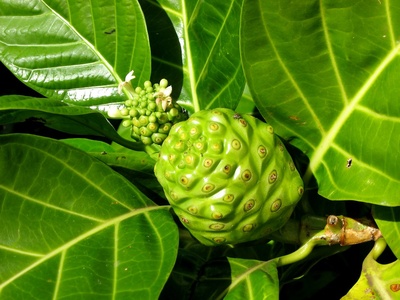
Noni
Bumpy yellow-green fruit with pungent odor; widely cultivated and wild. Valued for traditional medicinal preparations and fermented juice exported as health product.
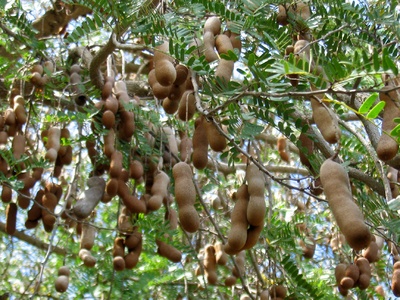
Tamarind
Brown pod with sticky tart-sweet pulp surrounding seeds. Common in yards and village trees. Pulp used in sauces, drinks, and as a traditional snack.
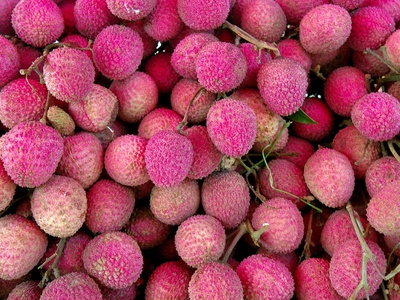
Lychee
Small round fruit with rough red skin and translucent juicy flesh. Grown in some home gardens and small orchards. Sweet, aromatic pulp eaten fresh or used in desserts.
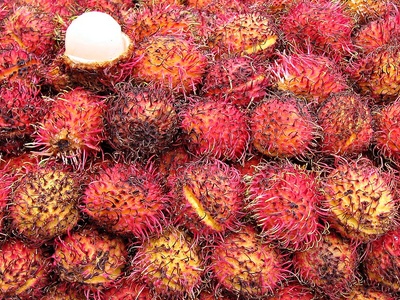
Rambutan
Hairy red or yellow skinned fruit with translucent sweet flesh. Cultivated in home gardens and orchards. Popular seasonal treat sold at markets.
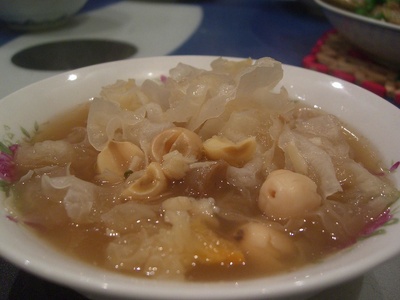
Longan
Small brown-skinned fruit with clear translucent pulp and single hard seed. Grown in some gardens. Eaten fresh and used in sweet dishes; less common than lychee or rambutan.

Mango steen/Star apple
Round purple or green fruit with sweet, gelatinous pulp inside. Occasionally grown in home gardens; eaten fresh as a dessert fruit.
Breadnut (Polynesian chestnut)
Hard-shelled pods containing starchy seeds roasted or boiled. Found in village groves and traditional agroforestry systems. Important traditional carbohydrate and ceremonial food.
Mamaki/Indian jujube
Small round to oblong fruit turning red-brown when ripe. Grown in some home gardens and fences. Eaten fresh or dried; used locally in preserves.
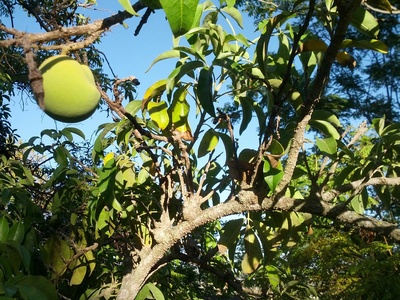
White sapote
Round greenish fruit with soft sweet flesh. Present in some backyard orchards. Mild, custardy texture eaten fresh; less common but appreciated locally.