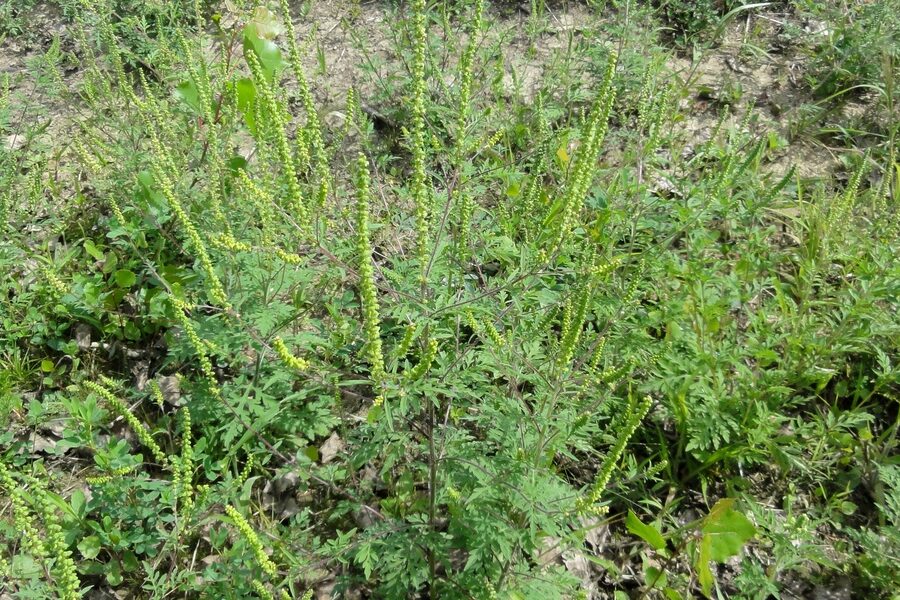
Bahrain’s islands and coastal habitats sit at the crossroads of shipping, tourism and urban growth, which makes the country both ecologically rich and vulnerable to non-native arrivals. From mosquitoes to agricultural pests, these introductions can affect public health, palms and local ecosystems in surprisingly short order.
There are 8 Invasive Species in Bahrain, ranging from Aedes aegypti to Red palm weevil. For each species you’ll find below clear entries organized by Scientific name, Status & impact, and Origin & pathway so you can quickly scan risks and likely arrival routes — see the list you’ll find below.
How do these invasive species usually arrive in Bahrain?
Most arrive via human activities: shipping containers, imported plants or timber, ballast water and accidental stowaways on vehicles or cargo. Climate suitability and disturbed habitats in urban or cultivated areas help them establish once introduced.
What practical steps can residents and authorities take to reduce their impact?
Early detection, tighter controls on plant and timber imports, public reporting of suspicious pests, targeted surveillance at ports, and habitat management (reducing standing water, inspecting palms) are effective measures to limit spread and damage.
Invasive Species in Bahrain
| Common name | Scientific name | Status & impact | Origin & pathway |
|---|---|---|---|
| Red palm weevil | Rhynchophorus ferrugineus | Established — severe pest killing date palms | South/Southeast Asia; spread via infested palms and trade |
| Common myna | Acridotheres tristis | Established — aggressive urban bird, displaces natives, nuisance | South Asia; introduced via release/escape and commensal spread |
| House crow | Corvus splendens | Established — scavenger spreading waste and pathogens | South Asia; arrived via ships and port movements |
| Black rat | Rattus rattus | Established — widespread pest, disease vector and ecological impacts | Asia; historically spread via ships and human settlements |
| Norway rat | Rattus norvegicus | Established — common port and sewer pest, infrastructure damage | Eurasia; spread through maritime trade and shipping |
| House mouse | Mus musculus | Established — food contaminant and disease risk in stores | Eurasia/Africa; global spread with humans and cargo |
| Feral cat | Felis catus | Established — predatory impacts on native wildlife, disease reservoir | Domestic origin; escaped or abandoned pets forming feral populations |
| Aedes aegypti | Aedes aegypti | Established — dengue and arbovirus vector, human-health risk | Africa; spread via shipping, trade and container transport |
Images and Descriptions
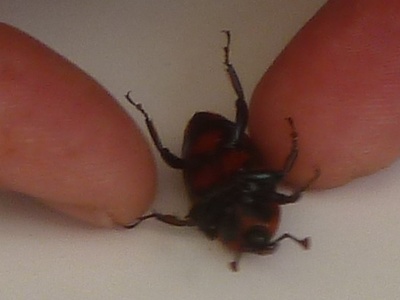
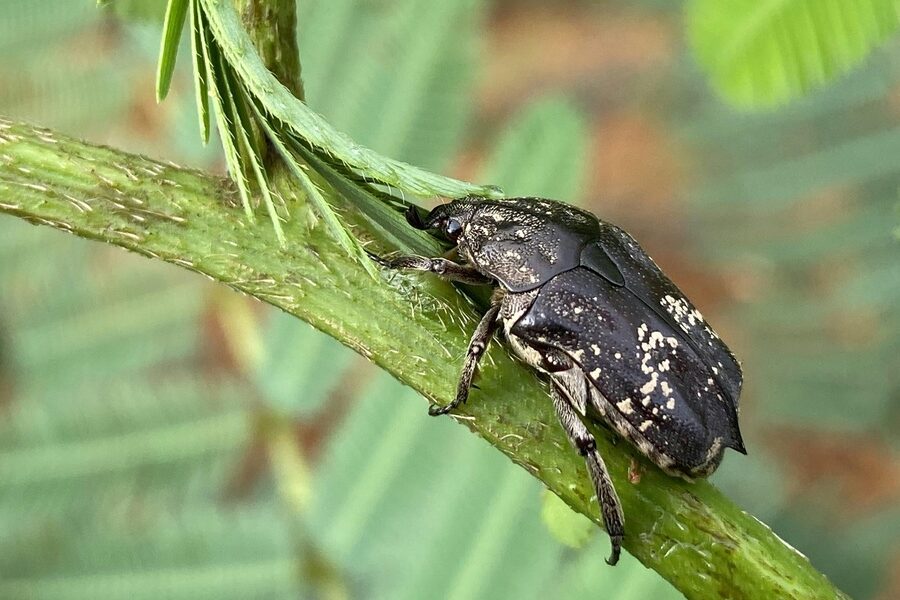
Red palm weevil
Large snout beetle established across Bahrain’s date‑growing areas; bores into palms causing tree death, major economic losses. Detected in plantations and urban palms; control relies on pheromone trapping, chemical treatment and regular inspections to protect valuable date crops.
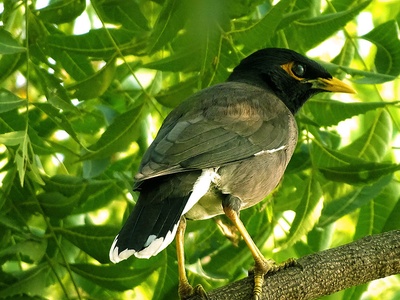
Common myna
Bold, noisy urban bird now common in Manama and coastal towns; outcompetes native birds, damages fruit, spreads waste. Often nests in buildings; management includes trapping and public awareness to reduce feeding and nesting sites.
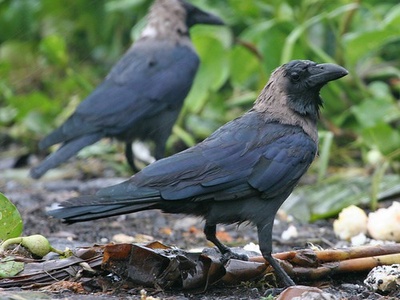
House crow
Synanthropic crow found near ports, markets and coastal neighborhoods in Bahrain; scavenges waste, preys on chicks, and spreads pathogens. Arrived via shipping; control efforts focus on waste management, nest removal and targeted culling where permitted.

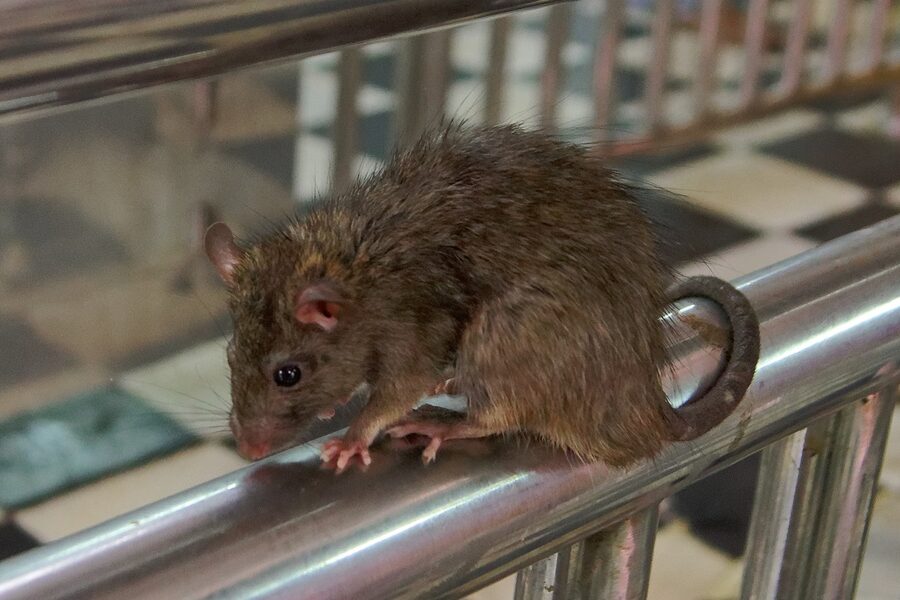
Black rat
Arboreal rodent widespread in urban, coastal and agricultural areas of Bahrain; contaminates food, damages structures and preys on native fauna. Introduced historically via ships; control involves trapping, baiting and sanitation improvements.
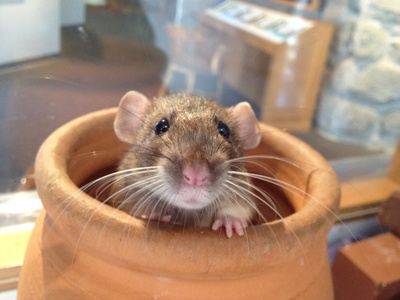
Norway rat
Ground-dwelling rodent common in ports, sewer systems and farms; causes infrastructure damage, agricultural losses and disease transmission. Arrived with maritime trade; management uses integrated pest control and improved waste management.
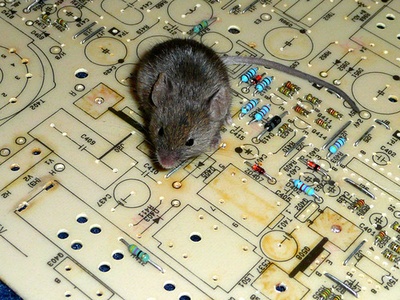
House mouse
Small commensal rodent established across urban and rural Bahrain; contaminates food stocks and transmits pathogens. Spread globally with humans via shipping and goods; control centers on exclusion, sanitation and trapping.
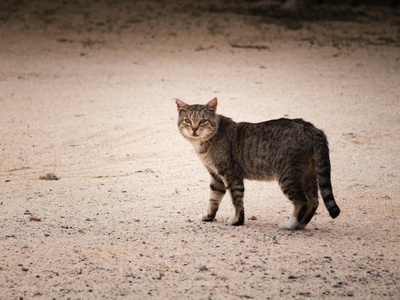
Feral cat
Free-roaming cats widespread in urban, suburban and island sites; significant predators of birds, reptiles and small mammals, and a disease reservoir. Originates from domesticated cats abandoned or bred ferally; management includes neutering, sheltering and targeted removal.
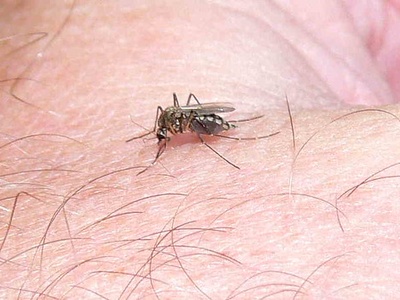
Aedes aegypti
Container-breeding mosquito established in urban Bahrain; vector of dengue, Zika and chikungunya with public-health implications. Native to Africa; spread via shipping and transported water containers; control includes source reduction, larviciding and community vector control.