Cape Verde’s islands sit at the crossroads of Atlantic currents and human travel, giving them distinctive habitats and a high sensitivity to outside influences. That mix of isolation and connectivity means non-native species can have outsized effects on native plants, seabirds and livelihoods.
There are 10 Invasive Species in Cape Verde, ranging from Black rat to Tropical house gecko. For each species you’ll see the columns Scientific name,Islands present,Impact (type; severity 1-5); details you’ll find below.
How do these species typically arrive on the islands?
Most arrivals are accidental: stowaway rodents and insects on ships or planes, hitchhiking plants in cargo or soil, and escaped pets. Ports, increased tourism and trade raise the risk, so biosecurity measures (inspections, clean packing, public awareness) are the most practical prevention tools.
Which species should managers prioritize and how is impact measured?
Priorities combine geographic spread and impact score: species present on multiple islands with high severity (4–5) get urgent attention. Impact here covers type (predation, competition, habitat change) and severity (1–5), helping managers focus on harms like rat predation on seabirds or invasive plants displacing native flora.
Invasive Species in Cape Verde
| Name | Scientific name | Islands present | Impact (type; severity 1-5) |
|---|---|---|---|
| Black rat | Rattus rattus | Santo Antão;São Vicente;São Nicolau;Sal;Boa Vista;Maio;Santiago;Fogo;Brava | Predation on birds, crops;5 |
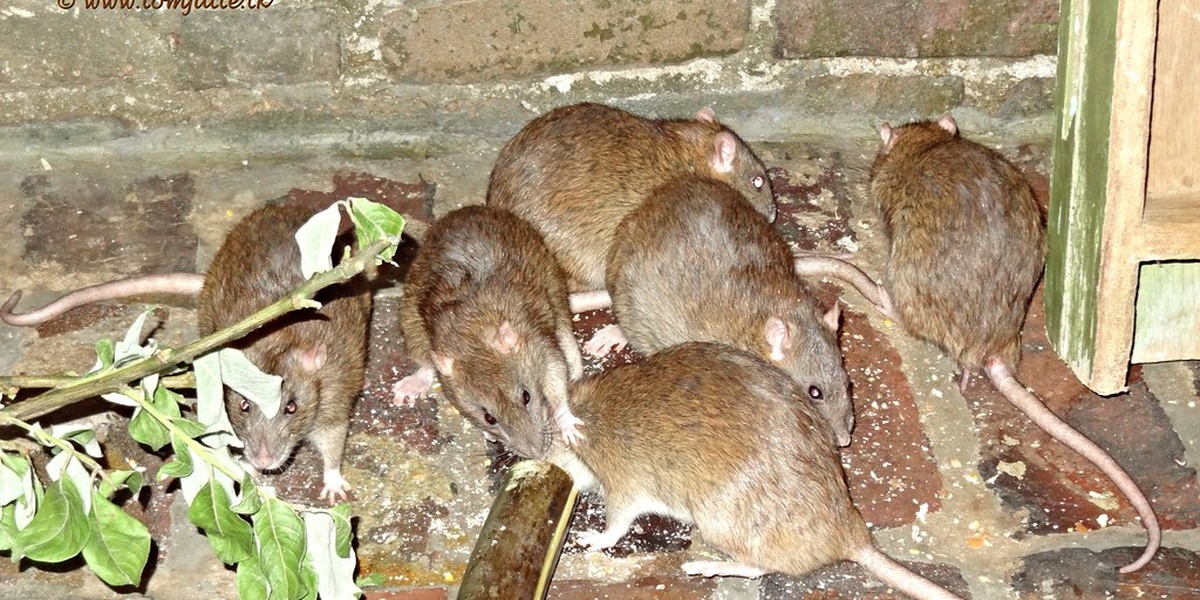
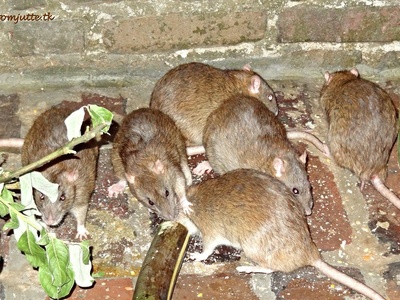
| Brown rat | Rattus norvegicus | São Vicente;Sal;Santiago;Boa Vista | Food store and infrastructure damage;4 |
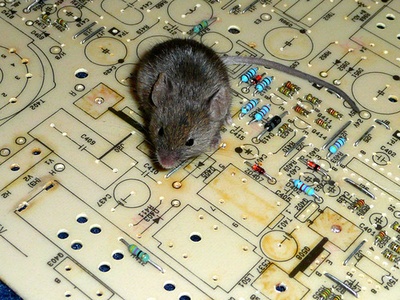
| House mouse | Mus musculus | Santo Antão;São Vicente;São Nicolau;Sal;Boa Vista;Maio;Santiago;Fogo;Brava | Crop and stored-food damage;3 |
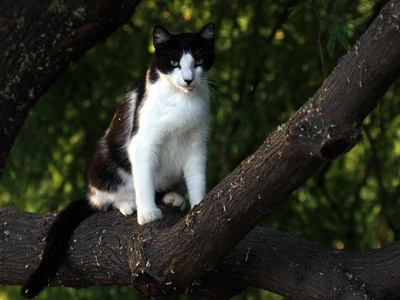
| Feral cat | Felis catus | Santo Antão;São Vicente;São Nicolau;Sal;Boa Vista;Maio;Santiago;Fogo;Brava | Predation on wildlife;5 |
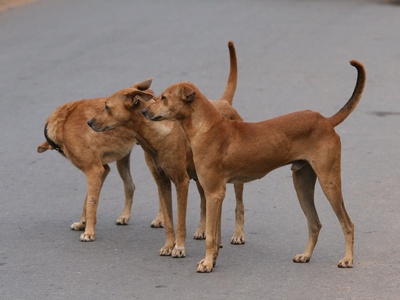
| Feral dog | Canis lupus familiaris | Santo Antão;São Vicente;São Nicolau;Sal;Boa Vista;Maio;Santiago;Fogo;Brava | Predation, disease transmission;4 |
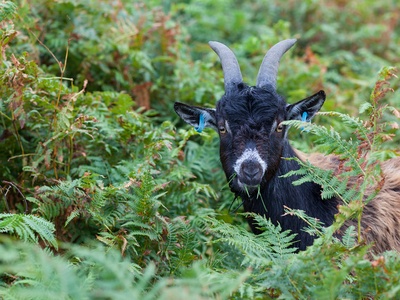
| Feral goat | Capra hircus | Santo Antão;São Vicente;São Nicolau;Sal;Boa Vista;Maio;Santiago;Fogo;Brava | Overgrazing;erosion;5 |
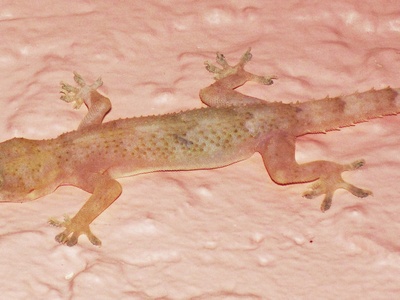
| Tropical house gecko | Hemidactylus mabouia | Santo Antão;São Vicente;São Nicolau;Sal;Boa Vista;Maio;Santiago;Fogo;Brava | Competition with native geckos;2 |
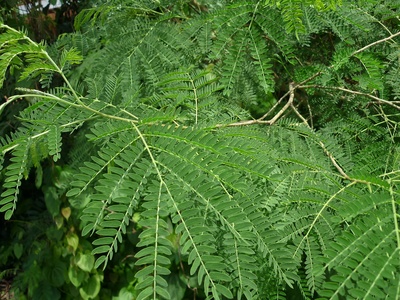
| Leucaena | Leucaena leucocephala | Santiago;Fogo;Santo Antão;Boa Vista;Maio | Habitat replacement;invasive shrub;3 |
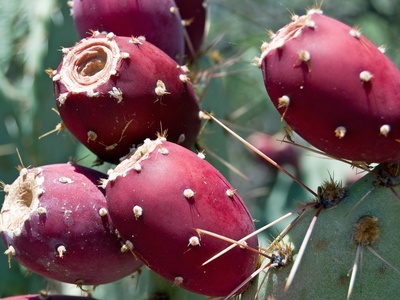
| Prickly pear cactus | Opuntia ficus-indica | Santo Antão;São Vicente;São Nicolau;Sal;Boa Vista;Santiago | Soil stability;can become invasive;2 |
| Mesquite | Prosopis juliflora | Santiago;Boa Vista;Sal | Shrub encroachment;water use;4 |
Images and Descriptions

Black rat
The black rat is widespread across Cape Verde islands, introduced with ships centuries ago. It preys on seabirds, eggs and seedlings, spreads disease and damages crops. Control is difficult, key target on seabird colony restoration projects.
Brown rat
The brown rat occurs mainly around ports and towns. Arrived by ships, it eats food stores, seeds and can outcompete black rats locally. It poses public-health concerns and complicates island pest control efforts.
House mouse
House mice are common in settlements across Cape Verde, arriving with humans. They damage stored food, transmit parasites and can impact small native fauna. Control focuses on hygiene and baiting in homes and farms.
Feral cat
Feral and free-roaming cats widely prey on seabirds, reptiles and small mammals. Introduced by settlers, they are a major threat to island endemics; management includes trapping, neutering and removal near sensitive breeding sites.
Feral dog
Free-roaming dogs attack livestock and wildlife, spread disease like rabies and disturb nesting birds. Originating from domestic animals, they are managed variably by owners and communities; targeted removal or vaccination reduces impacts.
Feral goat
Feral goats, introduced for livestock, graze native vegetation heavily, causing erosion and habitat loss on slopes and dry areas. They hinder ecosystem recovery; control includes fencing, population reduction and managed grazing.
Tropical house gecko
The tropical house gecko arrived via ships and cargo and is common around buildings. It competes with and sometimes displaces native geckos, altering household insect predator communities; eradication is rarely feasible.
Leucaena
Introduced for fodder and soil improvement, leucaena forms dense stands that outcompete native plants and alter fire regimes. It spreads quickly from plantings; control uses mechanical removal and grazing management.
Prickly pear cactus
Prickly pear was introduced centuries ago for cochineal production and fencing. It stabilizes soils in some areas but can form dense thickets that hinder native vegetation and land use, sometimes controlled mechanically.
Mesquite
Mesquite was introduced for forage and shade; it invades dry ravines and farmland, forming dense stands that outcompete natives and use scarce groundwater. Control is costly; mechanical removal and follow-up treatments are necessary.