Grenada’s islands host a mix of coastal, agricultural and upland habitats that support many native species — and unfortunately attract non-native plants, insects and pathogens that can change how those systems function. Keeping a clear list helps resource managers, farmers and residents spot problems early and prioritize responses.
There are 20 Invasive Species in Grenada, ranging from African tulip tree to Yellow fever mosquito. Each entry lists Scientific name,Status in Grenada,Primary locations/habitats in Grenada — details you’ll find below.
How do invasive species on Grenada actually impact ecosystems and people?
Impacts vary by organism but commonly include competition that displaces native plants, altered habitat structure (for example dense invasive trees shading out understory), crop losses from pests, and increased disease risk when vectors like mosquitoes establish. Small islands are particularly vulnerable because native species often have limited ranges and recovery options are constrained.
What practical steps can residents take to limit spread and support control efforts?
Avoid planting known invasive ornamentals, clean soil and seeds from boots and boat equipment, report sightings to local authorities, and follow biosecurity guidance when moving plants or animals. Community reporting and participation in removal or monitoring programs are among the most effective, low-cost actions residents can take.
Invasive Species in Grenada
| Common name | Scientific name | Status in Grenada | Primary locations/habitats in Grenada |
|---|---|---|---|
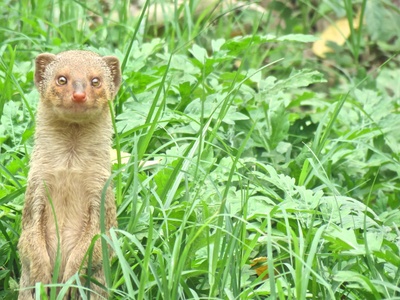
| Small Indian mongoose | Herpestes auropunctatus | Established | Throughout Grenada islands; forests, farms, villages |
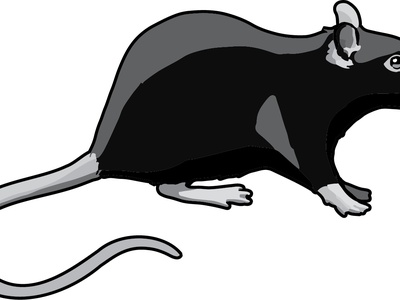
| Black rat | Rattus rattus | Established | Human settlements, farms, plantations, coastal areas |
| Norway (brown) rat | Rattus norvegicus | Established | Ports, urban areas, sewers, lowlands |
| House mouse | Mus musculus | Established | Homes, farms, storage areas, disturbed habitats |
| Feral cat | Felis catus | Established | Urban, rural, coastal, forests |
| Feral dog | Canis familiaris | Established | Villages, agricultural areas, forests |
| Feral pig | Sus scrofa | Established | Forests, agricultural lands, wetlands |
| Goat | Capra hircus | Established | Hillsides, scrub, agricultural margins |
| Tilapia (tilapia spp.) | Oreochromis spp. | Established | Freshwater ponds, rivers, reservoirs |
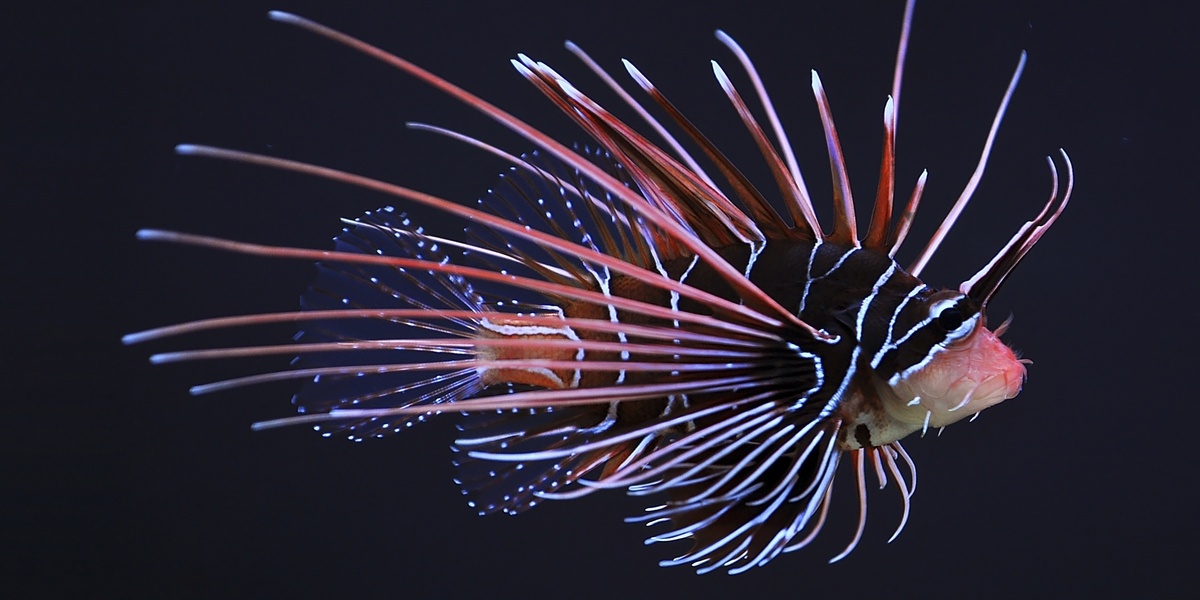
| Lionfish | Pterois volitans/miles | Established | Nearshore reefs, seagrass beds, mangroves |
| Giant African snail | Achatina fulica | Established | Gardens, agricultural fields, disturbed areas |
| Water hyacinth | Eichhornia crassipes | Established | Freshwater ponds, rivers, drains, wetlands |
| Leucaena (lead tree) | Leucaena leucocephala | Established | Roadsides, disturbed lands, coastal scrub |
| Australian pine | Casuarina equisetifolia | Established | Coastal shorelines, dunes, disturbed coastal sites |
| Brazilian pepper | Schinus terebinthifolius | Established | Coastal forests, disturbed sites, dry scrub |
| African tulip tree | Spathodea campanulata | Established | Roadsides, secondary forests, disturbed areas |
| Common myna | Acridotheres tristis | Established | Urban areas, agricultural lands, gardens |
| House sparrow | Passer domesticus | Established | Urban and agricultural areas, villages |
| Brown anole | Anolis sagrei | Established | Urban gardens, scrub, forests, shoreline |
| Yellow fever mosquito | Aedes aegypti | Established | Urban, peri‑urban, containers, stagnant water |
Images and Descriptions
Small Indian mongoose
Introduced to control rodents in plantations, the mongoose preys on native birds, reptiles and eggs, disrupting wildlife and spreading disease. It is widespread, aggressive, and a major threat to ground‑nesting species and biodiversity.
Black rat
Arboreal and adaptable, black rats consume crops, seeds, native bird eggs and young. They damage infrastructure, carry pathogens and are a primary driver of island biodiversity loss, especially for ground‑nesting birds and reptiles.
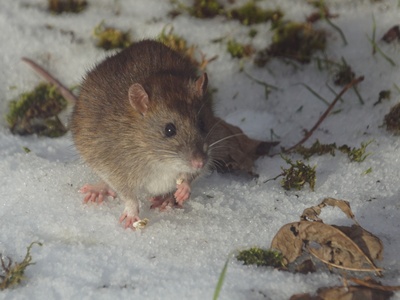
Norway (brown) rat
Larger, burrowing rats that damage crops, stored food and infrastructure. They spread disease to humans and livestock, compete with native fauna, and complicate conservation efforts on beaches and wetlands.
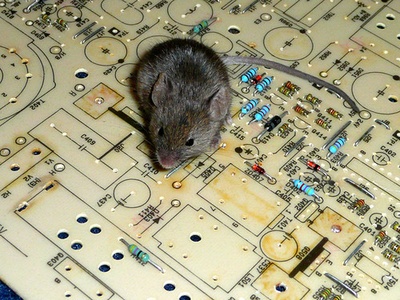
House mouse
Small generalist pest that consumes stored food, seeds and insect prey. Mice can alter food webs, damage crops and spread disease; they often reach high densities in disturbed and human‑dominated areas.
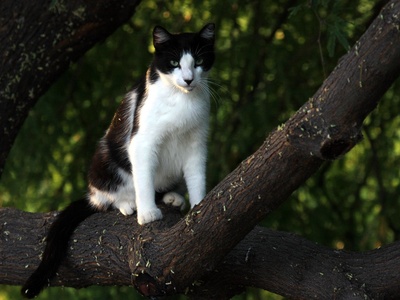
Feral cat
Feral cats hunt birds, reptiles and small mammals, contributing to native species declines and disease transmission. They are prolific breeders and a significant conservation concern on islands with vulnerable endemic fauna.
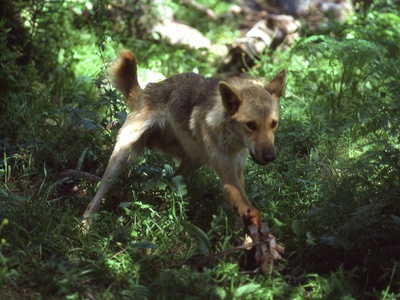
Feral dog
Free‑roaming dogs can attack livestock and wildlife, spread disease (rabies, parasites), and harass communities. They disrupt nesting seabirds and ground fauna, and pose public‑safety and animal welfare challenges.
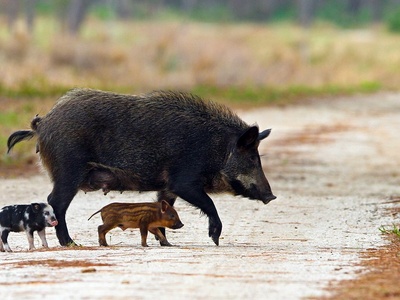
Feral pig
Pigs root vegetation, disturb soils, destroy crops and native plant regeneration, and spread invasive plant seeds. Their foraging alters habitats, increasing erosion and facilitating other invasives.
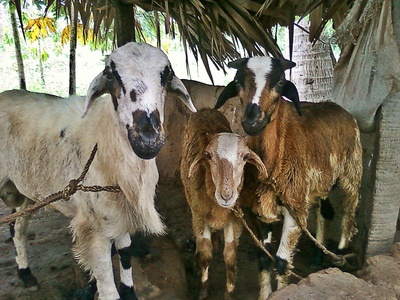
Goat
Feral goats browse native vegetation heavily, preventing forest regeneration, accelerating erosion, and transforming habitats into degraded scrubland, harming native plants and dependent animals.
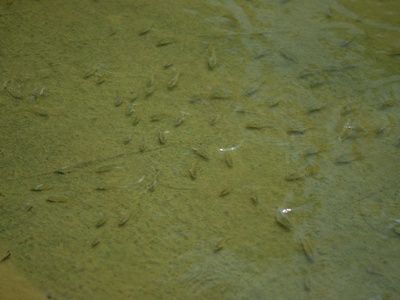
Tilapia (tilapia spp.)
Introduced for aquaculture, tilapia compete with native fish, alter food webs, increase turbidity and vegetation loss. They reproduce readily, dominate freshwater systems and reduce native fish and invertebrate populations.
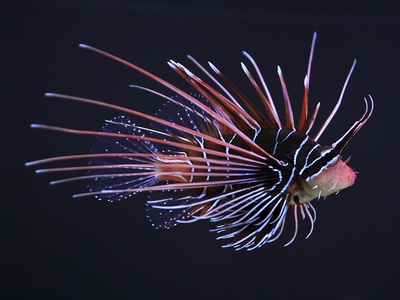
Lionfish
A voracious Indo‑Pacific predator, lionfish reduce juvenile reef fish densities and biodiversity. They have few local predators, reproduce year‑round, and negatively affect reef resilience and fisheries.
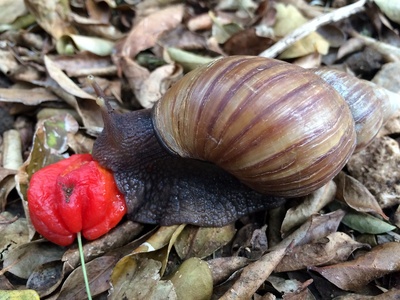
Giant African snail
Large, prolific snail that feeds on crops and native plants; it transmits plant pathogens and poses a human‑health risk (rat lungworm). It damages agriculture and is hard to eradicate once established.
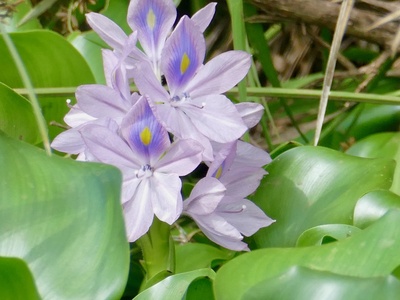
Water hyacinth
Floating plant that forms dense mats, blocking waterways, reducing oxygen, harming fish, and impeding navigation and drainage. It clogs irrigation and increases mosquito habitat, needing costly control measures.
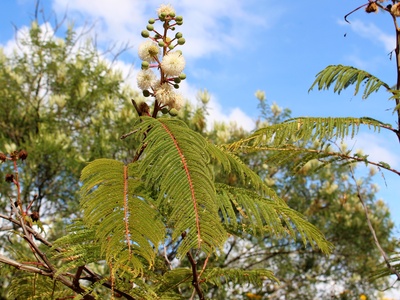
Leucaena (lead tree)
Fast‑growing leguminous tree that invades disturbed sites, forming dense stands that outcompete natives and alter soil nitrogen. It reduces forage quality and changes succession on degraded lands.
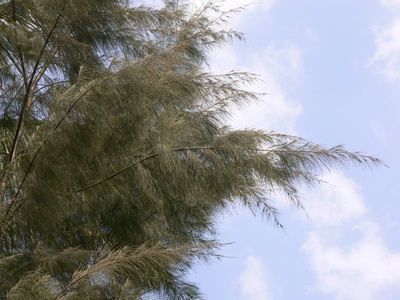
Australian pine
Coastal tree that stabilizes some soils but displaces native dune vegetation, alters sand movement, and reduces habitat for shorebirds. Dense stands can lower understorey biodiversity and change coastal ecology.
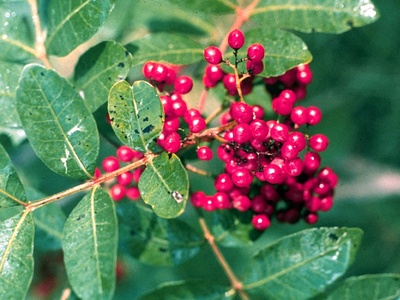
Brazilian pepper
Aggressive shrub/tree that forms dense thickets, displacing native plants and altering fire regimes. It reduces habitat quality for wildlife and is difficult to remove once established.
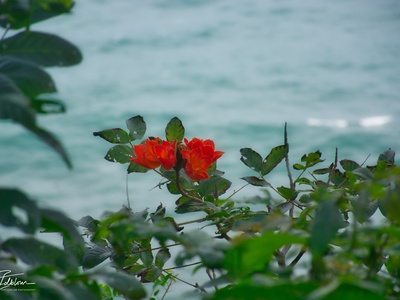
African tulip tree
Ornamental escapee that invades disturbed forests and edges, shading out native seedlings. It grows fast, produces abundant seeds, and changes forest structure and species composition.
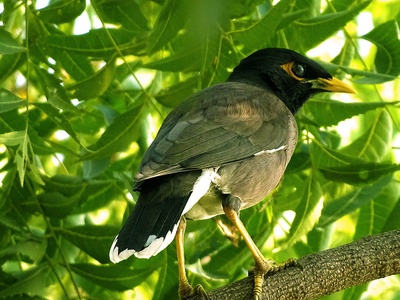
Common myna
Highly adaptable bird that competes for nest sites, displaces native birds and consumes fruit and insects. Mynas can become noisy, abundant pests around towns and farms.
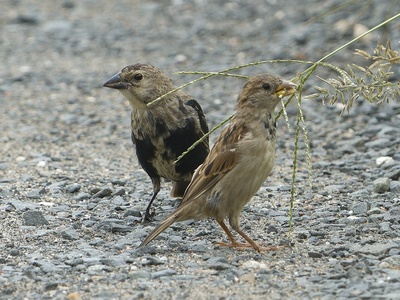
House sparrow
Introduced commensal bird associated with humans, feeds on seeds and insects, competes with native birds for resources and nesting sites, and sometimes damages crops and stored seeds.
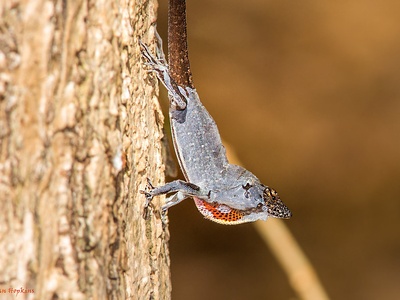
Brown anole
Small invasive lizard that outcompetes many native anoles for food and perch sites. Extremely common in disturbed habitats, it alters insect populations and microhabitat use by native reptiles.
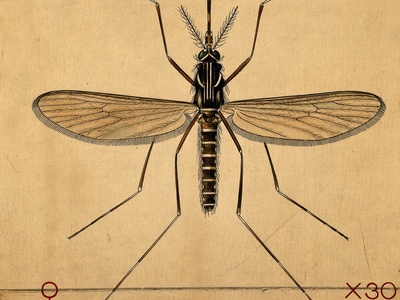
Yellow fever mosquito
A human‑biting mosquito introduced from Africa, vector of dengue, Zika and chikungunya. Thrives in containers and urban areas, posing public‑health risks and complicating vector control.