Guatemala’s landscapes—from volcanic highlands and cloud forests to Caribbean and Pacific coasts—support high biodiversity and important crops, but those same routes of trade and travel make the country vulnerable to nonnative species. Invasive plants, insects and pathogens can harm ecosystems, reduce yields and create public-health challenges, so a clear inventory helps prioritize action.
There are 29 Invasive Species in Guatemala, ranging from Aedes aegypti (mosquito; zancudo) to Whitefly (mosca blanca). For each species the list shows Scientific name,Origin (native range),Guatemala distribution so you can quickly see origin and where each is established locally — you’ll find below.
How do invasive species typically reach Guatemala?
They arrive by many pathways: international trade (contaminated cargo, wood packaging), ballast water and hull fouling, imported ornamental plants and seedlings, the pet and aquarium trade, and accidental transport on people or vehicles. Climate change and changing land use can make establishment more likely, so prevention at ports and stronger biosecurity are the most cost-effective defenses.
What should farmers and residents do if they spot one of these species?
Document the sighting with clear photos, note the location and date, and report it to local agricultural or environmental authorities (or extension services). Avoid moving plants, soil or suspect specimens, follow official guidance for containment, and share information with neighbors to limit spread while specialists assess and respond.
Invasive Species in Guatemala
| Name | Scientific name | Origin (native range) | Guatemala distribution |
|---|---|---|---|
| Aedes aegypti (mosquito; zancudo) | Aedes aegypti | Africa | Nationwide, urban and peri-urban |
| Aedes albopictus (tiger mosquito) | Aedes albopictus | Asia | Widespread, urban and rural edges |
| Honey bee (abeja melífera; Africanized hybrid) | Apis mellifera | Europe/Africa | Nationwide, apiaries and wild colonies |
| Black rat (rata negra) | Rattus rattus | Asia | Ports, towns, farms, coastal areas |
| Brown rat (rata de alcantarilla) | Rattus norvegicus | Asia | Urban areas, sewers, farms |
| House mouse (ratón doméstico) | Mus musculus | Asia | Nationwide, buildings and farms |
| Feral cat (gato doméstico) | Felis catus | Domestic origin (Eurasia) | Urban, rural, forest edges |
| Feral dog (perro feral) | Canis lupus familiaris | Domestic origin (Eurasia) | Rural, peri-urban, protected areas |
| Feral pig (chancho salvaje) | Sus scrofa | Eurasia | Lowland forests, agricultural areas |
| Cattle (ganado vacuno) | Bos taurus | Eurasia | Nationwide pastures and highlands |
| Goat (cabra doméstica) | Capra hircus | Eurasia | Drylands and hillsides |
| Nile tilapia (tilapia) | Oreochromis niloticus | Africa | Reservoirs, lakes, lowland rivers |
| Sailfin catfish (pleco) | Pterygoplichthys pardalis | Amazon Basin (South America) | Rivers, reservoirs, canals |
| Common carp (carpa común) | Cyprinus carpio | Asia | Ponds, reservoirs, slow rivers |
| Lionfish (pez león) | Pterois volitans | Indo‑Pacific | Caribbean coast, coral reefs |
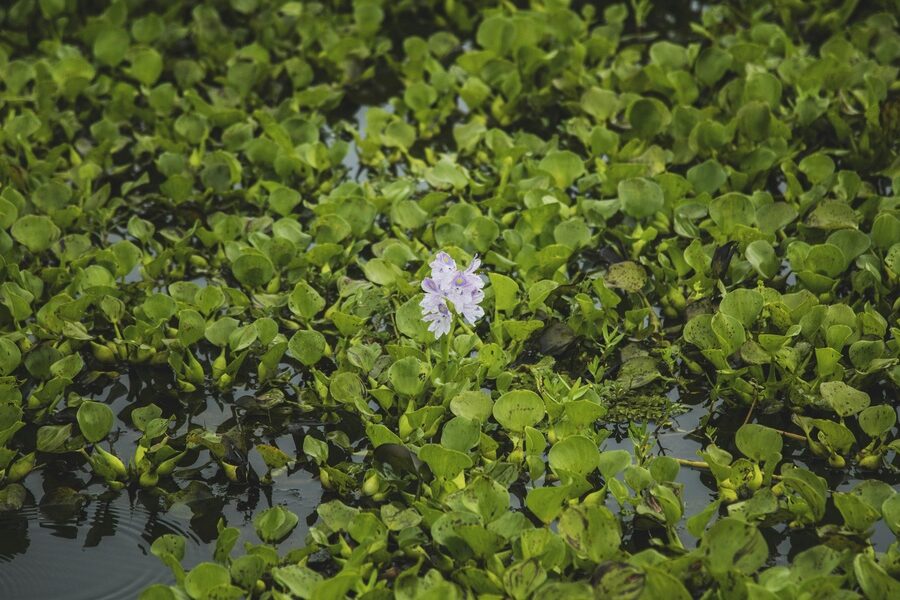
| Water hyacinth (lirio acuático) | Eichhornia crassipes | South America | Rivers, lakes, irrigation canals |
| Giant salvinia (helecho flotante) | Salvinia molesta | South America | Stagnant waters, canals, ponds |
| Golden apple snail (caracol manzana) | Pomacea canaliculata | South America | Rice fields, wetlands, irrigation canals |
| Giant African snail (caracol africano) | Lissachatina fulica | Africa | Urban gardens, farms, ports |
| Red imported fire ant (hormiga de fuego) | Solenopsis invicta | South America | Lowland disturbed sites, pastures |
| Argentine ant (hormiga argentina) | Linepithema humile | South America | Urban areas, coastal and disturbed zones |
| Cogongrass (yerba brava) | Imperata cylindrica | Southeast Asia | Roadsides, pastures, disturbed lands |
| Brachiaria grass (pasto de corte; Brachiaria) | Urochloa brizantha | Africa | Pastures, lowland grazing lands |
| Coffee berry borer (escoba del café) | Hypothenemus hampei | Africa | Coffee-growing highlands |
| Whitefly (mosca blanca) | Bemisia tabaci | Old World tropics | Croplands, greenhouses |
| Coffee leaf rust (roya del café) | Hemileia vastatrix | Africa | Coffee plantations, highlands |
| Mediterranean fruit fly (mosca de la fruta) | Ceratitis capitata | Likely Africa/Mediterranean | Fruit-growing regions, orchards |
| Oriental fruit fly (mosca oriental) | Bactrocera dorsalis | Asia | Fruit-growing regions, lowlands |
| Varroa mite (parásito de abejas) | Varroa destructor | Asia | Apiaries and feral colonies |
Images and Descriptions
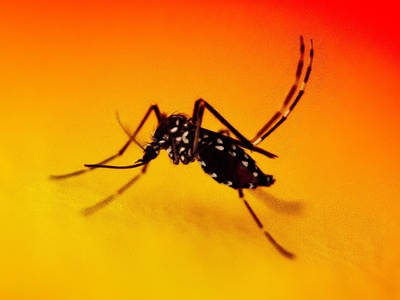
Aedes aegypti (mosquito; zancudo)
Small, dark mosquito that spreads dengue, Zika and chikungunya; thrives in containers around homes and causes major public-health and economic impacts across Guatemala.
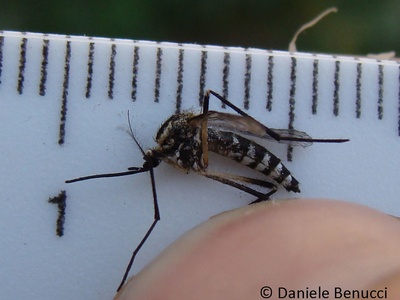
Aedes albopictus (tiger mosquito)
Aggressive daytime biter that transmits some viruses and competes with other mosquitoes; established in many regions and complicates vector control efforts.
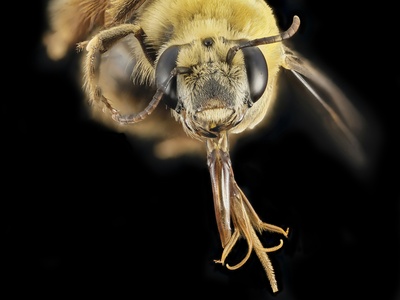
Honey bee (abeja melífera; Africanized hybrid)
Introduced for honey production, now largely Africanized; important pollinator but can outcompete native bees and form aggressive colonies that pose human-wildlife conflict.
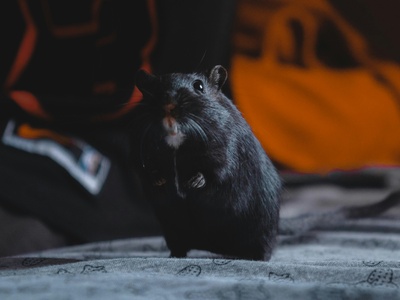
Black rat (rata negra)
Climbing rodent that damages crops, stored food and native bird populations; common around settlements and a vector for disease.
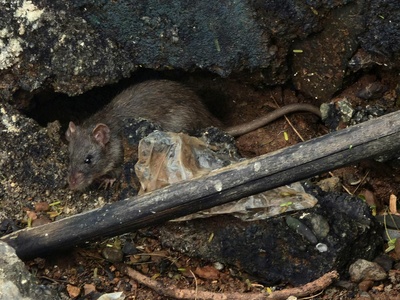
Brown rat (rata de alcantarilla)
Ground-dwelling rodent that spreads disease, damages infrastructure and predates small wildlife; widespread in towns and agricultural areas.
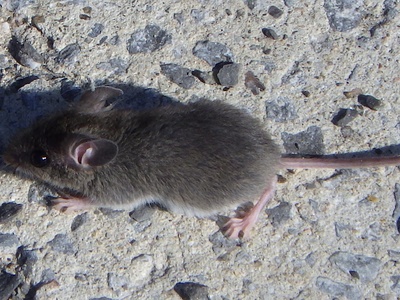
House mouse (ratón doméstico)
Small rodent that invades homes and stores, spreads pathogens and competes with native small mammals.
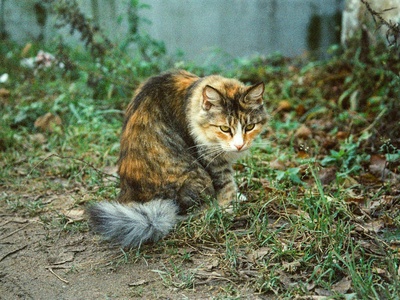
Feral cat (gato doméstico)
Domestic cat populations that hunt birds, reptiles and small mammals; major predator driving declines of native species near human settlements.
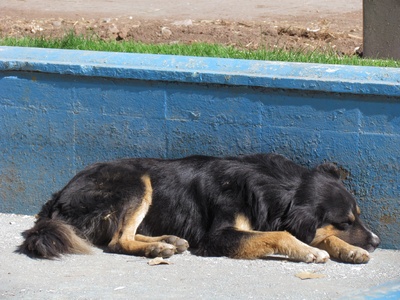
Feral dog (perro feral)
Free-roaming dogs harass wildlife, spread disease to people and animals, and disrupt nesting animals and livestock.
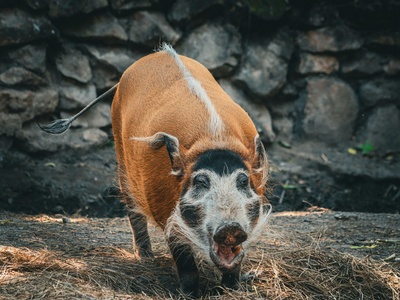
Feral pig (chancho salvaje)
Rooting omnivore that damages crops, wetlands and native vegetation, spreads disease and alters soils and streambanks.
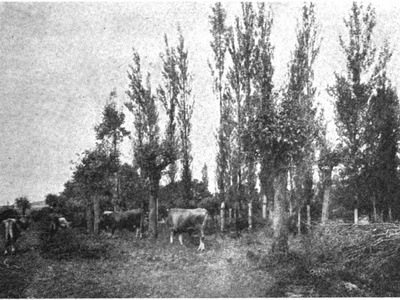
Cattle (ganado vacuno)
Domestic cattle heavily used in Guatemala; grazing and trampling drive deforestation, soil erosion and habitat conversion from native ecosystems.
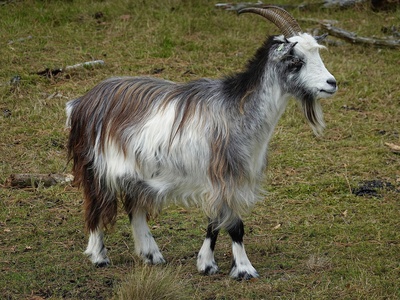
Goat (cabra doméstica)
Goats overgraze fragile slopes and dry forests, causing erosion and loss of native plant communities when unmanaged.
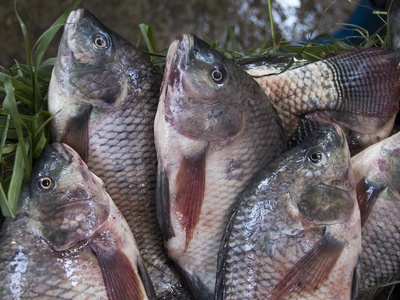
Nile tilapia (tilapia)
Farmed fish that has escaped into wild waters; competes with native fish, alters food webs and affects water quality.
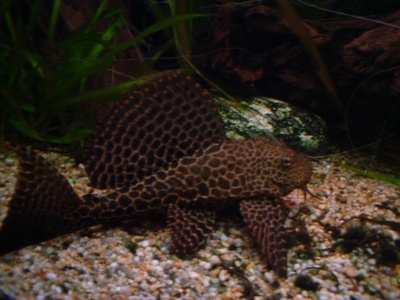
Sailfin catfish (pleco)
Armored catfish that burrows banks, competes with native fish and clogs waterways after aquarium or farm escapes.
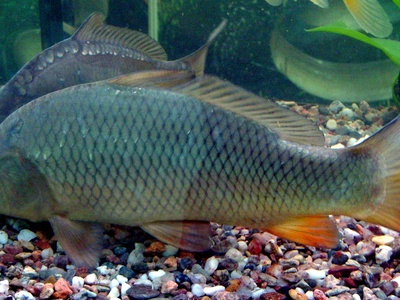
Common carp (carpa común)
Large omnivorous fish that uproots vegetation, increases turbidity and competes with native fish and amphibians where introduced.
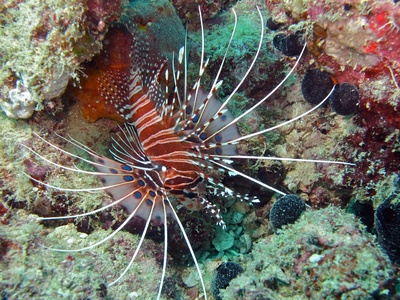
Lionfish (pez león)
Beautiful but voracious reef predator introduced to Caribbean waters; eats native fish, reduces reef resilience and is hard to control.
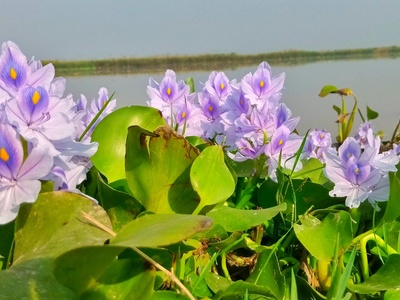
Water hyacinth (lirio acuático)
Floating plant that forms dense mats, blocking waterways, harming fisheries, increasing mosquitoes and clogging irrigation infrastructure.

Giant salvinia (helecho flotante)
Fast‑growing floating fern that smothers water surfaces, reduces oxygen, hampers fishing and irrigation, and is costly to control.
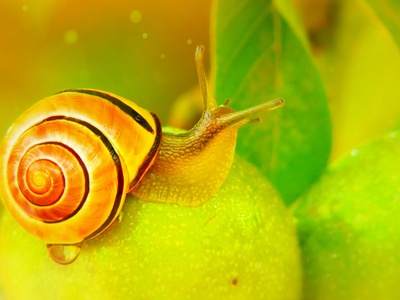
Golden apple snail (caracol manzana)
Large freshwater snail that eats young rice and wetland plants, damaging crops and natural marsh vegetation.
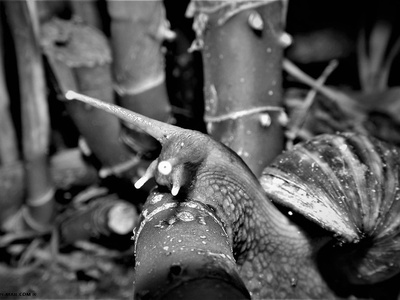
Giant African snail (caracol africano)
Large land snail that eats garden crops, spreads plant pests and can carry parasites harmful to humans.
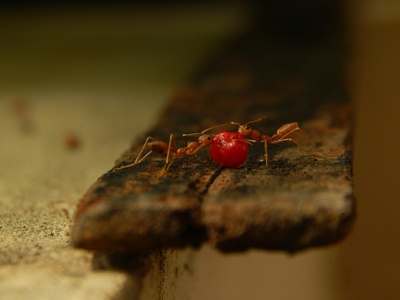
Red imported fire ant (hormiga de fuego)
Aggressive stinging ant that damages crops, livestock, wildlife and infrastructure; forms dense colonies in disturbed habitats.
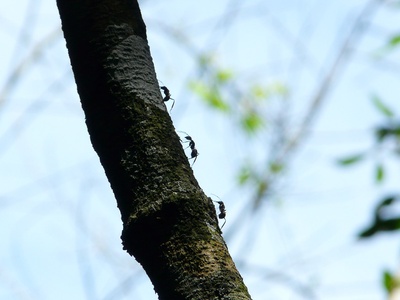
Argentine ant (hormiga argentina)
Small invasive ant that forms supercolonies, displaces native ants and alters invertebrate communities in towns and plantations.
Cogongrass (yerba brava)
Deep‑rooted perennial grass that spreads rapidly after disturbance, fuels intense fires and displaces native plants and forage.
Brachiaria grass (pasto de corte; Brachiaria)
Introduced forage grass that dominates pastures, displaces native vegetation and can reduce biodiversity when widely planted.
Coffee berry borer (escoba del café)
Tiny beetle that bores into coffee cherries, reducing yields and quality; major economic pest for Guatemala’s coffee sector.
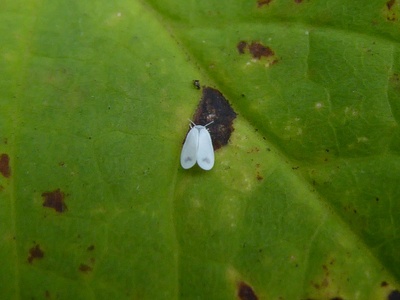
Whitefly (mosca blanca)
Sap-sucking insect that transmits plant viruses, damages vegetables and ornamentals and increases pesticide use.
Coffee leaf rust (roya del café)
Fungal disease that defoliates coffee plants and causes major crop losses, driving increased fungicide use and economic harm to growers.
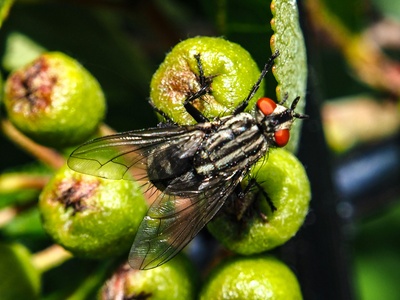
Mediterranean fruit fly (mosca de la fruta)
Highly polyphagous fruit fly that infests many fruits, triggering trade restrictions and costly control measures.
Oriental fruit fly (mosca oriental)
Invasive fruit fly that attacks a wide range of tropical fruits, causing direct crop losses and quarantine problems.
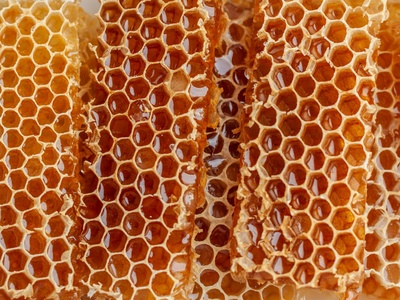
Varroa mite (parásito de abejas)
External mite that weakens honey bees and spreads viruses; major stressor for beekeeping and pollination services.