Uzbekistan’s landscapes—from the Kyzylkum desert to the riparian strips along the Amu Darya—are home to a mix of native wildlife and non-native species that can alter ecosystems and agriculture. Understanding which species are present and where they thrive helps land managers, farmers, and curious readers spot problems early.
There are 10 Invasive Species in Uzbekistan, ranging from Brown rat to Silverleaf nightshade. For each species you’ll find below the Scientific name, Status in Uzbekistan, Habitat locations so you can quickly see identification, current spread, and where they tend to appear; you’ll find below.
How can I tell if a species listed is causing harm locally?
Look for evidence like rapid population growth, displacement of native plants or animals, crop damage, unexplained declines in local species, or changes to soil and water regimes; local agriculture extension offices and environmental agencies can confirm impacts and suggest reporting steps.
What practical steps can residents take to help control these species?
Prevent spread by cleaning equipment and clothing after visiting infested sites, avoiding planting known invasive ornamentals, reporting sightings with photos and locations to authorities, and following guidance from local agencies before attempting removal.
Invasive Species in Uzbekistan
| Name | Scientific name | Status in Uzbekistan | Habitat locations |
|---|---|---|---|
| Common ragweed | Ambrosia artemisiifolia | widespread | dry fields, roadsides, river valleys |
| Colorado potato beetle | Leptinotarsa decemlineata | widespread | potato fields nationwide |
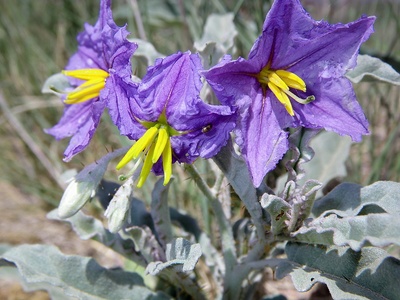
| Silverleaf nightshade | Solanum elaeagnifolium | local-to-widespread | irrigated fields, roadsides, arid plains |
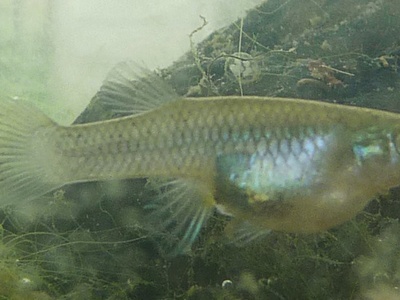
| Mosquitofish | Gambusia affinis | established | irrigation canals, reservoirs, ponds |
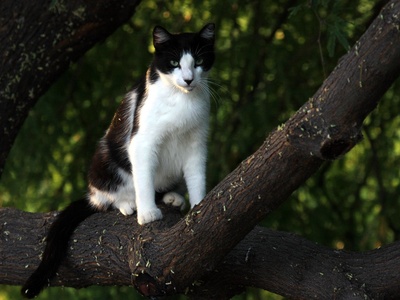
| Feral cat | Felis catus | widespread | urban, rural, oases and agricultural margins |
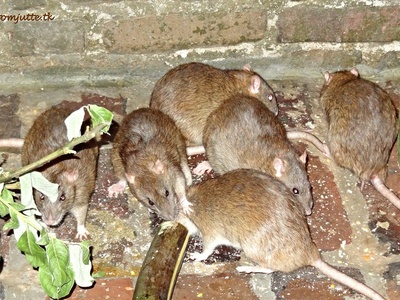
| Brown rat | Rattus norvegicus | widespread | urban areas, farms, granaries, sewers |
| House mouse | Mus musculus | widespread | homes, farms, storage facilities |
| Red flour beetle | Tribolium castaneum | widespread | grain storage, mills, food-processing facilities |
| Canadian horseweed | Conyza canadensis | widespread | fields, roadsides, disturbed urban and agricultural sites |
| Common cocklebur | Xanthium strumarium | local | riverbanks, canal margins, disturbed fields |
Images and Descriptions
Common ragweed
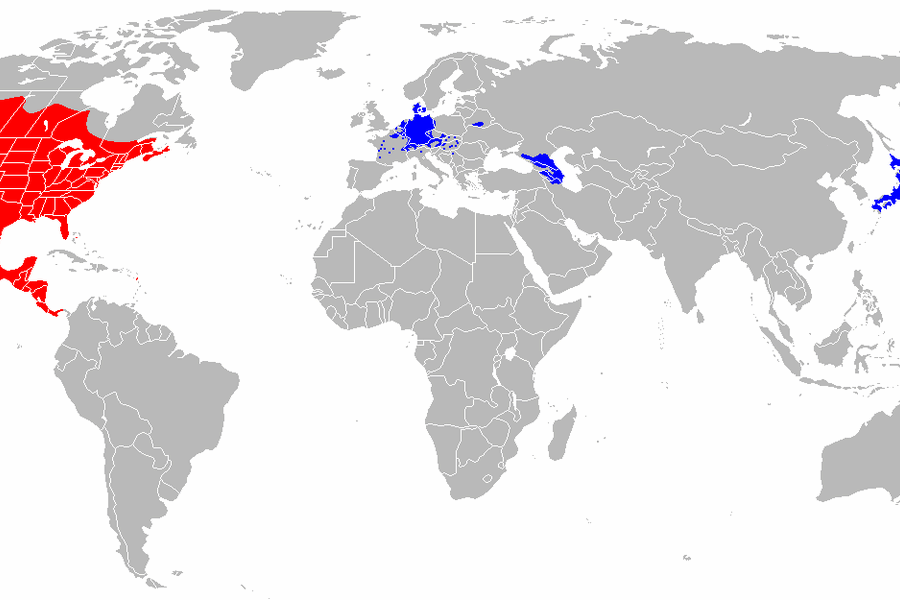
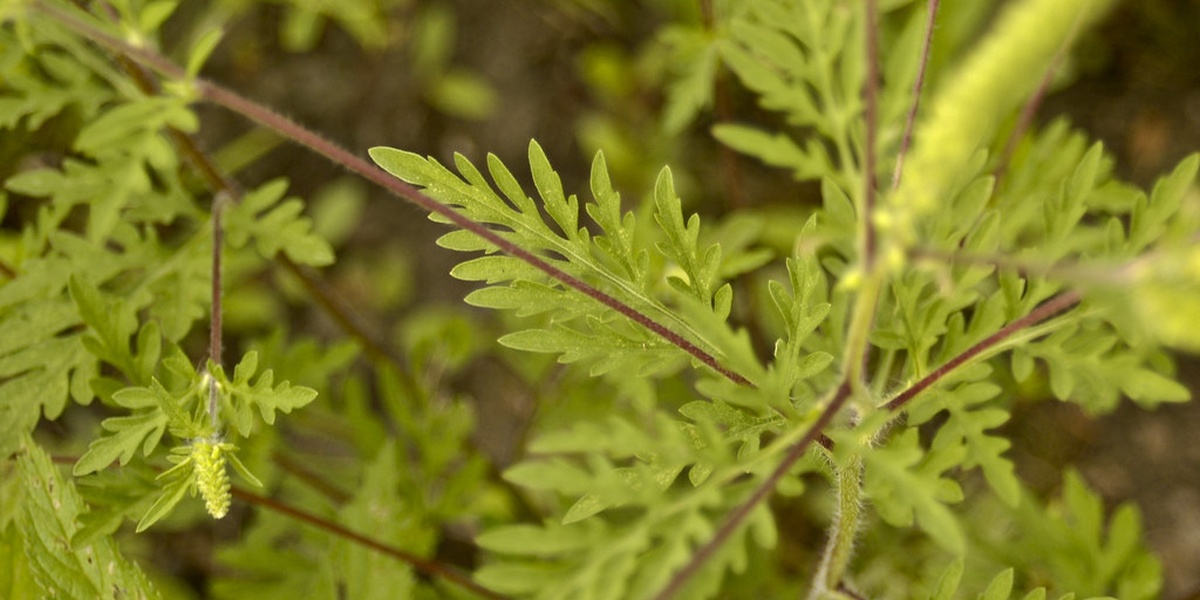
Annual North American weed causing severe pollen allergies and crop competition; introduced via contaminated seed and trade, now widespread in arable fields and disturbed sites in Uzbekistan. Management: mechanical removal, herbicides, seed-cleaning and legislation for prevention.
Colorado potato beetle
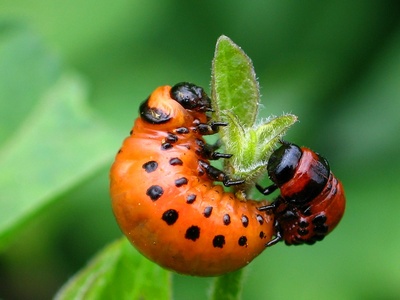
North American beetle, major potato pest introduced via potato cultivation in the 20th century; defoliates crops, causes yield losses and pesticide resistance. Management: integrated pest management, crop rotation, biological control, targeted insecticides and monitoring.
Silverleaf nightshade
Native to the Americas, perennial invasive in Uzbekistan’s arid and irrigated areas; spreads by roots and seed, reduces yields and forage quality. Management: repeated removal, herbicides, grazing control and preventing spread via contaminated machinery.
Mosquitofish
Small North American fish introduced for mosquito control during the Soviet era; now established in canals and reservoirs, preys on native invertebrates and fish larvae, altering aquatic food webs. Management: avoid further releases, habitat restoration and targeted removal where feasible.
Feral cat
Domestic cats turned feral; widespread across urban and rural Uzbekistan and islands of biodiversity, they prey on birds, reptiles and small mammals causing local extinctions and disturbance. Management: trap-neuter-release, removal in sensitive areas, public education and responsible pet ownership.
Brown rat
Commensal rodent likely spread via historical trade; abundant in cities and agricultural sites, causing crop losses, infrastructure damage and disease risk. Management: sanitation, exclusion, trapping, rodenticide use within integrated control programs and monitoring.
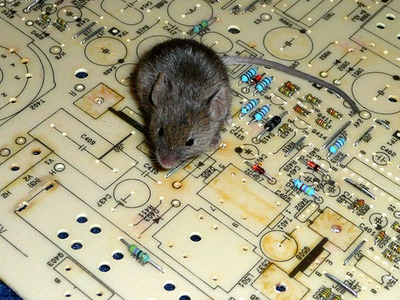
House mouse
Globally invasive commensal present across Uzbekistan; contaminates food, spoils stored grain and transmits pathogens. Management: improved hygiene, rodent-proofing, traps and integrated pest management in storage and dwellings.

Red flour beetle
Cosmopolitan stored-product pest introduced with grain trade; infests flour, cereals and processed foods causing economic losses and contamination. Management: sanitation, temperature control, fumigation, sealing facilities and regular monitoring.
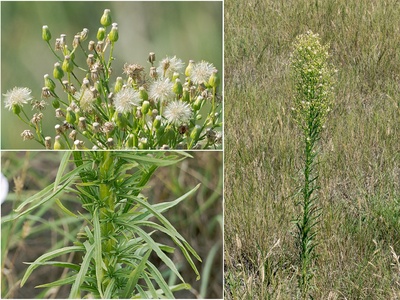
Canadian horseweed
North American annual weed colonizing disturbed soils in Uzbekistan; reduces crop yields, produces abundant wind-dispersed seed and can show herbicide tolerance. Management: timely tillage, cover crops, herbicide rotation and seed-cleaning measures.
Common cocklebur
American-origin annual weed found along waterways and disturbed sites; burs contaminate wool and feed, and some growth stages can be toxic to livestock. Management: pasture management, removing plants before seed set, herbicide application and cleaning machinery.