El Salvador’s varied 200 km of Pacific coastline, mangrove-lined estuaries and inland wetlands support a surprising mix of wildlife despite the country’s small size. Coastal rivers, lagoons and protected patches of forest are where the least common species tend to persist, often out of sight.
There are 8 Rare Animals in El Salvador, ranging from the American crocodile to the Scalloped hammerhead. For each, you’ll find below Scientific name,IUCN status,Where found (El Salvador) so you can quickly see taxonomy, conservation status and local occurrence — take a look at the list you’ll find below.
Which of these species face the greatest conservation risk in El Salvador?
Threat levels vary, but species with limited coastal or estuarine habitat — and those affected by fishing or pollution like the Scalloped hammerhead — tend to be at higher risk; the table below shows IUCN categories to help you identify which need the most protection locally.
How can visitors help without stressing rare animals or breaking rules?
Stick to marked trails and boat routes, follow local guidelines (no feeding or approaching wildlife), support accredited conservation groups and report sightings to authorities; these steps reduce disturbance and help inform local protection efforts.
Rare Animals in El Salvador
| Name | Scientific name | IUCN status | Where found (El Salvador) |
|---|---|---|---|
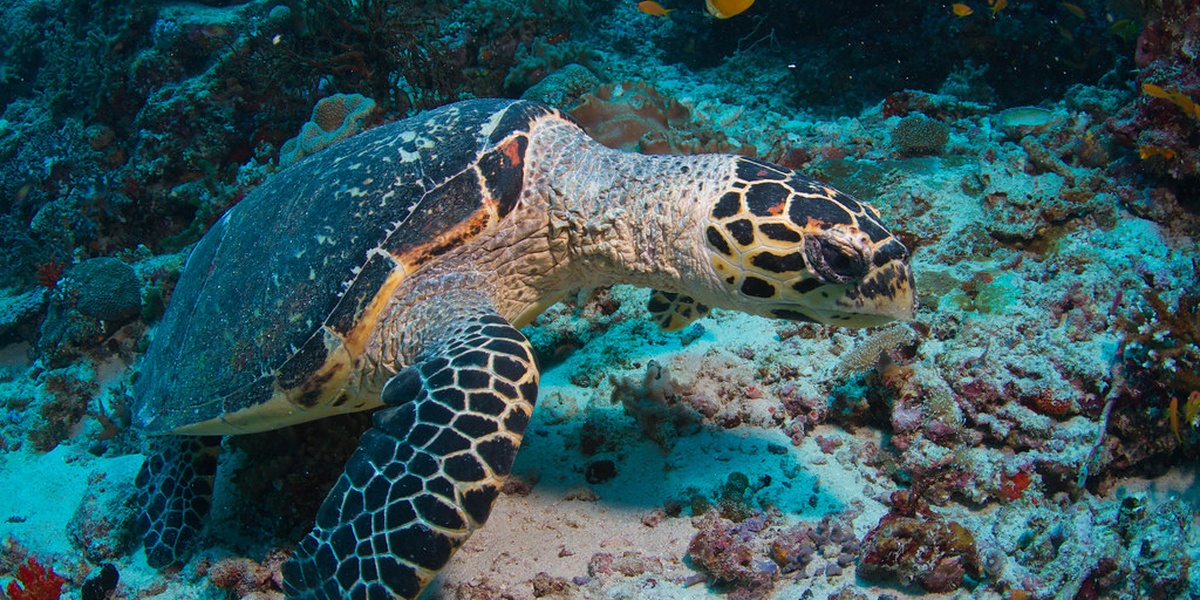
| Hawksbill turtle | Eretmochelys imbricata | Critically Endangered | Pacific beaches and reefs, Bahia de Jiquilisco |
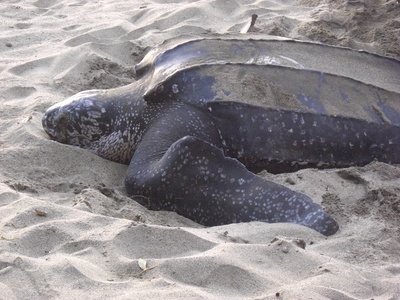
| Leatherback turtle | Dermochelys coriacea | Critically Endangered | Open Pacific coast, occasional nesting at Jiquilisco Bay |
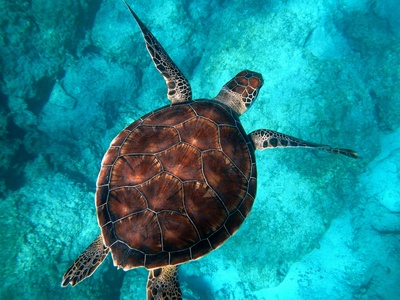
| Green sea turtle | Chelonia mydas | Endangered | Nesting and feeding around Jiquilisco Bay and El Cuco beaches |
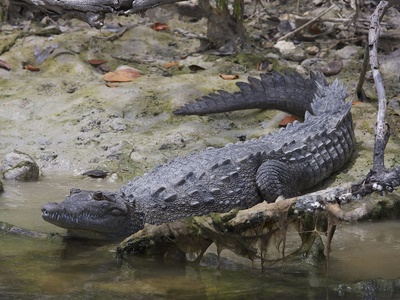
| American crocodile | Crocodylus acutus | Vulnerable | Estuaries and mangroves, Jiquilisco Bay and Lempa River delta |
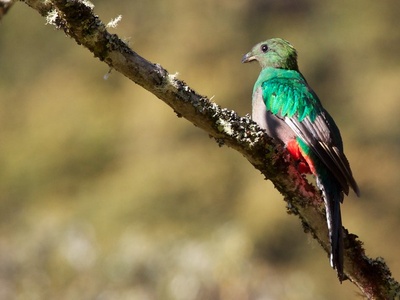
| Resplendent Quetzal | Pharomachrus mocinno | Near Threatened | Cloud forests, Montecristo and Cerro Verde highlands |
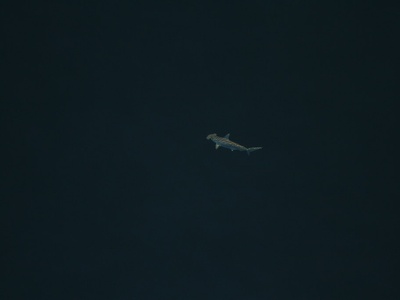
| Scalloped hammerhead | Sphyrna lewini | Critically Endangered | Offshore Pacific waters, seasonal coastal sightings |
| Humpback whale | Megaptera novaeangliae | Least Concern | Offshore Pacific, migratory passages near Salvadoran coast |
| Ocelot | Leopardus pardalis | Least Concern | Forest fragments, El Imposible and Los Volcanes regions |
Images and Descriptions
Hawksbill turtle
A small, colorful marine turtle rare in El Salvador due to shell trade and habitat loss; nests in Bahia de Jiquilisco. Look for scutes and overlapping shell — conservation focuses on protecting nesting beaches and combating poaching.
Leatherback turtle
The world’s largest sea turtle, extremely rare in El Salvador because of bycatch and beach disturbance. Leatherbacks pass offshore and sometimes nest; conservation emphasizes beach protection and reducing fishing entanglement.
Green sea turtle
A large herbivorous turtle that nests sparsely on Salvadoran beaches. Threats include coastal development and fisheries; volunteers monitor nests and protected bays are best places to see them during nesting season.
American crocodile
A shy coastal crocodile reduced by hunting and habitat loss; rare in Salvadoran mangroves. Best seen from boats in protected estuaries at dusk; conservation focuses on mangrove protection and reducing human-wildlife conflict.
Resplendent Quetzal
A dazzling green-and-red trogon rare in El Salvador where cloud forest is fragmented. Elusive and downstream of habitat loss, it’s best spotted at dawn in intact cloud forest; protects vital montane ecosystems.
Scalloped hammerhead
A distinctive hammer-headed shark that migrates past Salvadoran waters; rare because of overfishing and fin trade. Seen occasionally by boat; protection needs fishing restrictions and safe migratory corridors.
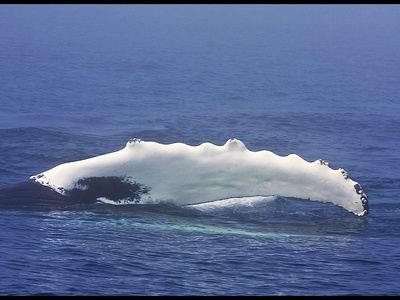
Humpback whale
A large, acrobatic whale seen seasonally during migration. Not resident but uncommon nearshore; protected internationally, sightings occur from boats in winter migration—listening for blows and breaches is the best cue.
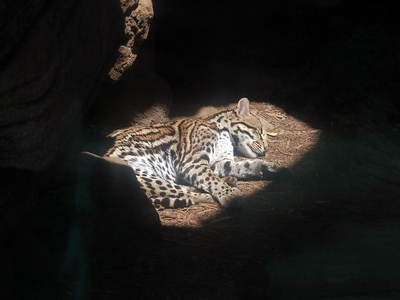
Ocelot
A medium-sized wild cat rare in El Salvador due to habitat loss and persecution. Nocturnal and secretive; camera traps and dawn/dusk patrols in remote parks are the best ways to detect this spotted predator.