Monaco’s tiny coastline supports more wildlife than its size suggests. Between rocky promontories, small beaches and the immediate Mediterranean, seabirds, occasional cetaceans and migratory visitors appear throughout the year, often where urban spaces meet the sea.
There are 7 Rare Animals in Monaco, ranging from Audouin’s gull to Sperm whale. For each species I list the Scientific name,Status,Where seen so you can quickly scan identification, conservation notes and likely viewing spots — you’ll find below.
How likely am I to actually see these rare animals around Monaco?
Sightings vary: some species like Audouin’s gull turn up regularly along harbors and beaches, while animals such as the Sperm whale are occasional offshore visitors and require a boat trip or citizen reports. Check recent local sighting logs (birding groups, eBird, marine mammal networks), go early in calm weather, and use binoculars to improve your chances.
When and where are the best places to look for them?
Shore-based watches at Port Hercules, Larvotto and the Rocher area catch many seabirds; boat trips toward deeper waters or along the Cap Ferrat corridor increase chances for marine mammals. Spring and autumn migration windows bring the most diversity, while calmer summer seas are better for spotting offshore visitors.
Rare Animals in Monaco
| Name | Scientific name | Status | Where seen |
|---|---|---|---|
| Fin whale | Balaenoptera physalus | Locally rare; IUCN Vulnerable | Offshore Larvotto and Cap-Martin (Monaco waters) |
| Sperm whale | Physeter macrocephalus | Very rare locally; IUCN Vulnerable | Offshore Monaco; Pelagos Sanctuary waters |
| Cuvier’s beaked whale | Ziphius cavirostris | Extremely rare locally; IUCN Least Concern | Deep waters off Monaco; Pelagos area |
| Loggerhead turtle | Caretta caretta | Rare visitor; IUCN Vulnerable | Nearshore waters; Larvotto beach strandings recorded |
| Risso’s dolphin | Grampus griseus | Occasional visitor; IUCN Least Concern | Offshore Monaco, Pelagos Sanctuary edges |
| Audouin’s gull | Ichthyaetus audouinii | Locally rare visitor; IUCN Near Threatened | Coastal waters and breakwaters near Monaco |
| Balearic shearwater | Puffinus mauretanicus | Very rare; IUCN Critically Endangered | Occasional pelagic sightings off Monaco |
Images and Descriptions
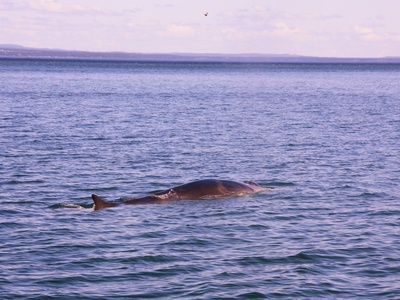
Fin whale
Fin whales occasionally transit Monaco’s tiny territorial waters, drawn by prey in the Ligurian Pelagos area. Sightings are uncommon but spectacular; best seen on boat trips during spring–autumn when deep-water upwellings bring food.
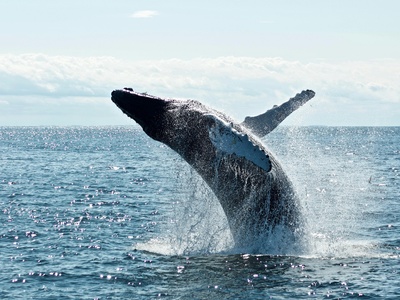
Sperm whale
Sperm whales are rare deep-diving visitors to the Ligurian Sea, occasionally recorded off Monaco. Encounters are infrequent but notable for their size and plunging behavior; sightings usually from research vessels or specialized whale-watching trips.
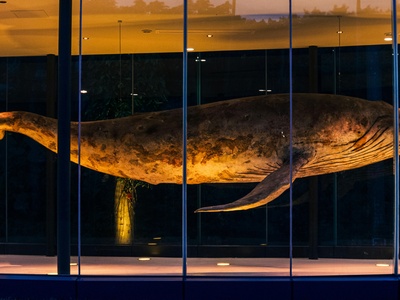
Cuvier’s beaked whale
Cuvier’s beaked whales inhabit deep offshore canyons and are very rarely seen near Monaco. Their elusive deep-diving habits make sightings exceptional, often recorded during dedicated surveys rather than casual trips.
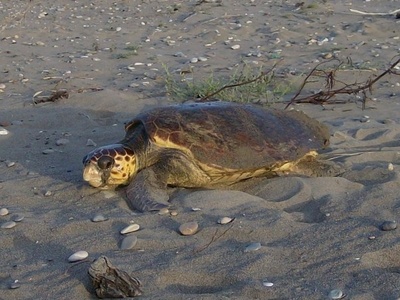
Loggerhead turtle
Loggerhead sea turtles occasionally enter Monaco’s coastal waters and sometimes strand on nearby beaches. Conservation groups and the Oceanographic Museum respond to rescues; spring–summer sightings happen during migrations and warm-water years.
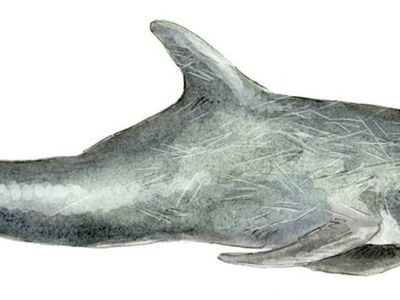
Risso’s dolphin
Risso’s dolphins turn up sporadically in Monaco’s waters, identified by their blunt heads and scarred bodies. They prefer deeper coastal waters; sightings are noteworthy for small pods and are usually logged by local cetacean researchers.
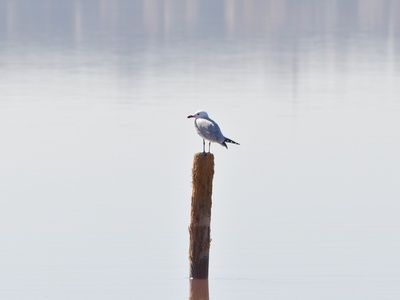
Audouin’s gull
Audouin’s gull is a specialist seabird seen infrequently off Monaco, usually in winter or migration. Notable for its slender profile and fish-eating habits, sightings delight birders on the Larvotto and port areas.
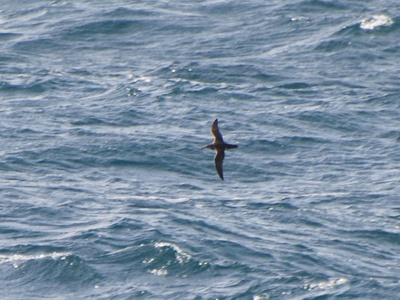
Balearic shearwater
The Balearic shearwater is a critically endangered pelagic bird occasionally observed offshore Monaco during migration, typically on rough, windy days. Sightings are rare and exciting for seabird watchers and usually recorded from boats.