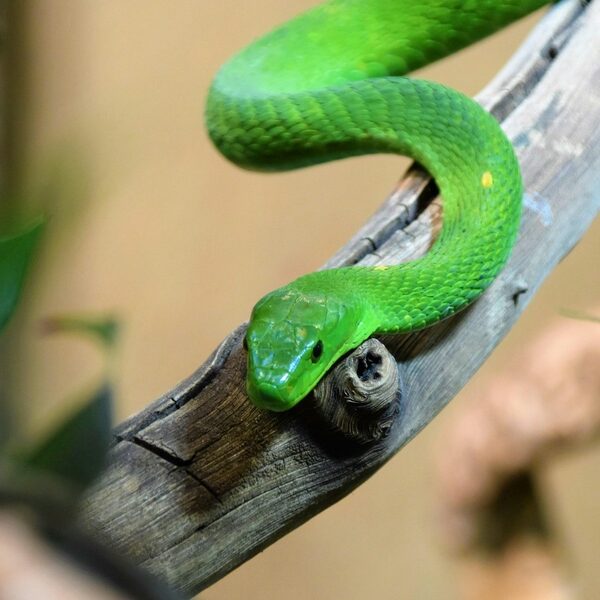
Venezuela’s mix of Amazonian rivers, Andean foothills and coastal wetlands supports wildlife you won’t easily encounter elsewhere. From river channels to cloud forests, many species stay hidden in remote or specialized habitats, so spotting them often depends on timing and local guides.
There are 18 Rare Animals in Venezuela, ranging from the Amazon river dolphin (boto) to the Yellow-spotted river turtle. For each species you’ll find below the Scientific name, IUCN status, Range & habitat to help you understand where they live and how threatened they are — you’ll find below.
How reliable is the IUCN status in this list and does it change often?
IUCN listings are the best global snapshot available, but assessments are updated periodically as new research appears; some species here may have recent field studies or regional assessments that refine their status, so use the IUCN tag as a starting point and check the latest sources for critical conservation decisions.
If I want to help protect these animals, what practical steps can I take?
Supporting reputable conservation organizations working in Venezuela, following sustainable travel practices, reporting sightings to citizen-science platforms, and advocating for habitat protection locally and internationally are practical ways to help; direct community-led projects often offer the most immediate conservation impact.
Rare Animals in Venezuela
| Common name | Scientific name | IUCN status | Range & habitat |
|---|---|---|---|
| Orinoco crocodile | Crocodylus intermedius | CR | Orinoco basin & Llanos rivers |
| Giant otter | Pteronura brasiliensis | EN | Orinoco basin rivers & wetlands |
| Amazon river dolphin (boto) | Inia geoffrensis | VU | Orinoco & Amazon tributaries |
| Lowland tapir | Tapirus terrestris | VU | Amazon & Orinoco forest edges |
| Giant anteater | Myrmecophaga tridactyla | VU | Llanos savannas & gallery forests |
| Giant armadillo | Priodontes maximus | VU | Amazonian forest & gallery forest |
| Green sea turtle | Chelonia mydas | EN | Caribbean coast nesting beaches & reefs |
| Leatherback sea turtle | Dermochelys coriacea | CR | Caribbean & Atlantic coasts, open ocean |
| Hawksbill sea turtle | Eretmochelys imbricata | CR | Coral reefs, coastal islands & nesting beaches |
| Olive ridley sea turtle | Lepidochelys olivacea | VU | Caribbean/Atlantic coast nesting beaches |
| White-bellied spider monkey | Ateles belzebuth | EN | Orinoco-Amazon canopy forests |
| Military macaw | Ara militaris | VU | Venezuelan Andes, dry forests & canyons |
| Yellow-shouldered amazon | Amazona barbadensis | VU | Northern coast, Margarita Island, dry scrub |
| West Indian manatee | Trichechus manatus | VU | Orinoco Delta, coastal lagoons & estuaries |
| Arrau river turtle | Podocnemis expansa | EN | Orinoco & Amazon rivers, sandy nesting beaches |
| Harlequin toad | Atelopus cruciger | CR | Northern Venezuela streamside cloud and lowland forest |
| Red siskin | Spinus cucullatus | EN | Northern Venezuela scrub, savanna edges |
| Yellow-spotted river turtle | Podocnemis unifilis | VU | Orinoco tributaries, slow rivers & sandbanks |
Images and Descriptions
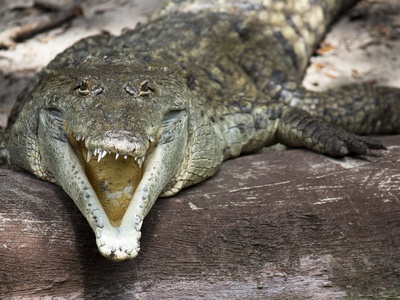
Orinoco crocodile
A large freshwater crocodile reaching about 400 cm and ~400 kg. Apex river predator reliant on wetlands and sandy banks. Critically endangered from heavy hunting, egg collection and habitat loss; only small, fragmented populations persist in parts of the Orinoco.
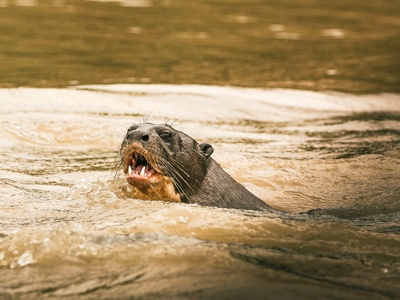
Giant otter
Social river otter 150–180 cm, 20–30 kg with a sleek dark coat and white throat patch. Endangered due to historical hunting, river pollution and habitat disturbance; lives in small family groups along remote Venezuelan waterways.
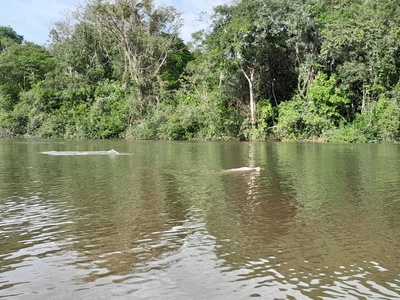
Amazon river dolphin (boto)
Pinkish freshwater dolphin 200–250 cm, 80–140 kg with a flexible neck and bulbous forehead. Vulnerable from bycatch, habitat fragmentation and pollution; locally uncommon in Venezuelan rivers though culturally important to many river communities.
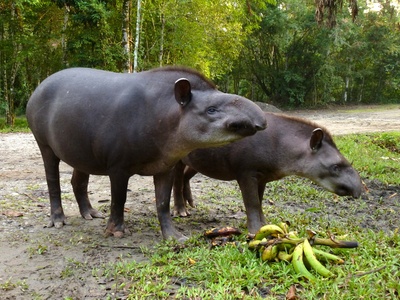
Lowland tapir
Large browsing mammal 180–250 cm, 150–250 kg with a short proboscis. Secretive forest-edge species in southern Venezuela. Vulnerable from hunting and habitat loss; naturally low densities make local populations fragile and patchy.
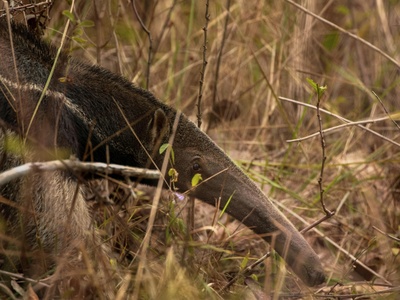
Giant anteater
Long-snouted ant-eater 120–180 cm, 20–40 kg with a bushy tail and sticky tongue. Forages for ants and termites in savanna and forest. Vulnerable due to habitat conversion, road mortality and hunting; sparse across Venezuelan Llanos.
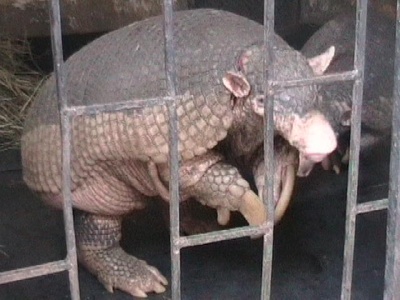
Giant armadillo
Largest armadillo 100–150 cm, 20–30 kg with heavy armor and powerful digging claws. Nocturnal and rarely seen; vulnerable from deforestation and hunting, detected mainly by its distinctive large burrows in Venezuelan lowland forests.
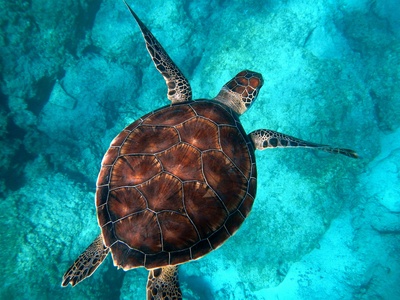
Green sea turtle
Large marine turtle carapace 80–120 cm, 80–150 kg that grazes seagrass and nests on Caribbean beaches. Endangered from egg collection, bycatch, coastal development and pollution; nesting beaches in Venezuela are monitored but populations remain threatened.
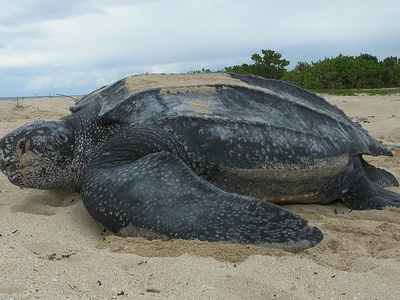
Leatherback sea turtle
Largest sea turtle 130–180 cm, 300–600 kg with a flexible, leathery shell and long migrations. Critically endangered due to egg poaching, fisheries bycatch and marine pollution; nesting is irregular and declining along Venezuelan coasts.
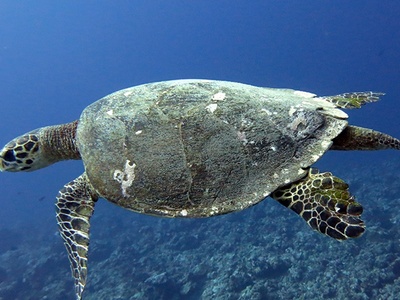
Hawksbill sea turtle
Medium marine turtle 70–90 cm, 70–90 kg with a distinctive tapered beak and patterned shell. Critically endangered from illegal shell trade, habitat loss and bycatch; nesting and reef habitats in Venezuela are limited and threatened.
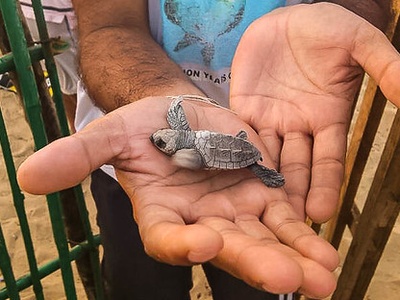
Olive ridley sea turtle
Small to medium turtle 60–70 cm, 35–45 kg known for mass nesting elsewhere. Vulnerable from egg collection, fisheries bycatch and coastal development; scattered, infrequent nesting records make it locally uncommon in Venezuela.
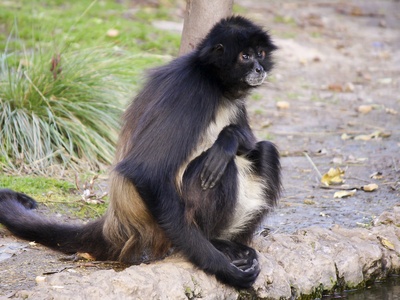
White-bellied spider monkey
Long-limbed primate body 40–60 cm, 6–9 kg with a prehensile tail and pale belly. Endangered from deforestation and hunting; highly arboreal and reliant on large tracts of continuous canopy now fragmented in southern Venezuela.
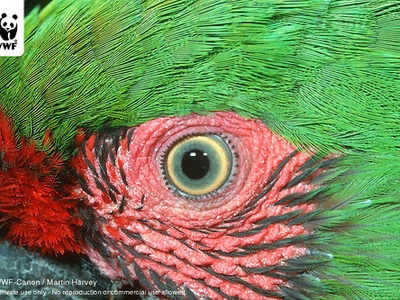
Military macaw
Large parrot 70–85 cm, 1–1.3 kg with bright green plumage and a red forehead. Vulnerable due to habitat loss and trapping for the pet trade; survives in small, isolated flocks in Andean valleys and canyons.
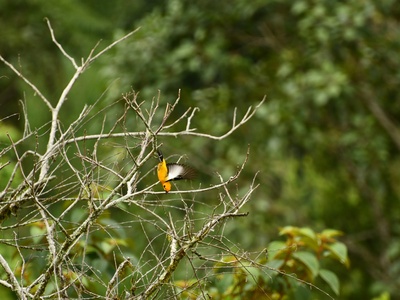
Yellow-shouldered amazon
Medium parrot ~33 cm, 0.3–0.5 kg with a conspicuous yellow shoulder patch. Vulnerable from illegal capture, nest loss and coastal habitat degradation; small fragmented populations cling to coastal dry scrub and islands.
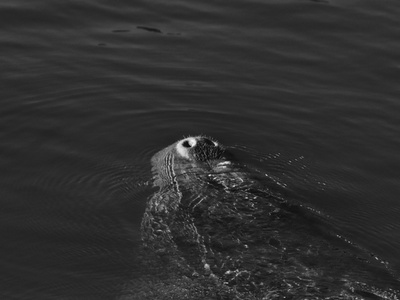
West Indian manatee
Aquatic herbivore 250–350 cm, 400–1,000 kg with paddle-like flippers. Vulnerable from boat strikes, habitat loss and hunting; occurrences in Venezuelan deltas and lagoons are sporadic and populations are vulnerable.
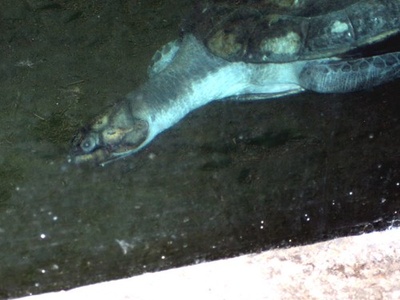
Arrau river turtle
Large river turtle 50–90 cm, 40–80 kg that nests on big sandy riverbanks. Endangered from intensive egg harvest, adult capture and river alteration; remnant nesting sites exist but numbers are diminished in Venezuela.
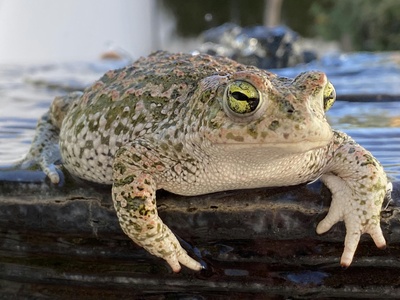
Harlequin toad
Small brightly colored toad 3.5–4.5 cm, ~10–15 g found by clear streams. Critically endangered from chytrid fungus, habitat loss and pollution; populations have collapsed and now survive only in very limited sites.
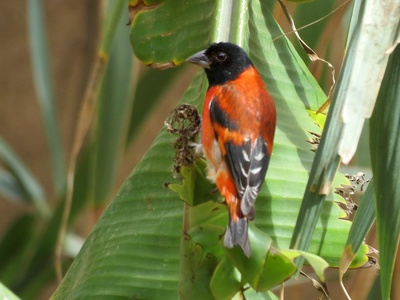
Red siskin
Tiny crimson finch ~12 cm, ~12 g famed for its red plumage. Endangered from heavy trapping for the cage-bird trade and habitat loss; wild populations are fragmented and scarce across northern Venezuela.
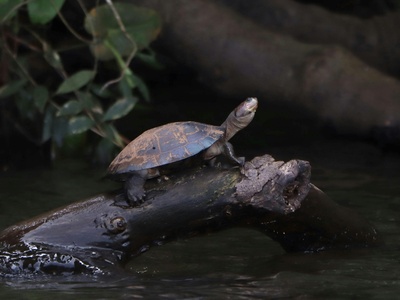
Yellow-spotted river turtle
Medium river turtle 30–45 cm, 10–25 kg with yellow facial markings. Vulnerable due to egg collection, fishing bycatch and river modifications; locally uncommon in Venezuelan Orinoco tributaries and floodplain lakes.