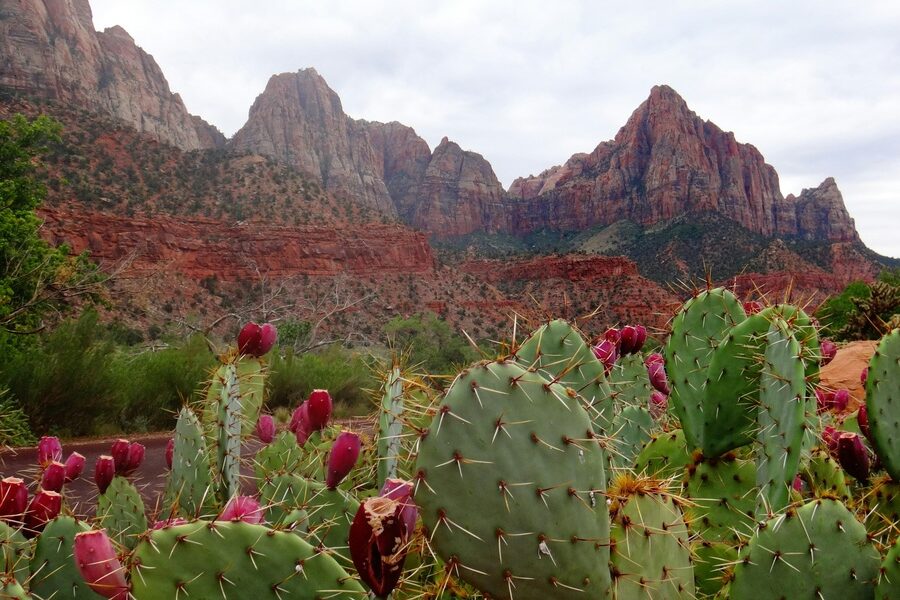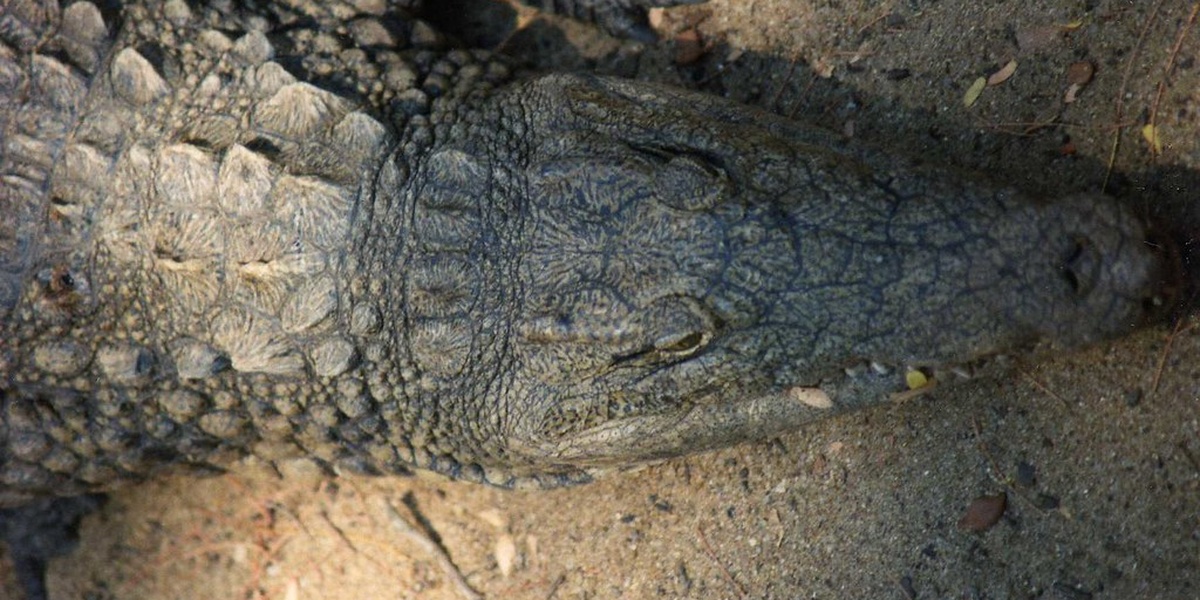
Rwanda’s varied landscapes — from lowland wetlands and lakes to montane forests and savanna patches — support a compact but interesting reptile fauna. Local surveys and park records help track which species occur where and when, giving a practical picture for visitors and researchers alike.
There are 21 Reptiles of Rwanda, ranging from African helmeted turtle to Twig snake. Data for each species are organized with the columns Scientific name,Max length (cm),IUCN status — you’ll find below.
Which habitats in Rwanda support the most reptile diversity?
Wetlands, river margins and lake shores host turtles and many water-associated snakes, while forest edges and savanna patches are good for lizards and terrestrial snakes; montane forests hold chameleons and a few range-restricted species. Seasonal rainfall and elevation shift where species are active, so timing and habitat type both matter for finding different reptiles.
How can I observe reptiles in Rwanda safely and responsibly?
Use a local guide, stay on trails, keep a respectful distance, and never handle wild reptiles; wear sturdy shoes and watch where you step, especially in tall grass or near water. Follow park rules, note locations and times for any sightings, and report rare observations to local conservation groups or park staff.
Reptiles of Rwanda
| Name | Scientific name | Max length (cm) | IUCN status |
|---|---|---|---|
| Nile crocodile | Crocodylus niloticus | 500 | LC |
| African rock python | Python sebae | 400 | NT |
| Nile monitor | Varanus niloticus | 200 | LC |
| Leopard tortoise | Stigmochelys pardalis | 85 | LC |
| African helmeted turtle | Pelomedusa subrufa | 30 | LC |
| Common agama | Agama agama | 40 | LC |
| Five-lined skink | Trachylepis quinquetaeniata | 35 | LC |
| Striped skink | Trachylepis striata | 30 | LC |
| Common house gecko | Hemidactylus frenatus | 12 | LC |
| Tropical house gecko | Hemidactylus mabouia | 12 | LC |
| Flap-necked chameleon | Chamaeleo dilepis | 35 | LC |
| Boomslang | Dispholidus typus | 150 | LC |
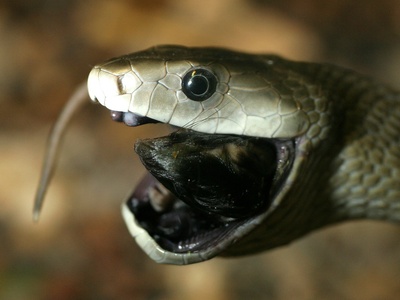
| Black mamba | Dendroaspis polylepis | 300 | LC |
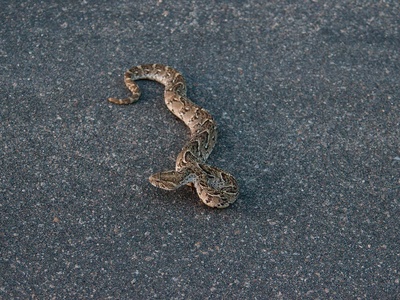
| Puff adder | Bitis arietans | 120 | LC |
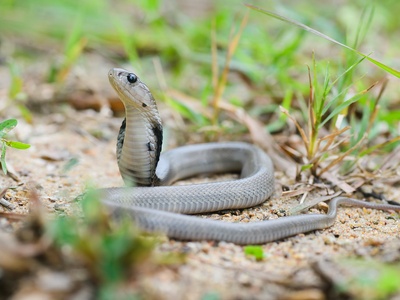
| Spitting cobra | Naja nigricollis | 150 | LC |
| Egg-eating snake | Dasypeltis scabra | 100 | LC |
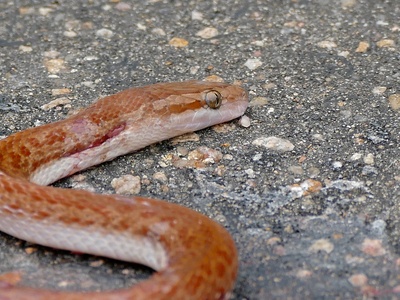
| Brown house snake | Boaedon fuliginosus | 120 | LC |
| Slender sand snake | Psammophis sibilans | 150 | LC |
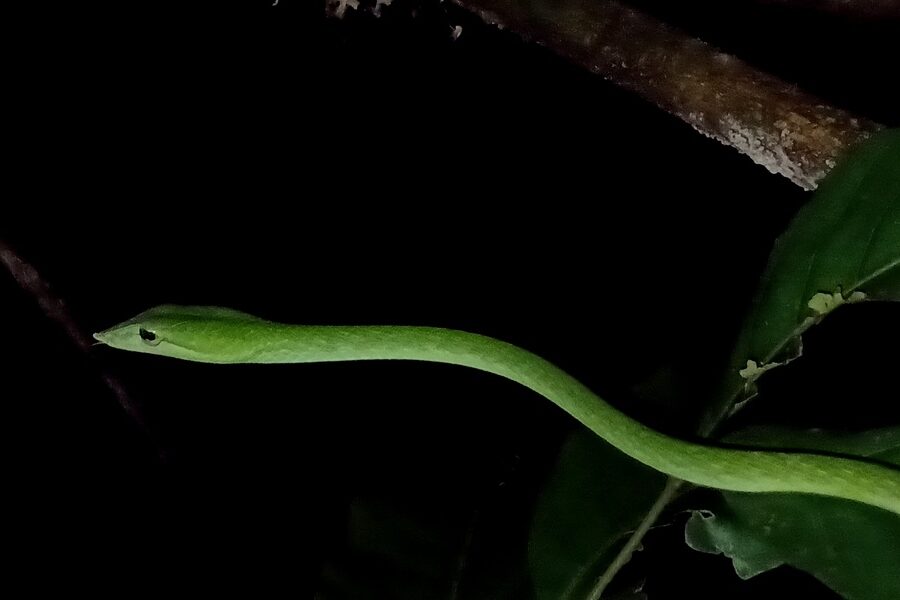
| Twig snake | Thelotornis capensis | 150 | LC |
| Dwarf day gecko | Lygodactylus picturatus | 8 | LC |
| Rock agama (female/juvenile) | Agama lionotus | 30 | LC |
Images and Descriptions
Nile crocodile
Large, rugged aquatic reptile with armored skin and powerful jaws. Found in rivers and lakes such as Akagera and Lake Kivu. Apex predator of Rwanda’s waterways, often seen basking on banks; dangerous to people and livestock.
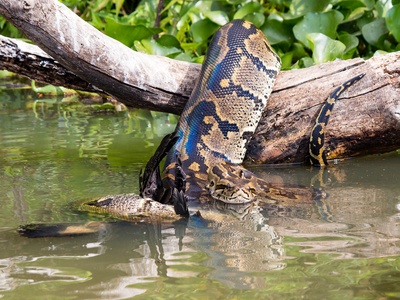
African rock python
Massive non-venomous constrictor with patterned brown and tan blotches. Lives in woodlands and riverine areas, occasionally seen in Akagera and wet lowlands. Powerful ambush predator that swallows large prey whole; wary but not venomous.
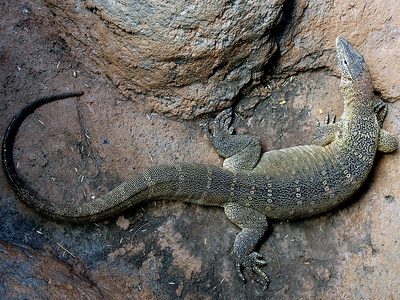
Nile monitor
Large, dark, banded lizard often near water. Common along rivers, swamps and lakes in Akagera and lowland wetlands. Skilled swimmer and opportunistic feeder; impressive size and strong tail used for defense.
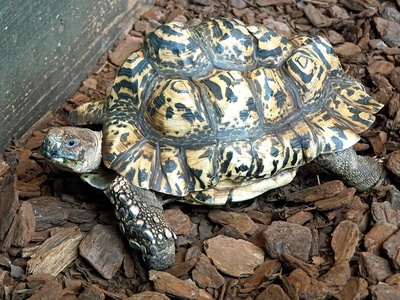
Leopard tortoise
Large, high-domed tortoise with yellow-and-black spotted shell. Lives in savanna and grassland, commonly seen in Akagera National Park. Grazing herbivore known for striking shell pattern and slow-moving, long-lived nature.
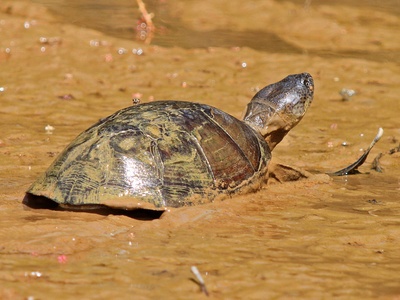
African helmeted turtle
Small to medium freshwater turtle with smooth, dark carapace. Found in ponds, marshes and slow rivers across Rwanda. Semi-aquatic and omnivorous; often basks on logs and is adaptable to disturbed wetlands.
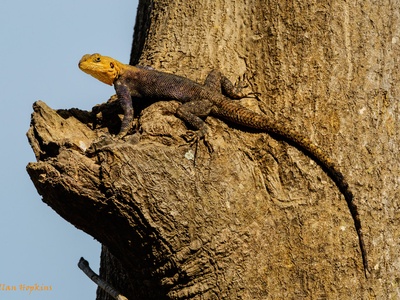
Common agama
Colorful, stocky lizard with males showing bright blue and orange during breeding. Common on rocks, walls and savanna in towns and reserves like Akagera. Diurnal insect-eater; easy to spot warming on sunlit perches.

Five-lined skink
Glossy, streamlined skink with five faint stripes on the back. Frequent in rocky savanna, gardens and forest edges around Rwanda. Quick-moving insectivore that hides under stones and debris; tolerates human environments.
Striped skink
Medium skink with slender body and pale dorsal stripes. Found in grassland, farmland and forest clearings across Rwanda. Active during day, feeds on insects; often seen darting across paths and walls.
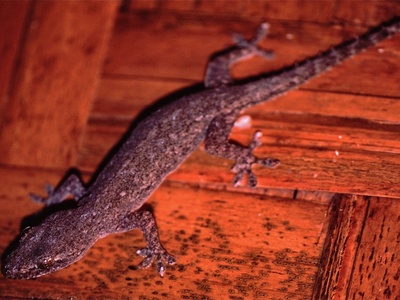
Common house gecko
Small, beige-to-gray gecko with sticky toe pads. Widespread in villages, towns and buildings across Rwanda. Nocturnal insect hunter that thrives in human homes; introduced but now common in the wild.
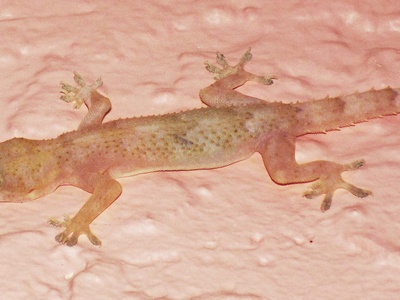
Tropical house gecko
Stout, nocturnal gecko often on walls and lights where it hunts insects. Found in urban and rural areas throughout Rwanda. Tolerant of human presence and easily seen at night around houses and lodges.
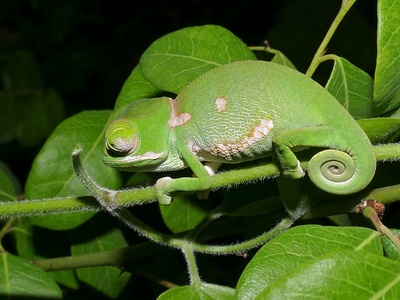
Flap-necked chameleon
Medium chameleon with laterally compressed body and neck flap. Found in savanna trees, forest edges and gardens including Akagera and lowland forests. Color-changing, slow-moving insectivore; males often show bold colors during displays.
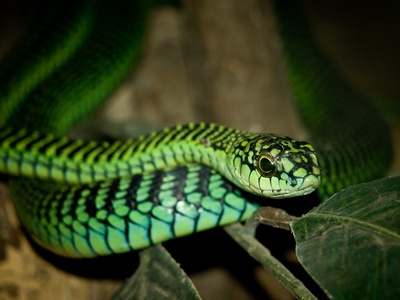
Boomslang
Slender, large-eyed arboreal snake with green or brown coloration. Inhabits woodlands and forest edges; seen in Nyungwe margins and riverine trees. Highly venomous haemotoxic bite; typically shy and avoids humans.
Black mamba
Very large, fast-moving snake with olive to grey skin and interior mouth dark. Prefers savanna and rocky outcrops such as in Akagera. Extremely venomous and agile; seldom encountered but dangerous if provoked.
Puff adder
Stout, heavy-bodied viper with keeled scales and excellent camouflage. Common in savanna, grassland and edges of agricultural land in Rwanda. Ambush predator with potent venom; responsible for many accidental bites due to cryptic appearance.
Spitting cobra
Medium-sized cobra with broad hood and ability to spit venom toward eyes. Found in open country, savanna and near settlements, notably in eastern lowlands. Defensive species that can aim venom at threats; potentially harmful.
Egg-eating snake
Specialist snake with slender body and small head adapted to swallow bird eggs. Occurs in savanna and woodland, often near nesting birds in Akagera and farmlands. Harmless to people (non-venomous) and an unusual feeder.
Brown house snake
Slender, nocturnal constrictor commonly found around homes, barns and gardens. Widespread in Rwanda’s disturbed habitats where it preys on rodents. Harmless to humans and valued as rodent control.
Slender sand snake
Fast, slender snake with smooth scales and olive to brown color. Prefers open savanna, roadsides and fields in eastern Rwanda. Active diurnal hunter; mildly venomous but not usually dangerous to people.
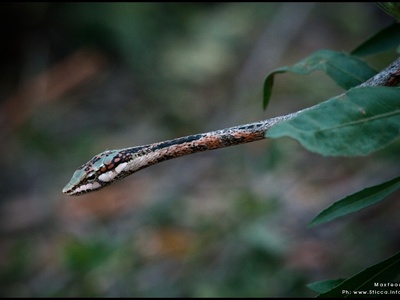
Twig snake
Slender, cryptic arboreal snake with leaf-like head and brownish pattern. Found in forest edges and scrub, including Nyungwe margins. Rear-fanged and venomous; relies on camouflage and ambush to catch birds and lizards.
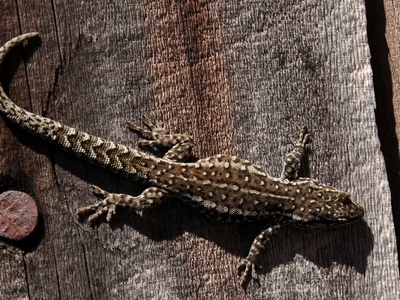
Dwarf day gecko
Tiny, bright green to bluish gecko often on tree trunks and walls. Seen in gardens, forest edges and towns throughout Rwanda. Diurnal and agile, it feeds on small insects and is fun to observe up close.
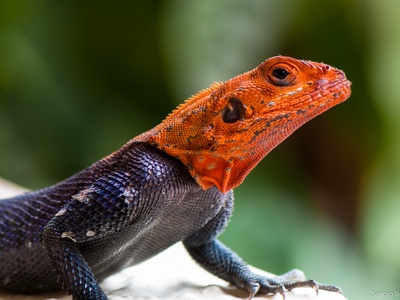
Rock agama (female/juvenile)
Robust small agama similar to A. agama occurring in rocky outcrops and savanna. Found on boulders and walls in eastern and central Rwanda. Males display bright colors; quick-moving insectivore commonly seen warming on rocks.