Turkey’s varied landscapes — coastal wetlands, Mediterranean scrub, central steppe and alpine zones — support a wide range of reptile life. Seasonal shifts and local microhabitats mean you can find different species within short distances, making the country interesting for naturalists and casual observers alike.
There are 31 Reptiles of Turkey, ranging from Aesculapian snake to Spotted desert lizard. For each species the list shows Scientific name,IUCN status,Range in Turkey so you can check taxonomy, conservation concerns and where each occurs — you’ll find below.
Which reptiles in Turkey are dangerous to people?
Only a small number pose a real threat: mainly some viper species (the viper family) that can deliver medically significant bites. Most snakes and lizards are shy and avoid humans; if you encounter one, keep distance, don’t try to handle it, and seek medical help immediately if bitten.
How can I reliably identify common lizards and snakes in the field?
Focus on habitat, size, head shape, scale texture and color patterns, and behavior (e.g., basking vs. burrowing). Photograph from several angles, note the location and substrate, and compare with a regional field guide or app; when in doubt, consult local experts rather than handling the animal.
Reptiles of Turkey
| Common name | Scientific name | IUCN status | Range in Turkey |
|---|---|---|---|
| Loggerhead sea turtle | Caretta caretta | Endangered | Aegean & Mediterranean coasts; Dalyan, Fethiye, Antalya |
| Green sea turtle | Chelonia mydas | Endangered | Mediterranean and Aegean coasts; Antalya, Muğla bays |
| Leatherback sea turtle | Dermochelys coriacea | Vulnerable | Rare visitor in Aegean waters; offshore records |
| European pond turtle | Emys orbicularis | Near Threatened | Freshwater habitats: Marmara, Black Sea, Aegean wetlands |
| Balkan pond turtle | Mauremys rivulata | Near Threatened | Southwest Anatolia, Aegean coastal wetlands |
| Caspian marsh turtle | Mauremys caspica | Least Concern | Southeast Anatolia, inland waterways near the eastern border |
| Greek tortoise | Testudo graeca | Vulnerable | Aegean islands, western and central Anatolia steppes |
| Horsfield’s tortoise | Testudo horsfieldii | Near Threatened | Central Anatolian steppes and southeastern plains |
| Mediterranean house gecko | Hemidactylus turcicus | Least Concern | Coastal towns across Aegean, Mediterranean and Marmara regions |
| Kotschy’s gecko | Mediodactylus kotschyi | Least Concern | Aegean islands, western and southern coasts |
| Moorish gecko | Tarentola mauritanica | Least Concern | Southwestern coast, Antalya region and islands |
| Anatolian rock lizard | Anatololacerta anatolica | Least Concern | Western Anatolia, Aegean coastal hills and islands |
| Balkan green lizard | Lacerta trilineata | Least Concern | Northwest and southwestern Anatolia; some coastal islands |
| Sand lizard | Lacerta agilis | Least Concern | Northern Turkey coastal dunes and steppe fringes |
| Common wall lizard | Podarcis muralis | Least Concern | Marmara region, scattered Aegean sites and towns |
| Balkan wall lizard | Podarcis tauricus | Least Concern | Aegean and Marmara coastal hills, lowlands |
| Spotted desert lizard | Mesalina guttulata | Least Concern | Southeast Anatolia, arid plains and steppe |
| Snake-eyed skink | Ablepharus kitaibelii | Least Concern | Western and northern Anatolia forest edges and grasslands |
| Ocellated skink | Chalcides ocellatus | Least Concern | Southeast and Mediterranean coasts, sandy soils |
| Anatolian worm lizard | Blanus strauchi | Least Concern | Widespread Anatolia, under stones and in soft soils |
| Grass snake | Natrix natrix | Least Concern | Wetlands and lowland rivers across northern and western Turkey |
| Dice snake | Natrix tessellata | Least Concern | Rivers, lakes and coastal lagoons nationwide, common in north |
| Caspian whipsnake | Dolichophis caspius | Least Concern | Northwest, Marmara and central Anatolia |
| Eastern whip snake | Dolichophis jugularis | Least Concern | Southern and central Anatolia, Mediterranean region |
| Eastern Montpellier snake | Malpolon insignitus | Least Concern | Widespread in central and southern Anatolia, Aegean coasts |
| Javelin sand boa | Eryx jaculus | Least Concern | Sandy coastal plains, southeast steppes and river valleys |
| Ottoman viper | Montivipera xanthina | Near Threatened | Aegean and western Anatolia rocky slopes and islands |
| Levantine viper | Macrovipera lebetina | Vulnerable | Southeastern Anatolia, Taurus foothills and steppe zones |
| Nose-horned viper | Vipera ammodytes | Near Threatened | Thrace, western and southern Anatolia rocky habitats |
| Aesculapian snake | Zamenis longissimus | Least Concern | Northern and northwestern forests and river valleys |
| Smooth snake | Coronella austriaca | Least Concern | Temperate forests and open hills in northern Turkey |
Images and Descriptions
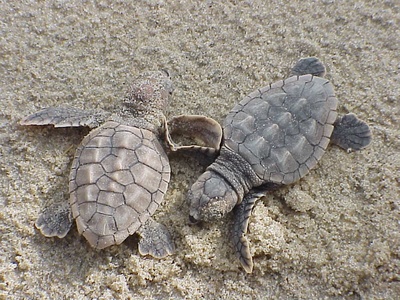
Loggerhead sea turtle
Large marine turtle that nests on sandy beaches along Turkey’s southern and southwestern coasts. Adults reach around 70–100 cm carapace. Non-aggressive but endangered by fisheries and coastal development; identifiable by big head and reddish-brown shell.
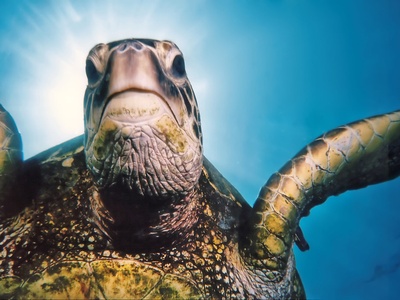
Green sea turtle
Herbivorous sea turtle that forages in shallow seagrass beds and occasionally nests in Turkey. Medium-large, smooth carapace, usually greenish. Globally threatened; protected nesting sites and bycatch reduction are critical for recovery.
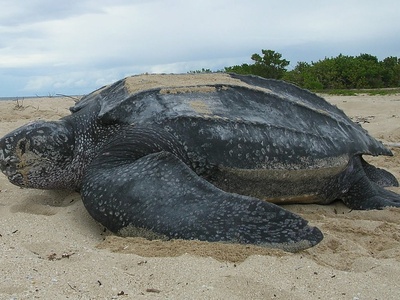
Leatherback sea turtle
The largest sea turtle, leatherback has a flexible, leathery carapace and deep-diving habits. Very rare in Turkish waters; faces global threats from fisheries and pollution. Not likely to nest in Turkey but occasionally recorded offshore.
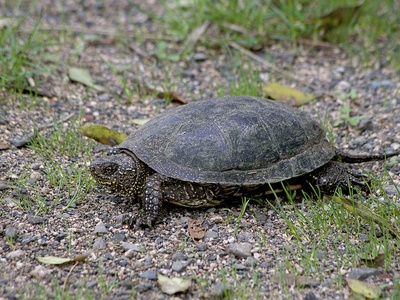
European pond turtle
Small to medium freshwater turtle found in lakes, ponds and slow rivers. Dark carapace with yellow speckles; semi-aquatic and shy. Populations decline from habitat loss, pollution and introduced species.
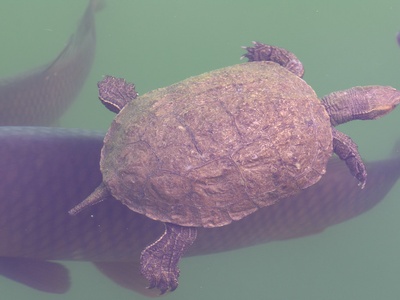
Balkan pond turtle
Mediterranean pond turtle common in rocky freshwater streams and coastal wetlands. Flattened shell with distinct markings. Local declines from water pollution and habitat change make monitoring important.

Caspian marsh turtle
Freshwater species preferring marshes and slow rivers, with olive-brown carapace. Tolerant of varied habitats; less threatened than some relatives but vulnerable to wetland drainage and pollution.
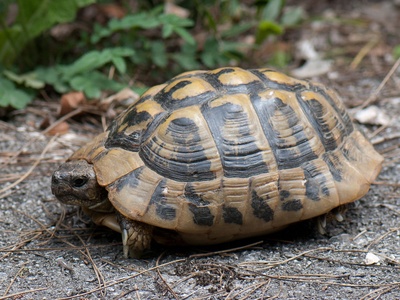
Greek tortoise
Terrestrial tortoise of dry scrub and open woodlands. Medium-sized with domed, patterned shell. Slow-moving and harmless; threatened by collection, road mortality and habitat loss.
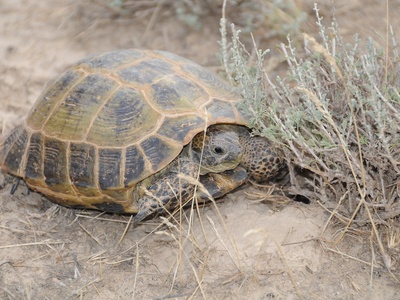
Horsfield’s tortoise
Also called the Russian tortoise, this small, round tortoise inhabits dry grasslands and steppes. Burrowing habits, shy and harmless. Faces pressure from collection and agricultural conversion.
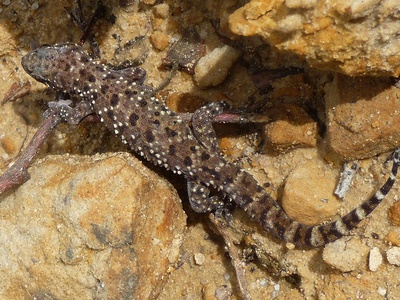
Mediterranean house gecko
Nocturnal wall-dwelling gecko common in urban and rocky areas. Small, sticky-toed lizard that feeds on insects. Harmless and familiar around lights and houses; often seen on walls at night.
Kotschy’s gecko
Small, slender gecko found on rocky slopes and ruins. Pale with subtle patterning. Harmless to people and often overlooked; local endemism makes some populations conservation priorities.
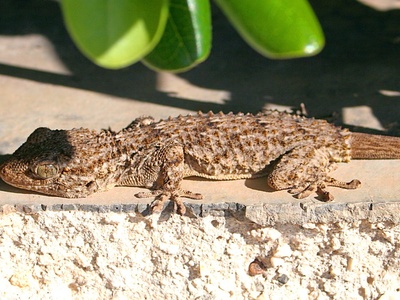
Moorish gecko
Chunky nocturnal gecko with rough skin and sticky pads. Prefers rocky coastal areas and old buildings. Harmless and conspicuous at night; sometimes confused with Hemidactylus species.
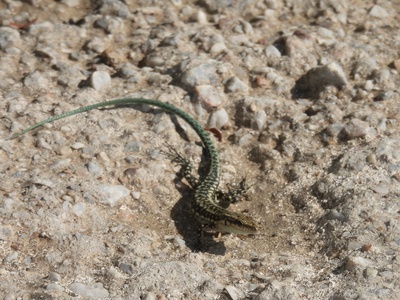
Anatolian rock lizard
Endemic rock-dwelling lacertid with flattened body for crevices. Males show bright green or blue during breeding. Non-venomous and insectivorous; often seen sunning on boulders.
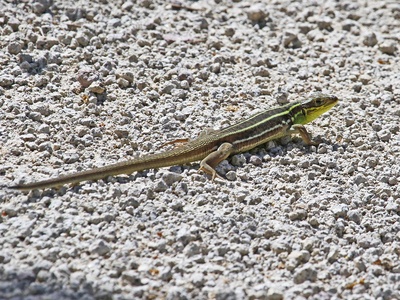
Balkan green lizard
Large, bright green lizard that favors lush scrub and rocky slopes. Active and fast-moving; males are vividly colored in breeding season. Harmless to people but sensitive to habitat loss.
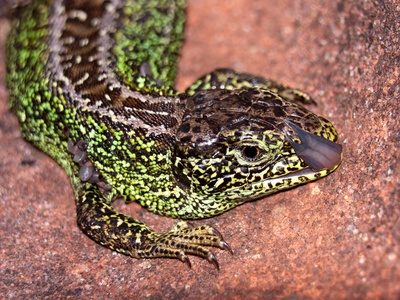
Sand lizard
Robust lizard of sandy habitats and dunes. Males show green flanks in summer. Prefers loose soils for burrowing and egg-laying; local populations impacted by dune development.
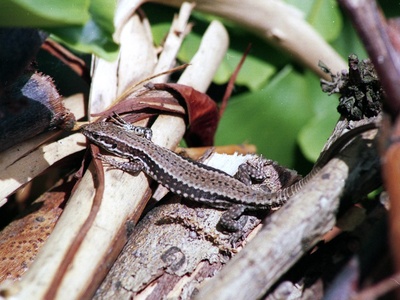
Common wall lizard
Small agile lizard frequenting walls, ruins and rocky sites in towns. Variable coloration and quick movements. Harmless and often found basking on masonry in cooler regions.
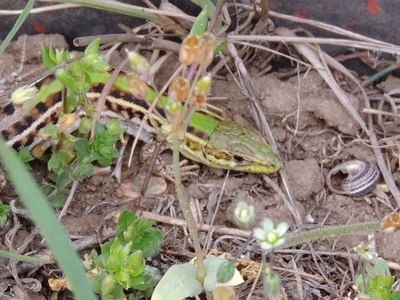
Balkan wall lizard
Slim, active lizard of sunny rocky habitats and scrub. Small size with stripe or spots. Common locally and often seen on walls and rocks, feeding on insects.
Spotted desert lizard
Small slender lizard of sandy, arid habitats. Cryptic spotted pattern and quick, ground-running behavior. Well adapted to dry conditions; not dangerous to people.
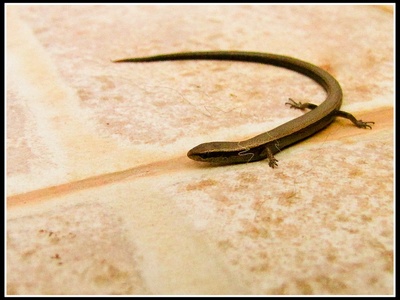
Snake-eyed skink
Small smooth-bodied skink with fused eyelids (no movable eyelid). Secretive in leaf litter and under stones. Harmless and often overlooked due to small size and secretive habits.
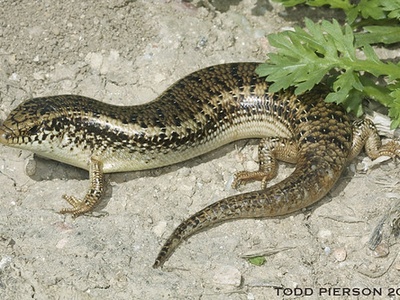
Ocellated skink
Elongate, shiny skink with reduced limbs suited to burrowing in loose sand. Prefers warm sandy habitats and coastal dunes. Harmless; popular in the pet trade which can threaten locals.
Anatolian worm lizard
Legless, burrowing reptile often mistaken for a snake. Small, pinkish body adapted to underground life. Harmless and secretive; important for soil ecology but little known to the public.
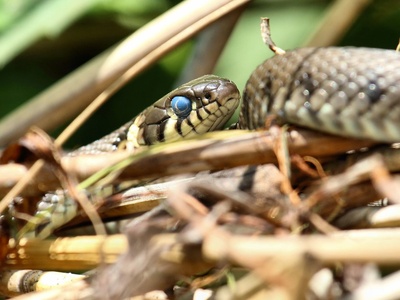
Grass snake
Non-venomous, aquatic snake often near ponds and rivers. Dark with yellow neck collar in many populations. Harmless to people and feeds on amphibians and fish.
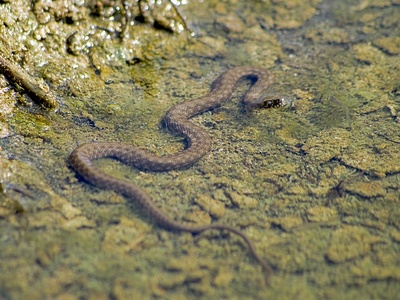
Dice snake
Water-loving snake specialized on fish. Slender, often dark patterned body. Non-venomous and frequently seen swimming; sensitive to freshwater pollution and habitat degradation.
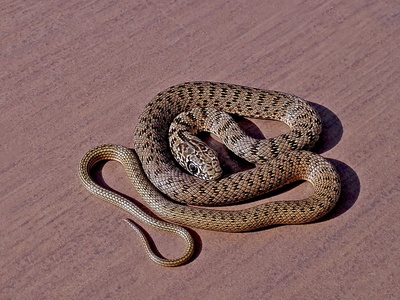
Caspian whipsnake
Large, active, fast-moving colubrid that hunts lizards and small mammals. Often over one metre long; non-venomous but may bite in defense. Prefers open scrub and rocky environments.
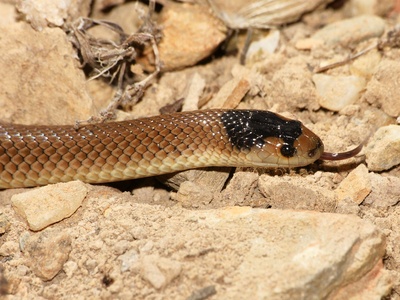
Eastern whip snake
Long, slender, diurnal snake commonly seen on rocks and walls. Fast and agile hunter of lizards and rodents. Non-venomous; distinctive dark neck patch in many individuals.
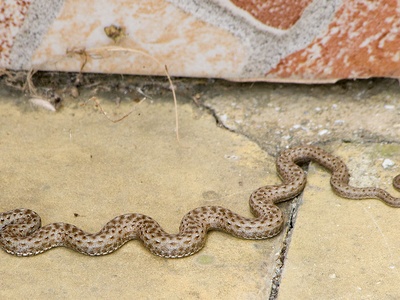
Eastern Montpellier snake
Rear-fanged, mildly venomous snake that can deliver painful bites but rarely fatal. Large, active hunter of reptiles and small mammals. Generally avoids humans but should be treated with caution.
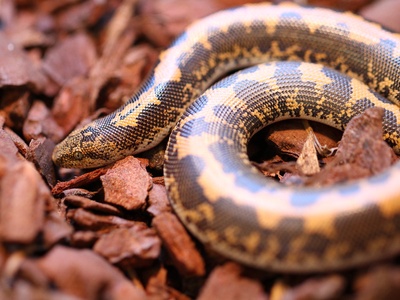
Javelin sand boa
Stout, burrowing snake that ambushes prey in sand and loose soil. Small to medium sized and non-venomous. Harmless to humans but easily mistaken for dangerous snakes by the public.
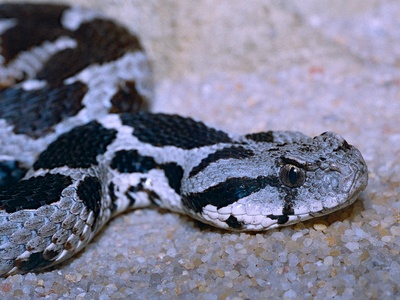
Ottoman viper
Moderately sized, strongly venomous viper with keeled scales and variable color. Prefers rocky, dry habitats. Bites can be dangerous; populations fragmented by habitat loss on some islands.
Levantine viper
Large, heavy-bodied viper with potent venom and broad head. Inhabits scrub and rocky slopes in southeast Turkey. Dangerous to humans; facing declines from persecution and habitat conversion.
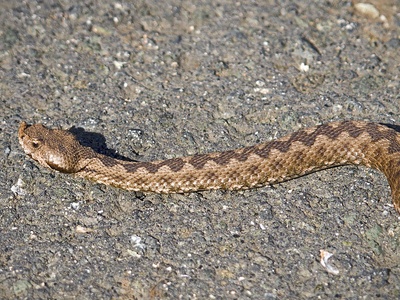
Nose-horned viper
Recognizable by a small nasal horn, this viper is venomous and potentially dangerous. Found on rocky hills and ruins; populations impacted by habitat loss and intentional killing.
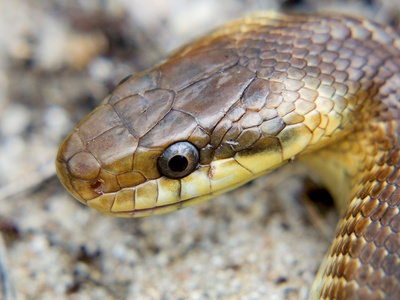
Aesculapian snake
Slender, tree-climbing colubrid that preys on birds and small mammals. Non-venomous and often associated with old woodlands and ruins. Iconic in folklore and locally protected habitats.
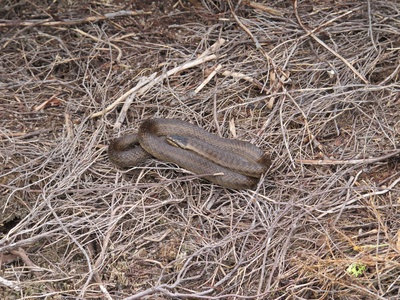
Smooth snake
Small, secretive, non-venomous snake that feeds on lizards and small snakes. Smooth scales and inconspicuous patterning make it easy to overlook. Prefers cooler, forested habitats and rocky outcrops.