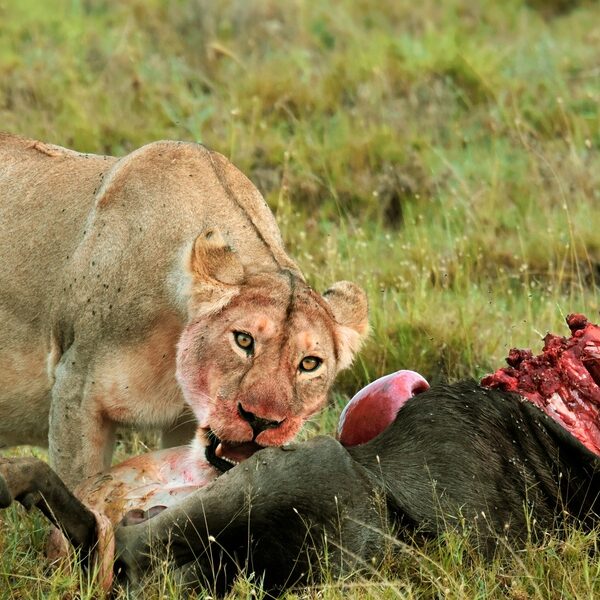
Native American communities have harvested wild rice — manoomin in Ojibwe — for centuries, paddling cedar-framed canoes and gently beating ripe seed heads into the boat. Early European explorers recorded those harvests, and many bands still practice ceremonial and subsistence gathering today.
So why should you care about subtle differences between cultivated rice and wild rice when they both end up as grains on a plate? The short answer: origin and biology shape nutrition, cooking, cultural meaning, environment, and cost — all things that matter when you buy, cook, or serve a grain. This piece compares rice vs wild rice across eight clear differences grouped into botanical/origin, nutrition/health, culinary/sensory, and economic/environmental/cultural categories, using USDA, FAO, Indigenous sources, and published studies where relevant. Next: the botanical story that explains a lot of those downstream differences.
Botanical origins and habitats
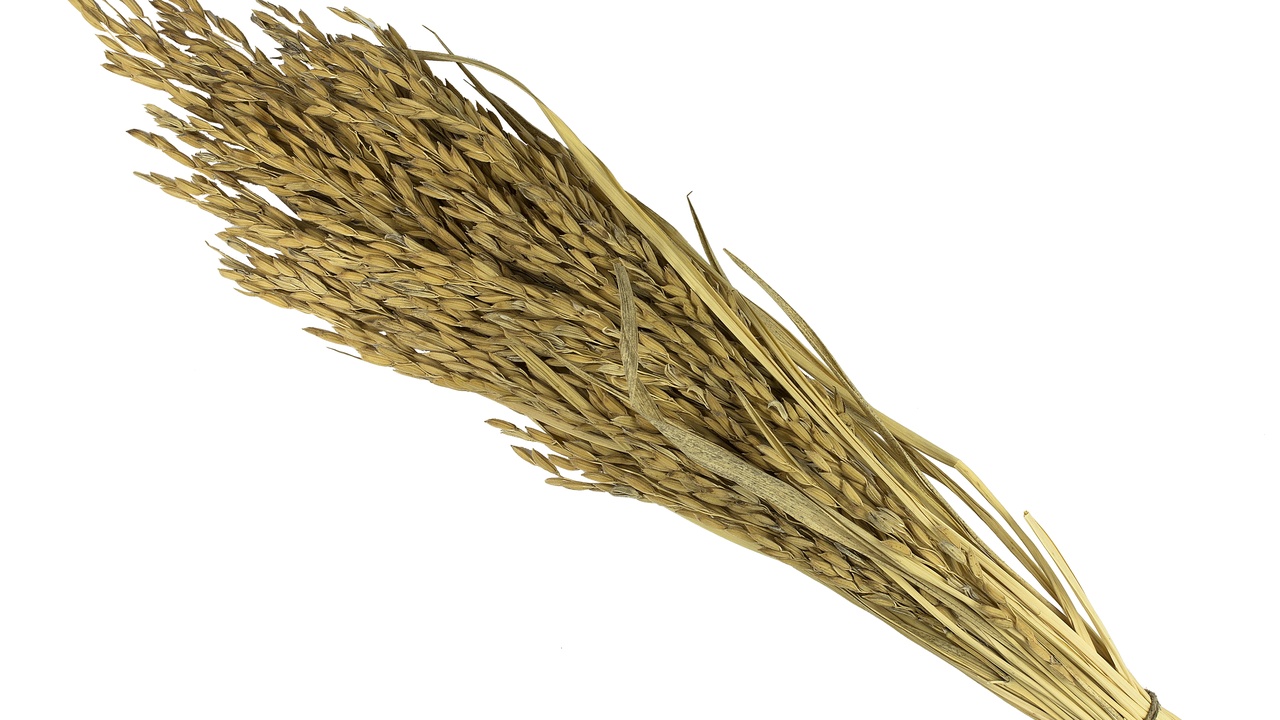
Taxonomy and native habitats determine how a plant is grown, harvested, and used. The plants commonly called “rice” and “wild rice” are not the same genus, and that difference shows up in shape, seasonality, and where they thrive.
1. Taxonomy and species
Most table rice comes from the genus Oryza, especially Oryza sativa (Asian rice) and Oryza glaberrima (African rice). By contrast, wild rice is in the genus Zizania, with species such as Zizania palustris (Northern wild rice) and Zizania aquatica (Eastern wild rice).
The genus Oryza contains about 20 wild species in addition to the domesticated ones, and the two genera show clear differences in seed shape, plant height, and panicle structure (see USDA PLANTS or university floras for botanical keys).
2. Native habitats and domestication history
Cultivated rice was domesticated in Asia roughly 8,000–9,000 years ago (archaeobotanical evidence from the Yangtze basin), then spread across Asia and into Africa. Those domesticated types adapted to flooded fields, terraces, and intensive agriculture.
Wild rice grows naturally in shallow lakes, slow-moving rivers, and marshes across the North American Great Lakes and Prairie regions and in some Asian wetlands. Indigenous harvest traditions — such as fall beating from cedar canoes among the Ojibwe — predate European contact and continue today, often in semi-wild beds that are seasonally harvested.
Nutritional and health differences
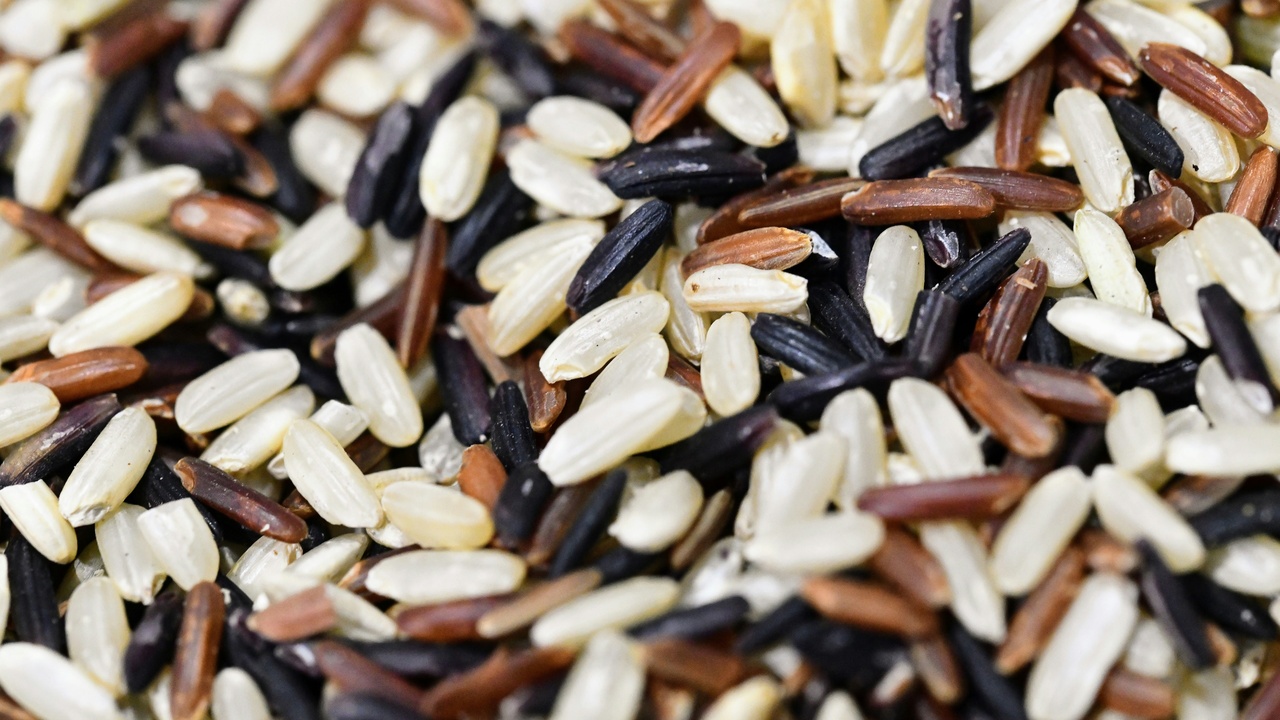
Nutrition is a big reason people choose one grain over another. Wild rice is a true whole grain with a distinct macronutrient and micronutrient profile compared with refined white rice and even versus brown rice.
3. Macronutrients: calories, protein, and fiber
Per 100 grams cooked, USDA figures show cooked wild rice delivers about 100–105 kcal, roughly 4 g protein, and around 1.8–2.0 g fiber. A typical cooked long-grain white rice portion is closer to 125–130 kcal per 100 g, ~2–2.7 g protein, and about 0.3–0.5 g fiber (USDA FoodData Central).
Those differences matter on the plate: higher protein and fiber in wild rice increase satiety, blunt post-meal blood-sugar spikes, and make it a better fit for hearty salads and vegetarian mains that need a textural, protein-rich base.
4. Micronutrients, antioxidants, and contaminants
Wild rice typically contains higher amounts of trace minerals such as manganese and zinc and also carries distinctive phytochemicals that contribute to its darker color and antioxidant activity. Brown rice is closer to wild rice in micronutrients, while polished white rice has much of the bran removed.
Contaminant-wise, inorganic arsenic tends to concentrate in bran layers and in rice grown in certain geographies. Testing and surveys (including Consumer Reports and academic studies) generally find lower inorganic-arsenic levels in wild rice samples compared with some commercial rice from high-arsenic regions, though results vary by source and processing. For vulnerable groups (infants, pregnant people), diversifying grain choices and rinsing/boiling techniques can reduce exposure.
Culinary and sensory differences
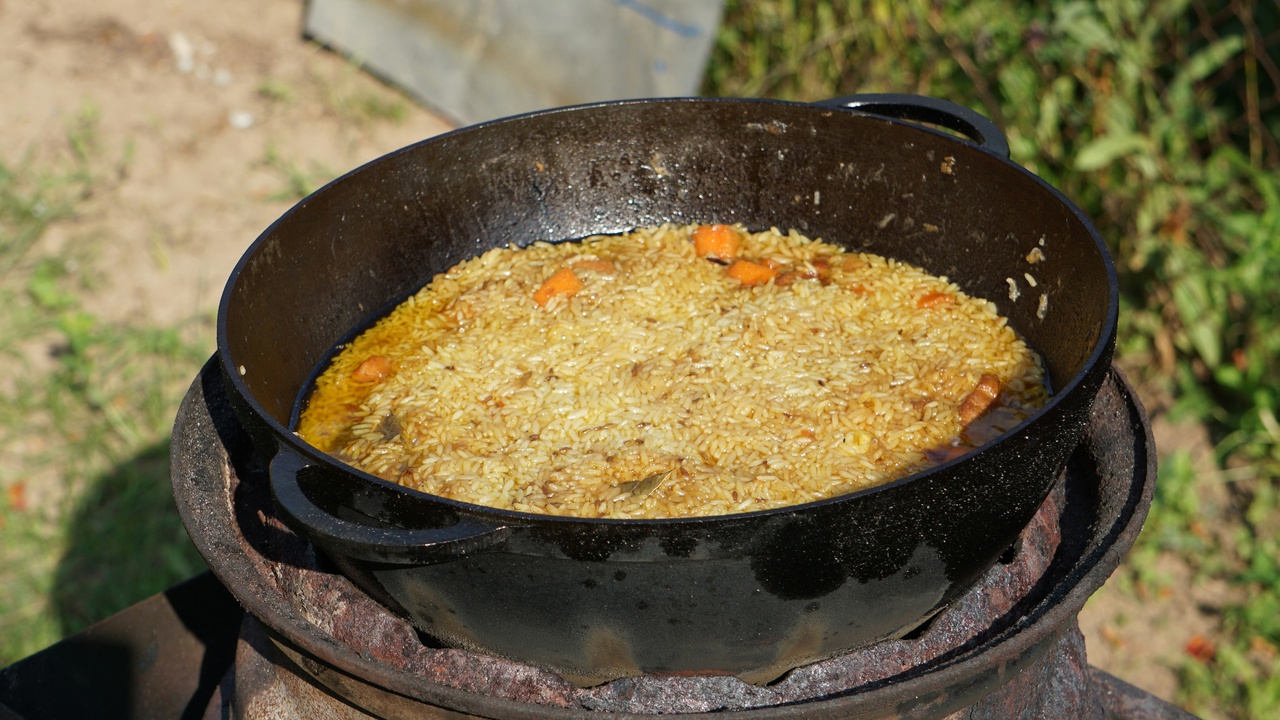
Taste and texture shape how a grain is used in recipes. Wild rice’s nutty, toasted flavour and firm chew set it apart from the milder, softer mouthfeel of most cultivated rices.
5. Flavor and texture
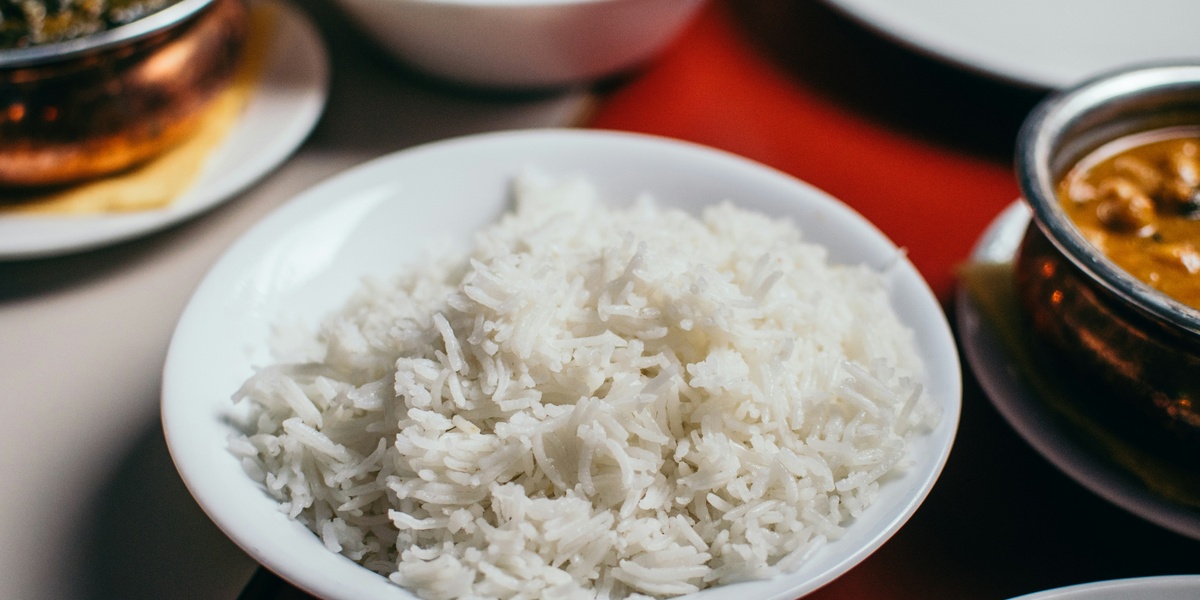
Wild rice offers a toasty, slightly smoky aroma and a firm, chewy bite that holds up in salads, stuffings, and pilafs. Cultivated rice varieties range from neutral and fluffy (long-grain white) to fragrant and soft (jasmine, basmati), which makes them ideal for delicate sauces, stir-fries, and rice puddings.
Use wild rice with bold flavors — mushrooms, roasted squash, game meats, sage, or aged cheeses — and reserve jasmine or basmati when you want rice to play a subtle, supporting role.
6. Cooking methods, timing, and practical tips
Wild rice takes longer to cook and needs more water. A common home method is 1 cup wild rice to 3–4 cups water, simmering 40–60 minutes until kernels split and are tender. Long-grain white rice usually cooks in 15–20 minutes with a tighter 1:1.5–1:2 ratio (by volume) once water is brought to a boil and covered.
To speed wild rice, soak it for a few hours or parboil, or use pre-cooked microwave pouches from brands like Lundberg Family Farms. Toasting wild rice in a dry pan before simmering enhances its nutty aroma, and rinsing polished rice removes surface starch for fluffier results.
Economic, environmental, and cultural differences
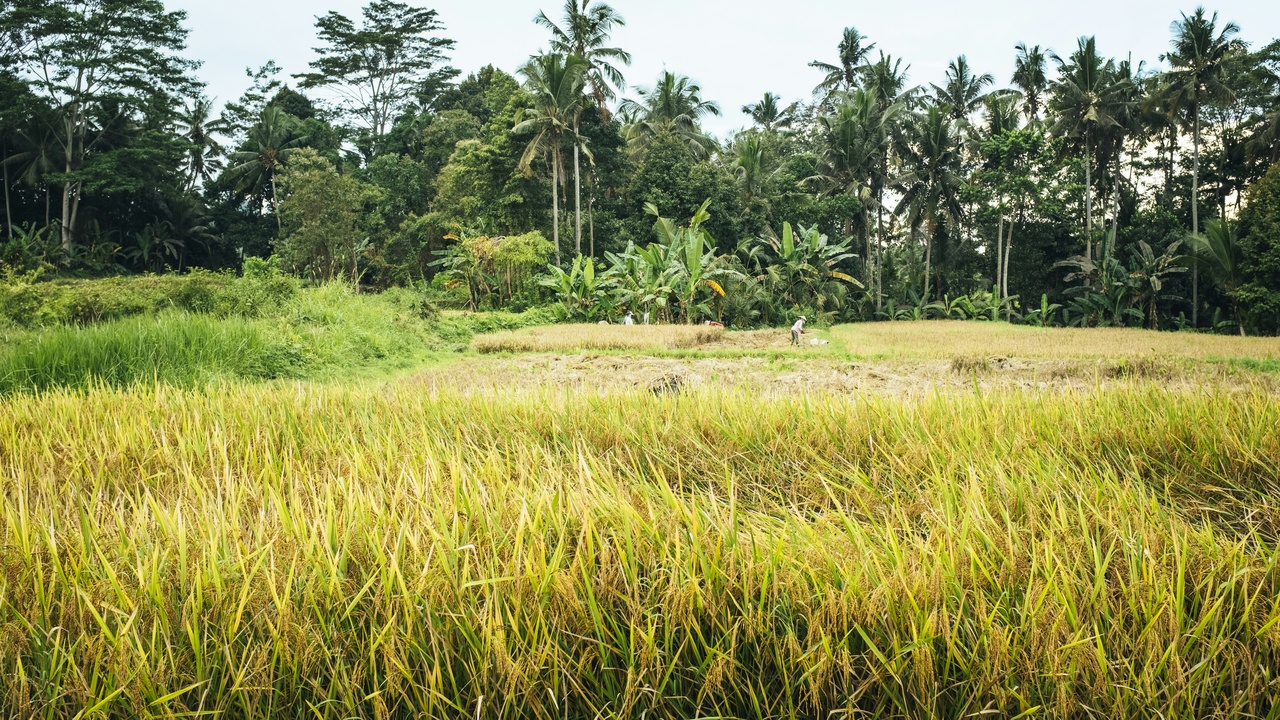
Choosing a grain has ripple effects beyond the plate: market prices, ecosystem services, and cultural rights are all in play. Cultivated rice is a global commodity; wild rice is a smaller, often locally managed product with deep cultural ties.
7. Price, supply scale, and market uses
Global paddy rice production is enormous — on the order of roughly 740 million tonnes annually in recent years (FAO statistics) — and a few countries dominate supply. By contrast, commercial wild rice production is tiny and often harvested by small producers or Indigenous co-ops.
Retail prices reflect that scale: bulk white rice commonly sells for under $1–$2 per pound, while packaged wild rice typically retails between about $6 and $12 per pound depending on origin and processing. That price gap makes wild rice a premium ingredient for restaurants and specialty products.
8. Environmental impact and cultural significance
Wetland beds of wild rice support aquatic biodiversity — fish, waterfowl, and plant communities — and many Indigenous nations manage those beds as part of cultural stewardship and treaty rights. Restoration projects and co-management agreements in Minnesota and Canadian provinces aim to protect manoomin habitat and harvest access.
Large-scale paddy rice agriculture has different impacts: it requires significant water, can convert natural habitats, and is a measurable source of methane emissions (paddy rice contributes roughly on the order of 10% of anthropogenic methane in some inventories; see IPCC/FAO summaries). For consumers who care about ecology and cultural respect, buying ethically sourced wild rice — often from Indigenous producers or labeled cooperatives — supports stewardship and local economies.
Summary
- Botany and habitat differ: cultivated rice (Oryza) is a domesticated paddy crop; wild rice (Zizania) grows in shallow lakes and marshes and has long Indigenous harvest traditions.
- Nutrition: wild rice generally supplies more protein and fiber per cooked serving and greater amounts of certain minerals compared with polished white rice (USDA figures), making it a hearty whole-grain choice.
- Cooking: expect longer cook times (40–60 minutes) and higher water ratios for wild rice; use soaking, toasting, or pre-cooked pouches to save time.
- Price and scale: global rice markets dwarf wild rice supply — white rice is inexpensive in bulk, while wild rice is typically a premium product ($6–$12/lb retail).
- Cultural and environmental note: wild rice beds are culturally significant and ecologically valuable; when possible, choose Indigenous- or small-producer–sourced wild rice and try a 25/75 wild-to-cultivated-rice blend to add texture without a large cost jump.
Try swapping a cup or two of cooked wild rice into a grain salad or pilaf to experience the flavor and texture differences firsthand, and check labels for ethically sourced manoomin when you can.