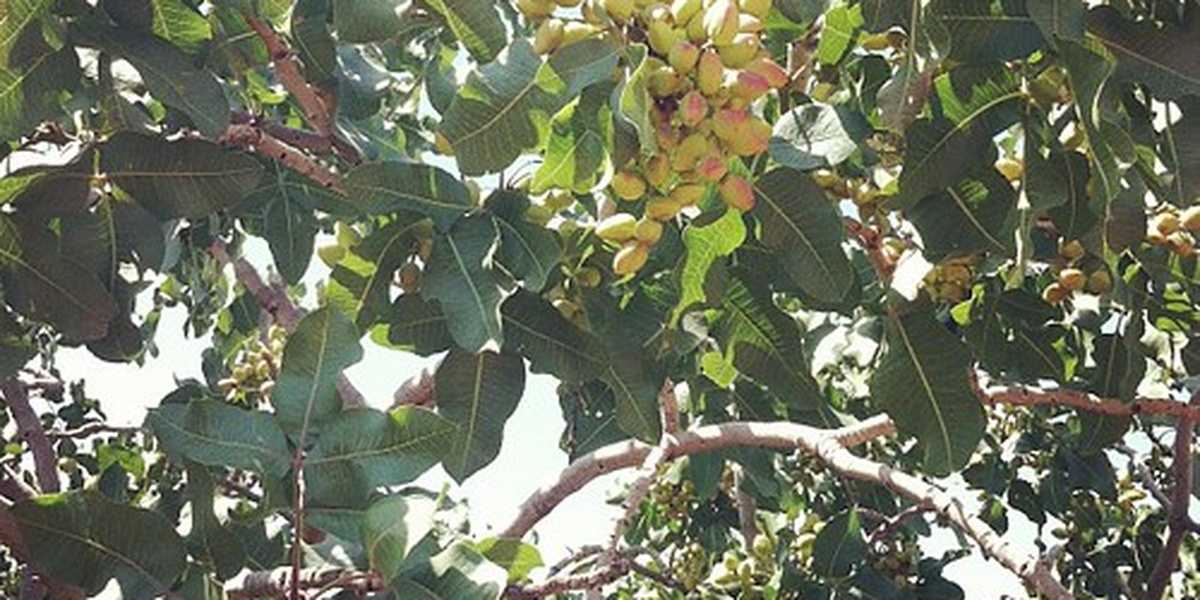
Afghanistan’s landscapes—from the Hindu Kush slopes to river valleys and arid foothills—support a varied mix of trees that have long influenced local livelihoods, fuel, and shade. Elevation, soil and seasonal water shape where each species grows, creating distinct pockets of woodland amid otherwise sparse terrain.
There are 22 Trees of Afghanistan, ranging from Afghan ash to Wild pistachio (khinjuk). For each entry you’ll find below the Scientific name, Height (m), Range (status & region), which makes it easy to compare botanical identity, typical stature, and distribution or conservation notes you’ll find below.
How can I tell which trees are native or threatened?
Check the Range (status & region) column for labels like native, endemic, introduced, or threatened; the Scientific name lets you verify status with sources such as the IUCN or regional floras. This list gives a quick reference, but for conservation actions or field work consult up-to-date local assessments.
Where would I most likely see Afghan ash and wild pistachio in Afghanistan?
Afghan ash is usually found in riverine corridors and lower mountain slopes where moisture is higher, while wild pistachio (khinjuk) favors dry, rocky foothills and southern or western provinces; the Range entries below note typical regions and occurrence.
Trees of Afghanistan
| Common name | Scientific name | Height (m) | Range (status & region) | Description |
|---|---|---|---|---|
| Chilgoza pine | Pinus gerardiana | 20 | Native; eastern Hindu Kush and central mountains | Evergreen pine forming open high-altitude stands, producing edible chilgoza nuts. Grows on dry, rocky slopes between 1,800–3,000 m. Economically important for nuts and timber; vulnerable from overharvest and habitat loss, locally protected. |
| Himalayan pine | Pinus wallichiana | 35 | Native; high-elevation Hindu Kush and eastern ranges | Tall, graceful conifer of moist montane forests, recognizable by long drooping needles. Found at higher elevations with cooler, wetter conditions. Used for timber and shade; regenerates slowly and is sensitive to heavy grazing. |
| Deodar cedar | Cedrus deodara | 40 | Native; eastern Hindu Kush montane forests | Majestic evergreen cedar of high mountain valleys and slopes, valued for durable timber and cultural planting. Often forms pure stands at mid-to-high elevations. Threatened locally by logging and grazing pressure. |
| Himalayan spruce | Picea smithiana | 40 | Native; moist high-elevation forests in eastern Afghanistan | Coniferous tree of cool, humid mountain sites with pendulous branchlets. Provides quality timber and habitat for wildlife. Confined to wetter slopes of the Hindu Kush; vulnerable where deforestation and grazing reduce regeneration. |
| Persian/Asian juniper | Juniperus polycarpos | 8 | Native; dry montane slopes across central and western ranges | Tough, slow-growing juniper forming shrubby to tree-like crowns on arid slopes. Seeds and wood used locally; important soil stabilizer. Juniper woodlands are fragmented and sensitive to overcutting and grazing. |
| Himalayan birch | Betula utilis | 20 | Native; alpine and subalpine zones in the Hindu Kush | Deciduous birch found near tree line on cool, rocky slopes. Notable white bark and papery peeling. Locally used for fuel and light timber; limited distribution in high-elevation habitats. |
| Walnut | Juglans regia | 25 | Native/naturalized; river valleys and mountain slopes (east and north) | Large deciduous tree valued for edible nuts and high-quality timber. Occurs in sheltered valleys and orchards, often wild or semi-wild. Cultural and economic importance; some wild populations affected by land use change. |
| Pistachio | Pistacia vera | 8 | Native/cultivated; wild and cultivated in drier western and northern regions | Small to medium tree grown for edible pistachio nuts and drought tolerance. Found in wild stands and cultivated terraces on arid slopes. Harvested for nuts; wild populations reduced by land conversion. |
| Wild pistachio (khinjuk) | Pistacia atlantica | 10 | Native; dry low mountains and foothills (southwest, west) | Woody tree in dry, rocky foothills, tolerant of saline soils. Fruits and resin used locally; provides shelter and forage. Important in xeric woodlands, often fragmented by grazing and clearance. |
| White mulberry | Morus alba | 10 | Naturalized/cultivated; orchards, towns, and riverine areas nationwide | Fast-growing shade and fruit tree widely planted for fruit and historically for silk-culture (sericulture). Adapts to many soils and is common in cultivated landscapes and along waterways. |
| Common fig | Ficus carica | 8 | Naturalized/cultivated; warmer valleys and orchards | Small deciduous fruit tree grown in gardens and orchards, often naturalizing in warm, sheltered valleys. Produces sweet figs and is culturally important in rural diets and local markets. |
| Desert poplar | Populus euphratica | 20 | Native; riparian saline soils, northern river corridors and deserts | Tough poplar adapted to saline and seasonally flooded river margins across northern and western lowlands. Forms gallery forests that stabilize banks; important for wildlife but threatened by water extraction and river regulation. |
| White poplar | Populus alba | 25 | Naturalized; rivers and floodplains across Afghanistan | Large, fast-growing poplar with distinctive white undersides to leaves. Common along rivers and floodplains, used for timber, shade, and windbreaks; often planted and spreading in disturbed riparian zones. |
| White willow | Salix alba | 20 | Native; riverbanks and wetlands widespread in lowlands | Deciduous willow forming large trees along rivers and lakes. Rapid-growing, used for erosion control, basketry and fuel. Dependent on river hydrology, vulnerable where waterways are altered. |
| Tamarisk | Tamarix ramosissima | 6 | Native/naturalized; saline soils, riverbanks and dry lowland plains | Small to medium tree tolerant of salty, arid soils and seasonal flooding. Forms dense stands along streams and saline flats; used historically for fuel and stabilizing soils, can dominate degraded riparian zones. |
| Russian olive | Elaeagnus angustifolia | 8 | Naturalized; widespread along roads, river valleys and disturbed ground | Hardy, nitrogen-fixing tree introduced and long-naturalized across Central Asia. Produces fragrant yellow flowers and edible silver fruits. Useful for shade and erosion control; can spread aggressively in disturbed areas. |
| Siberian elm | Ulmus pumila | 20 | Naturalized; widespread in northern lowlands and riverine habitats | Fast-growing elm tolerant of dry conditions, commonly found along roads and rivers. Used for windbreaks and quick shade. Many plantings and wildized populations present, hardy but susceptible to pests. |
| Balochistan oak | Quercus baloot | 20 | Native; dry montane forests in southeastern and eastern Afghanistan | Evergreen to semi-evergreen oak on dry mountain slopes, with leathery leaves and tough wood. Important for grazing habitat and local timber; oak woodlands fragmented by grazing and fuelwood collection. |
| Apricot | Prunus armeniaca | 8 | Native/cultivated; orchards and wild stands in valleys nationwide | Deciduous fruit tree central to Afghan agriculture and cuisine, occurring in cultivated orchards and wild stands in valleys. Produces popular stone fruit; many traditional varieties and wild populations persist. |
| Jujube | Ziziphus jujuba | 6 | Naturalized/cultivated; warm dry valleys and riverine gardens | Small fruit tree producing sweet, date-like jujubes. Grows in dry, warm valleys and often in home orchards; valued for fruit and drought tolerance. Frequently naturalized around settlements. |
| Nettle tree (hackberry) | Celtis australis | 15 | Naturalized; scattered in river valleys and cultivated areas (reported) | Medium deciduous tree occurring in some river valleys and gardens, producing small edible drupes. Tolerant of dry soils and often planted for shade; locally scattered and unafforested. |
| Afghan ash | Fraxinus xanthoxyloides | 20 | Native; riverine and montane valleys in eastern and southern regions | Large deciduous ash occurring in moist valleys and lower mountain slopes. Valued for strong timber and shade; vulnerable where riverside habitats are cleared or overgrazed. |
Images and Descriptions
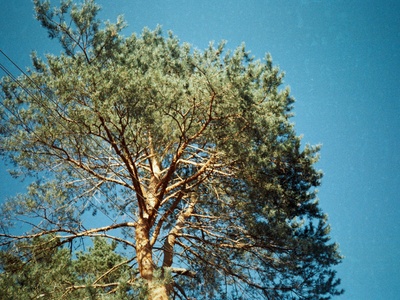
Chilgoza pine
Evergreen pine forming open high-altitude stands, producing edible chilgoza nuts. Grows on dry, rocky slopes between 1,800–3,000 m. Economically important for nuts and timber; vulnerable from overharvest and habitat loss, locally protected.
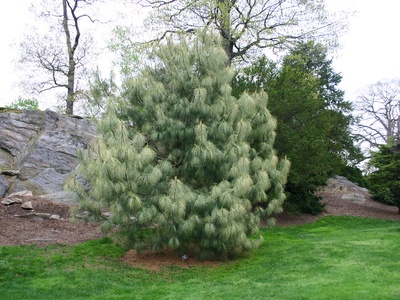
Himalayan pine
Tall, graceful conifer of moist montane forests, recognizable by long drooping needles. Found at higher elevations with cooler, wetter conditions. Used for timber and shade; regenerates slowly and is sensitive to heavy grazing.
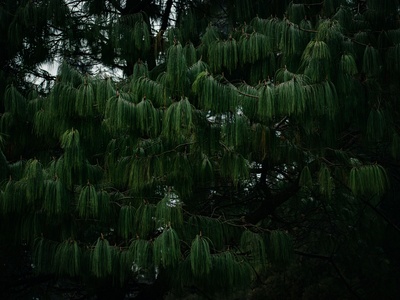
Deodar cedar
Majestic evergreen cedar of high mountain valleys and slopes, valued for durable timber and cultural planting. Often forms pure stands at mid-to-high elevations. Threatened locally by logging and grazing pressure.
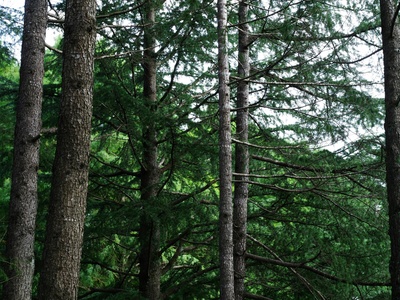
Himalayan spruce
Coniferous tree of cool, humid mountain sites with pendulous branchlets. Provides quality timber and habitat for wildlife. Confined to wetter slopes of the Hindu Kush; vulnerable where deforestation and grazing reduce regeneration.

Persian/Asian juniper
Tough, slow-growing juniper forming shrubby to tree-like crowns on arid slopes. Seeds and wood used locally; important soil stabilizer. Juniper woodlands are fragmented and sensitive to overcutting and grazing.
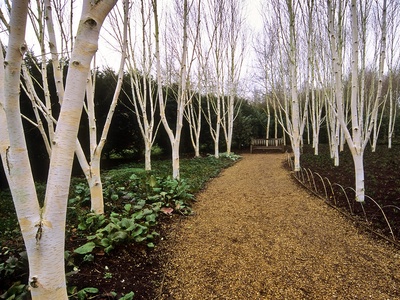
Himalayan birch
Deciduous birch found near tree line on cool, rocky slopes. Notable white bark and papery peeling. Locally used for fuel and light timber; limited distribution in high-elevation habitats.
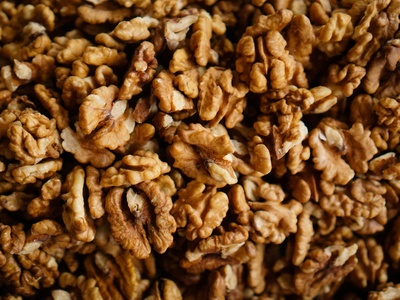
Walnut
Large deciduous tree valued for edible nuts and high-quality timber. Occurs in sheltered valleys and orchards, often wild or semi-wild. Cultural and economic importance; some wild populations affected by land use change.
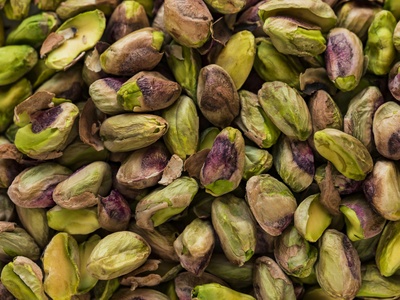
Pistachio
Small to medium tree grown for edible pistachio nuts and drought tolerance. Found in wild stands and cultivated terraces on arid slopes. Harvested for nuts; wild populations reduced by land conversion.
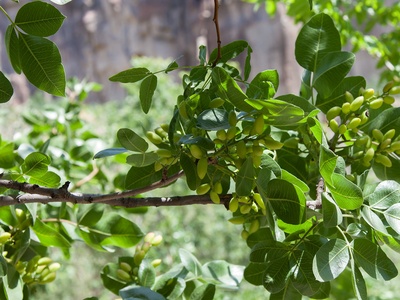
Wild pistachio (khinjuk)
Woody tree in dry, rocky foothills, tolerant of saline soils. Fruits and resin used locally; provides shelter and forage. Important in xeric woodlands, often fragmented by grazing and clearance.
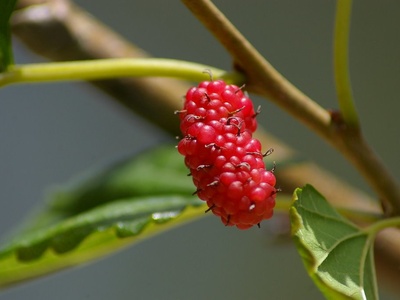
White mulberry
Fast-growing shade and fruit tree widely planted for fruit and historically for silk-culture (sericulture). Adapts to many soils and is common in cultivated landscapes and along waterways.
Common fig
Small deciduous fruit tree grown in gardens and orchards, often naturalizing in warm, sheltered valleys. Produces sweet figs and is culturally important in rural diets and local markets.
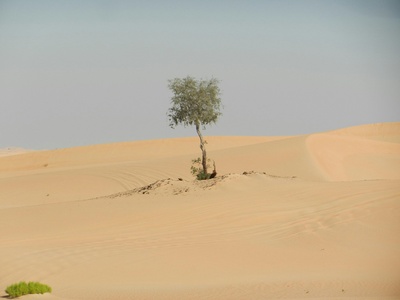
Desert poplar
Tough poplar adapted to saline and seasonally flooded river margins across northern and western lowlands. Forms gallery forests that stabilize banks; important for wildlife but threatened by water extraction and river regulation.
White poplar
Large, fast-growing poplar with distinctive white undersides to leaves. Common along rivers and floodplains, used for timber, shade, and windbreaks; often planted and spreading in disturbed riparian zones.
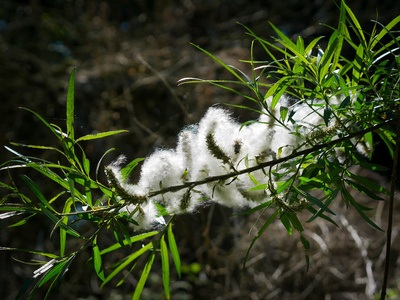
White willow
Deciduous willow forming large trees along rivers and lakes. Rapid-growing, used for erosion control, basketry and fuel. Dependent on river hydrology, vulnerable where waterways are altered.
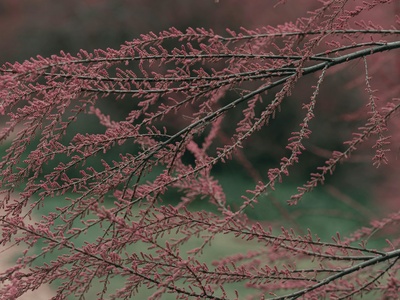
Tamarisk
Small to medium tree tolerant of salty, arid soils and seasonal flooding. Forms dense stands along streams and saline flats; used historically for fuel and stabilizing soils, can dominate degraded riparian zones.
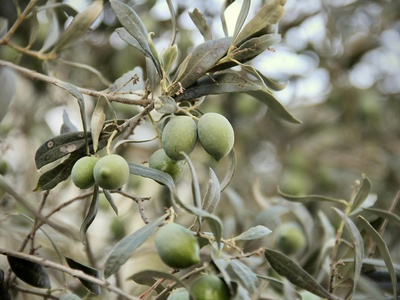
Russian olive
Hardy, nitrogen-fixing tree introduced and long-naturalized across Central Asia. Produces fragrant yellow flowers and edible silver fruits. Useful for shade and erosion control; can spread aggressively in disturbed areas.
Siberian elm
Fast-growing elm tolerant of dry conditions, commonly found along roads and rivers. Used for windbreaks and quick shade. Many plantings and wildized populations present, hardy but susceptible to pests.
Balochistan oak
Evergreen to semi-evergreen oak on dry mountain slopes, with leathery leaves and tough wood. Important for grazing habitat and local timber; oak woodlands fragmented by grazing and fuelwood collection.
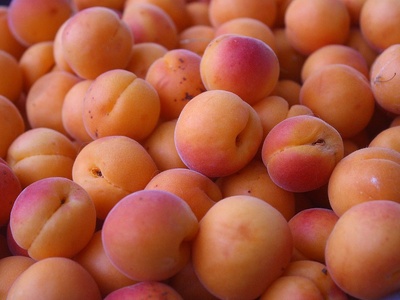
Apricot
Deciduous fruit tree central to Afghan agriculture and cuisine, occurring in cultivated orchards and wild stands in valleys. Produces popular stone fruit; many traditional varieties and wild populations persist.
Jujube
Small fruit tree producing sweet, date-like jujubes. Grows in dry, warm valleys and often in home orchards; valued for fruit and drought tolerance. Frequently naturalized around settlements.
Nettle tree (hackberry)
Medium deciduous tree occurring in some river valleys and gardens, producing small edible drupes. Tolerant of dry soils and often planted for shade; locally scattered and unafforested.
Afghan ash
Large deciduous ash occurring in moist valleys and lower mountain slopes. Valued for strong timber and shade; vulnerable where riverside habitats are cleared or overgrazed.