Luxembourg’s river valleys, mixed woodlands and planted avenues support a broad mix of tree species, from moisture-loving varieties to those that thrive on chalky slopes. A short walk through town parks or along the Sure and Moselle will show how trees shape both urban and rural greenspace here.
There are 34 Trees of Luxembourg, ranging from Black alder to Wild service tree. For each species you’ll find the Scientific name, Native status and Typical height (m) in the table you’ll find below.
Where in Luxembourg are these tree species most commonly found?
Many species are tied to particular habitats: wetland trees like alder cluster along streams, beech and oak dominate mature forests, and lime and plane trees are common in towns and avenues; hedgerows and orchards host smaller or remnant species. Check the Typical height (m) and Native status columns to match species to likely locations.
How can I tell if a listed tree is native or introduced?
Use the Native status column as a starting point, then look at regional field guides or local conservation sites for confirmation; leaves, fruit, bark and preferred habitat also help distinguish natives from common introductions.
Trees of Luxembourg
| Name | Scientific name | Native status | Typical height (m) |
|---|---|---|---|
| European beech | Fagus sylvatica | Native | 25–40 |
| Pedunculate oak | Quercus robur | Native | 20–35 |
| Sessile oak | Quercus petraea | Native | 20–35 |
| Scots pine | Pinus sylvestris | Native | 20–35 |
| Norway spruce | Picea abies | Introduced/Planted | 25–40 |
| Silver fir | Abies alba | Native | 25–40 |
| European larch | Larix decidua | Introduced/Planted | 20–35 |
| Douglas fir | Pseudotsuga menziesii | Introduced/Planted | 30–50 |
| Norway maple | Acer platanoides | Native | 20–30 |
| Sycamore maple | Acer pseudoplatanus | Native | 20–35 |
| Field maple | Acer campestre | Native | 8–15 |
| Small-leaved lime | Tilia cordata | Native | 15–30 |
| Common lime (London hybrid) | Tilia × europaea | Introduced/Planted | 20–35 |
| Common ash | Fraxinus excelsior | Native | 20–35 |
| Hornbeam | Carpinus betulus | Native | 15–25 |
| Black alder | Alnus glutinosa | Native | 10–25 |
| Silver birch | Betula pendula | Native | 10–25 |
| Wild cherry | Prunus avium | Native | 15–30 |
| Sweet chestnut | Castanea sativa | Introduced/Planted | 15–30 |
| Horse chestnut | Aesculus hippocastanum | Introduced/Planted | 15–25 |
| Black poplar | Populus nigra | Native | 20–30 |
| European aspen | Populus tremula | Native | 15–25 |
| White willow | Salix alba | Native | 15–25 |
| Black locust | Robinia pseudoacacia | Introduced/Planted | 10–25 |
| Common yew | Taxus baccata | Native | 10–20 |
| Wild service tree | Sorbus torminalis | Native | 15–20 |
| European rowan | Sorbus aucuparia | Native | 6–15 |
| Whitebeam | Sorbus aria | Native | 8–15 |
| Common walnut | Juglans regia | Introduced/Planted | 15–25 |
| London plane | Platanus × hispanica | Introduced/Planted | 20–35 |
| Turkey oak | Quercus cerris | Introduced/Planted | 20–30 |
| Black pine | Pinus nigra | Introduced/Planted | 15–30 |
| Large-leaved lime | Tilia platyphyllos | Native | 20–30 |
| Cedrus atlas / Lebanon | Cedrus spp. | Introduced/Planted | 15–30 |
Images and Descriptions

European beech
Tall, smooth-barked forest tree with glossy green leaves turning copper in autumn. Common in Luxembourg’s Ardennes and Mullerthal forests. Look for dense canopies and beech mast. A dominant native species important for shady woodland habitats.
Pedunculate oak
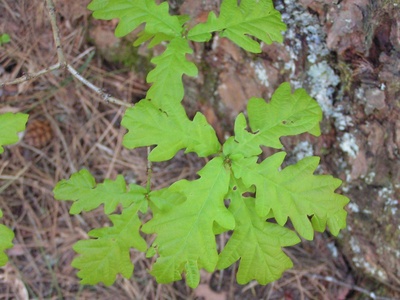
Sturdy broad-crowned oak with lobed leaves and long acorns on stalks. Frequent in lowland woodlands, hedgerows and parks across Luxembourg. Notable for age and cavities that host wildlife; key native timber and biodiversity tree.
Sessile oak
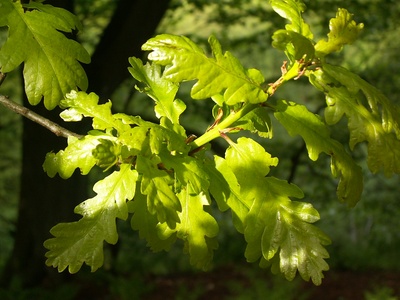
Similar to pedunculate oak but stalkless acorns and hairier leaves. Found on hillier, well-drained soils in Luxembourg’s forests. Important native oak of upland woods and supports many insects and fungi.
Scots pine
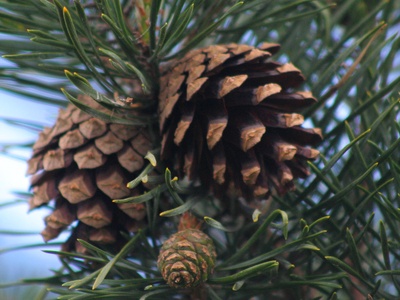
Red-barked mature trunk, long blue-green needles in pairs and open crown. Occurs on poorer soils and higher ground in Luxembourg; planted in forestry. Distinctive conifer for sandy or rocky sites.
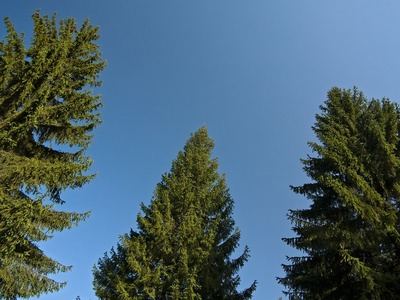
Norway spruce
Tall, pyramidal evergreen with drooping branchlets and long cones. Widely planted in Luxembourg for timber and shelter belts; also found in plantations and parks. Needles four-sided and sharp to touch.
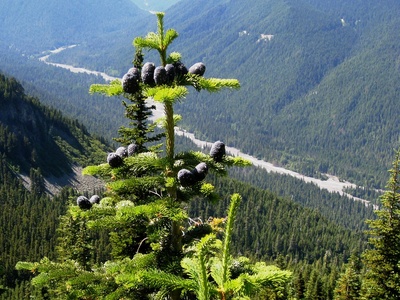
Silver fir
Columnar evergreen with flattened needles and smooth bark on young trees. Present in mixed forests of higher ground in Luxembourg. Recognizable by upright cones and softer silhouette than spruces.
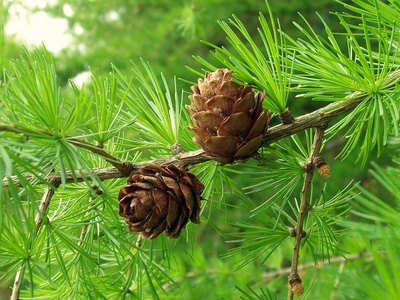
European larch
Deciduous conifer with soft clusters of needles that turn yellow in autumn. Planted in Luxembourg forestry and parks. Look for small cones and bare winter branches—unusual for conifers.
Douglas fir
Tall, conical evergreen with distinctive three-pointed bracts on cones. Common as a planted timber tree in Luxembourg’s forests and estates. Not native but widely grown for growth rate and timber.
Norway maple
Broad canopy with palmate leaves and milky sap in petiole. Found along roads, parks and mixed woodlands in Luxembourg. Tolerant urban tree though seedling spread occurs in some places.
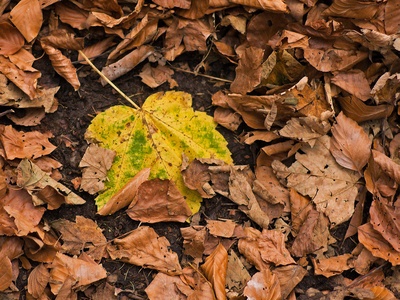
Sycamore maple
Large maple with winged samaras and rough bark on older trees. Common in woodlands, roadside verges and parks. Robust and shade-tolerant; leaves often larger than Norway maple.
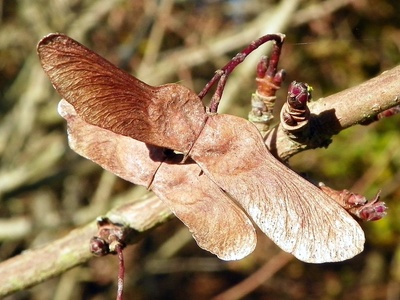
Field maple
Small-to-medium tree with lobed leaves and paired samaras. Often seen in hedgerows, parklands and mixed woods of Luxembourg. Good for identification by its branching and corky bark on older stems.
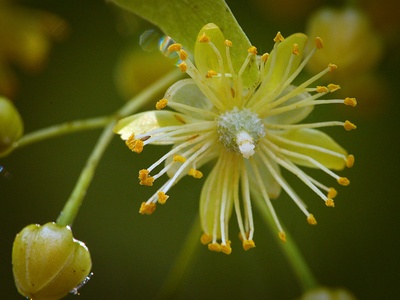
Small-leaved lime
Heart-shaped leaves, fragrant yellow flowers in summer and dangling bracts. Found in ancient woodlands, village greens and parks across Luxembourg. Favoured by pollinators and traditional lime avenues.
Common lime (London hybrid)
Large avenue tree with dense crown and fragrant summer flowers. Very common in Luxembourg towns and parklands as planted shade trees. Hybrid between T. cordata and T. platyphyllos.
Common ash
Opposite pinnate leaves and grey, fissured bark; samaras in clusters. Once widespread in Luxembourg’s hedgerows and woods but declining from ash dieback. Look for tall, elegant crowns and compound leaves.
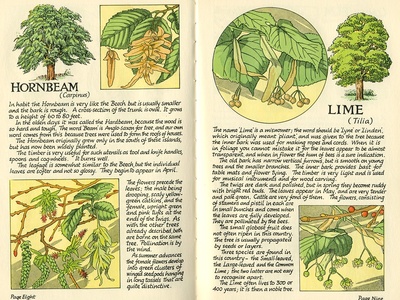
Hornbeam
Muscular, fluted trunk with toothed, alternate leaves and hard wood. Common in mixed forests, park hedges and managed coppices in Luxembourg. Leaves retain shape into autumn; often used for formal hedging.
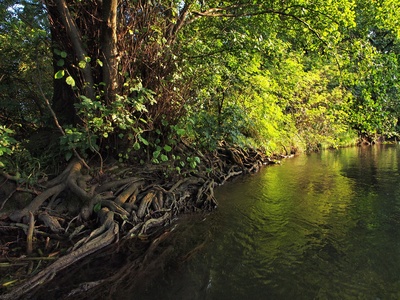
Black alder
Moist-soil tree with rounded leaves and small woody cones. Frequent along streams, ponds and wet woodlands in Luxembourg. Nitrogen-fixer with dark, fissured bark and distinctive catkins in spring.
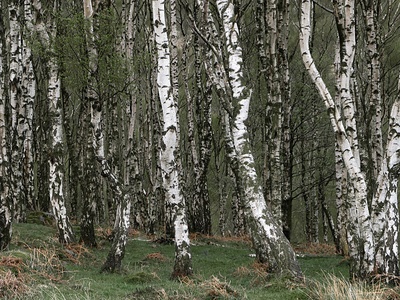
Silver birch
Slender tree with white peeling bark and triangular, serrated leaves. Common in secondary woodlands, hedgerows and disturbed sites across Luxembourg. Identified by papery bark and twinkling leaves in breezes.
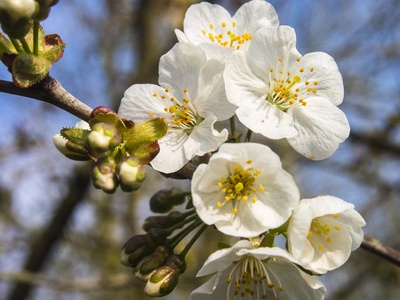
Wild cherry
Showy spring blossom, glossy leaves and red to black cherries. Found in wood edges, orchards and hedgerows in Luxembourg. Attracts birds; trunk often smooth with horizontal lenticels when young.
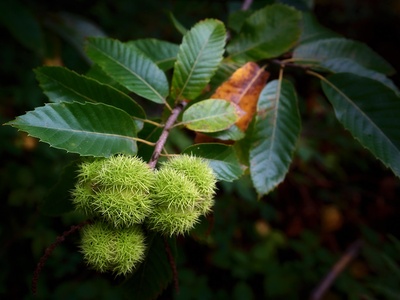
Sweet chestnut
Large tree with long serrated leaves and spiky husks containing edible nuts. Common in parks, old orchards and some woodlands in Luxembourg. Introduced historically but well established and culturally valued.
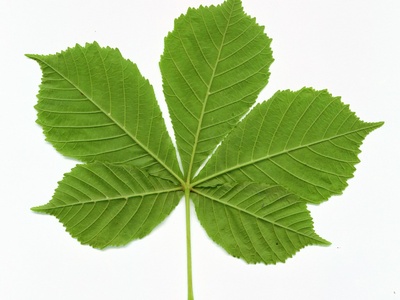
Horse chestnut
Showy upright panicles of white flowers and large palmate leaves. Widely planted in Luxembourg parks and avenues. Produces conker-like seeds; popular ornamental though not native.
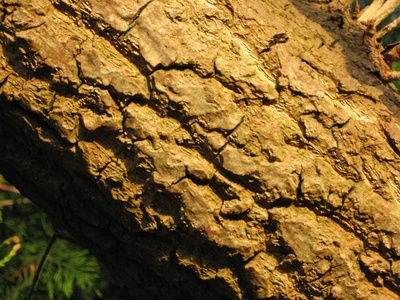
Black poplar
Tall riparian tree with rough bark and triangular leaves. Found along rivers and floodplains in Luxembourg. Important for riverbank stabilization and wildlife; leaves often darker than aspen.
European aspen
Quivering leaves on flattened petioles and pale bark. Occurs in mixed woodlands and open areas in Luxembourg. Colonizes disturbed ground by suckers; notable for trembling foliage.
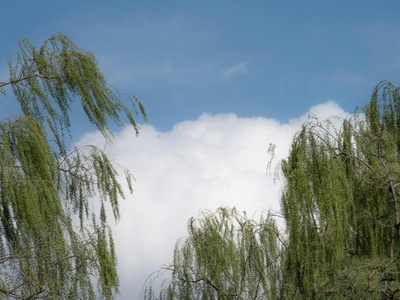
White willow
Large, fast-growing tree with lanceolate silvery leaves and drooping branches. Found along rivers, lakes and wet meadows in Luxembourg. Bark deeply furrowed on maturity; common riparian species.
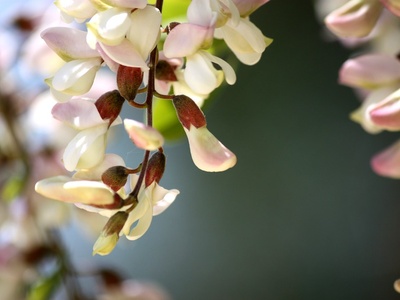
Black locust
Pinnate leaves, fragrant pea-like flowers and thorny branches on younger stems. Widely planted and naturalized in Luxembourg, often on poor soils and urban edges. Invasive potential noted.
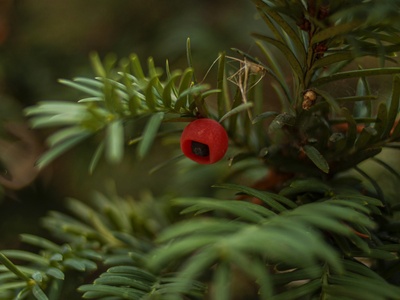
Common yew
Dense evergreen with flat needles and red arils on mature trees. Found in churchyards, shady woodland and parks in Luxembourg. Slow-growing, long-lived and historically significant; toxic seeds but ornamental.
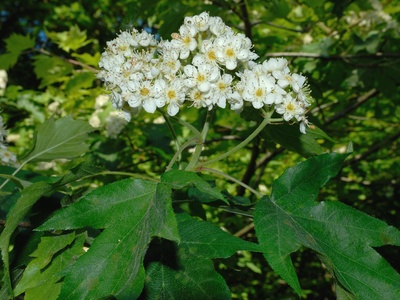
Wild service tree
Rare native tree with lobed leaves and brown pome fruits. Seen in older mixed deciduous woodlands in Luxembourg. Indicator of ancient woodland and valued for hard timber and wildlife fruit.
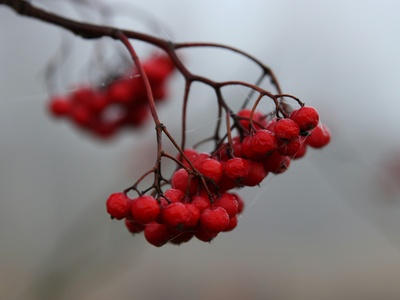
European rowan
Small tree with pinnate leaves and clusters of orange-red berries. Common on woodland edges, hillsides and urban plantings in Luxembourg. Berries are notable for birds and autumn colour.
Whitebeam
Oval grey-green leaves with white felted underside and clusters of white flowers. Occurs on calcareous soils, hedgerows and wood edges in Luxembourg. Produces orange-red pomes attractive to birds.
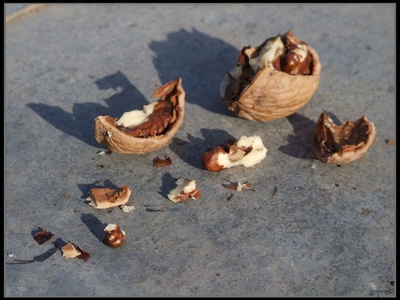
Common walnut
Large pinnate leaves and edible nuts in hard shells. Grown in orchards, gardens and parklands across Luxembourg. Valued for timber and nuts; smooth grey bark on young trees.
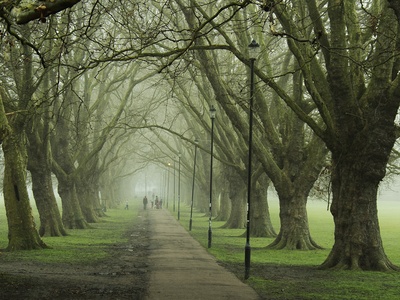
London plane
Massive, flaking mottled bark and large lobed leaves resembling maples. Widely planted along boulevards and squares in Luxembourg cities for pollution tolerance and shade.
Turkey oak
Rough, fissured bark and deeply lobed leaves with bristle tips. Planted and naturalized in parts of Luxembourg; identifiable by its acorn cup with hairy scales. Tolerant of poor soils.
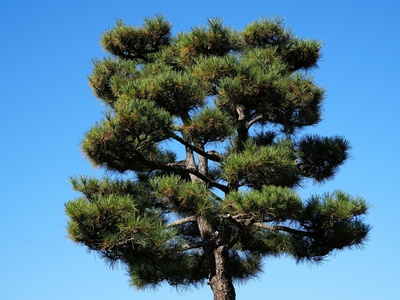
Black pine
Dark green needles in pairs and rugged bark forming a broad crown. Planted in parks and some forestry stands in Luxembourg. Tolerant urban tree often used for shelterbelts and erosion control.
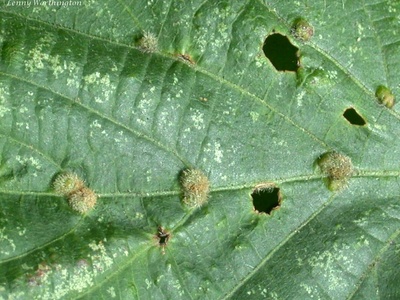
Large-leaved lime
Big heart-shaped leaves and pale underside with downy veins; fragrant flowers. Found in mature woodlands and planted avenues in Luxembourg. Less common than small-leaved lime but important in mixed forests.
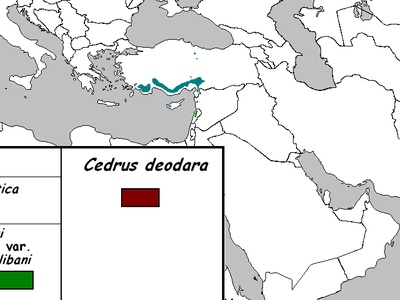
Cedrus atlas / Lebanon
Iconic conifer with tiered horizontal branches and needle clusters. Planted as specimen trees in Luxembourg parks and estates. Not native but long-lived and visually striking in large open sites.