Sierra Leone’s landscapes—from mangrove fringes and riverine swamps to inland rainforests—host a diverse mix of trees that support wildlife and local communities. Knowing which species grow where helps with conservation, forestry and simple curiosity about the country’s natural heritage.
There are 30 Trees of Sierra Leone, ranging from African birch to White mangrove. For each species the data are organized under Scientific name, Typical height (m), Where found — you’ll find below.
Which of these trees are most likely to be seen along the coast?
Coastal sightings are dominated by salt-tolerant and mangrove-associated species such as White mangrove and other shoreline trees; look for habitat notes in the “Where found” column to identify which species prefer estuaries, beaches, or nearby lowland forests.
How can I use the Scientific name and height columns in the field?
Scientific names remove ambiguity between local names, while Typical height (m) gives a quick expectation of mature size; together with the “Where found” column you can narrow possible matches when observing a tree and confirm IDs with a photo or local guide.
Trees of Sierra Leone
| Name | Scientific name | Typical height (m) | Where found |
|---|---|---|---|
| Baobab | Adansonia digitata | 5-25 | Dry savanna, northern/inland regions |
| African locust bean | Parkia biglobosa | 10-20 | Guinea savanna, northern regions |
| African copal | Daniellia oliveri | 10-20 | Guinea savanna, woodland margins |
| Red mahogany (dry-zone) | Khaya senegalensis | 15-30 | Gallery forests, savanna rivers, inland regions |
| African mahogany (rainforest) | Khaya ivorensis | 30-45 | Lowland rainforest remnants, southern regions |
| Iroko | Milicia excelsa | 25-45 | Lowland rainforest, forest remnants |
| Kapok | Ceiba pentandra | 20-40 | Moist forest, secondary growth |
| Sipo | Entandrophragma utile | 30-50 | Lowland rainforest, timber forests |
| Sapele | Entandrophragma cylindricum | 30-50 | Lowland rainforest, southern regions |
| Obeche | Triplochiton scleroxylon | 30-45 | Moist lowland forest, secondary growth |
| Black afara | Terminalia ivorensis | 25-40 | Lowland rainforest, riverine forest |
| Limba | Terminalia superba | 25-40 | Lowland and gallery forest, southern regions |
| Afzelia | Afzelia africana | 15-30 | Woodland, savanna fringe, degraded forest |
| Kola (bitter) | Cola nitida | 8-15 | Moist forest, town plantations, southern regions |
| Kola (sweet) | Cola acuminata | 8-15 | Rainforest, secondary forest |
| Bitter kola | Garcinia kola | 10-20 | Lowland rainforest, forest edges |
| African star apple | Chrysophyllum albidum | 6-20 | Moist forest, forest-savanna transition |
| Alstonia | Alstonia boonei | 20-40 | Lowland rainforest, riverine forest |
| African mango | Irvingia gabonensis | 25-35 | Lowland rainforest, forest farms |
| Mango (naturalized) | Mangifera indica | 10-30 | Villages, farms, coastal towns |
| Hog plum | Spondias mombin | 6-18 | Secondary forest, forest edge, fields |
| Kapok (savanna) | Bombax buonopozense | 20-35 | Guinea savanna, wooded grassland |
| African birch | Anogeissus leiocarpa | 8-20 | Guinea savanna, riverine woodlands |
| African rosewood | Pterocarpus erinaceus | 10-18 | Dry woodland, savanna fringe, northern areas |
| Erythrophleum | Erythrophleum suaveolens | 15-30 | Moist and gallery forests, southern/inland |
| Opepe | Nauclea diderrichii | 30-50 | Lowland rainforest, swampy forest |
| Sandpaper fig | Ficus exasperata | 6-25 | Secondary forest, forest edges, villages |
| Black mangrove | Avicennia germinans | 3-15 | Coastal mangroves, estuaries |
| Red mangrove | Rhizophora racemosa | 5-20 | Coastal mangroves, river mouths |
| White mangrove | Laguncularia racemosa | 3-20 | Coastal fringe, salt flats |
Images and Descriptions
Baobab
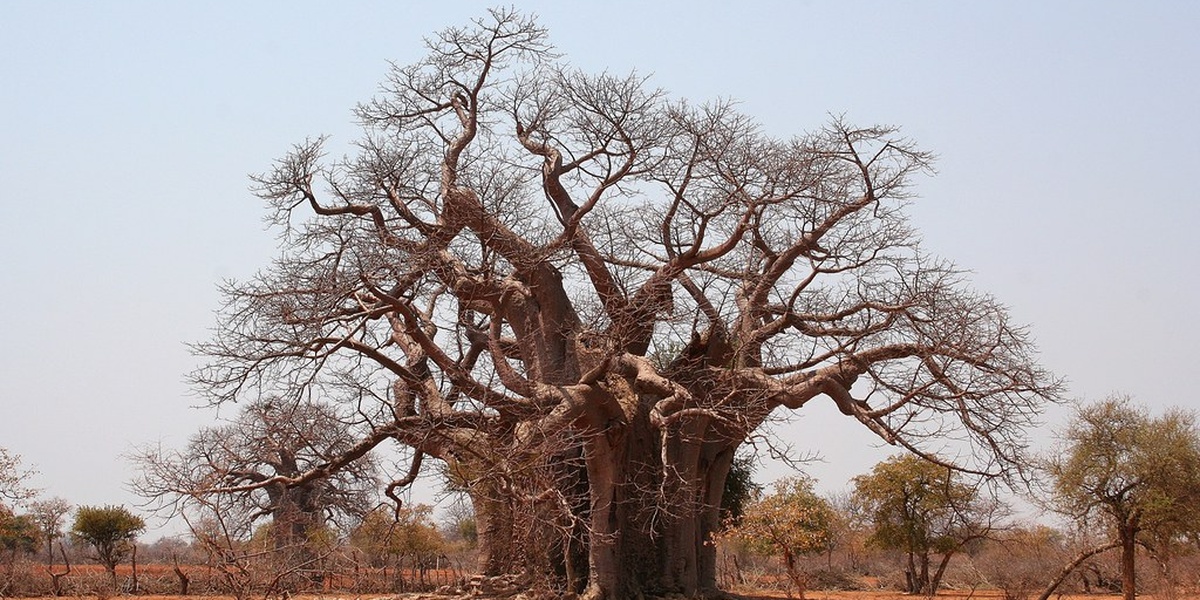
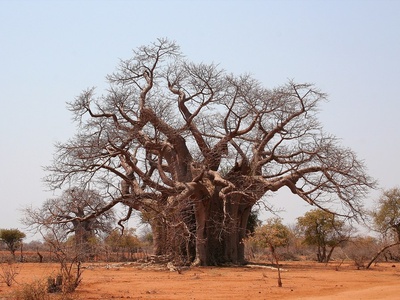
Iconic baobab with a massive water-storing trunk and sparse crown, 5–25 m tall. Found in dry savanna and rocky hills; produces nutritious fruit and fibrous bark. Culturally important, a landmark tree and key resource for communities and wildlife.

African locust bean
A medium to large savanna tree with a spreading crown and pendulous flower clusters, 10–20 m tall. Produces fermented seeds (néré) used in cooking and trade; thrives in dry woodlands and parkland agroforestry around villages.
African copal
Distinctive flat-topped tree up to 10–20 m, with brittle bark and fragrant timber. Found in savanna and woodland edges; used for timber, traditional medicine, and as a drought-tolerant shade tree in rural landscapes.
Red mahogany (dry-zone)
A large, straight-trunked mahogany up to 15–30 m found along riverine galleries and drier woodlands. Notable timber tree with winged seeds; valued locally for furniture and boatbuilding, and susceptible to overexploitation.
African mahogany (rainforest)
Tall rainforest mahogany reaching 30–45 m with pinnate leaves and winged seeds. Found in remnant primary and secondary forests; prized for high-quality timber and vulnerable in fragmented Upper Guinea forest of Sierra Leone.
Iroko
Massive hardwood tree 25–45 m tall with flaky bark and lobed leaves. Common in moist forests and forest patches; famed timber (“African teak”) used for heavy construction and cultural carving, ecologically important as a large emergent species.
Kapok
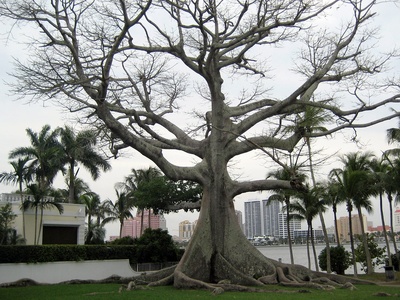
A tall emergent with buttressed trunk and showy white flowers, 20–40 m high. Produces silky kapok fiber and large pods; common in moist forests and disturbed areas, notable for its height and role in traditional uses and wildlife habitat.
Sipo
Large rainforest tree to 30–50 m with pinnate leaves and winged fruit; prized hardwood (sipo). Found in Upper Guinea forest fragments and selectively logged areas; important timber species often targeted by commercial logging.
Sapele
Tall canopy tree 30–50 m with distinctive reddish timber used for furniture and veneer. Occurs in rich rainforests and degraded forest patches; valued commercially and facing pressure from logging.
Obeche
Large pale-wood tree up to 30–45 m with broad buttresses and thin bark. Grows in moist lowland and gallery forests; lightweight timber is used for plywood and carving, common in secondary forest after disturbance.
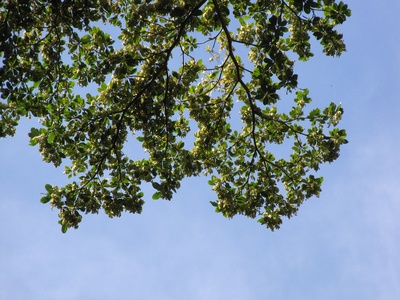
Black afara
Straight-trunked hardwood reaching 25–40 m with smooth grey bark and winged fruits. Found in moist lowland and riverine forests; timber valued for furniture and light construction, vulnerable where forests are fragmented.
Limba
Large tree with pale softwood, 25–40 m tall, and distinctive winged seeds. Occurs in lowland and riverine forests; important commercial timber (limba) and prominent in regenerating secondary forest.
Afzelia
Robust tree 15–30 m tall with hard, richly coloured timber. Found in drier woodlands and forest edges; seeds and timber are used locally, and the species is sensitive to overharvesting and habitat loss.
Kola (bitter)
Small to medium rainforest tree 8–15 m tall producing bitter kola nuts used culturally and economically. Occurs in moist forests and cultivated around settlements; important in traditional rituals and local trade.
Kola (sweet)
Evergreen tree 8–15 m tall producing caffeinated kola nuts. Found in primary and secondary rainforests and cultivated near villages; historically important in trade and social customs across West Africa.
Bitter kola
Medium rainforest tree 10–20 m tall with glossy leaves and bitter edible seeds used medicinally. Grows in moist lowland forests and secondary growth; valued locally for traditional medicine and cultural uses.
African star apple
Small to medium fruit tree 6–20 m tall with yellow-orange fruit eaten fresh. Occurs in forest and transition zones; important as a wild fruit source and for local markets and agroforestry.
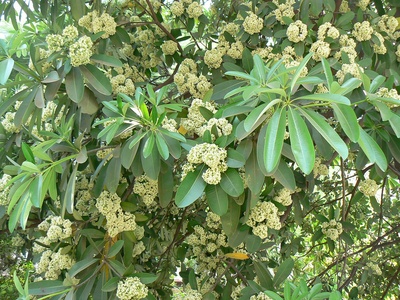
Alstonia
Tall timber tree 20–40 m with buttresses and milky sap. Found in moist lowland and riverine forests; used for traditional medicine and timber, notable for its fragrant wood and wide distribution in Upper Guinea forests.
African mango
Medium to large fruit tree 25–35 m tall producing edible kernels (ogbono) sold commercially. Found in humid forest and cultivated groves; important for local economies and forest-agroforestry systems.
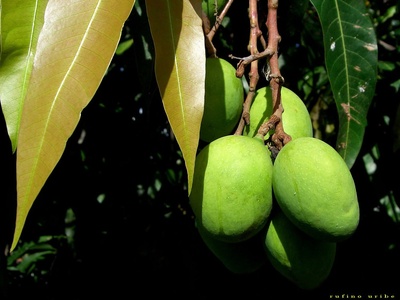
Mango (naturalized)
Commonly naturalized fruit tree 10–30 m tall with dense crown and sweet fruit. Widely planted and naturalized near settlements and farms; valuable food tree that now forms part of rural landscapes across Sierra Leone.
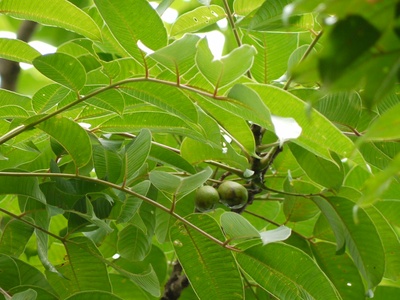
Hog plum
Small to medium tree 6–18 m tall with feathery leaves and yellow edible fruit. Found in disturbed forest, edges and farm clearings; used for food, medicine and as a fast-growing shade tree.
Kapok (savanna)
Large deciduous savanna tree 20–35 m tall with swollen trunk and dramatic white flowers. Found in drier woodlands and savanna, used for lightweight timber, fiber and traditional medicines, and important for seasonal nectar resources.
African birch
Medium tree 8–20 m tall with flaky bark and winged samaras. Common along riverine woodlands and savanna; valued for durable timber, traditional remedies, and as a hardy shade species.
African rosewood
Small to medium hardwood 10–18 m tall with orange-red timber used for fine joinery. Found in drier woodlands and savanna edges; heavily exploited and listed as conservation concern across West Africa.
Erythrophleum
A medium to large tree 15–30 m tall with tough timber and toxic bark. Occurs in moist and gallery forests; used traditionally for medicine and durable wood, but harvesting pressure can be high locally.
Opepe
Tall rainforest tree 30–50 m with buttresses and durable timber. Found in primary lowland and swampy forests; valuable for heavy construction and shipbuilding, now reduced in range by logging.
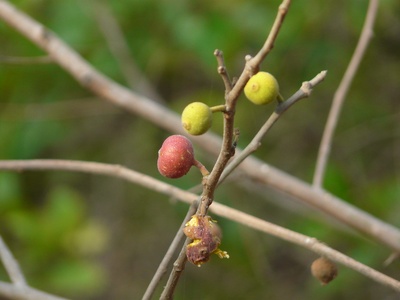
Sandpaper fig
Versatile fig tree 6–25 m tall with rough leaves and milky latex. Common in secondary growth, edges and disturbed areas; provides fruit for wildlife, is used in traditional medicine, and often marks village boundaries.
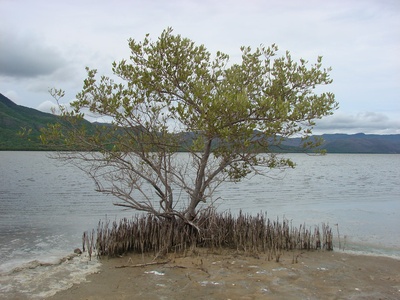
Black mangrove
Small to medium mangrove tree 3–15 m tall growing along tidal creeks and estuaries. Distinguished by pneumatophores and salt-tolerant leaves; crucial for coastal protection, fisheries nursery habitat and timber fuelwood locally.
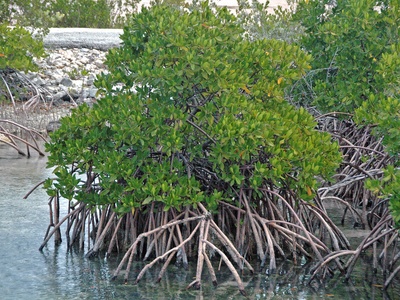
Red mangrove
Prop-rooted mangrove to 5–20 m dominating estuaries and mudflats. Forms dense stands along the coast and river mouths; stabilizes shoreline, supports fisheries, and is culturally and economically important to coastal communities.
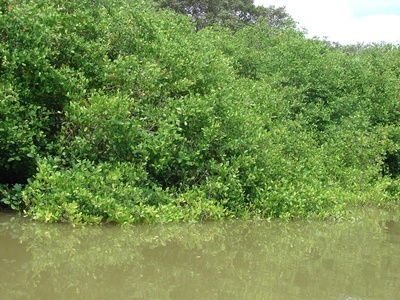
White mangrove
Small to medium mangrove 3–20 m tall found on higher tidal flats and sheltered shores. Characterized by opposite leaves and salt-excreting glands; provides shoreline stabilization and habitat diversity in mangrove systems.