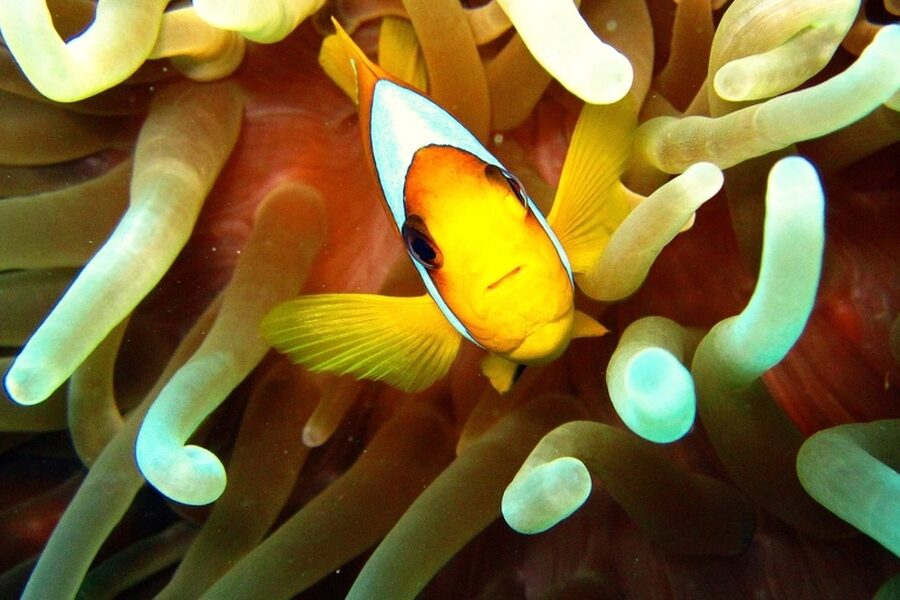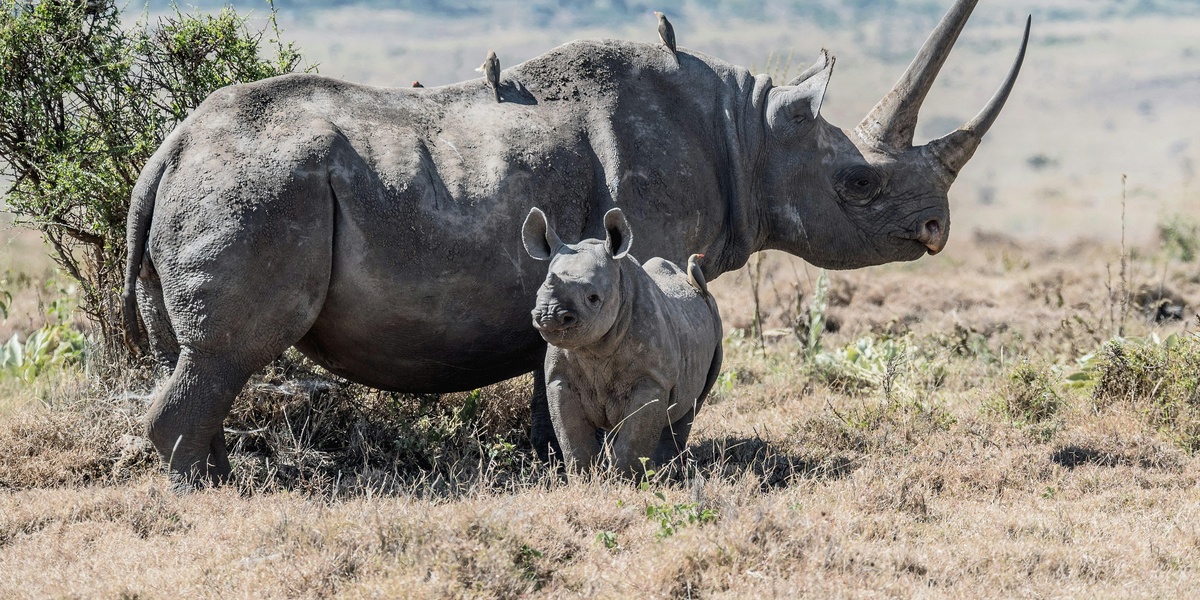
In 1973 the United States passed the Endangered Species Act, one of the most consequential conservation laws in modern history.
Yet worldwide many species remain at risk: the 2023 IUCN Red List assessed more than 41,000 species as threatened with extinction. Individual choices, community efforts, good science and strong policy together lower extinction risk in practical ways.
This piece groups eight evidence-backed actions into three practical categories—local steps, giving and advocacy, and science-driven recovery—that anyone can adopt. Read on for concrete tips, examples, and specific organizations you can support.
Practical Actions You Can Take Locally

Everyday choices in yards, balconies and neighborhoods add up: small habitat patches provide food and shelter, reducing local extinction risk, while volunteer observations improve the data managers use. Citizen science and modest habitat creation are high-impact, low-barrier ways to help imperiled wildlife.
1. Create wildlife-friendly habitats (native plants, water, shelter)
Planting native species and adding water and cover directly benefits local populations because native plants supply evolved food and nesting resources. Research shows native plantings substantially increase pollinator and bird visits compared with sterile turf or exotic ornamentals.
Start small: replace a lawn edge with three native shrubs, add a patch of native wildflowers, or install a rain garden or small pond to hold breeding amphibians. Simple structures—brush piles, bee hotels, and rock piles—help a variety of species.
Programs such as the National Wildlife Federation’s Certified Wildlife Habitat and municipal pollinator initiatives in cities like Seattle and Montreal offer checklists and local plant lists. Aim to plant three native species this season—milkweed, goldenrod, and a native shrub are a good start for pollinators and birds.
2. Cut pollution and waste (plastics, chemicals, light and noise)
Plastic and chemical pollution, plus light and noise, degrade habitat and directly harm animals: studies estimate roughly 8 million metric tons of plastic enter the ocean each year, causing ingestion and entanglement in marine life.
Practical household changes matter. Bring reusable bags and bottles, choose phosphate-free detergents, reduce pesticide and fertilizer use, and turn off outdoor lights during peak migration periods to protect nocturnal migrants and hatchling sea turtles.
Organize or join community beach cleanups and neighborhood trash pick-ups, support municipal single-use plastic bans, and advocate for stormwater management that limits chemical runoff. When neighborhoods adopt these habits, small actions scale into meaningful habitat protection.
3. Join citizen science and local monitoring programs
Everyday observations collected by volunteers feed conservation science: platforms such as iNaturalist and eBird receive millions of observations annually and fill geographic and seasonal gaps that formal surveys often miss.
Getting started is simple—download an app, take a clear photo, note time and place, and upload. Those records have tracked shifting migration timing, documented new range records, and even helped managers detect invasive species early.
Try contributing one observation per month (even backyard sightings help). Local biodiversity atlases and neighborhood bird counts are also great ways to turn casual interest into data that prompts management actions.
Support Through Giving, Consumption, and Advocacy
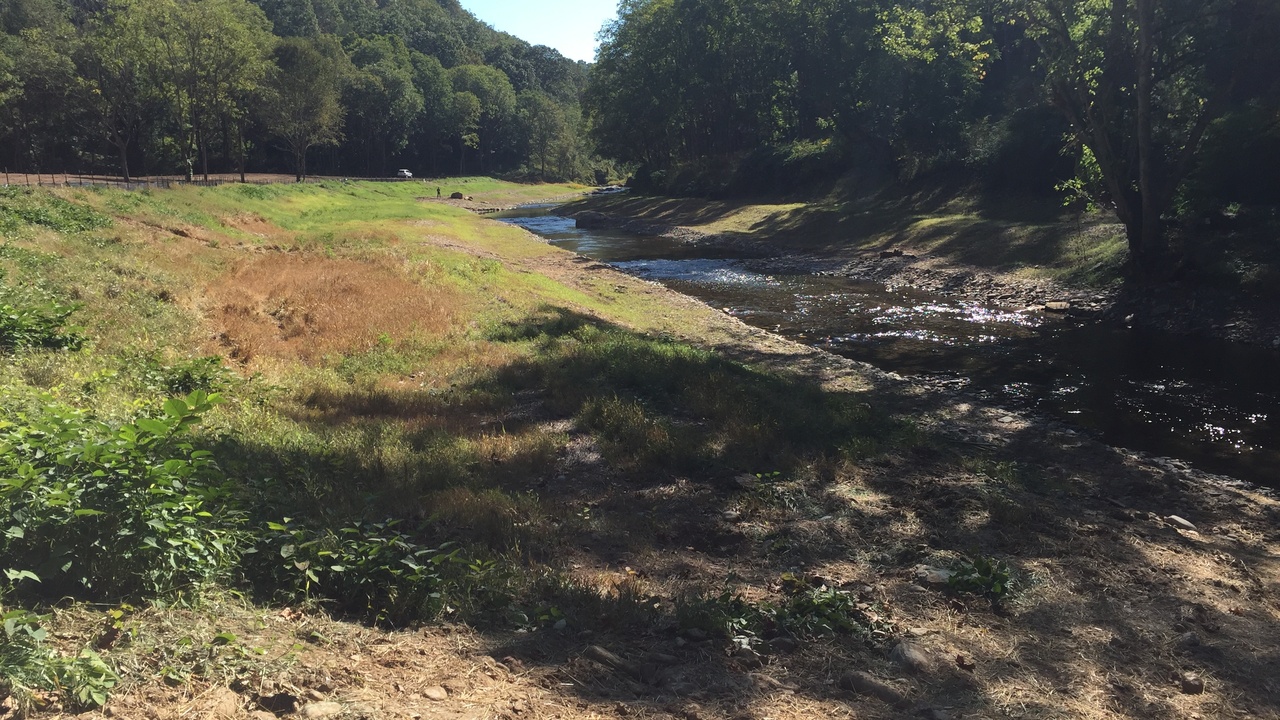
Money, purchasing choices and civic voice move conservation at landscape scales. Targeted donations fund habitat protection and enforcement, sustainable products reduce pressures like deforestation, and advocacy secures the laws and budgets that preserve species.
4. Donate or volunteer with reputable conservation organizations
Targeted financial gifts and volunteer time multiply impact on the ground. Established NGOs fund land purchases, anti-poaching units and community-based programs; for example, The Nature Conservancy has protected tens of millions of acres worldwide through purchases and easements.
Vet charities by checking charity watchdogs, reading annual reports, and looking for measurable outcomes. Local land trusts and rescue centers often deliver high leverage per dollar and provide hands-on volunteer days that also build community support.
Consider a short vetting checklist: clear mission, recent project reports, measurable results, and transparent budgets. Local volunteer events—habitat restoration days or wildlife rescue shifts—are another way to give time rather than money.
5. Choose sustainable products and reduce demand for wildlife exploitation
Consumer demand shapes markets. Choosing certified products can reduce habitat conversion and illegal trade: look for RSPO-certified palm oil, MSC-certified seafood, and FSC-certified timber when shopping.
A simple shopping checklist: prefer certified labels, buy secondhand when possible, and avoid products linked to habitat loss—unsustainable palm oil, illegal timber, and wildlife-derived luxury goods such as ivory or exotic pets.
Retailers adopting zero-deforestation policies or sourcing commitments can change supply chains. Your purchasing choices, multiplied across communities, reduce pressures that drive species declines.
6. Advocate for strong laws and funding (local and national)
Policy and budgets set the framework for large-scale protection. Landmark measures such as the Endangered Species Act (1973) and the Convention on International Trade in Endangered Species (CITES, in force since 1975) show how law can constrain exploitation and fund recovery.
You can engage by voting for habitat-friendly candidates, signing petitions, contacting legislators, and supporting local ballot measures that fund parks or buy land. Local zoning and funding choices often have immediate effects on nesting beaches, wetlands and migration corridors.
Measured civic action—letters to officials, public comment on environmental reviews, and coalition-building—amplifies scientific and community voices and helps secure long-term funding for wildlife agencies and protected areas.
When you consider which ways to help endangered species will have the most leverage, pair grassroots action with policy engagement for the greatest effect.
Science, Restoration, and Professional Engagement
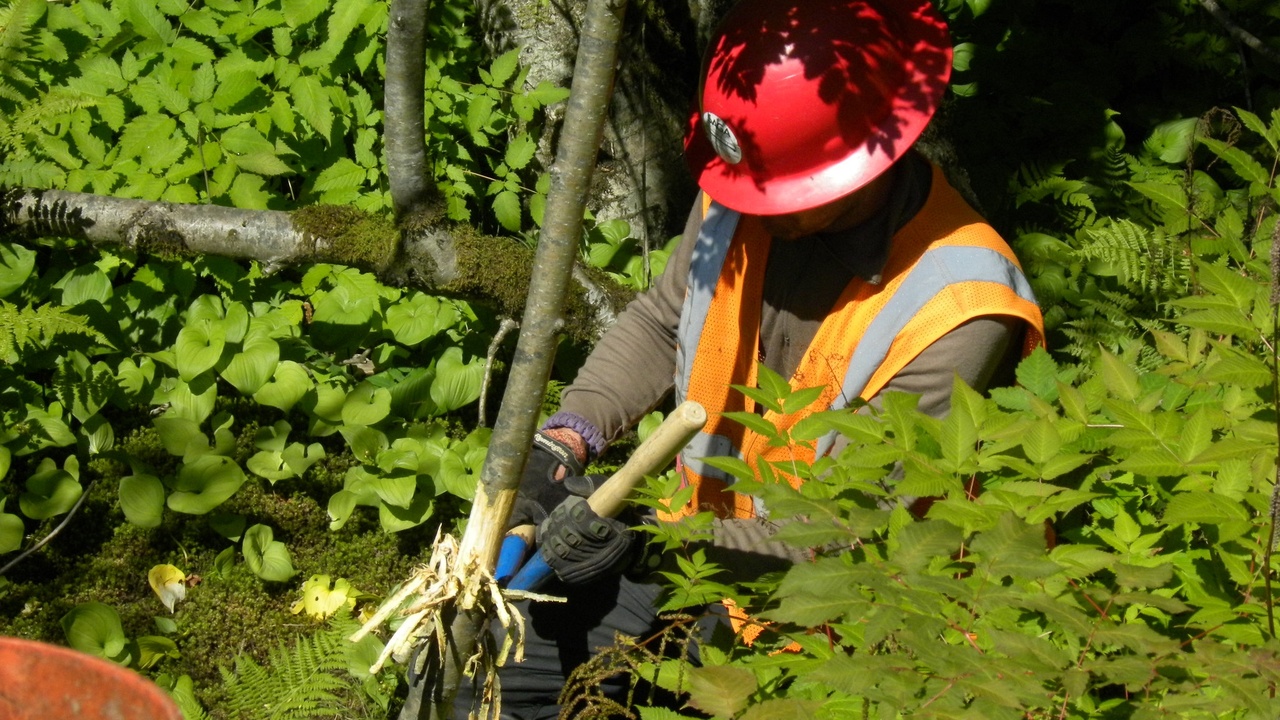
Longer-term recovery often depends on restoration, targeted species programs like captive breeding and translocations, and science-informed management. These efforts require coordination among scientists, governments and communities to be successful.
7. Support habitat restoration and invasive species control
Restoring native habitat and controlling invasive species are among the most effective ways to help recovering populations. Large-scale projects—wetland replanting or island invasive mammal eradications—have produced measurable rebounds in native wildlife.
For example, island rodent eradications have allowed seabird colonies to return within years, and restored wetlands have improved breeding habitat for amphibians and waterfowl across restored acres. Restoration takes time—often years to decades—but it yields durable benefits.
Get involved with local tree-planting, mangrove restoration, stream daylighting, or invasive plant removal days. Support policies and funding for coordinated, regional projects—scale matters when rebuilding resilient ecosystems.
8. Back scientific research, captive-breeding, and reintroduction efforts
Targeted science—genetics, monitoring and captive-breeding—often saves species that would otherwise be lost. Captive programs buy time while habitat and anti-poaching measures are implemented; the California condor program is a notable example.
Condor recovery moved from 22 birds in 1987 to several hundred today thanks to captive breeding, intensive monitoring and careful releases paired with habitat protections. Other successes include black-footed ferret reintroductions and Arabian oryx returns to the wild.
Support zoo and university conservation programs, donate to breeding centers, or advocate for funding for field biology. Remember ethical considerations: captive releases must be paired with habitat protection and threat reduction to succeed.
Summary
- Small, local actions—native gardens, reduced waste and citizen science—add up and supply measurable benefits for local biodiversity.
- Donations, sustainable purchasing and advocacy scale impact beyond individual effort; vetted NGOs and certification schemes (MSC, RSPO, FSC) guide effective choices.
- Science, restoration and targeted programs (island eradications, captive breeding) have produced real recoveries—so supporting them helps prevent extinctions.
- Concrete wins exist: laws like the Endangered Species Act (1973), treaties like CITES (1975), and recoveries such as the California condor show that concerted action works.
- Pick one action this week—plant three native species, make a small donation to a vetted group, or upload one observation to iNaturalist or eBird—and build from there.