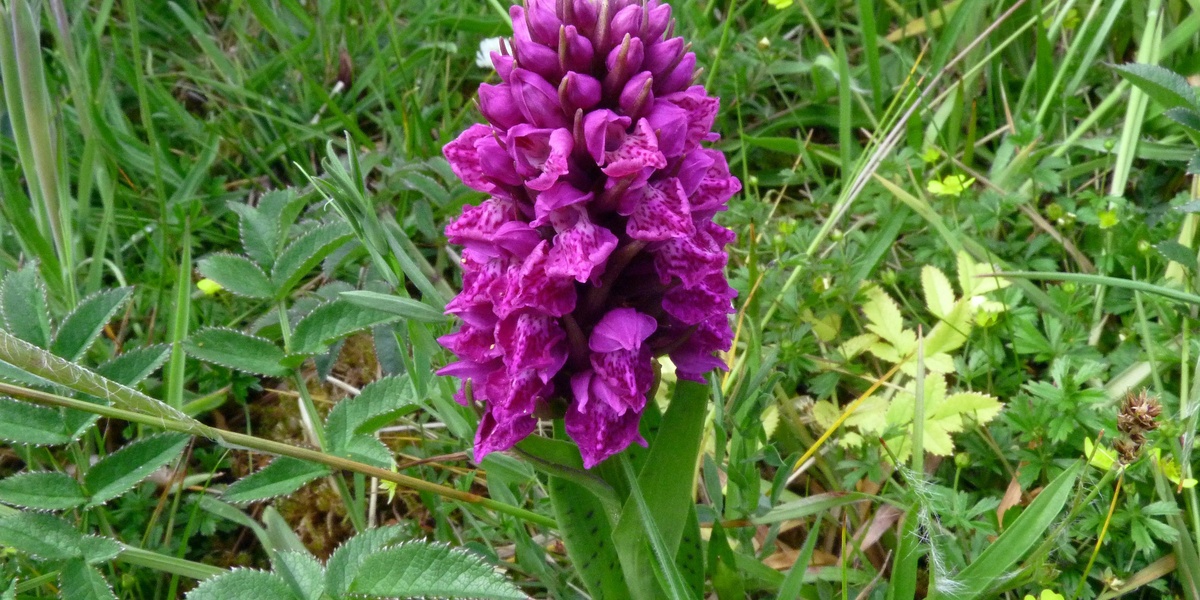
Wetlands—bogs, fens, marshes and damp meadow edges—are small worlds of their own, where water levels, soil chemistry and light create niches for specialist plants. In those conditions you’ll find species that rely on saturated soils and seasonal flooding rather than dry-ground strategies, making wetlands worth checking at the right time of year.
There are 28 wetland orchids, ranging from Blunt-leaved rein-orchid to Yellow lady’s-slipper. For each species, the entries are organized by Scientific name, Typical habitat, Range so you can compare identification and distribution easily; you’ll find below.
How can I tell these orchids apart in the field?
Focus on a few quick features: flower shape and color, the presence or absence of a lip or spur, leaf arrangement (basal rosette versus stem leaves), and the exact habitat (bog, fen, swamp margin). Take clear photos of the flower and leaves, note bloom time and water conditions, and consult a regional key—many look similar except for small floral details.
When is the best time to visit wetlands to see orchids?
Timing depends on species and region, but most wetland orchids bloom from spring into early summer; some peak later in northern areas. Check local records or nature groups for flowering reports, aim for stable water conditions, and respect access rules since many sites host rare or protected plants.
Wetland Orchids
| Name | Scientific name | Typical habitat | Range |
|---|---|---|---|
| Bog orchid | Hammarbya paludosa | Acidic peat bogs, Sphagnum hummocks and wet moss carpets | Circumboreal: northern Europe, Asia, North America |
| Fen orchid | Liparis loeselii | Calcareous fens, dune slacks, damp coastal meadows | Circumboreal: northern Europe, Greenland, eastern Canada, northeastern USA |
| Broad-leaved marsh orchid | Dactylorhiza majalis | Calcareous and base-rich fens, wet meadows, marsh edges | Europe into western Russia |
| Early marsh orchid | Dactylorhiza incarnata | Marshes, fens, wet meadows, roadside ditches | Europe, parts of western Asia |
| Heath spotted-orchid | Dactylorhiza maculata | Wet heaths, acidic bog margins, damp meadows | Europe and temperate Asia |
| Southern marsh orchid | Dactylorhiza praetermissa | Coastal marshes, saline fens, wet meadows | Western and northern Europe |
| Marsh helleborine | Epipactis palustris | Calcareous fens, damper meadow edges, marshes | Europe, western Asia |
| Marsh orchid (Mediterranean) | Anacamptis palustris | Wet meadows, marshes, damp limestone pastures | Southern and central Europe, Mediterranean |
| Frog orchid | Dactylorhiza viridis (syn.Coeloglossum viride) | Damp meadows, fens, bog-edge turf | Europe and temperate Asia |
| Tall white bog-orchid | Platanthera dilatata | Bogs, wet meadows, muskeg and riparian tussocks | Western and northern North America |
| White-fringed orchid | Platanthera blephariglottis | Acidic bogs, pocosins, wet meadows | Eastern North America |
| Western prairie fringed orchid | Platanthera praeclara | Wet prairies, seasonally flooded meadows, fen margins | Central North America (Great Plains) |
| Blunt-leaved rein-orchid | Platanthera obtusata | Bogs, fens, tundra wetlands | Circumboreal: northern North America, Europe, Asia |
| Small purple-fringed orchid | Platanthera psycodes | Wet meadows, bogs, alder swamps | Northeastern North America |
| Nodding ladies’-tresses | Spiranthes cernua | Bog edges, wet meadows, marshes, ditch banks | Eastern North America |
| Hooded ladies’-tresses | Spiranthes romanzoffiana | Bogs, fens, damp tundra and coastal dunes | NE North America, Greenland, Iceland, parts of Europe |
| Slender ladies’-tresses | Spiranthes lacera | Wet meadows, marsh edges, shallow marshes | Eastern North America |
| Grass-pink | Calopogon tuberosus | Bogs, wet meadows, pine barrens and swamps | Eastern North America |
| Dragon’s-mouth | Arethusa bulbosa | Acidic bogs and wet heathlands | Northeastern North America |
| Rose pogonia | Pogonia ophioglossoides | Open bogs, wet meadows, fen edges | Eastern North America |
| Showy lady’s-slipper | Cypripedium reginae | Fens, marshes, swampy thickets | Northeastern North America |
| Yellow lady’s-slipper | Cypripedium parviflorum | Rich fens, wet meadows, swamp edges | North America |
| Lady’s-slipper (Eurasian) | Cypripedium calceolus | Damp, calcareous meadows and fens, wet grassland | Europe and temperate Asia |
| Water-spider orchid | Habenaria repens | Marshes, swamps, shallow standing water and pond margins | Southeastern USA, Caribbean, Central & South America |
| White egret orchid | Habenaria radiata | Damp meadows, marshy grassland, wet paddy edges | East Asia: Japan, Korea, parts of China |
| Northern rein-orchid | Platanthera hyperborea | Bogs, tundra pools, wet heath and sedge mat communities | Arctic and subarctic North America, Eurasia |
| Common twayblade | Neottia ovata | Damp meadows, fens, marshy grassland and pond margins | Europe, Asia, parts of North Africa |
| Bog adder’s-mouth | Malaxis paludosa | Sphagnum bogs, wet hummocks, shallow peat pools | Northern Europe, parts of northern Asia and North America |
Images and Descriptions
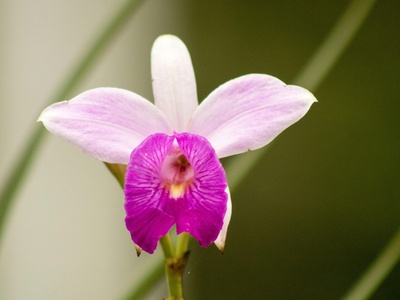
Bog orchid
Tiny, delicate bog specialist with a single spiraled stem and miniature greenish flowers. Blooms mid to late summer; look low in Sphagnum mats. Locally scarce; a reliable sign of intact acidic bog habitat.
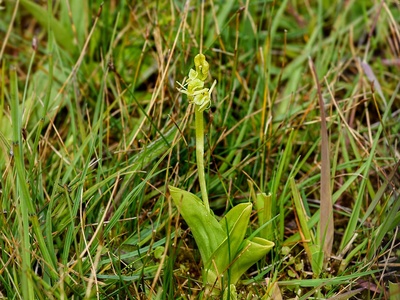
Fen orchid
Small, pale green-yellow flowers on a wiry stem in late spring–summer. Prefers calcium-rich fens and wet dune hollows; often found among mosses and sedges. Indicator of high-quality fen habitat and sensitive to drainage.
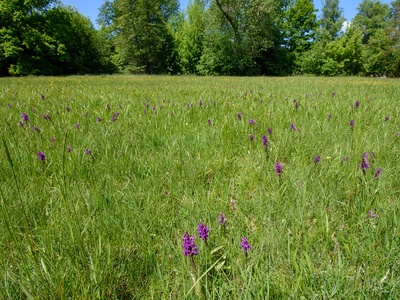
Broad-leaved marsh orchid
Tall spikes of pink to purple flowers, broad spotted leaves; blooms June–July. Common in nutrient-poor to moderately rich fens and wet meadows. Look for dense clumps in spring before the canopy closes.
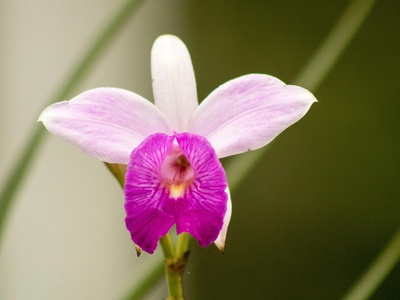
Early marsh orchid
Variable pink to reddish flower spikes in May–July, often with spotted leaves. A true marsh specialist that favors wet, open ground and shallow, seasonally flooded soils; many regional forms and subspecies.
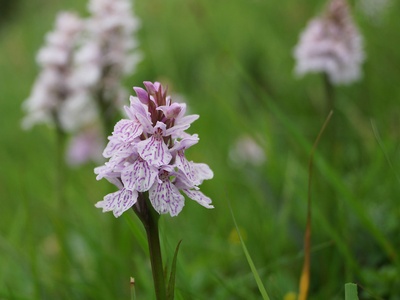
Heath spotted-orchid
Mottled leaves and dense purple-pink spikes in June–August. Favors acidic, peaty soils and heathland bog edges. Easily overlooked among heather but shows up in summer as a splash of purple.
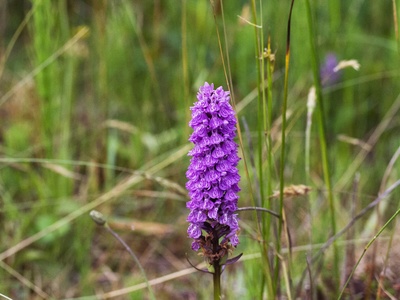
Southern marsh orchid
Pink to deep-purple flowers June–July, often in brackish coastal marshes and damp meadows. Tolerant of slight salinity; look for it in low-lying coastal pastures and reed margins.
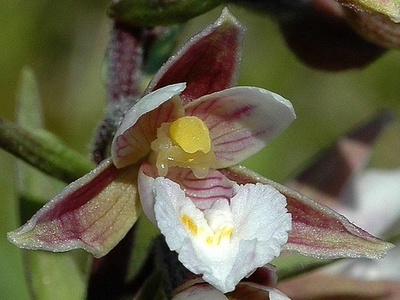
Marsh helleborine
Creamy-pink flowers with a distinctive helmeted lip bloom July–August. Prefers base-rich, damp soils and open spots in fen complexes. Sensitive to eutrophication, often declines where drainage or nutrient input increases.

Marsh orchid (Mediterranean)
Slender spikes of pale pink flowers May–June in seasonally wet, often calcareous meadows. A coastal and lowland marsh specialist in the Mediterranean region; watch for it in grazed, damp grasslands.
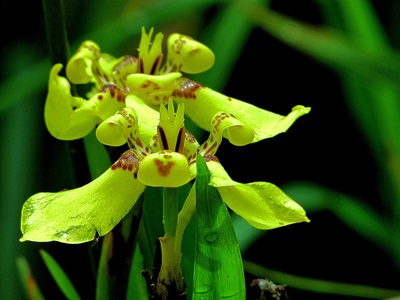
Frog orchid
Small greenish flowers in a loose spike June–July; leaves often unspotted. Occurs in damp, unimproved meadows and fen margins. Subtle and easily missed but typical of moist, low-nutrient grasslands.
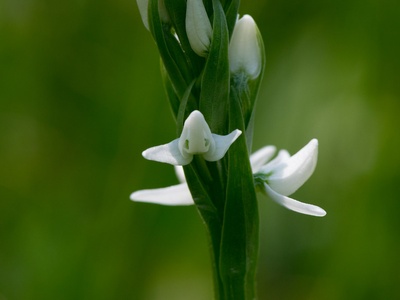
Tall white bog-orchid
Fragrant, tall spikes of white flowers June–August; long nectar spur and broad leaves. A bog and wetland specialist—look for it among sedges and sphagnum in open peatlands and alpine wet meadows.
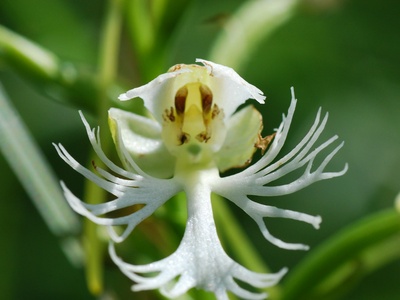
White-fringed orchid
Showy white, fringed lips on tall stems June–July; distinctive upturned side petals. A classic bog flower of open peatlands and pocosins; sensitive to drainage and fire regime changes.
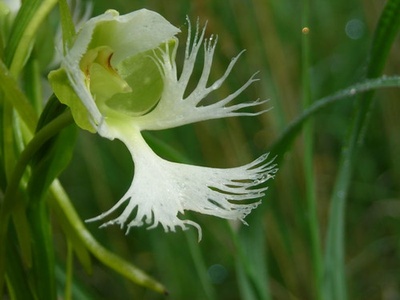
Western prairie fringed orchid
Large, fragrant white flowers June–July with fringed lips; federally threatened in the U.S. Prefers seasonally wet, herb-rich prairies and calcareous fens—best viewed where grazing and water regimes are intact.
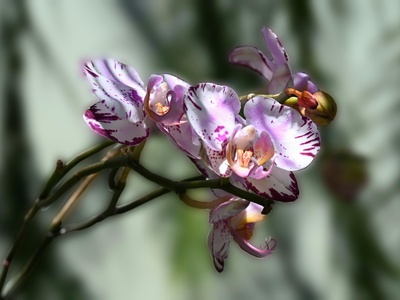
Blunt-leaved rein-orchid
Greenish, small-flowered spikes in early summer; leaves basal and broad. A northern bog and tundra specialist—looks sparse but reliably appears in peatlands and moist tundra hollows.
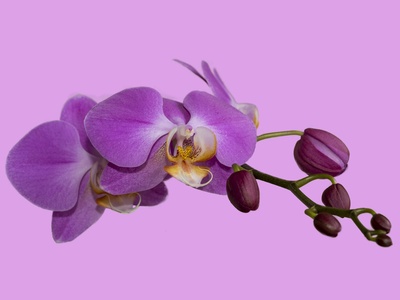
Small purple-fringed orchid
Showy purple, fringed lip blooms in June–July and narrow basal leaves. Prefers saturated, open sites such as sedge meadows and boggy clearings—often a highlight on wetland wildflower walks.
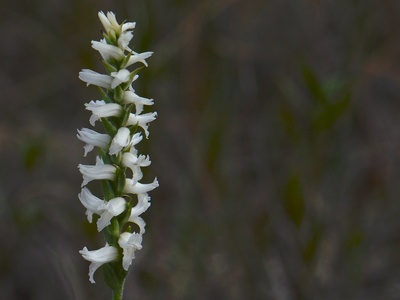
Nodding ladies’-tresses
Spiral of small white to cream flowers late summer–fall with a nodding habit. Frequent in wet, grassy habitats and along marsh margins; easy to spot when flowering but variable across range.
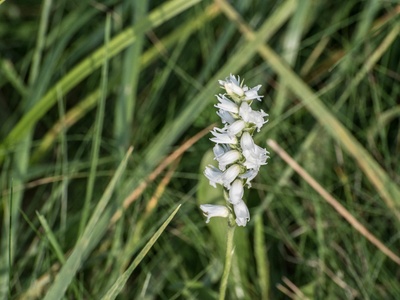
Hooded ladies’-tresses
Dense white spiraled flowers in late summer; often in open peatlands and fens. A striking species that crosses the North Atlantic—seen in boreal bogs and coastal sphagnum.
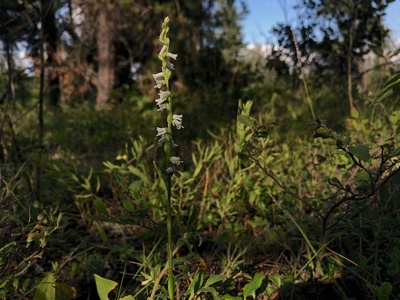
Slender ladies’-tresses
Slender spike of tiny white flowers late summer–fall; favors moist to seasonally flooded meadows and roadside ditches. Adaptable but most abundant in consistently wet grasslands.
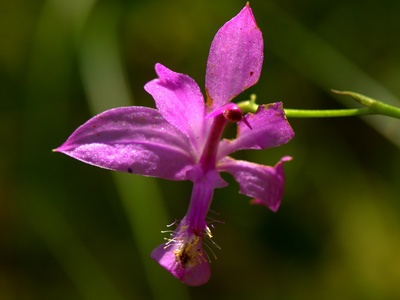
Grass-pink
Showy rose-pink flowers on a single stem May–July; pollinated by tricks—lures bees. Classic bog and wet meadow species—often in open Sphagnum hollows and pocosins, eye-catching from afar.
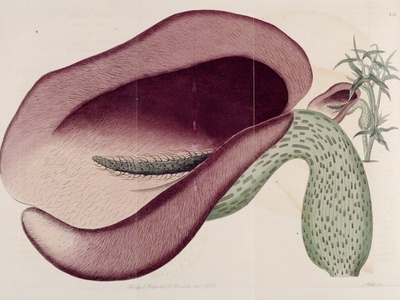
Dragon’s-mouth
Striking lone rose-pink flower on a tall stalk June–July. A true bog specialist—found on hummocks and open Sphagnum with low shrubs. Easily seen and much-loved by bog walkers.
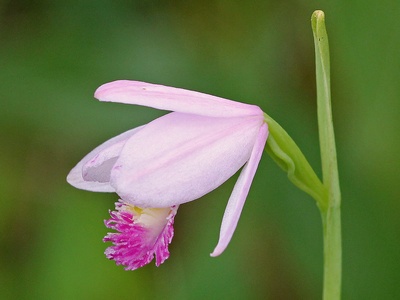
Rose pogonia
Delicate rosy flowers May–June with a fringed lip and single basal leaf. Prefers open, sunny bogs and fen margins; often found among sedges and low shrubs in spring and early summer.
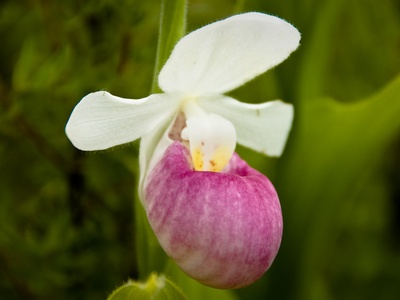
Showy lady’s-slipper
Large white-and-pink slipper flowers June–July; unmistakable when in bloom. A wetland specialist of calcareous fens and wet wood margins, often protected and legally sensitive—don’t dig or disturb.
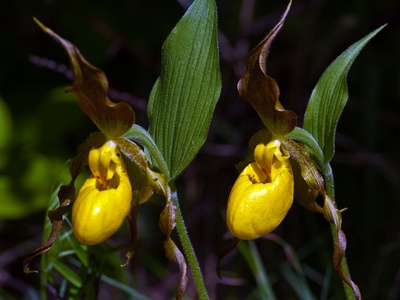
Yellow lady’s-slipper
Yellow pouch-like flower May–June with tall leafy stems. Frequent in calcareous wetlands and moist wood margins; variable across range and often an indicator of intact groundwater-fed habitats.
Lady’s-slipper (Eurasian)
Striking yellow slipper with maroon sepals late spring–early summer. Less common now, it favors open, wet calcareous turf and fen edges; a conservation priority in many countries.
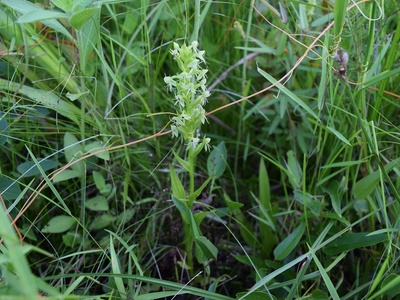
Water-spider orchid
Floating or emergent clumps of white-green flowers July–September; often in standing to slow-moving water. A true aquatic/semi-aquatic Habenaria visible along pond and marsh margins.
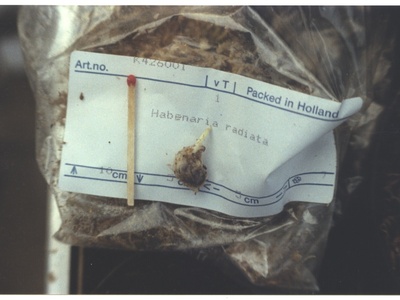
White egret orchid
Elegant white flowers resembling a flying egret July–August; grows in seasonally wet grasslands and marshes. Often cultivated but still found in remnant wet meadows in its native range.
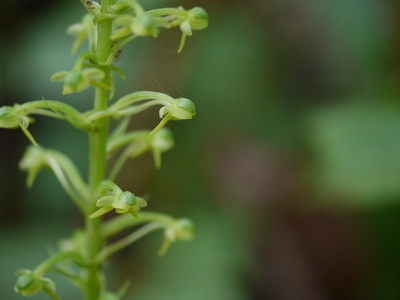
Northern rein-orchid
Small greenish flowers in mid-summer; scentless, with narrow leaves. A high-latitude bog and tundra specialist—look in wet hollows and sedge carpets in cool regions.
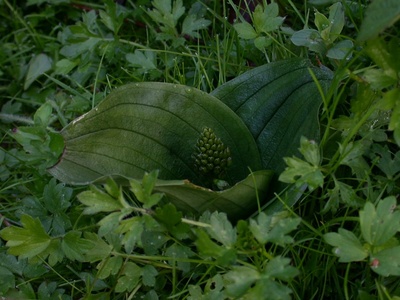
Common twayblade
Loose spike of small green-brown flowers late spring–summer; two broad basal leaves. Occurs in a wide range of damp habitats including rich fens and wet meadows—often abundant where grazing is light.
Bog adder’s-mouth
Small, pale greenish flowers on a tiny stem July–August; grows amid Sphagnum and low sedges. A diminutive specialist of acid peatlands—easy to miss but typical of intact bogs.