TLDR
Bonobos are frugivorous omnivores. Roughly 57% of their diet is fruit, another 30% or so is leaves, stems, and other plant matter (THV — terrestrial herbaceous vegetation), and meat makes up only 1-3%, mostly small mammals caught opportunistically rather than hunted in groups. Figs and a fruit called Dialium (velvet tamarind) are favorites. Unlike chimpanzees, bonobos almost never hunt monkeys, and recent research suggests they eat aquatic plants specifically for iodine.
Table of Contents
- The Short Answer
- Fruit: More Than Half of Everything They Eat
- Leaves, Stems, and the Fallback Foods
- Do Bonobos Eat Meat?
- Why Bonobos Barely Hunt (Unlike Chimps)
- The Iodine Discovery
- What Bonobos Eat in Captivity
- FAQ
The Short Answer
Bonobos live in the swamp forests south of the Congo River, and their diet reflects exactly where they live: dense, fruit-heavy forest with seasonal gaps. Field studies of bonobos at Wamba and Lomako, two of the longest-running bonobo research sites in the Democratic Republic of Congo, consistently find the same rough split — about 57% fruit, close to 30% terrestrial herbaceous vegetation (leaves, pith, stems), and small amounts of seeds, invertebrates, and meat rounding out the rest. That 57% figure shows up in nearly every credible source because it’s been replicated across multiple field seasons, not because writers are copying each other.
Fruit: More Than Half of Everything They Eat
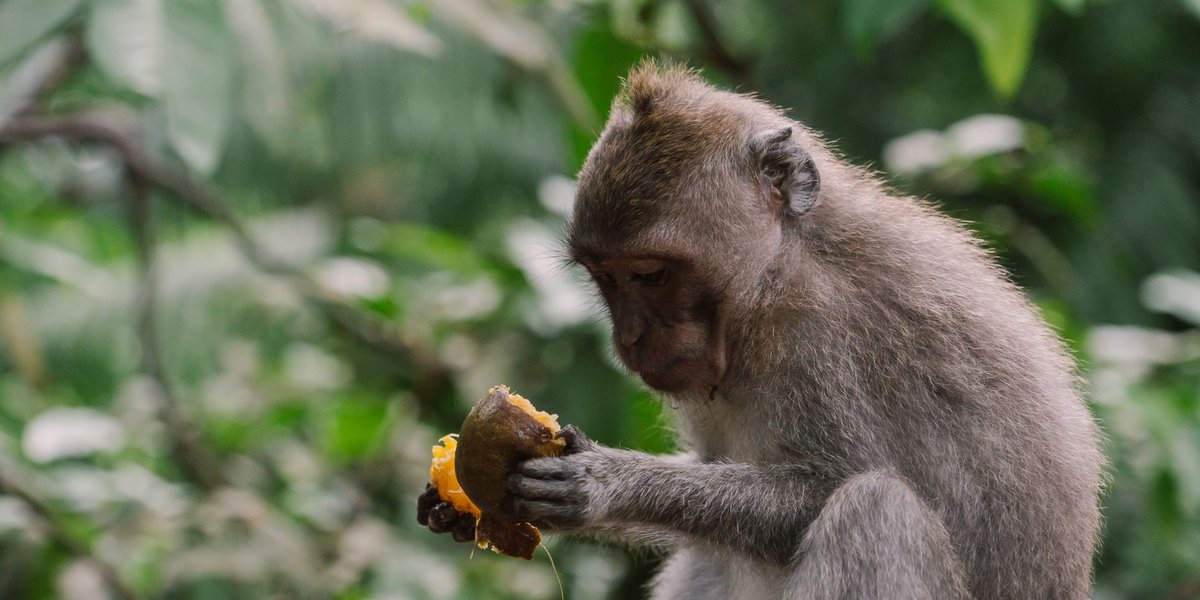
Fruit isn’t a treat for bonobos, it’s the backbone of the diet. Figs are the standout — bonobos will travel out of their way for a fruiting fig tree, and fig trees fruit somewhat unpredictably, which makes them a magnet when they’re ready. Dialium, known locally as velvet tamarind, is another favorite: a small, tart, high-sugar fruit that bonobos process in bulk during peak season, sometimes stripping a tree in a single visit.
This fruit-forward diet also explains bonobo social behavior in a roundabout way. Fruit trees are patchy and unpredictable, which pushes bonobos to travel and forage together rather than compete over a single fixed resource, a pattern researchers have linked to their famously low-aggression social structure.
Leaves, Stems, and the Fallback Foods
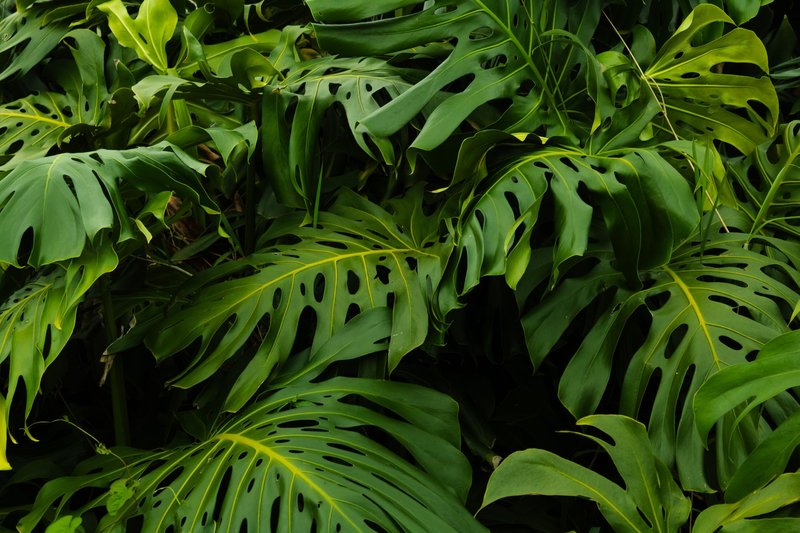
When fruit is scarce, THV carries the diet. This includes the pith of herbaceous plants, young leaves, and stems — foods that are lower in sugar and calories but reliably available year-round in swamp forest understory. A study published in PMC tracking bonobo feeding across seasons found that THV intake rises sharply during the months when fruiting trees are scarce, functioning as a buffer that keeps bonobos fed through lean stretches rather than a food they seek out for its own sake.
This seasonal flexibility is part of why bonobos have survived in a habitat that isn’t consistently generous. They’re not picky eaters by necessity — they’re strategic ones.
Do Bonobos Eat Meat?
Yes, but sparingly. Meat accounts for roughly 1-3% of total diet by most field estimates, and it’s almost always small prey: duikers (small forest antelope), flying squirrels, and other small mammals encountered rather than pursued. Bonobos have also been observed eating insects, though this is a minor and inconsistent part of the diet compared to primates like chimpanzees.
What’s notable is what’s absent: bonobos are not documented engaging in the coordinated primate hunts that define chimpanzee behavior. When meat shows up, it’s typically an individual capture, not a group hunt with the kind of tactical coordination chimps use to corner colobus monkeys.
Why Bonobos Barely Hunt (Unlike Chimps)
Bonobos and chimpanzees split from a common ancestor roughly 1-2 million years ago, and the differences between them are stark — diet is one of the sharpest behavioral divides. Chimpanzees, especially at sites like Gombe and Taï, hunt red colobus monkeys in coordinated groups, sometimes taking down several individuals in a single hunt. Bonobos, living in fruit-richer swamp forest with less competition from other apes for that fruit, don’t face the same pressure to fall back on hunted meat.
There’s also a social dimension. Bonobo troops are typically led by coalitions of females, and food sharing in bonobos tends to happen more freely and with less aggression around carcasses than in chimp communities, where meat possession can trigger tense, hierarchical negotiations. Less competitive pressure around meat may partly explain why bonobos never developed the same hunting culture.
The Iodine Discovery
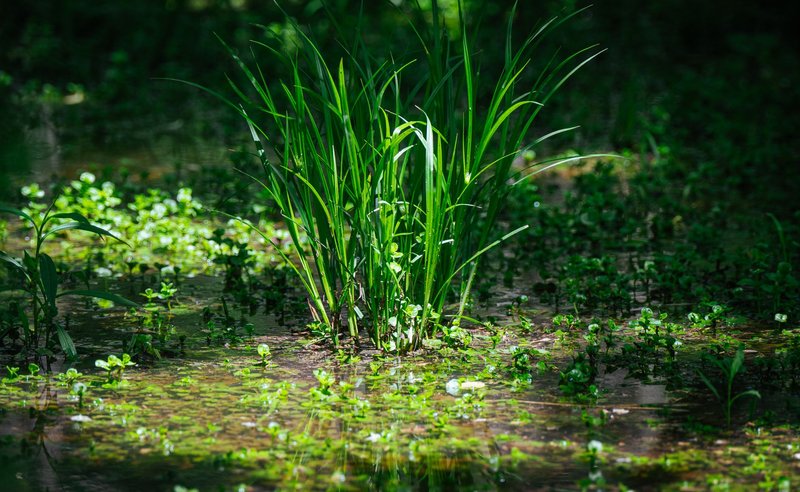
One of the more interesting recent findings involves bonobos deliberately eating aquatic herbaceous plants — species growing in swamp margins and waterlogged clearings. According to research highlighted by the Leakey Foundation, these plants are unusually rich in iodine, a nutrient critical for thyroid function and brain development that’s otherwise scarce in the Congo Basin’s iodine-poor soils.
The implication reaches beyond bonobos. Iodine availability is thought to have shaped brain evolution across hominins, and if wild apes are seeking it out through specific plant choices, it raises the possibility that early human ancestors did something similar long before coastal or dietary iodine sources were part of the picture. It’s a small dietary detail with an outsized research payoff.
What Bonobos Eat in Captivity
Zoos and sanctuaries can’t replicate a Congolese swamp forest’s exact seasonal fruit calendar, so captive bonobo diets are built around structured variety instead: leafy greens, a range of fruits and vegetables, browse (fresh branches with leaves, which double as enrichment), and primate biscuits formulated to cover nutritional gaps that produce alone won’t fill. According to guidance referenced by the San Diego Zoo Wildlife Alliance library, keepers deliberately limit high-sugar fruit compared to what’s available commercially, since cultivated fruit is far sweeter than most wild fruit bonobos evolved eating, and unrestricted access can lead to weight and dental issues that wouldn’t occur in the wild.
Feeding schedules in accredited facilities are also spread throughout the day in multiple small sessions rather than one or two large meals, mimicking the near-constant foraging pattern bonobos follow in the wild.
FAQ
Do bonobos eat meat? Yes, but it’s a small part of the diet — around 1-3% — and usually opportunistic rather than hunted in groups.
Do bonobos eat other primates? There’s no solid documentation of bonobos hunting monkeys the way chimpanzees do. Their rare meat consumption centers on small mammals like duikers, not other primates.
What’s a bonobo’s favorite food? Figs are a strong favorite when available, along with Dialium (velvet tamarind), a small tart fruit bonobos will gorge on during peak fruiting.
How is a bonobo’s diet different from a chimpanzee’s? Both are fruit-heavy omnivores, but chimpanzees hunt monkeys cooperatively and eat considerably more meat overall. Bonobos rely more heavily on fruit and THV and rarely engage in group hunting.